
Inlaid Wood Mirror
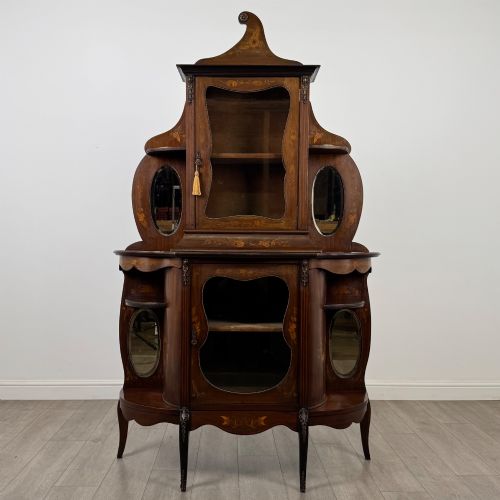
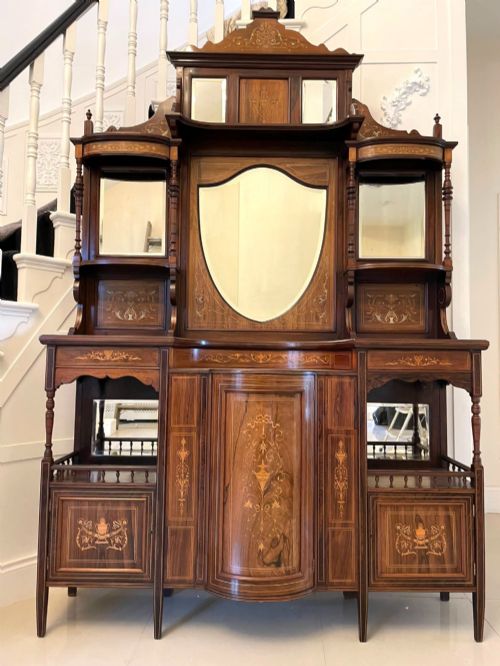
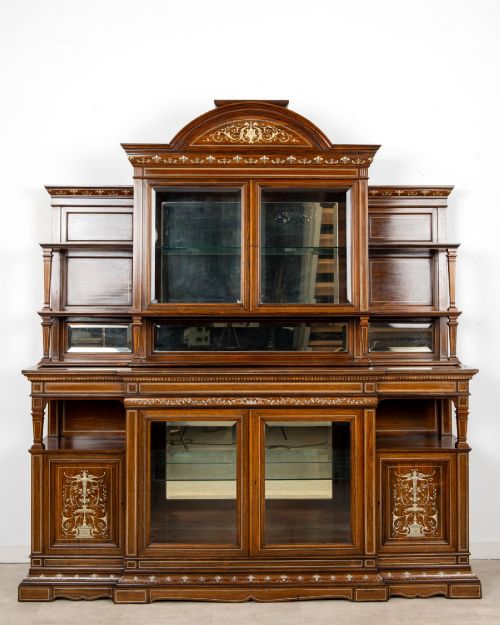
When collectors seek an inlaid wood mirror, they discover decorative wall frames and dressing table glasses shaped by Victorian, Edwardian, and Regency hands.
Inlaid Wood Mirror
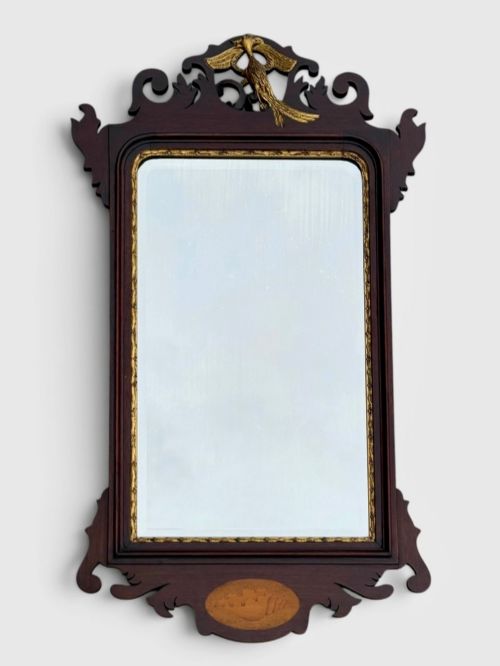
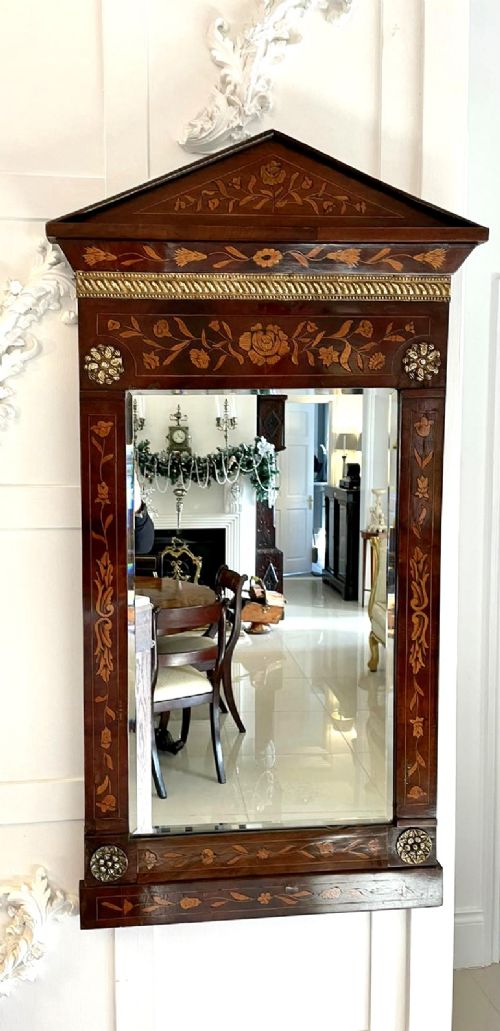
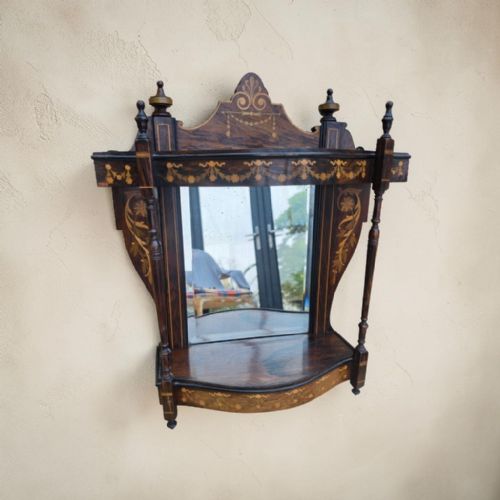
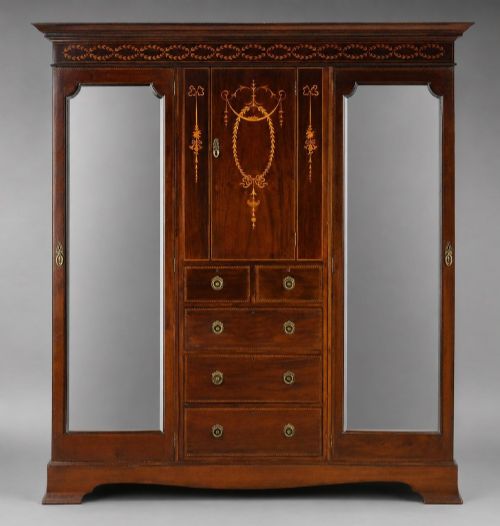
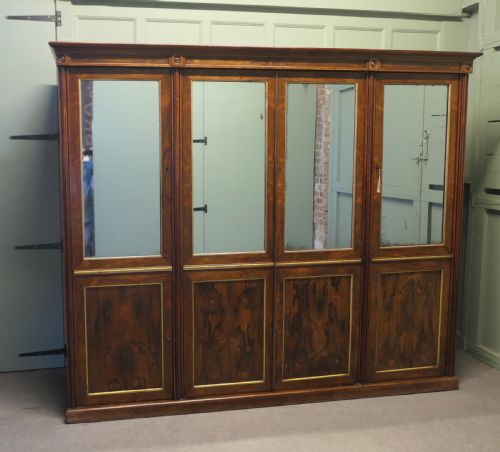
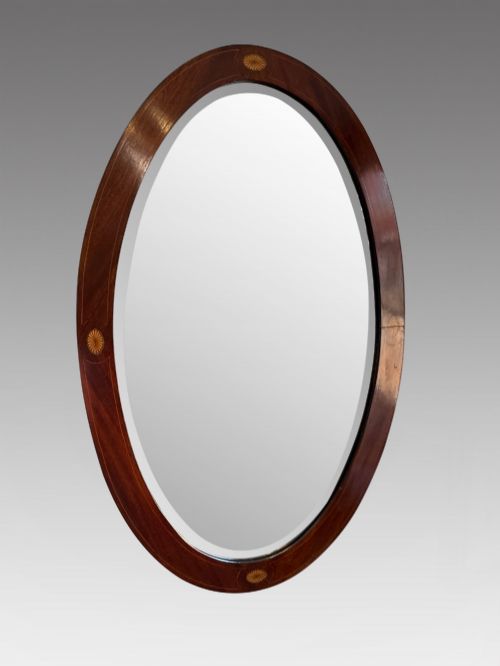
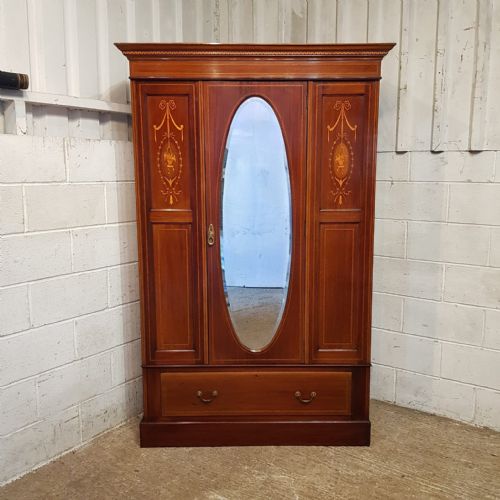
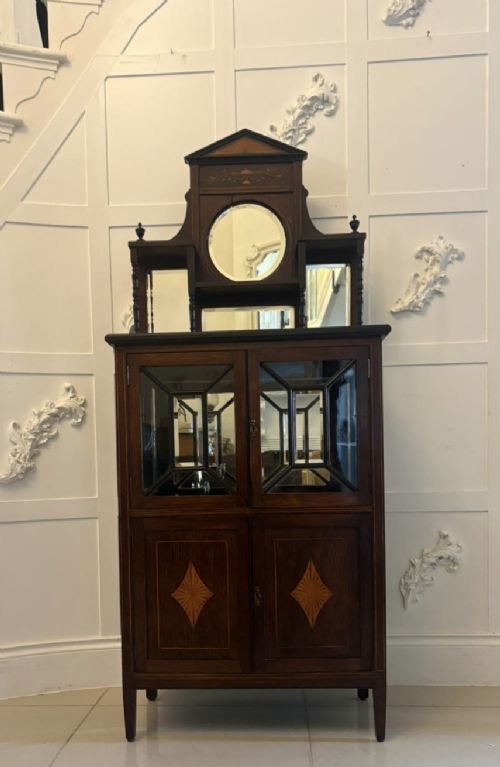
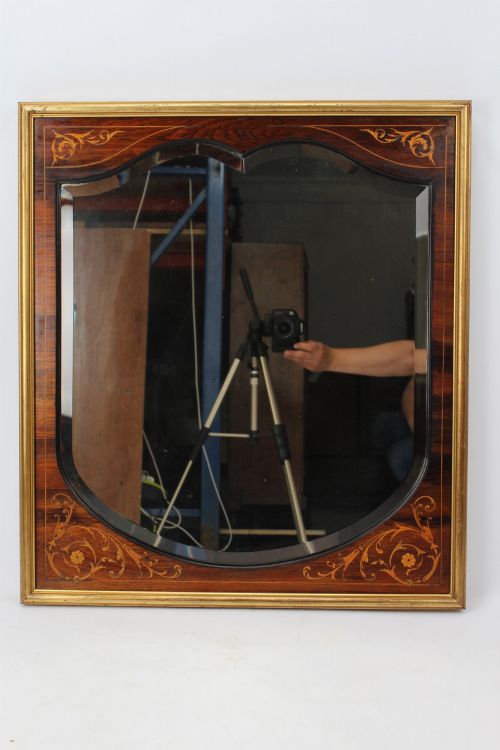
An inlaid wood mirror appears in several distinct forms across this inventory, ranging from compact wall-hanging frames to large overmantels and cheval glasses. Buyers seeking an inlaid wood mirror encounter wall mirrors with fretted mahogany frames, rosewood overmantel pieces, and satinwood dressing table swing mirrors.
The surviving examples bridge multiple periods, with Edwardian rosewood designs and Victorian marquetry pieces appearing alongside 19th-century Georgian revival styles. Makers also incorporated shelves, candle sconces, or gilt details into the wooden frames.
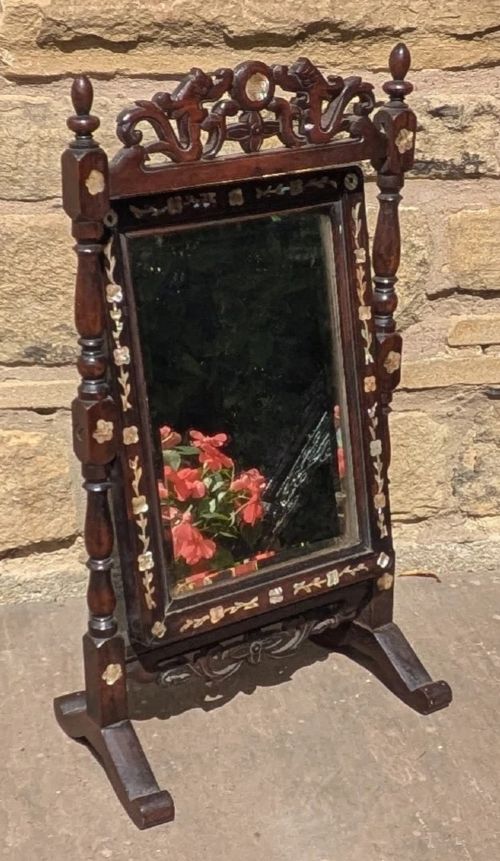
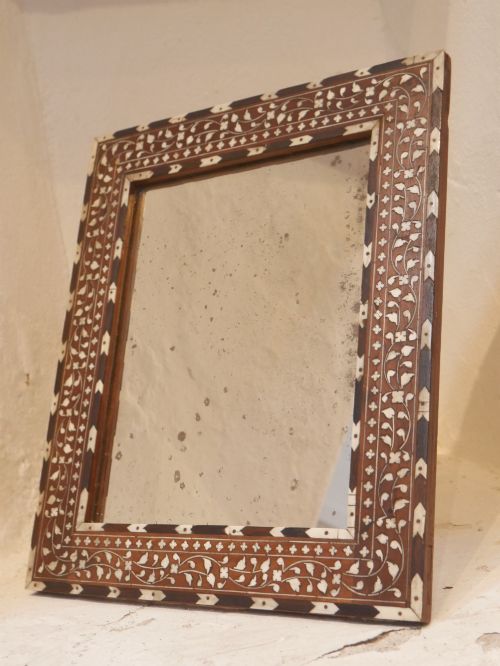
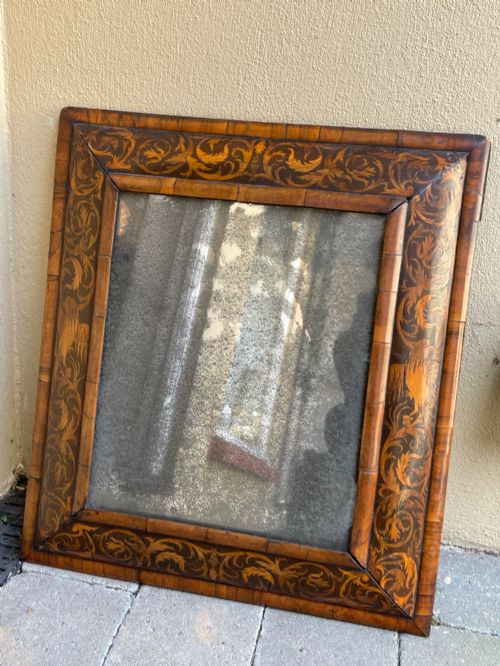
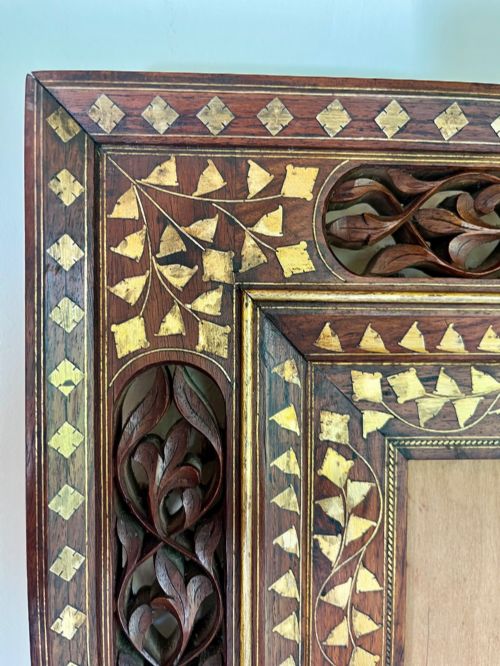
The phrase encompasses smaller hall mirrors with intricate bone and mother of pearl work as well as substantial Dutch marquetry and Anglo-Indian frames. These objects reflect domestic interior trends from the eighteenth century through to the early twentieth century.
Materials and construction methods
Cabinetmakers constructed these frames using dense hardwoods such as mahogany, rosewood, and satinwood, frequently applying contrasting veneers like boxwood and ebony. Craftspeople utilised intricate marquetry techniques to embed floral or geometric wood inlays directly into the primary surface.
Regional variations introduced different decorative elements, including brass inlay work on Regency pieces and bone or mother of pearl details on Damascus and Hoshiarpur items. Silvered mirror glass was then fitted into the finished wooden structures, occasionally with bevelled edges.
Inlaid Wood Mirror Retail Price Guide 2026
Typical asking prices for inlaid wood mirror among the pieces listed under this phrase on Sellingantiques today, from the lower quarter to the upper quarter. They describe what is for sale here now, not the wider market.
Listings feature woods including mahogany, rosewood, satinwood, and cherrywood combined with brass, bone, and mother of pearl inlay.
Judging the standard of execution
The standard of an inlaid wood mirror depends on the precision of the marquetry and the choice of primary timber. Finer examples display tight, seamless joints in the wood inlay and rich grain patterns in the surrounding rosewood or mahogany.
Execution of carved details, such as Ho Ho birds on fret-cut frames or applied gilt work, separates standard workshop output from exceptional pieces. The weight of the timber and the clarity of the original mirror glass further indicate the level of craftsmanship.
Collinson & Lock·Wylie Lochhead·E. A. Taylor·Edwards & Roberts·Maple & Co.·Holland & Sons·Gillows
The Inlaid Wood Mirror Glossary
- Marquetry
- Decorative patterns formed by fitting contrasting veneers into a prepared wooden surface. This technique allows for elaborate floral and pictorial designs across the frame.
- Cheval mirror
- A full-length swing glass mounted in a standing frame. These pieces often feature pivoting side supports and sturdy footed bases.
- Overmantel mirror
- A large wall glass designed to hang directly above a fireplace mantel. They frequently incorporate extended wooden shelves and gilt detailing.
- Fretted frame
- A wooden outline shaped by piercing or fretting the material into openwork patterns. This style appears frequently on Georgian revival wall mirrors.
- Satinwood
- A lustrous, yellowish timber utilised for high-status cabinet work and fine veneer inlay. It provides a bright contrast against darker woods like mahogany.
Inlaid Wood Mirror: Frequently Asked Questions
How do I hang a heavy wooden mirror?
Large overmantel and wall pieces require secure fixing directly into wall studs or solid masonry using appropriate brackets.
Because rosewood and mahogany frames carry considerable weight, professional hanging ensures the mirror stays level and secure.
Are cheval mirrors free standing?
Cheval mirrors stand independently on their own floor frames, supported by vertical side pivots that allow the glass to tilt.
They function without wall attachments, making them adaptable for bedrooms and dressing rooms.
How do I date an inlaid frame?
Dating relies on timber choices, inlay styles, and construction techniques typical of periods like the Georgian era, Victorian times, or the Edwardian years.
Examining the reverse of the wood and the bevel of the glass also helps determine the period.
Where were Hoshiarpur mirrors made?
Hoshiarpur mirrors originate from the Punjab region of India, known for distinct woodwork traditions involving intricate inlay.
Craftspeople utilised local timbers adorned with bone and detailed geometric patterns.