
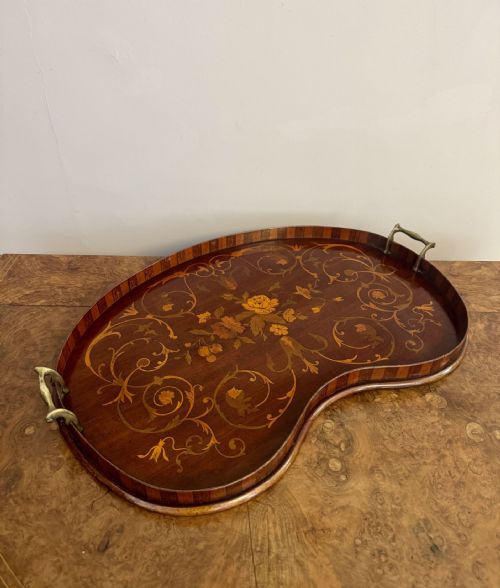
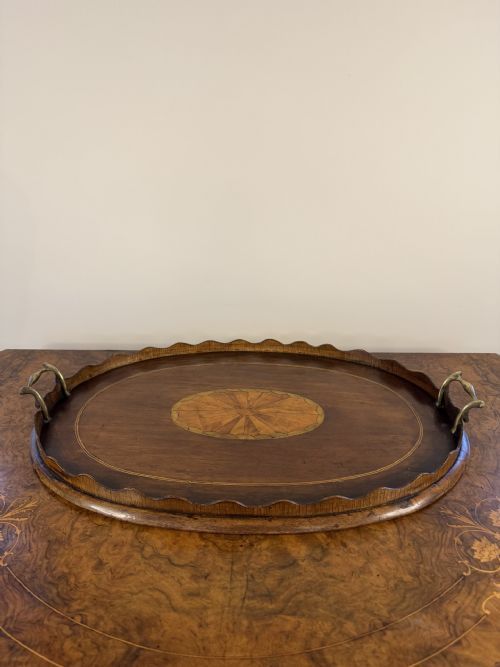


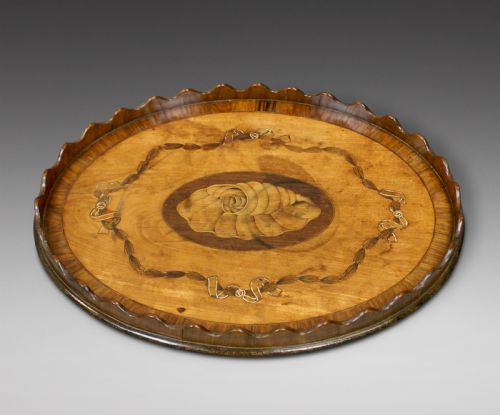


Inlaid Wood Drinks Tray
An inlaid wood drinks tray brings polished mahogany, delicate marquetry and functional elegance straight to your table.
Inlaid Wood Drinks Tray
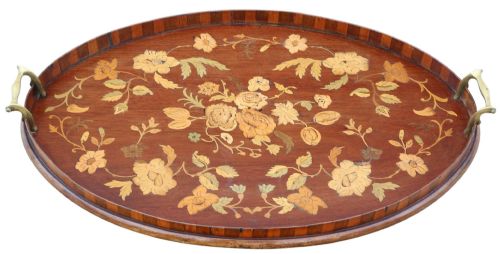
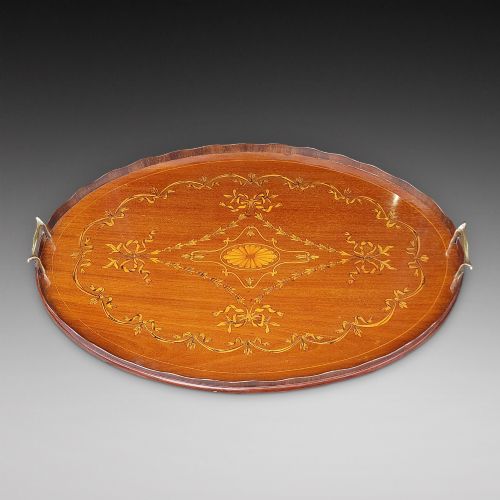
An inlaid wood drinks tray combines practical serving utility with decorative woodworking traditions spanning the Georgian, Victorian and Edwardian eras. These pieces appear in rectangular, oval, octagonal and kidney shapes designed for carrying glassware or functioning atop occasional tables.
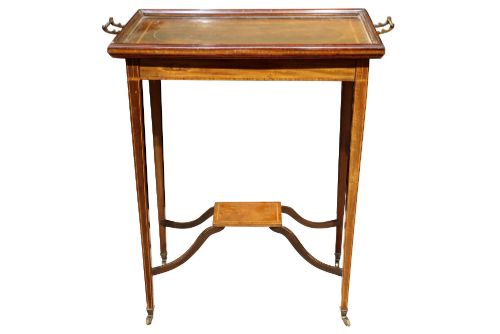
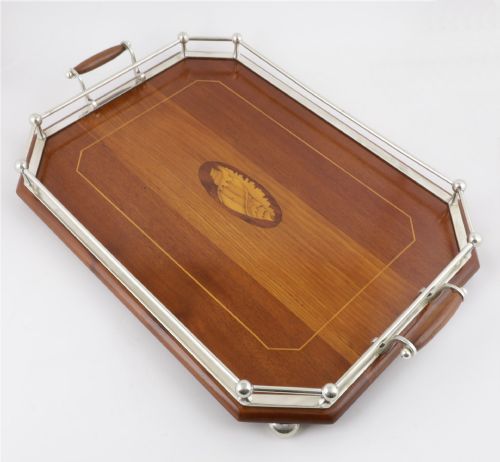
The version a buyer meets most frequently on this page is the Edwardian or nineteenth-century mahogany tea tray, often enhanced with satinwood or boxwood marquetry. Alongside conventional serving trays, the selection includes occasional tables, etageres and trays featuring brass or silver-plated galleries.
Originating across different historical periods from the eighteenth century onwards, these trays reflect changing domestic habits and entertaining styles. Collectors encounter simple geometric borders as well as elaborate floral marquetry and shell motifs embedded into the timber surface.
Factors that distinguish quality
The distinction between standard utility items and superior examples lies in the crispness and complexity of the marquetry inlay. Precision in cutting contrasting woods like boxwood and satinwood creates sharp lines without excessive filler in the joints.
Timber selection dictates the overall visual depth, with figured mahogany and burr veneers elevating the status of the piece. Cabinetmakers who incorporated solid brass galleries or substantial silver-plated mounts produced sturdier, more refined servingware.
Proportion and form separate basic items from sophisticated works, particularly in complex shapes such as kidney outlines or octagonal formats. The retention of original polished surfaces and intact turned wooden handles preserves the integrity of the antique.
The inventory spans the Georgian, Victorian, Edwardian, and Regency eras, encompassing serving trays, occasional tables, and etageres.
The Inlaid Wood Drinks Tray Glossary
- Marquetry inlay
- The art of applying decorative pieces of veneer to a structural structure to form intricate designs. This technique distinguishes high-status decorative trays from plain wooden boards.
- Gallery
- A raised protective border or railing fitted around the edge of a tray or table. These structures are frequently fashioned from brass or silver plate to secure items during movement.
- Satinwood
- A durable, lustrous yellow timber utilised extensively for contrasting inlay work. Its bright tone highlights geometric borders and central motifs against darker mahogany backgrounds.
- Etagere
- A piece of furniture consisting of a set of open shelves for displaying small objects. Some variations incorporate removable trays within their tiered wooden framework.
Inlaid Wood Drinks Tray: Frequently Asked Questions
How do I clean an antique wood tray?
Maintain the polished timber surface by dusting gently with a dry, soft cloth to prevent abrasion. Avoid liquid cleaners or excessive moisture which can damage delicate marquetry inlay and wood veneers.
Condition the wood periodically with a suitable wax polish approved for antique furniture. This preserves the natural sheen of mahogany and satinwood without lifting historical finishes.
Can I use these trays for serving drinks?
Many nineteenth-century and Edwardian serving trays remain structurally sound for carrying glassware and bottles. The inclusion of sturdy wooden handles and raised edges supports practical household use during gatherings.
Protect the historic timber surface from liquid rings and condensation by utilising coasters or linen runners. Gentle handling ensures fragile brass galleries and delicate inlay suffer no undue strain.
How do I date an inlaid tray?
Examine the primary timber, construction methods and style of the marquetry to determine the historical period. Georgian pieces often display restrained geometric banding, while Edwardian examples favour elaborate floral marquetry.
Inspect the underside and edges for hand-tool marks and traditional joinery techniques consistent with eighteenth or nineteenth-century cabinetmaking. Comparing the hardware, such as brass fittings or turned wooden handles, aids further identification.