


Inlaid Walnut Hall Table
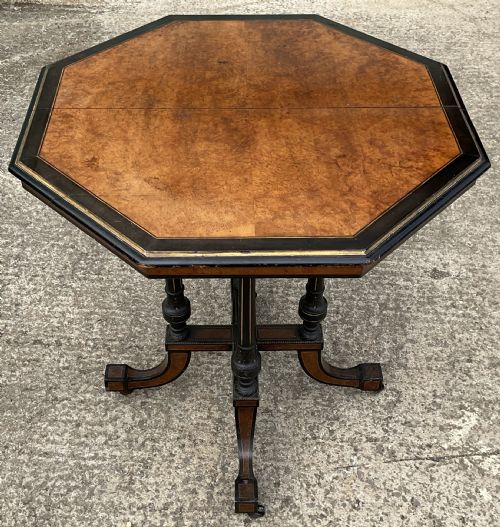
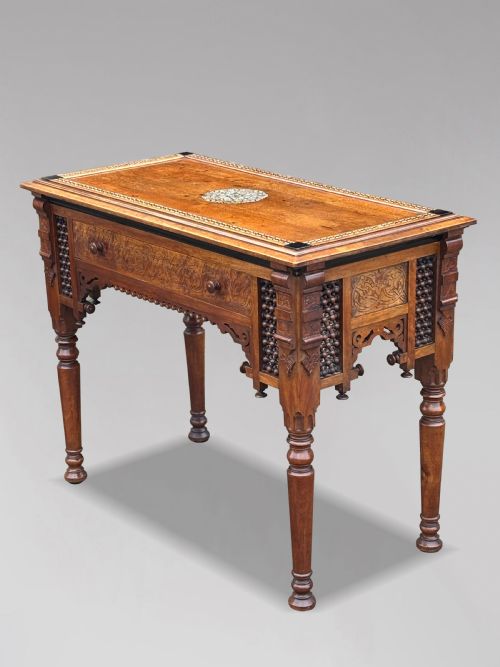
An inlaid walnut hall table offers a warm, figured surface and crisp decorative detail that suits both grand entranceways and compact corridors.
Inlaid Walnut Hall Table
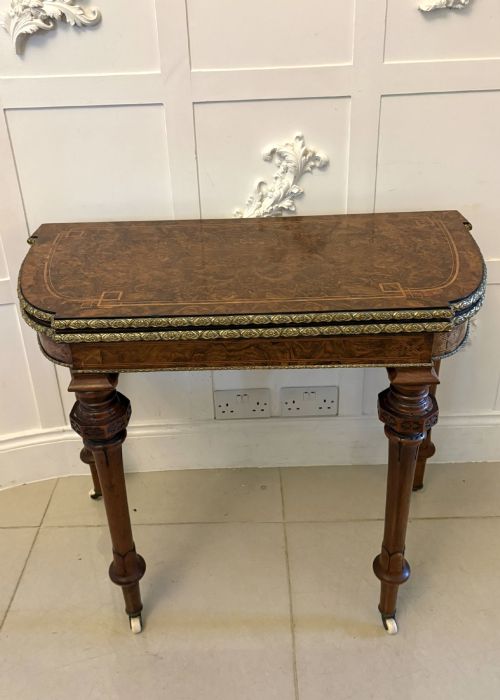
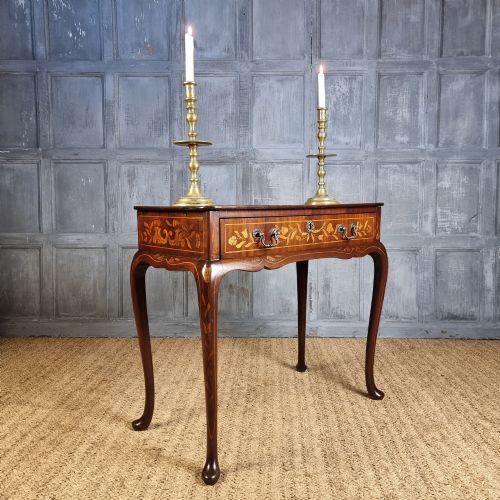
An inlaid walnut hall table spans forms recorded across the eighteenth and nineteenth centuries, including console, side, and occasional tables designed to sit flat against a wall or anchor a room. The pieces meeting this search phrase frequently date to the Victorian era, alongside examples stretching from the Georgian period into the early twentieth century.
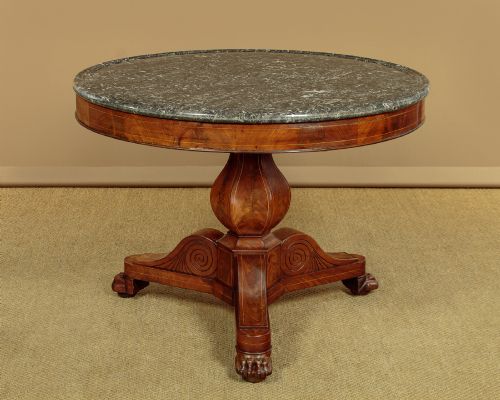
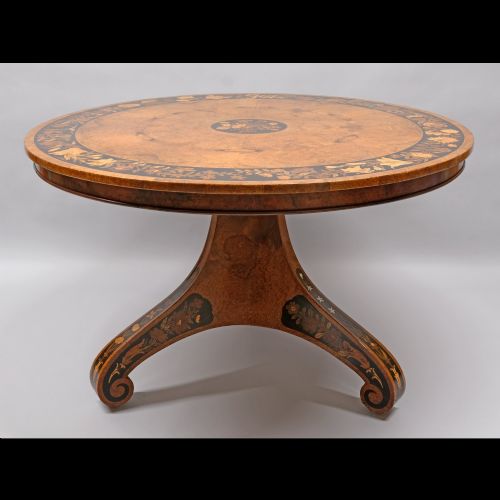
Makers and workshops of the nineteenth century produced these tables in styles ranging from straightforward Victorian designs to Aesthetic Movement, French Second Empire, and Dutch Baroque interpretations. Walnut surfaces incorporate contrasting timbers and geometric or floral arrangements, often supported on pedestal bases, stretcher frames, or console brackets.
How they were made
Cabinetmakers utilised solid walnut and figured burr walnut veneers applied to secondary framing timbers, exploiting the rich grain patterns of the wood. Marquetry and parquetry ornamentation relied on precision-cut inserts of boxwood, brass, and assorted specimen woods.
Additional materials such as marble tops, ormolu mounts, and bone inlays appear across Italian, French, and English workshops. Construction techniques combined traditional joinery with meticulous hand-cut veneers fixed using animal glues.
Inlaid Walnut Hall Table Retail Price Guide 2026
Typical asking prices for inlaid walnut hall table among the pieces listed under this phrase on Sellingantiques today, from the lower quarter to the upper quarter. They describe what is for sale here now, not the wider market.
Some nineteenth-century card tables double as desks, proving ancestors enjoyed secret compartments as much as we do.
What varies in quality
Quality rests in the precision of the marquetry and the choice of walnut veneer, where tightly figured burr timber indicates a more expensive commission. The sharpness of the boxwood or brass inlay work reveals the hand of a skilled maker.
Structural integrity and the retention of original mounts, marble inserts, or secondary timbers separate standard production pieces from workshop examples attributed to notable cabinetmakers.
Holmes Baldock·Gillows·Holland & Sons·James Winter
The Inlaid Walnut Hall Table Glossary
- Burr walnut
- A figured wood grain obtained from walnut tree growths, valued for its swirling patterns and used extensively as a surface veneer.
- Marquetry
- Decorative veneer work forming pictorial or geometric patterns using various coloured woods laid into a ground.
- Parquetry
- A geometric mosaic of wood pieces used for floorings or table tops, creating crisp repeating patterns.
- Ormolu
- Gilded bronze mounts applied to furniture edges and legs during the eighteenth and nineteenth centuries.
- Console table
- A table designed to fix against a wall, frequently supported on front brackets or legs rather than standing independently.
Inlaid Walnut Hall Table: Frequently Asked Questions
Where should I place an inlaid walnut hall table?
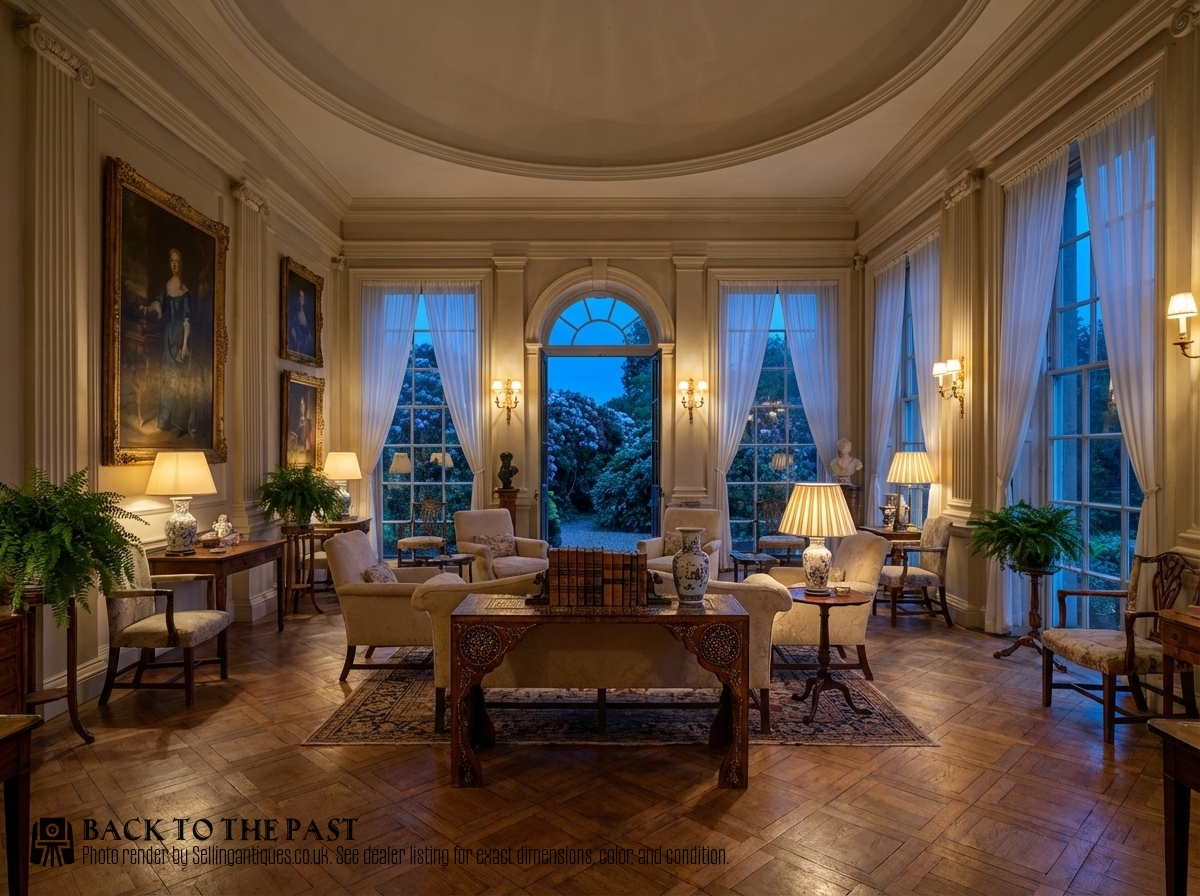
These tables fit naturally into narrow hallways, entrance foyers, or reception rooms where surface space is needed without blocking circulation.
Because many examples feature finished backs or freestanding pedestal bases, they also function effectively as centre tables or side pieces in larger living spaces.
How do I identify a Victorian walnut table?
Victorian walnut tables typically display deep, dark timber tones combined with elaborate burr veneer panels and occasional marquetry or brass stringing. Construction methods from this period often involve robust pedestal bases or stretcher frames.
Design motifs can range from simple turned legs to ornate Rococo Revival curves or Aesthetic Movement ebonised details.
What is the difference between a console and a hall table?
A console table traditionally attaches to a wall or relies on front brackets for support, making it well-suited for shallow spaces. Hall tables encompass a broader category of console, side, and occasional forms utilised for similar domestic placements.
Both types share a shallow profile designed to hold lamps, bowls, or decorative objects without obstructing passage.
How do I care for antique walnut veneer?
Antique walnut benefits from stable indoor humidity and protection from direct sunlight, which can fade the warm tones of the wood. Regular dusting with a dry, soft cloth maintains the finish without moisture damage.
Occasional application of traditional beeswax helps nourish the timber and protects delicate boxwood or brass inlays.