


Inlaid Walnut Glazed Vitrine
An inlaid walnut glazed vitrine combines fine timber with glass display space, offering collectors a traditional way to exhibit cabinet items.
Inlaid Walnut Glazed Vitrine
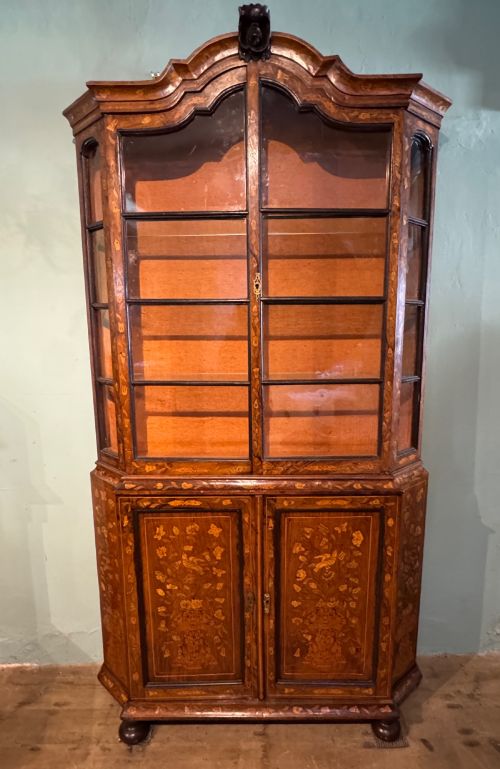
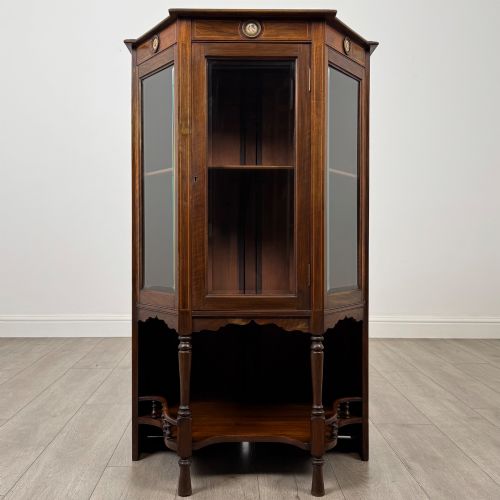
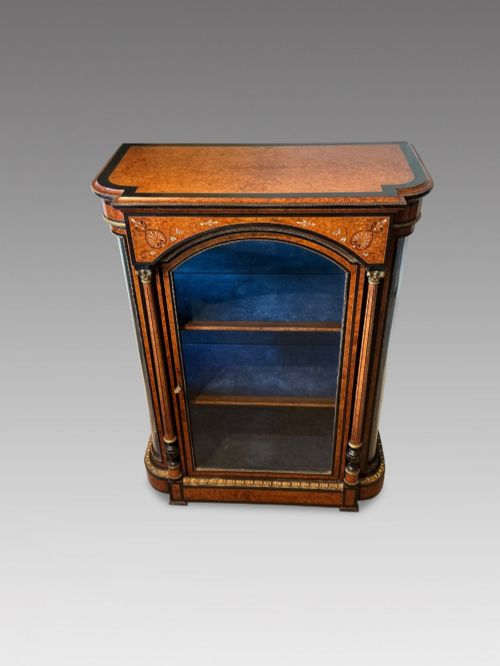
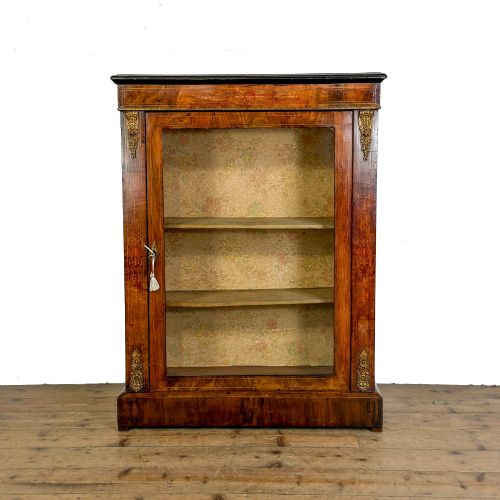
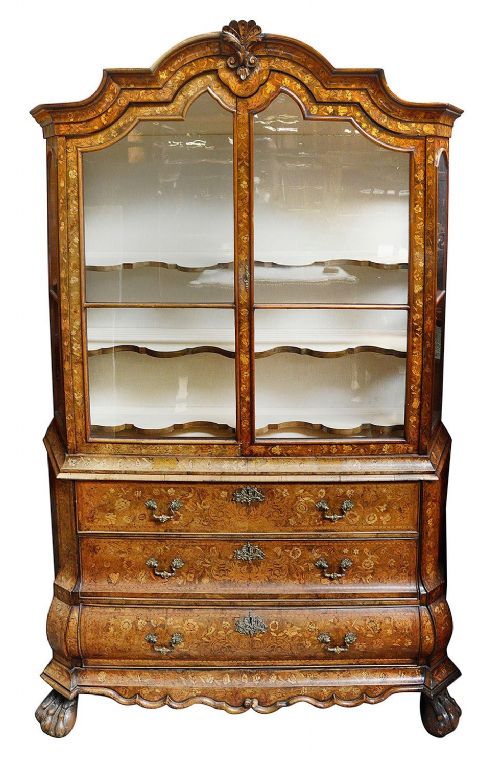
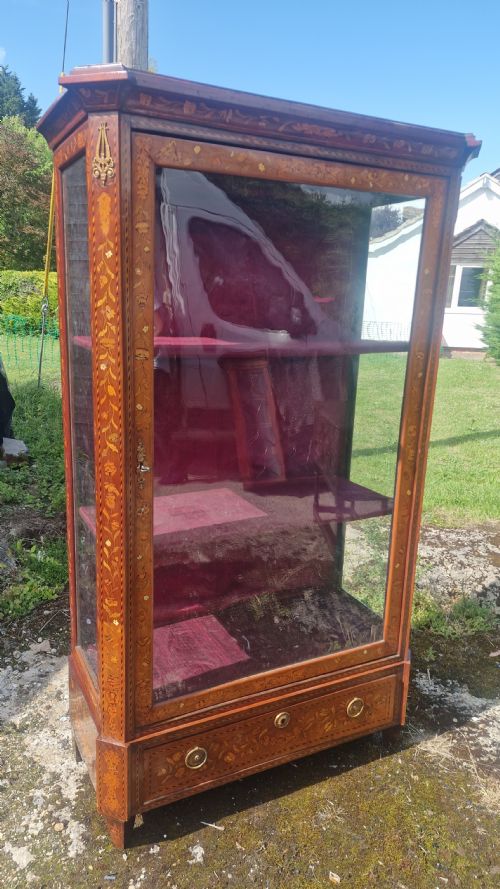
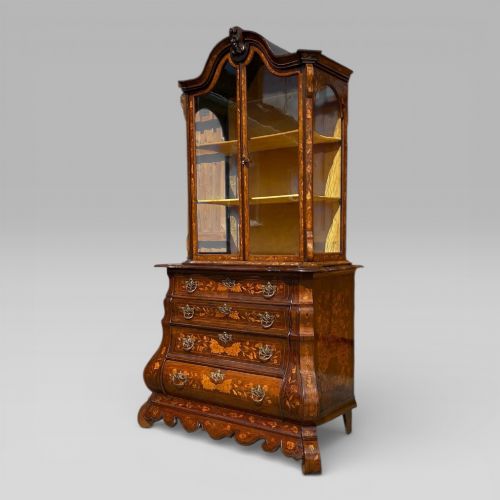
When searching for an inlaid walnut glazed vitrine, buyers encounter a variety of forms including pier cabinets, corner cupboards, and tall display pieces originating from the eighteenth, nineteenth, and early twentieth centuries. These cabinets serve to protect and display objects behind glass panels while adding decorative presence to a room through distinctive timber grains and inlay work.
The selection ranges from compact Victorian pier cabinets designed for specific wall spaces to substantial Dutch marquetry examples and bombé shapes. Many items reflect revival styles such as Louis XV or Dutch Baroque, alongside straightforward Georgian and Edwardian designs constructed for domestic display purposes.
Materials and construction methods
Makers utilised walnut, burr walnut, and figured walnut veneers over secondary timbers, often applying fruitwood and boxwood inlay to create floral and geometric marquetry patterns. Glass panels are fitted into glazed doors to enclose the interior shelves.
Metal mounts in brass and ormolu frequently reinforce corners, doors, and feet, particularly on French and Victorian pieces. Interior surfaces are occasionally lined with velvet to provide a contrasting background for displayed items.
Some Dutch marquetry cabinets display floral bouquets rendered in boxwood with tulipwood petals that have mellowed over centuries.
Quality differences across pieces
The depth and complexity of the marquetry inlay distinguish standard production from exceptional examples, with intricate floral designs requiring high skill in cutting contrasting woods. The choice of timber also plays a role, as highly figured burr walnut commands greater visual presence than plain walnut veneers.
Proportion and the integration of decorative ormolu mounts dictate the overall success of a cabinet. Pieces that maintain crisp lines in their serpentine or bombé forms, alongside original glass and hardware, represent the upper tier of surviving examples.
Edwards and Roberts
The Inlaid Walnut Glazed Vitrine Glossary
- Vitrine
- A glass-fronted cabinet designed specifically for the display of porcelain, silver, and curiosities. These pieces range from low pier cabinets to tall freestanding display cases.
- Marquetry
- Decorative patterns formed by the insertion of contrasting veneers into a wooden surface. Floral motifs and geometric borders are typical of this technique.
- Pier cabinet
- A narrow cabinet built to fit the wall space between windows. Victorian examples often feature single glazed doors and inlaid walnut construction.
- Bombe
- A swelling or outwardly curving furniture form seen on eighteenth-century style pieces. This curved profile requires specialised cabinetmaking skill.
- Burr walnut
- Timber taken from the growth excrescences of walnut trees, yielding highly figured grain patterns. It is typically sliced into veneer for cabinet facades.
Inlaid Walnut Glazed Vitrine: Frequently Asked Questions
Where should I place a vitrine?
These cabinets suit drawing rooms, dining spaces, or hallways where natural light can illuminate the glass panels. Corner cabinets fit cleanly into unused angles to maximise floor space.
Avoid positioning them in direct sunlight or near heat sources, as walnut timber and antique veneers react poorly to extreme temperature fluctuations.
How do I date a walnut cabinet?
Dating relies on stylistic clues such as the presence of Dutch marquetry, serpentine shaping, or Victorian pier cabinet proportions. Construction methods and secondary timbers also offer indicators of the period.
Makers often integrated revival aesthetics, meaning nineteenth-century pieces may reference eighteenth-century Dutch or French designs.
What is the difference between a vitrine and a pier cabinet?
A vitrine generally refers to any glass-fronted display case, whereas a pier cabinet specifically denotes a low, narrow piece built to stand against a wall pier.
Pier cabinets frequently feature single glazed doors and flat tops, while vitrines encompass larger double-door bookcases and corner units.
Can I adjust the shelves inside?
Many older cabinets feature fixed wooden or glass shelving arrangements rather than modern adjustable tracks. Buyers should inspect the interior layout to ensure it accommodates specific collection items.
Adding internal lighting requires careful planning to avoid damaging historic timber interiors.