
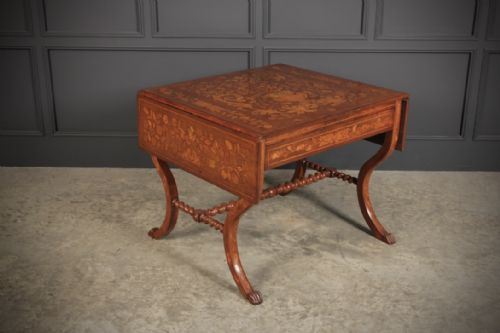
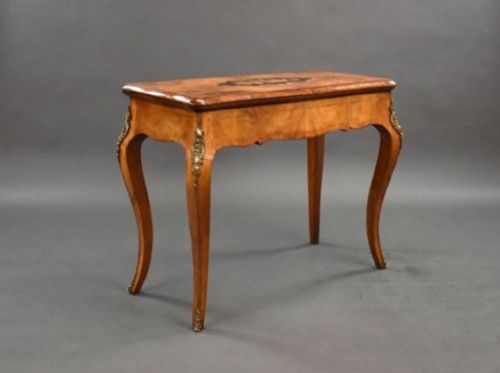
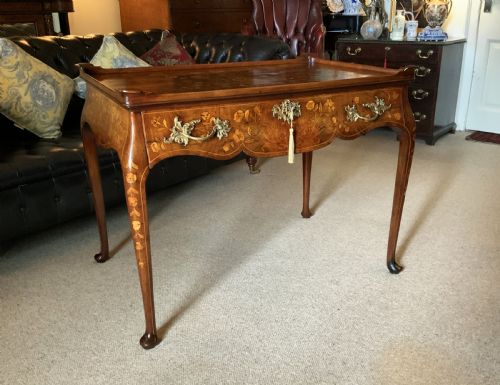
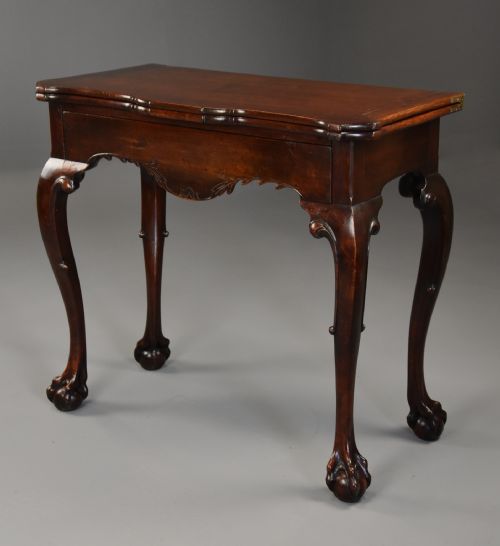


Inlaid Walnut Console Table
When you search for an inlaid walnut console table, you are looking at decorative furniture combining rich timber with intricate surface patterns, originating mainly from the eighteenth and nineteenth centuries.
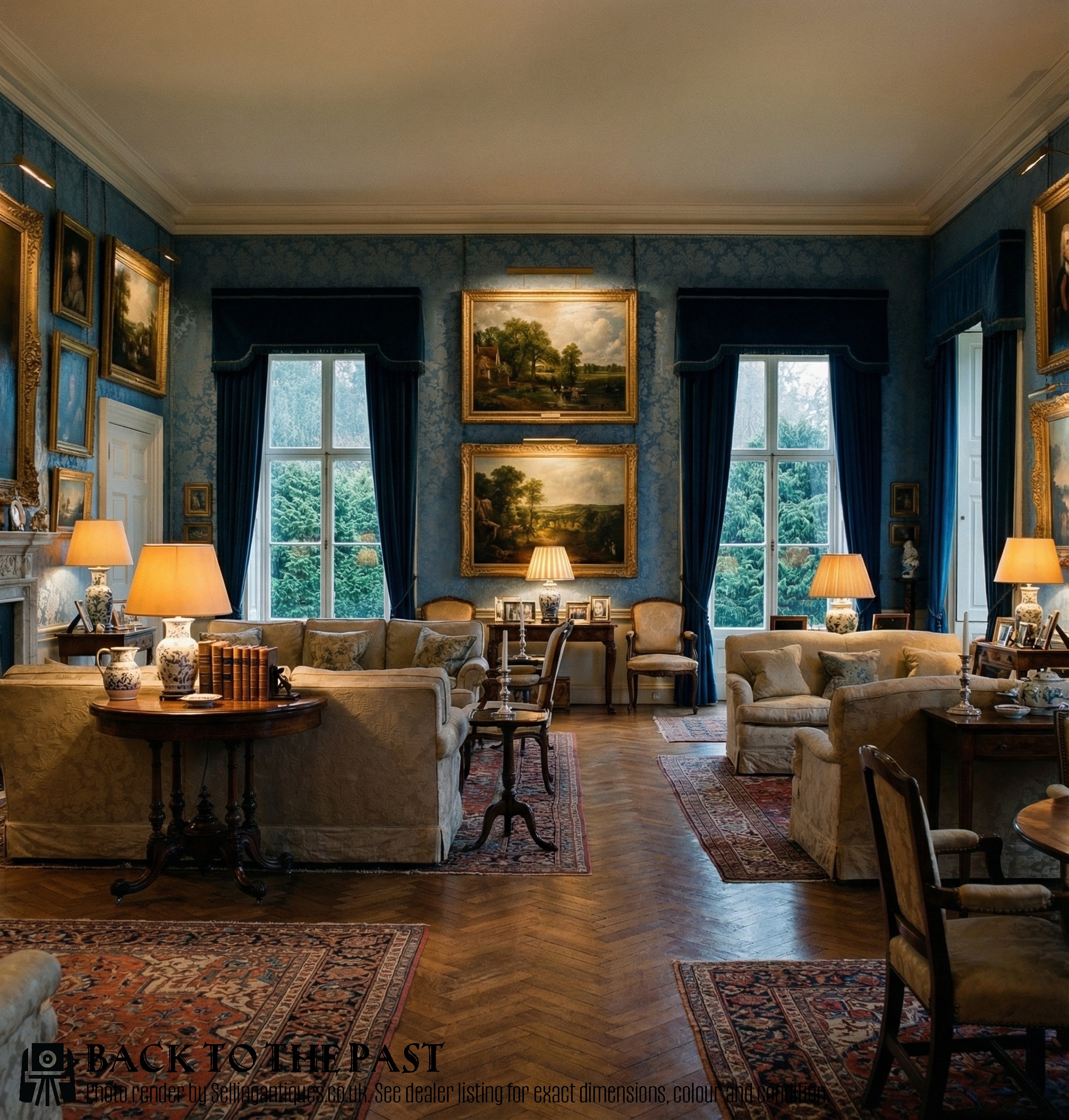
Inlaid Walnut Console Table
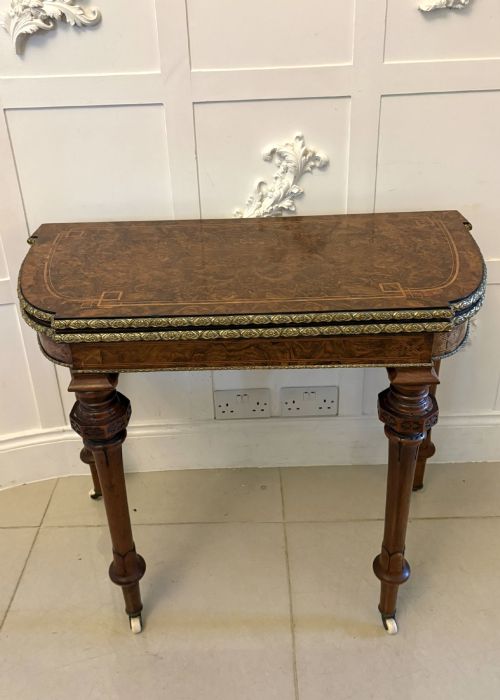
An inlaid walnut console table stands against a wall or functions centrally, often taking the form of card tables, writing desks, and folding games surfaces rather than simple flat ledges. The evidence shows these pieces span the eighteenth and nineteenth centuries, with a particularly strong representation from the Victorian era.
Makers and craftsmen utilised burr walnut, plain walnut, and exotic woods to build these forms, frequently incorporating folding tops that conceal baize-lined playing surfaces. Alongside dedicated console tables, the surviving examples frequently merge functions, appearing as side tables, pier tables, and multi-use card tables.
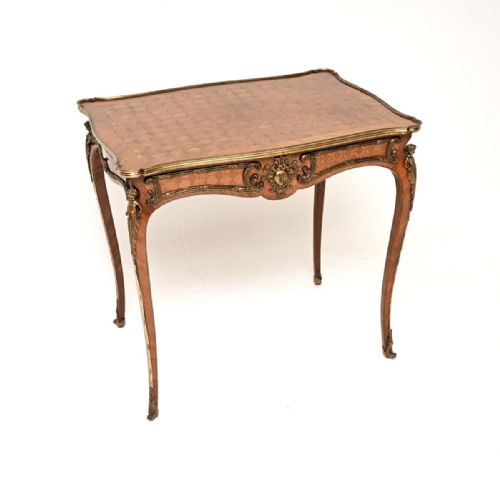
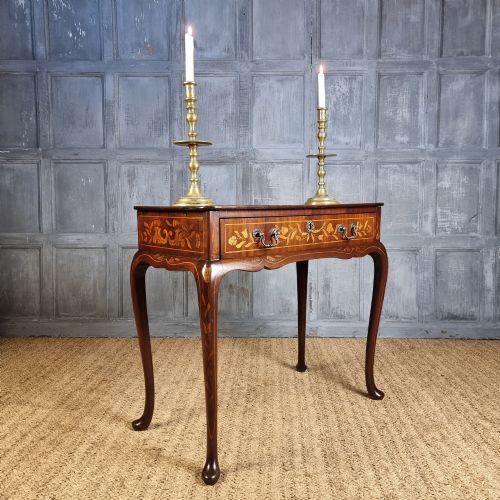
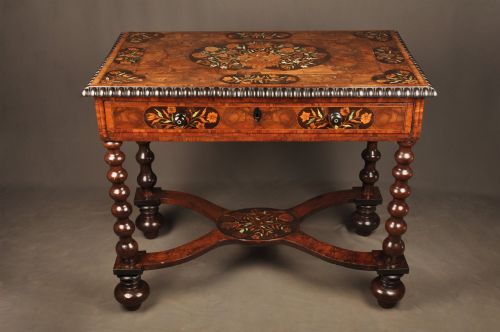
Originating across Britain, France, Italy, and the Netherlands, these tables reflect diverse regional aesthetics ranging from Dutch Baroque and Rococo Revival to French Empire and Neoclassical styles. Buyers will frequently encounter Victorian pieces featuring elaborate floral marquetry alongside continental examples with marble tops and ormolu mounts.
How they were made
Makers constructed the primary carcase using solid walnut or structural pine veneered with figured burr walnut, applying contrasting timbers for decorative effect. Craftsmen embedded boxwood, fruitwood, kingwood, and maple directly into the walnut ground to form intricate marquetry and parquetry patterns.
Detailed floral sprays, birds, and geometric borders required meticulous hand-cutting of veneers using a fretsaw before pressing them into the timber base. Gilt bronze and ormolu mounts, along with brass stringing and occasional silver tops, were secured to accentuate the structural lines of the console and card tables.
Inlaid Walnut Console Table Retail Price Guide 2026
Typical asking prices for inlaid walnut console table among the pieces listed under this phrase on Sellingantiques today, from the lower quarter to the upper quarter. They describe what is for sale here now, not the wider market.
Some nineteenth-century card tables double as discreet hiding spots for secret love letters beneath their folding tops.
What varies in quality
The sophistication of the marquetry design and the natural figuring of the burr walnut determine the visual impact of the piece. Crispness in the execution of floral inlays and the precise alignment of contrasting wood grains separate standard production from exhibition pieces.
The inclusion of cast ormolu mounts, quality secondary timbers, and well-engineered folding mechanisms indicate superior workshop standards. Finer tables maintain tight joinery in the serpentine or demi-lune curves without warping across the primary walnut surfaces.
Pietro Ferrario·Gillows
The Inlaid Walnut Console Table Glossary
- Marquetry
- Inlay technique where pieces of various coloured woods are assembled to form pictorial or decorative motifs. This method creates the floral and bird designs seen across many Victorian and continental tables.
- Burr walnut
- Highly figured wood obtained from the abnormal growth or burl of a walnut tree. It yields swirling patterns prized for table tops and cabinet fronts.
- Ormolu
- Gilt bronze ornament applied to furniture mounts and feet. It provides metallic contrast against dark walnut timber.
- Parquetry
- Geometric mosaic of wood pieces used for repeating surface patterns. It differs from marquetry by relying on angular shapes rather than pictorial designs.
- Demi-lune
- Half-moon shape characteristic of console tables designed to sit flush against a wall. This profile suits narrow hallways and pier spaces.
Inlaid Walnut Console Table: Frequently Asked Questions
What is a console table?
A console table is a wall-mounted or freestanding side table designed to stand against a flat surface, often fitted with a decorative top.
In historical interiors, these tables occupied hallways and drawing rooms, frequently doubling as card or writing surfaces.
How do I spot burr walnut?
Burr walnut is distinguished by its swirling, highly textured grain patterns filled with small circular nodes and knot clusters.
It was sliced into thin veneers and laid over a stable timber base to create decorative focal points on table tops.
Can I use these for games?
Many surviving walnut tables feature fold-over tops designed specifically for card games and social gatherings.
Opening the top reveals an internal surface, occasionally lined with baize, making these historical pieces practical for modern use.
How do I care for walnut?
Walnut furniture requires protection from direct sunlight and extreme humidity shifts to prevent the wood from drying or splitting.
Regular dusting with a dry cloth and occasional application of appropriate wax preserves the historical patina.