


Inlaid Walnut Clock
An inlaid walnut clock brings deep figured timber and delicate marquetry into a room, offering centuries of horological craft.
Inlaid Walnut Clock
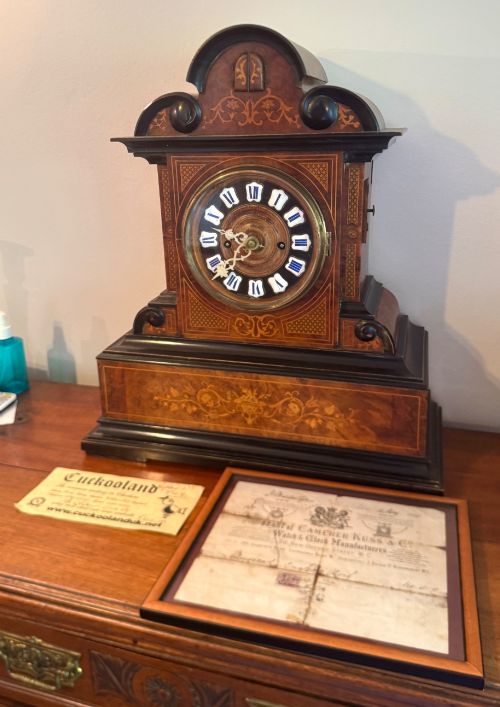
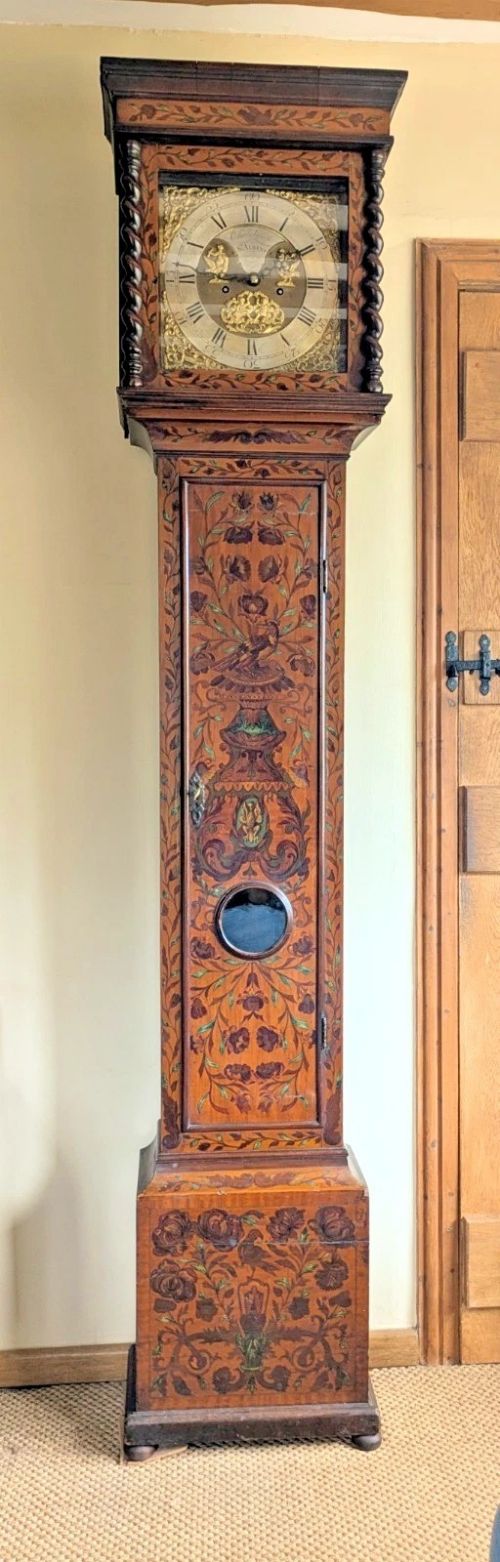
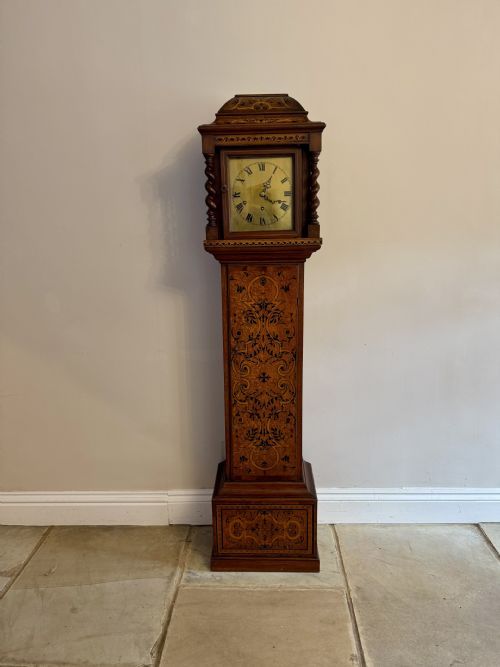
An inlaid walnut clock combines precision timekeeping with decorative woodworking across multiple centuries of design. You will encounter everything from tall longcase clocks to compact mantel clocks and wall-hung drop dial variants.
The pieces on this page span the seventeenth, eighteenth, and nineteenth centuries, including William and Mary, Victorian, Edwardian, and Early Georgian periods. Longcase clocks and wall clocks form the majority of the examples seen here.
Makers from London and regional workshops produced these pieces using burr walnut, fruitwood, and contrasting marquetry. Each object records the shifting tastes of British and American clockmaking through distinct case designs.
What varies in quality
The crispness of the marquetry inlay and the depth of figure in the walnut veneer separate standard production from masterwork pieces. Superior examples display tightly balanced floral panels and carefully selected grain that wraps naturally around the corners of the case.
Horological refinement also defines the hierarchy, distinguishing simpler wall dials from musical longcase movements signed by noted makers. The integration of the movement into the case, alongside original brass fittings and dial work, determines the standing of the clock.
Some nineteenth-century wall clocks quietly ticked in American parlours before finding their way onto British walls.
Charles Louch St. Albans·Nathaniel Pyne·Edward Stanton·Peter Wise·Henry Massy·Richard Baker
The Inlaid Walnut Clock Glossary
- Marquetry inlay
- Decorative woodwork created by fitting small pieces of veneer into a prepared background to form pictorial patterns. This technique frequently depicts floral or botanical motifs on seventeenth and eighteenth-century clock cases.
- Longcase clock
- A tall pendulum clock housed in a wooden tower consisting of a hood, trunk, and base. Often referred to as a grandfather clock, this form protects the hanging weights and long pendulum.
- Drop dial wall clock
- A wall-mounted timepiece featuring an extended lower case beneath the circular dial. This form became popular during the nineteenth century for commercial and domestic interiors.
- Burr walnut
- Timber taken from the growth excrescence of a walnut tree, yielding highly turbulent and decorative grain patterns. Cabinetmakers prized this material for veneering prominent door and trunk panels.
- Ebonised wood
- Timber treated with a dark stain or finish to imitate ebony. Clockmakers used this process to create sharp visual contrast against lighter walnut and marquetry sections.
Inlaid Walnut Clock: Frequently Asked Questions
Where should I place an inlaid walnut clock?
Keep walnut timepieces away from direct sunlight and strong heat sources such as radiators. Stable room temperatures prevent the walnut veneer and marquetry from drying out or lifting over time.
Ensure the floor or wall mounting is entirely rigid so the pendulum swings evenly without interference.
How do I identify the period of a walnut clock?
Examine the construction of the case, the style of the dial, and the complexity of the marquetry work. Seventeenth-century pieces often feature narrower proportions and intricate floral panels, while Victorian and Edwardian examples show heavier mouldings or American wall dial formats.
Signatures on the dial or movement backplate often point to active working dates of the maker.
What maintenance does the movement need?
Mechanical clocks require periodic cleaning and oiling by a professional horologist every few years. Dust accumulation and old lubricants can slow the brass gear train and cause unnecessary wear.
Keep the glass door closed to protect the dial and hands from accidental knocks.