
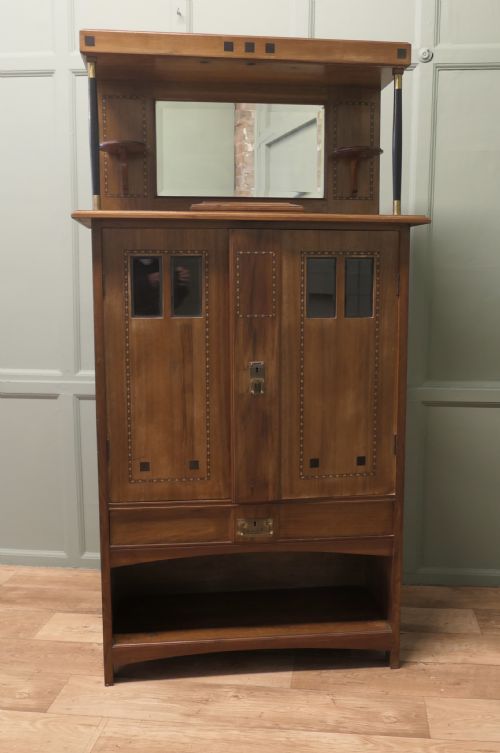
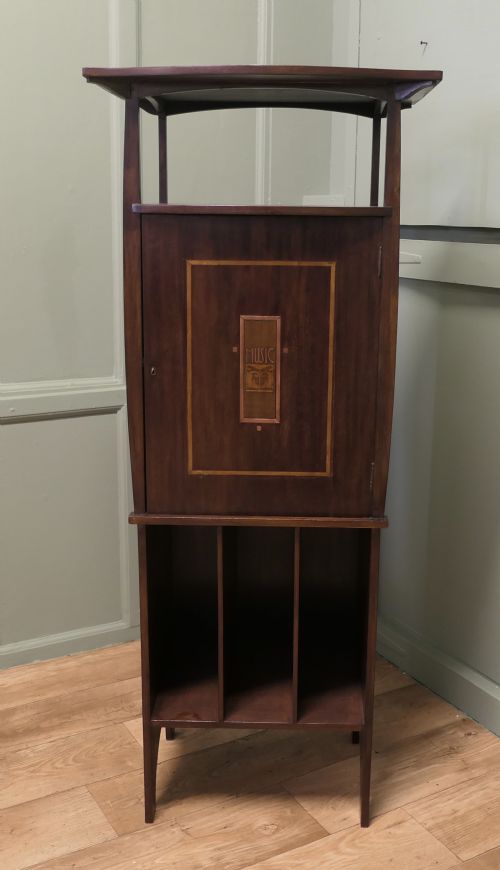
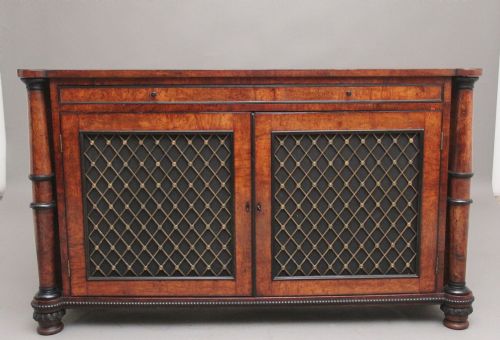
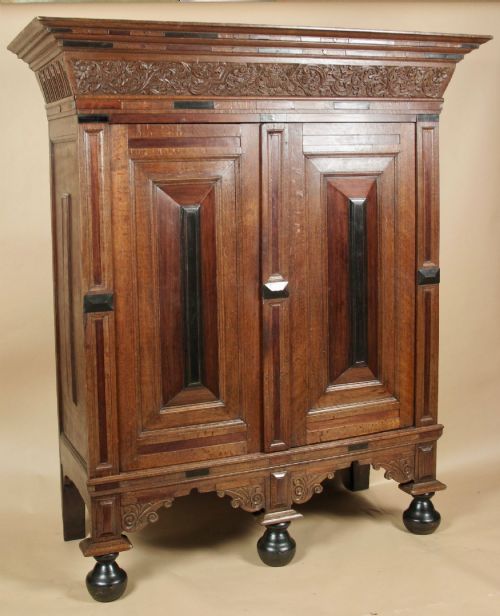

Inlaid Oak Cabinet
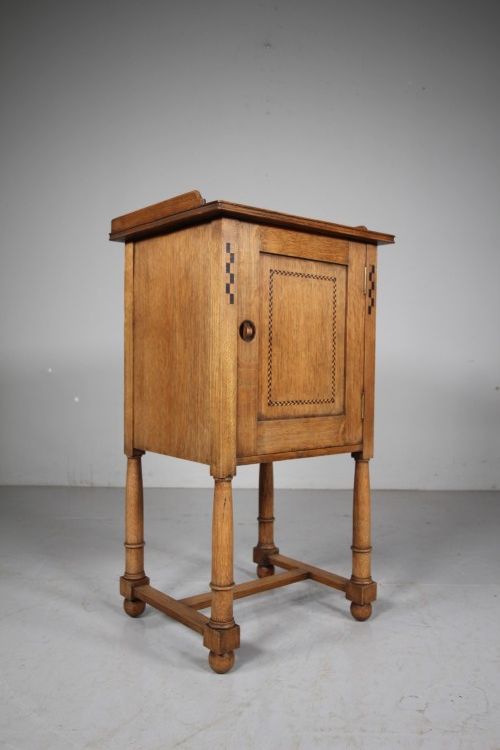
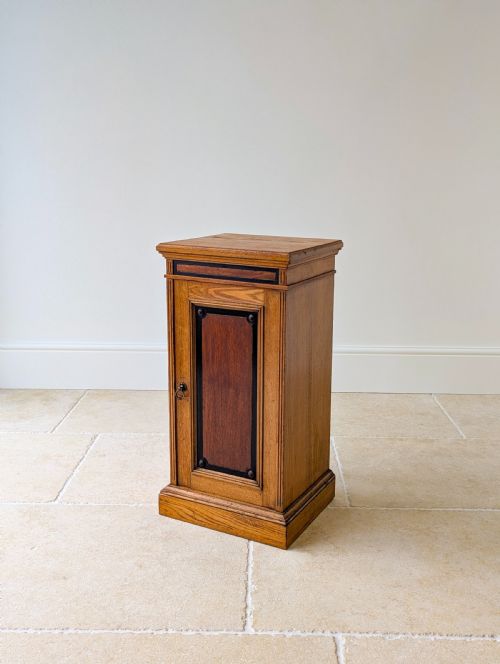
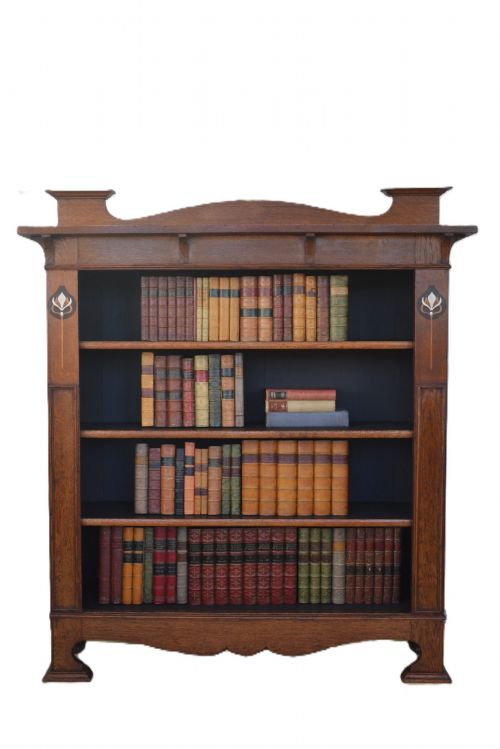
An inlaid oak cabinet brings together rich timber and precise decorative banding, offering both practical storage and strong period character.
Identifying your inlaid oak cabinet
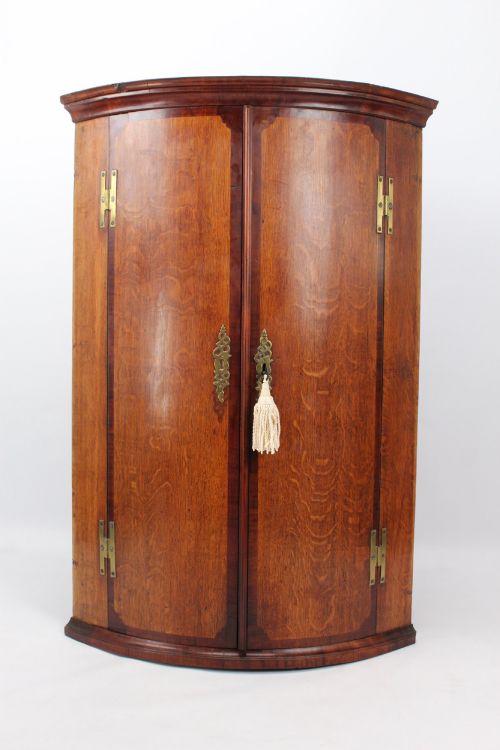
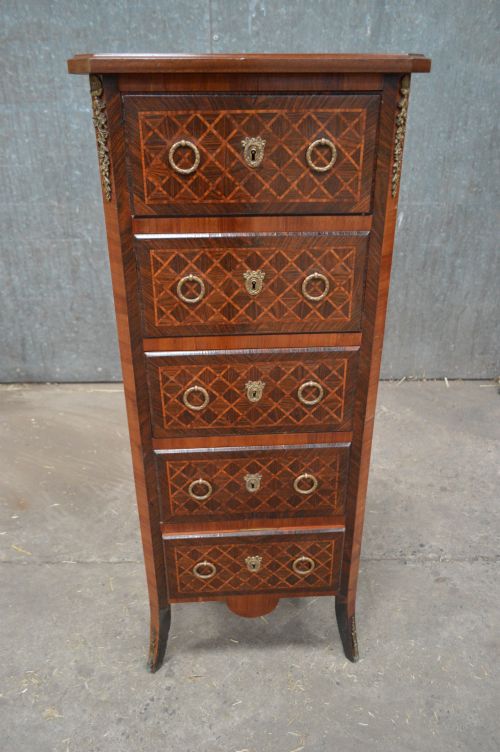
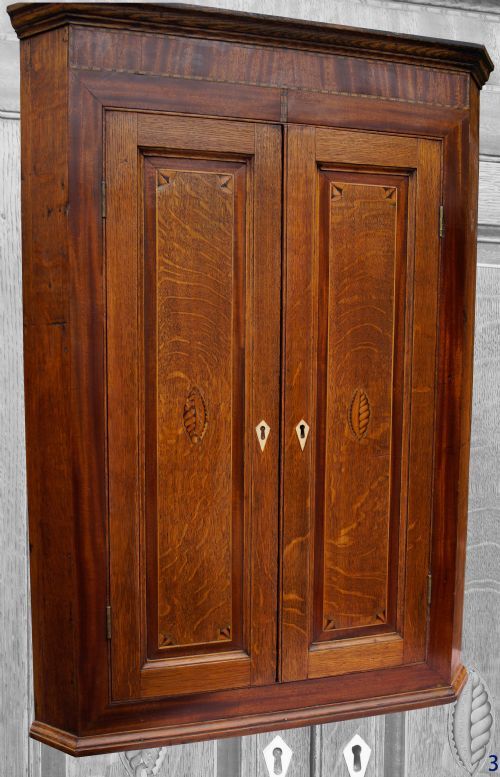
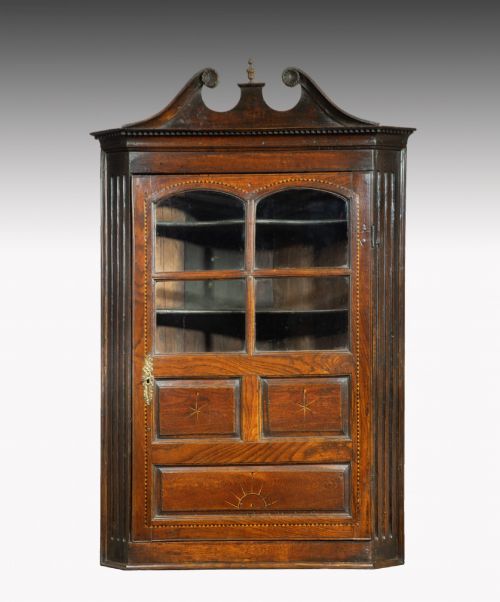
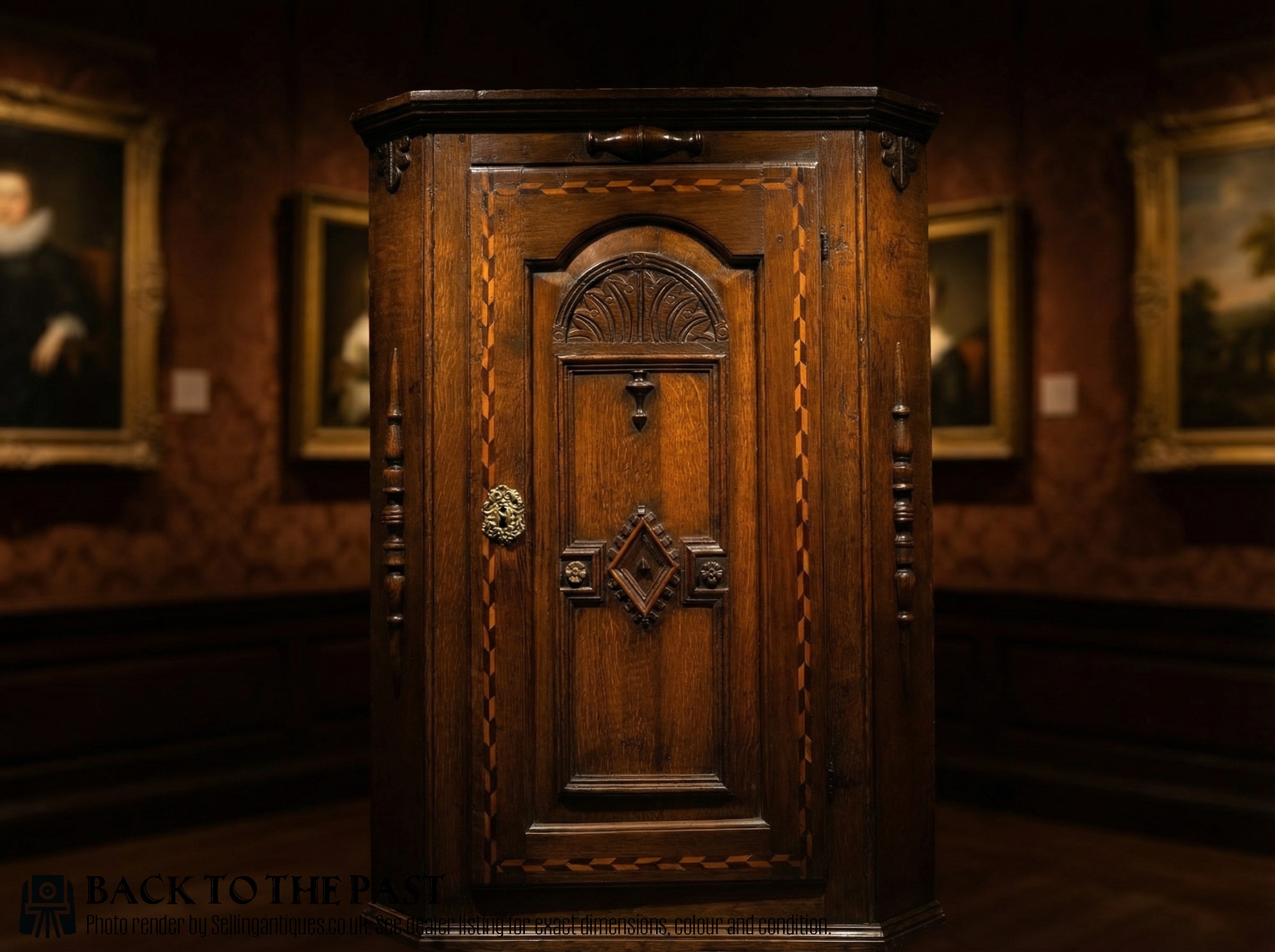
An inlaid oak cabinet encompasses a variety of forms designed for domestic storage and display, ranging from hanging corner cupboards to substantial sideboards and bookcases. When exploring these pieces, the most common format you will encounter is the corner cupboard, often produced during the eighteenth and nineteenth centuries.
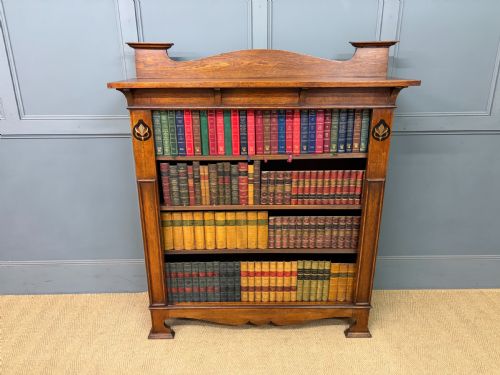
The selection spans several distinct eras and stylistic movements, including early Georgian pieces, Victorian architectural revivals, and pieces created during the Arts and Crafts period. These items were originally built for country houses and town residences alike, serving as functional furniture for dining rooms, kitchens, and living spaces.
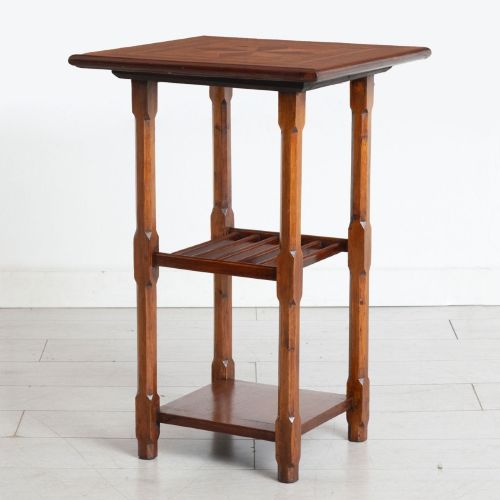
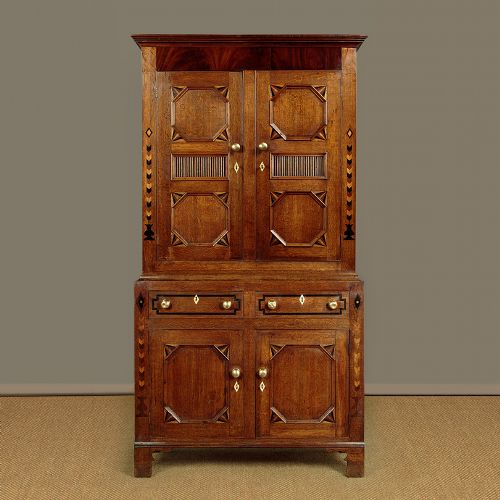
The use of contrasting timbers for surface decoration defines the group, creating visual interest upon the dark grain of the primary wood. Whether configured with a bowfront, a double set of doors, or as part of a two-part dining room arrangement, each piece displays the domestic utility of its period.
Materials and construction methods
The primary carcass construction relies upon sturdy oak, chosen for its durability and prominent grain pattern. Artisans combined this foundational timber with secondary woods and contrasting inlays, frequently incorporating fruitwood, satinwood, mahogany, brass, copper, and glass.
Decorative surfaces utilise marquetry and wood inlay techniques to form geometric patterns, floral motifs, or banding around doors and panels. Joinery methods reflect traditional cabinet-making standards of the seventeenth, eighteenth, and nineteenth centuries, ensuring structural longevity alongside ornamental detail.
Retail Price Guide 2026
Typical UK retail prices for inlaid oak cabinet, calculated from the Sellingantiques database of over a million retail prices indexed since 2003. This retail price guide relies exclusively on Sellingantiques data; no external sources or auction records are used, so the figures do not describe the wider market.
Several corner cupboards were cleverly constructed with curved bowfronts to trick the eye and soften rigid room angles.
Evaluating standard and craftsmanship
Differences across the range lie in the precision of the cabinet work and the complexity of the decorative inlay. Superior examples demonstrate tight joints, well-figured timber selection, and intricate contrasting wood banding that remains flush with the surrounding surface.
The sophistication of the hardware and interior fittings also separates standard utility pieces from finer commissions. Original brass hinges, functioning locks, and thoughtful interior shelving or inner decoration elevate the overall execution of the work.
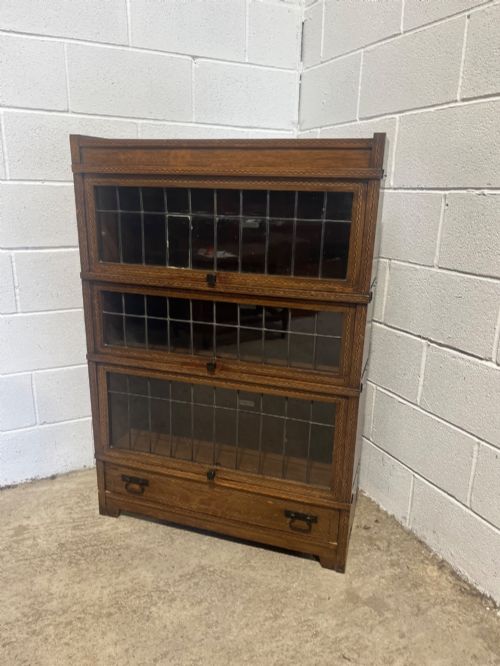
Shapland and Petter·Bath Cabinet Makers
The Inlaid Oak Cabinet Glossary
- Marquetry Inlay
- The technique of applying small pieces of veneer to a structure to form decorative patterns or pictures. This method creates pictorial or geometric designs on cabinet doors and drawer fronts.
- Corner Cupboard
- A storage unit constructed with an angled back designed to fit neatly into the corner of a room. These can be freestanding or made as hanging wall cabinets.
- Arts and Crafts
- A design movement of the late nineteenth century emphasising handcraftsmanship and traditional materials. Pieces from this era often display simplified forms combined with honest construction and subtle metal details.
- Bowfront
- A curved front profile that swells outwards towards the centre. This shape adds depth and visual softness to wall-hanging or freestanding cabinets.
- Livery Cupboard
- An early form of storage furniture traditionally used for food and drink provisions. These examples often feature panelled doors and substantial timber frames dating to the seventeenth century.
Frequently Asked Questions
Where should I hang a corner cabinet?
These wall-mounted pieces suit empty room angles in dining rooms, hallways, or kitchens where floor space is limited. They provide compact storage while drawing the eye upward.
Ensure the wall structure can support the weight of solid oak timber and stored items before securing the fixings.
Can I use this as a drinks cabinet?
Many examples function well for storing bottles and glassware, particularly hanging cupboards and small sideboards. The enclosed shelving keeps contents tidy and secure.
Interior depths vary by era, so check the dimensions of taller bottles before placing them inside.
How do I date an oak cabinet?
Dating relies upon examining construction methods, hinge types, timber preparation, and stylistic clues. Eighteenth-century pieces often display pegged joints and hand-planed surfaces.
Inlay styles and secondary woods also offer clear indicators of whether a piece originates from the Georgian period or later Victorian revivals.
What is the difference between marquetry and inlay?
Inlay involves inserting pieces of wood into pre-cut recesses within a solid background timber. Marquetry covers the entire surface with a composed veneer puzzle.
Both techniques create decorative patterns using contrasting materials like satinwood and fruitwood.