


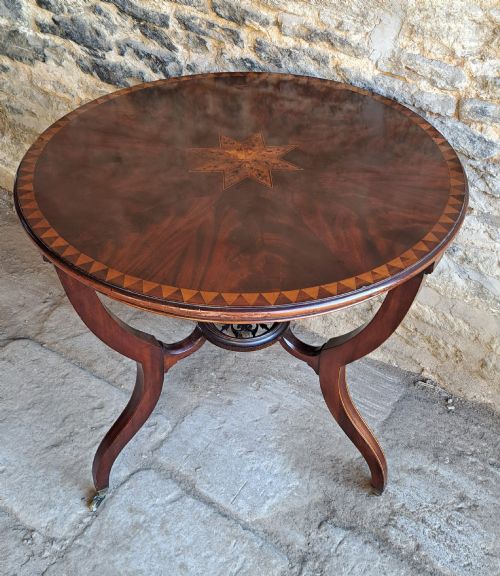
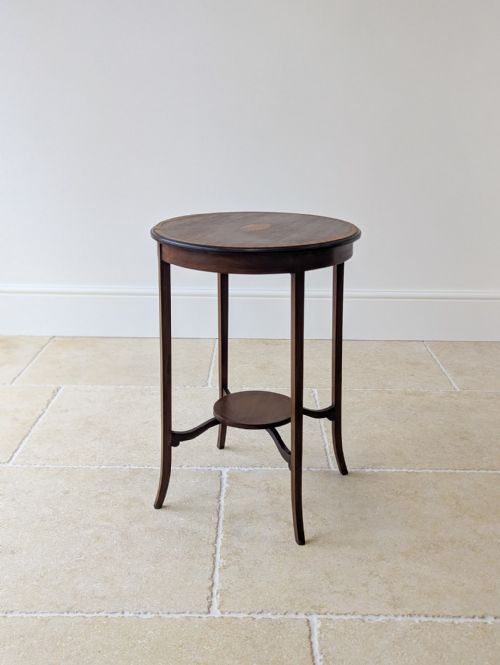
Inlaid Mahogany Lamp Table
An inlaid mahogany lamp table brings warmth and refined surface detail to a sitting room, drawing on Edwardian and Regency traditions.
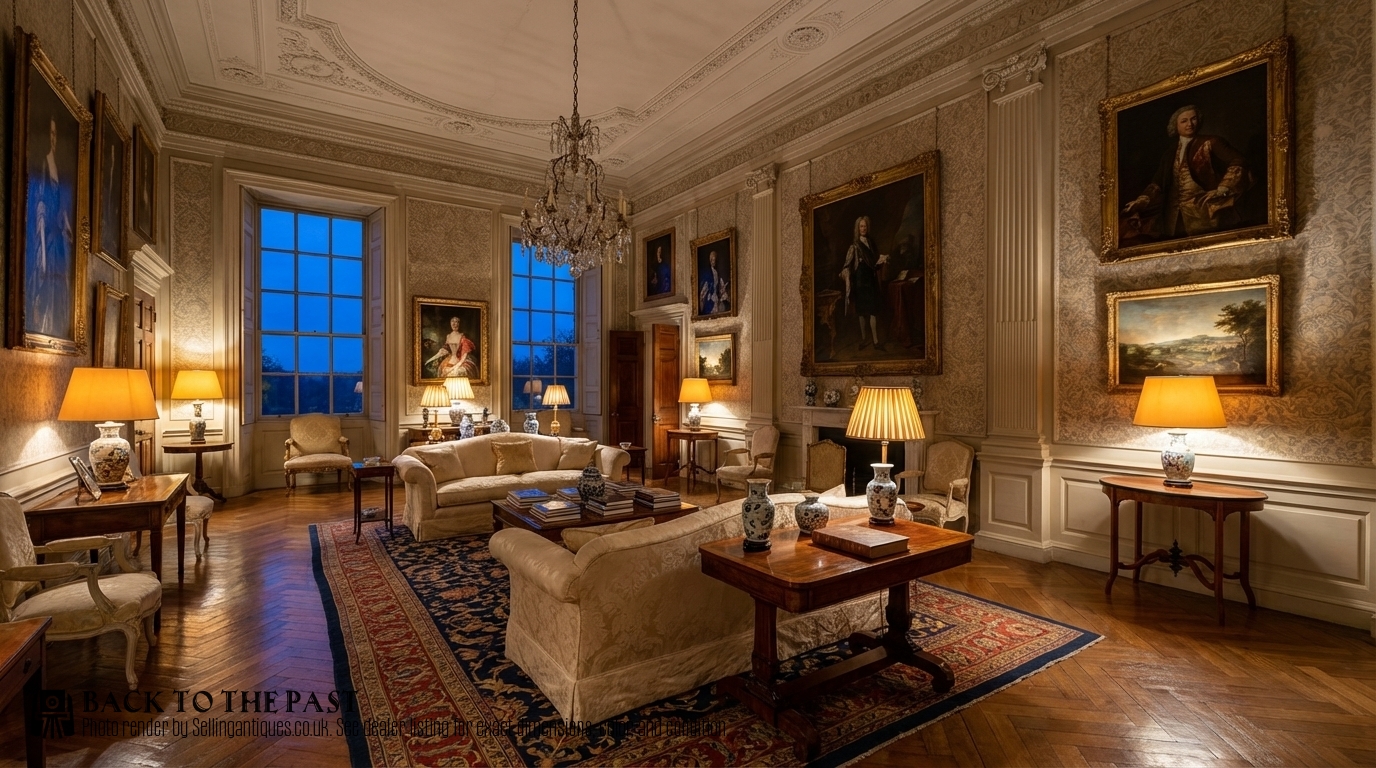
Inlaid Mahogany Lamp Table
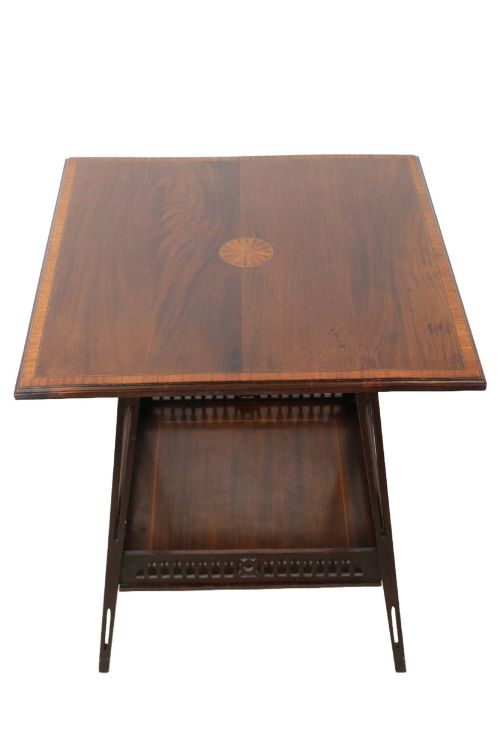
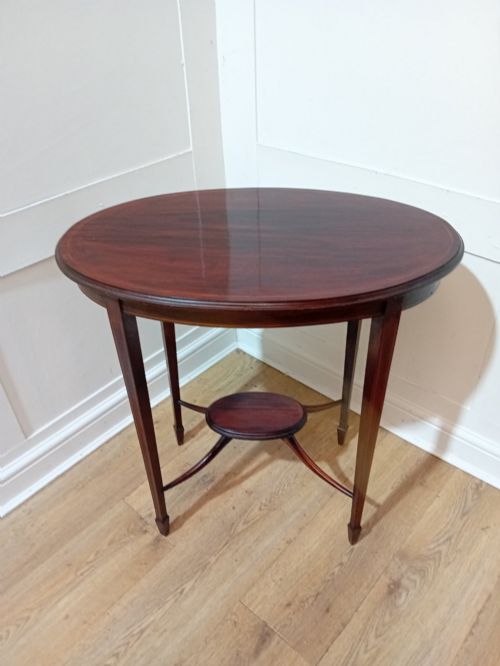
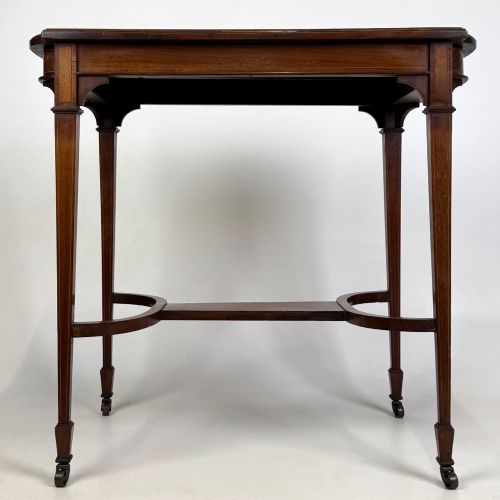
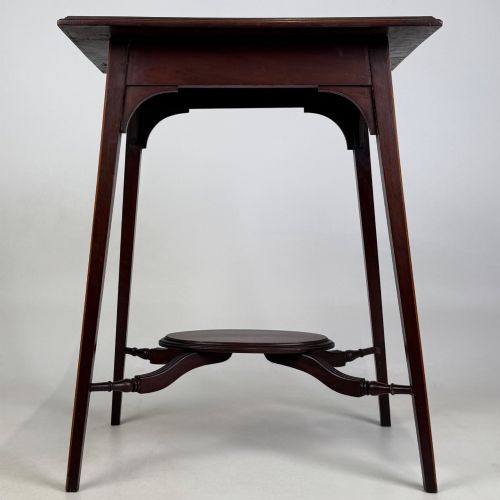
An inlaid mahogany lamp table is a versatile small furnishing designed to hold a light source beside a seating arrangement. These tables appear most frequently as Edwardian pieces reflecting Sheraton Revival tastes, alongside occasional nineteenth-century and Regency examples.
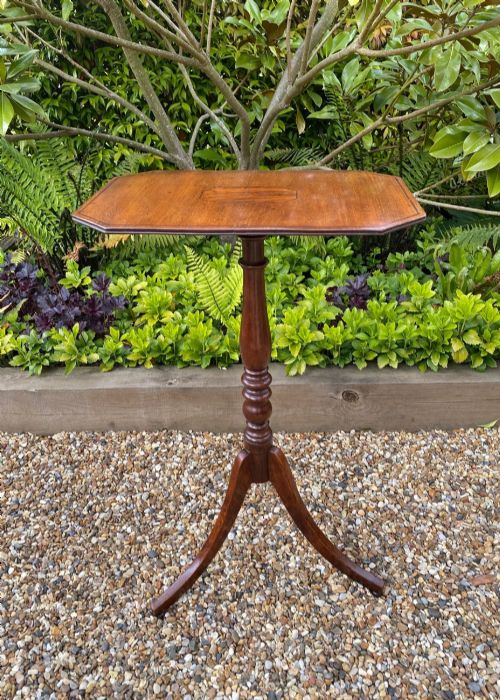
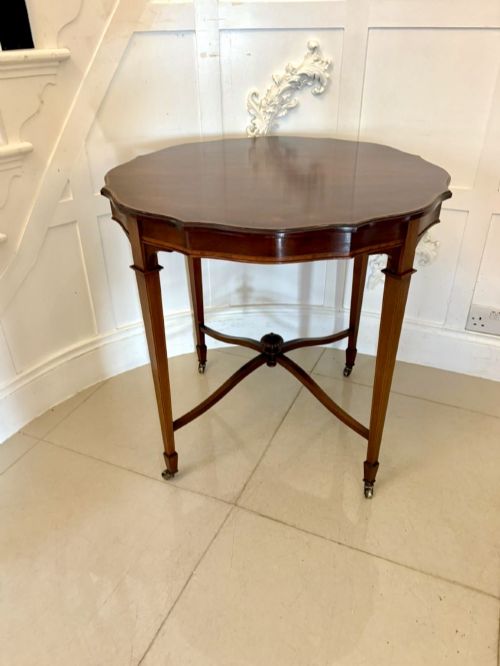
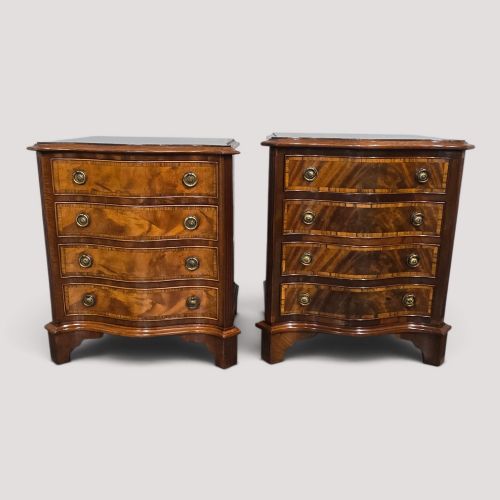
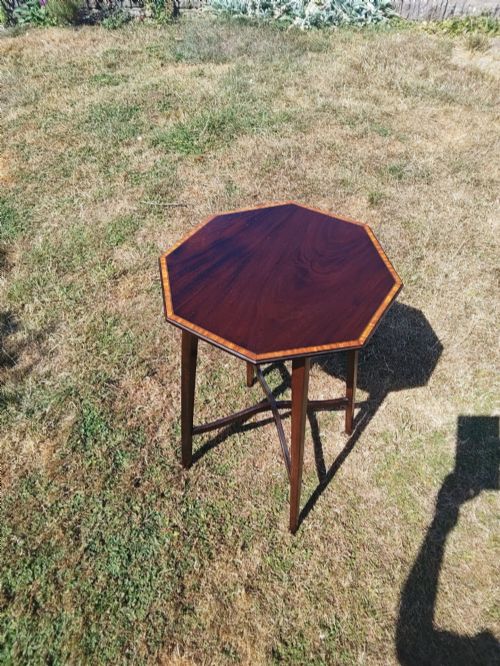
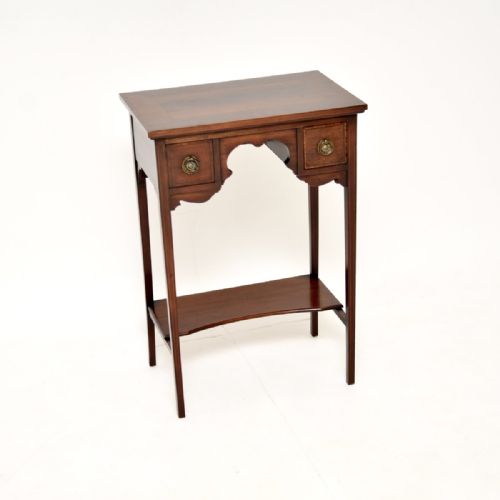
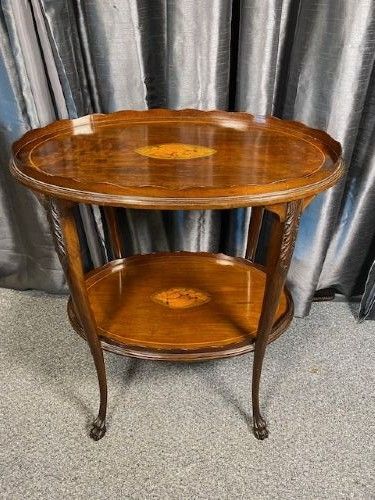
The forms span circular, oval, and octagonal tops, often supported by slender tripod legs or tapered supports. Many examples double as occasional tables, wine tables, or bedside chests.
Makers utilised contrasting timbers for surface decoration, placing these small stands beside armchairs or in hallways to serve practical daily functions.
How They Were Made
The primary carcase construction relies upon solid mahogany or carefully chosen mahogany veneers over secondary timbers. Cabinetmakers worked these woods to create smooth tops and stable frames.
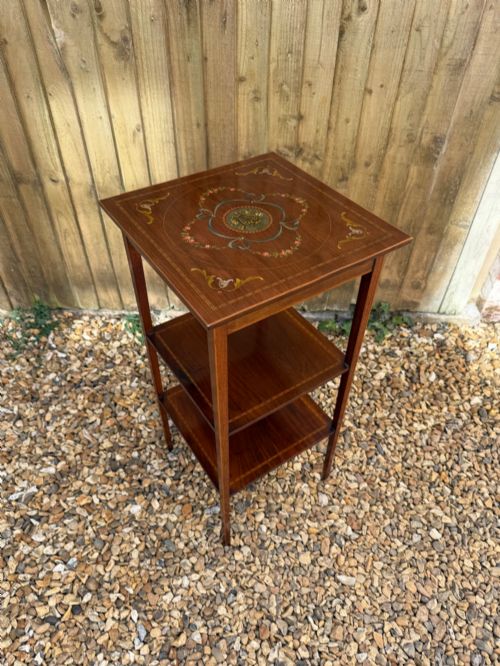
Decorative elements involve precise contrasting inlays using satinwood, boxwood, and ebony. Craftsmen cut recesses into the mahogany surface to embed delicate stringing and classical motifs.
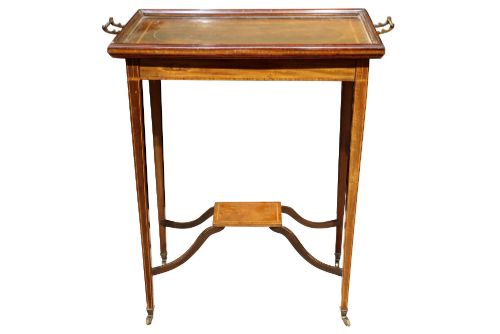
Hardware details such as brass castors or subtle handles appear on specific forms, while edge treatments range from simple moulded rims to raised tray tops.
Inlaid Mahogany Lamp Table Retail Price Guide 2026
Typical asking prices for inlaid mahogany lamp table among the pieces listed under this phrase on Sellingantiques today, from the lower quarter to the upper quarter. They describe what is for sale here now, not the wider market.
The recorded listings span multiple eras, with Edwardian Sheraton Revival pieces and nineteenth-century examples forming the core of available stock.
What Varies in Quality
The refinement of the timber selection dictates the visual depth of the piece, with figured flame grain marking out superior examples. Plain mahogany yields to richly patterned surfaces enhanced by careful polishing.
Inlay execution separates standard production from finer work. Crisp, tight joints in the boxwood and satinwood stringing show the hand of a skilled maker, whereas careless fitting leaves gaps.
Structural stability and the grace of the leg turnings or tripod bases govern the overall balance. Proportion and restraint in the decorative scheme separate finer workshop output from mass production.
Trevor Page & Co·Druce & Co
The Inlaid Mahogany Lamp Table Glossary
- Inlay
- A technique where pieces of contrasting wood are inserted into recesses within a solid surface to create decorative patterns. This method defines the primary ornamentation on these small tables.
- Satinwood
- A pale, lustrous timber utilised extensively for stringing and contrasting panels during the Sheraton Revival period. It provides a bright visual counterpoint to darker mahogany.
- Tripod Table
- A small stand supported by three legs radiating from a central pillar. This format offers stability on uneven floors.
- Tray Top
- A table surface finished with a raised rim or edge to prevent items from sliding off. This feature is common on refined occasional and bedside variants.
- Stringing
- Thin lines of contrasting timber inlaid around the borders of table tops and drawer fronts. It frames the primary wood grain with geometric precision.
Inlaid Mahogany Lamp Table: Frequently Asked Questions
Where should I place an inlaid mahogany lamp table?
These compact pieces fit naturally beside an armchair or sofa where surface space is needed for a reading lamp or small objects. Their finished backs and compact footprints also allow them to stand freely in hallways or corners.
They function equally well as bedside surfaces or display stands in a study, adding warmth to smaller spaces without dominating the room layout.
How do I distinguish Edwardian pieces from earlier periods?
Edwardian examples, particularly those in the Sheraton Revival style, often feature lighter framing, delicate satinwood inlay, and machine-sawn components. They date predominantly from around nineteen hundred.
Earlier nineteenth-century and Regency pieces generally display heavier timber scantlings, deeper hand-cut joinery, and a darker natural patina developed over decades of use.
Can these tables safely hold heavy lamps?
Most pieces are built to support standard table lamps and decorative objects comfortably. Tripod models require placement on firm flooring to ensure the three legs remain stable.
Heavier items should be centered carefully on the top to avoid tipping, particularly on slender or pedestal-supported variants.
What maintenance does the mahogany surface require?
Routine care involves dusting with a dry, soft cloth to prevent grit accumulation on the polished finish. Periodic application of quality beeswax helps preserve the moisture and lustre of the timber.
Direct sunlight and placement near heat sources should be avoided to prevent the mahogany from drying out or the veneer from lifting.