
Edwardian Style Lamp Stand
These pieces for an edwardian style lamp stand bring practical illumination and period character into a room.
Edwardian Style Lamp Stand
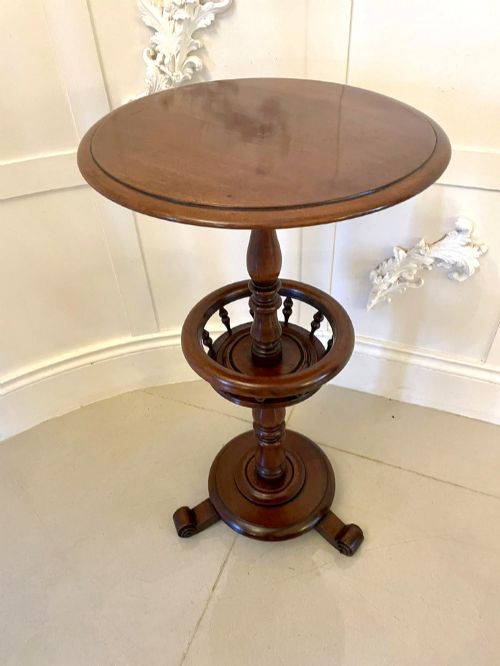
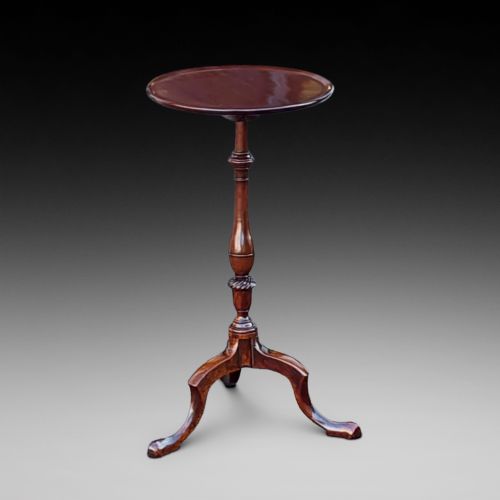
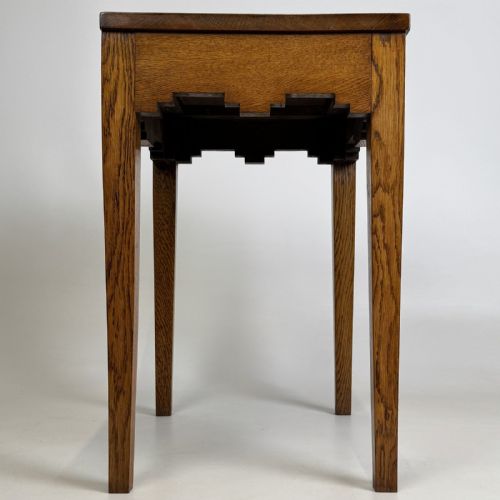
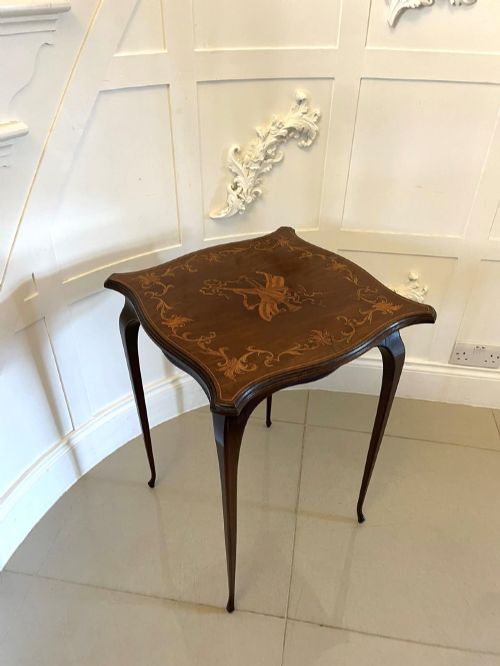
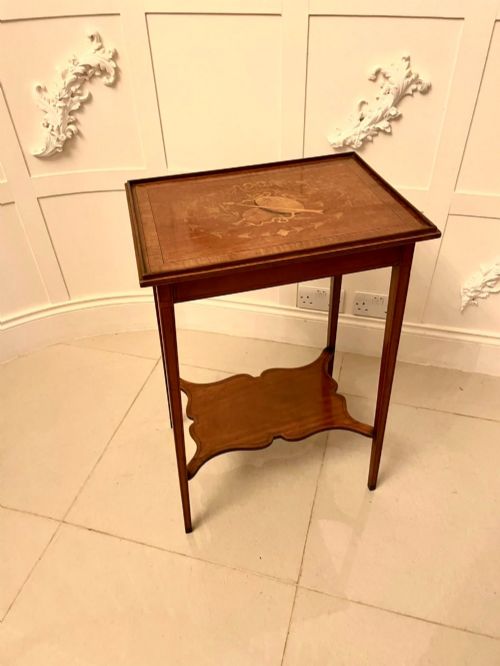
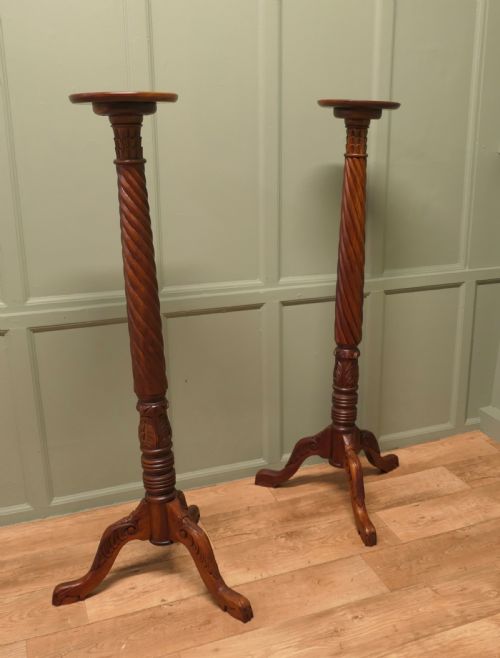
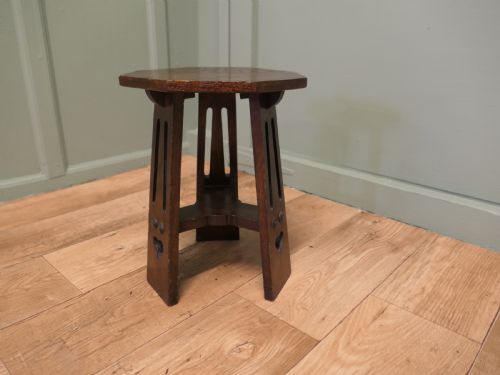
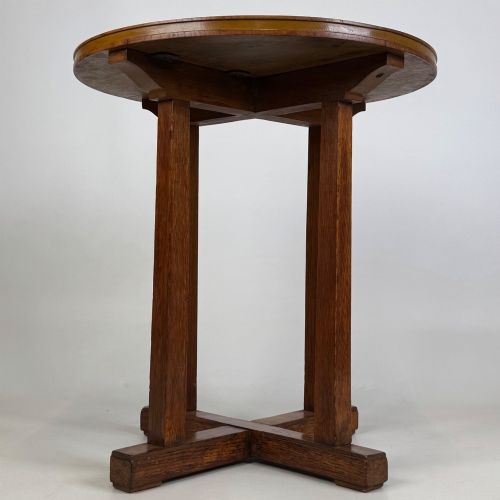
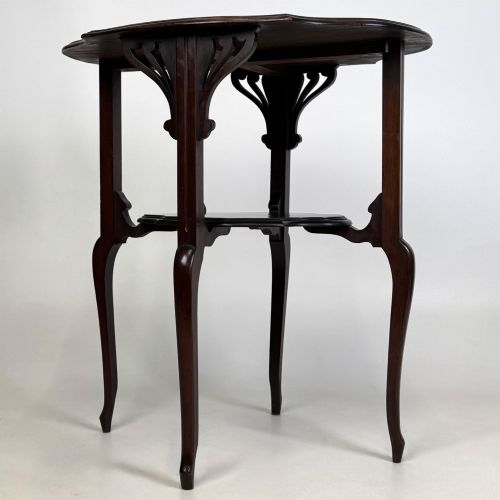
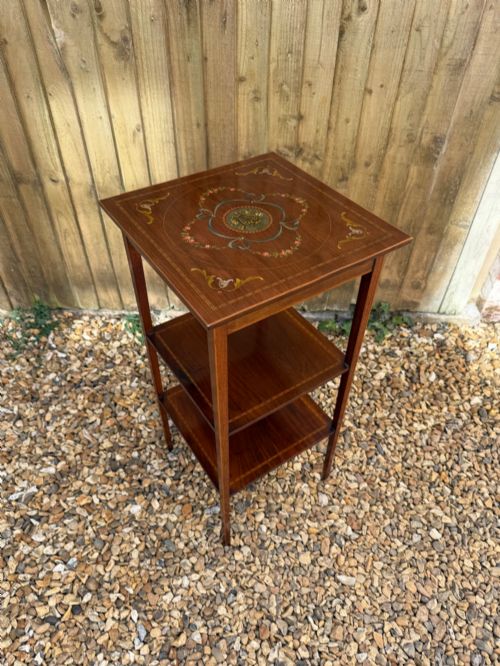
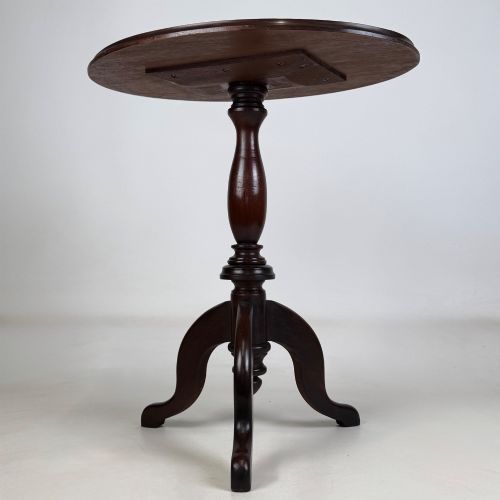
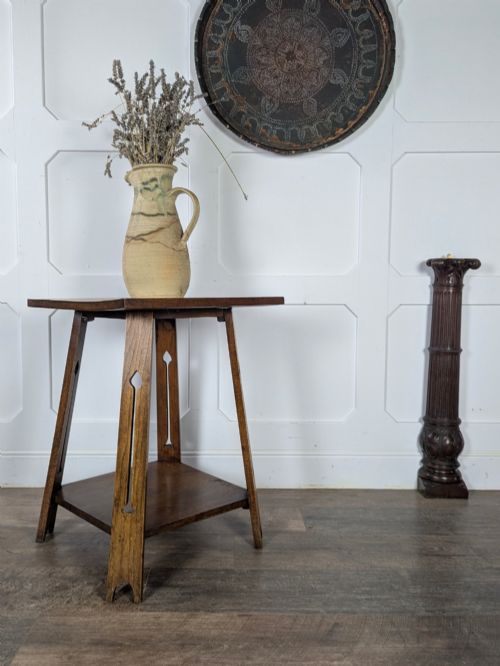
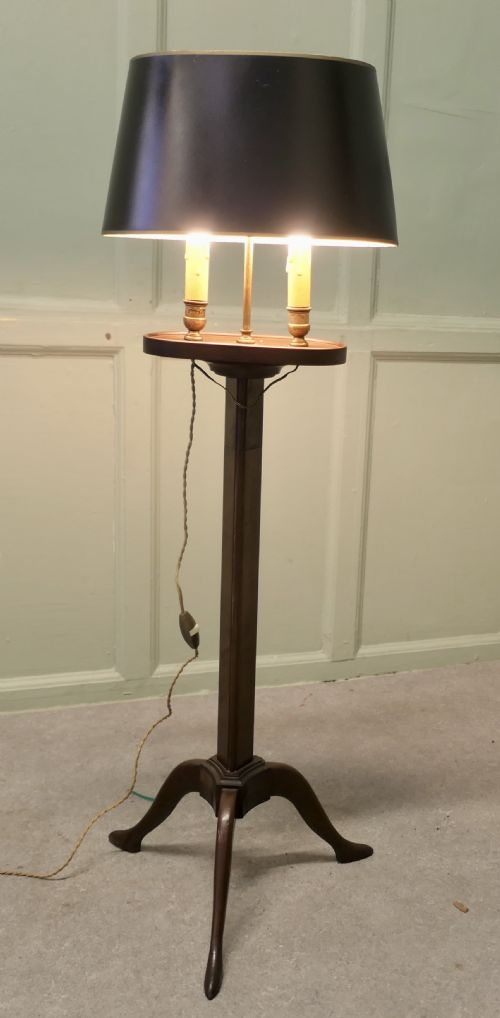
When you search for an edwardian style lamp stand, you encounter a varied selection of floor-standing lights, standard lamps, and table-height surfaces that served domestic interiors from the late nineteenth century into the 1930s. The listings include tall torchere stands, occasional tables, and side tables adapted for illumination, alongside dedicated floor-standing lamps.
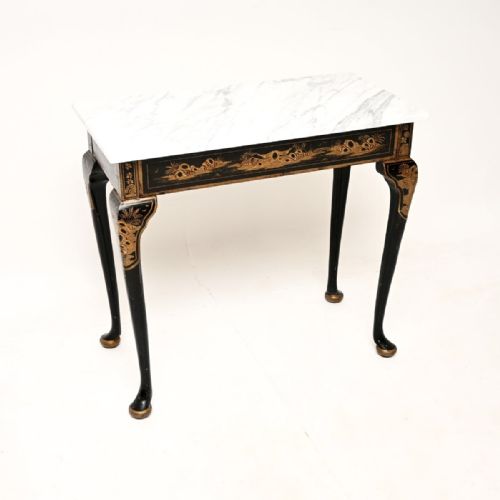
The objects span periods from the Victorian era through the Edwardian years and into the 1920s and 1930s. Stylistic influences vary widely, encompassing Arts and Crafts movement pieces, Sheraton Revival and Chippendale Revival designs, alongside decorative Chinoiserie lacquered finishes.
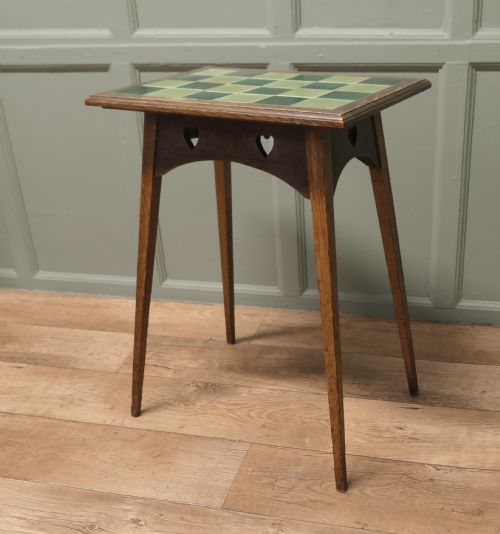
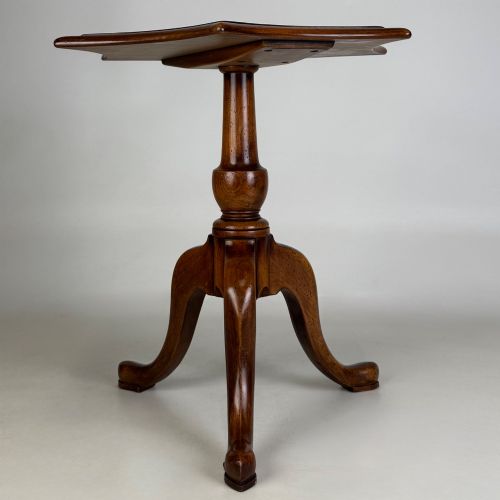
You are most likely to meet standard lamps on tripod bases or wooden lamp tables made of oak and mahogany. These functional items reflect the domestic lighting needs of their period, combining utility with distinct craftsmanship.
Materials and Technique
The construction relies heavily on solid and veneered timbers such as oak, mahogany, satinwood, and walnut, shaped into tables, columns, and tripod bases. Craftspeople employed traditional joinery, turning techniques, and hand-carved detailing, particularly visible in Arts and Crafts and revival pieces.
Surface decoration distinguishes many examples, utilising black lacquer, hand-painted motifs, and fretwork in Chinoiserie and satinwood items. Brass, silver plating, and fabric elements complete the construction of the lighting pieces and standard lamp standards.
Periods represented span from the Victorian era through the Edwardian years up to the 1930s.
Markers of Distinction
The distinction between standard examples and finer pieces rests in the execution of decorative details, such as marquetry inlay, hand-painted Chinoiserie scenes, and carved heart motifs. Superior pieces demonstrate crispness in woodwork and integrity in construction, whether in a solid oak table or a gilt standard lamp.
Material selection and finish also divide the range, with select timbers like figured mahogany and satinwood paired with quality lacquering or metalwork. The integration of design characteristics from recognised aesthetic movements elevates certain pieces above utilitarian household items.
Baillie Scott·Hubert Simpson of Kendal·Liberty and Co
The Edwardian Style Lamp Stand Glossary
- Torchere
- A tall stand designed to hold a light or a decorative object. These slender supports date across the Victorian and Edwardian periods.
- Standard Lamp
- A floor-standing lamp designed to illuminate a room from a vertical post. Listings feature wooden and metal variations from the early twentieth century.
- Chinoiserie
- European decorative style reflecting Chinese artistic traditions, frequently featuring black lacquer and painted details. This style appears on standard lamps and side tables.
- Arts and Crafts
- A design movement emphasising handcraftsmanship and simple forms using natural materials like solid oak. Pieces often feature structural honesty and minimal ornament.
- Satinwood
- A lustrous timber used for fine cabinetmaking and decorative inlay work on Edwardian tables. It provides a pale, golden surface.
Edwardian Style Lamp Stand: Frequently Asked Questions
What is an edwardian style lamp stand?
An edwardian style lamp stand is a functional furnishing designed to support lighting or serve as a small surface beside seating. These items encompass standard lamps, torchere stands, and occasional tables.
They reflect the domestic interiors of the early twentieth century, combining utility with period aesthetics like Arts and Crafts or Chinoiserie decoration.
How do I date an edwardian style lamp stand?
Dating relies on identifying stylistic markers, materials, and construction techniques associated with periods like the late nineteenth century, Edwardian era, or the 1920s. Arts and Crafts pieces often show heavy oak construction, while Chinoiserie items utilise lacquered finishes.
Examining the hardware, wood types, and decorative motifs helps place the piece within its historical era.
Where were these stands used?
These stands were placed in principal rooms of the home, such as drawing rooms, libraries, and parlours, to provide ambient or task lighting. Table versions sat beside chairs for reading materials or small lamps.
Floor-standing standard lamps offered movable illumination before fixed electrical wiring became standard in every corner of a room.
What woods are common?
Oak and mahogany are the predominant timbers found across these listings, appearing in both solid and veneered forms. Satinwood and walnut also feature in specific decorative pieces.
These timbers were chosen for their durability and their suitability for polishing, carving, or receiving painted finishes.
Can I use modern bulbs?
Many standard lamps and lamp tables have been adapted for contemporary electrical use while retaining their period frames. It is advisable to have older wiring checked by a professional electrician.
The physical structure of the stand remains independent of the modern bulb and shade fitted to the top.