

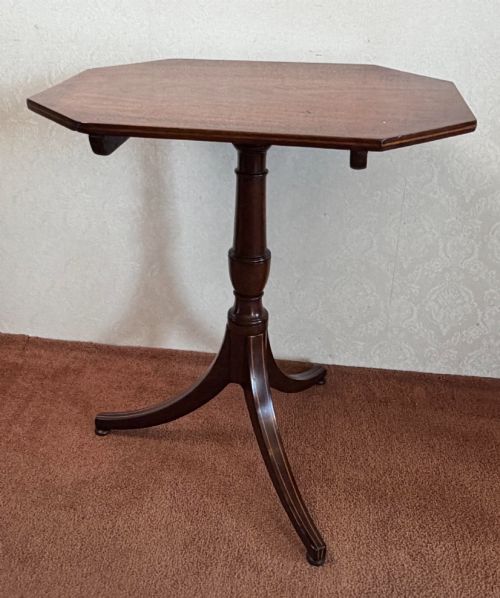

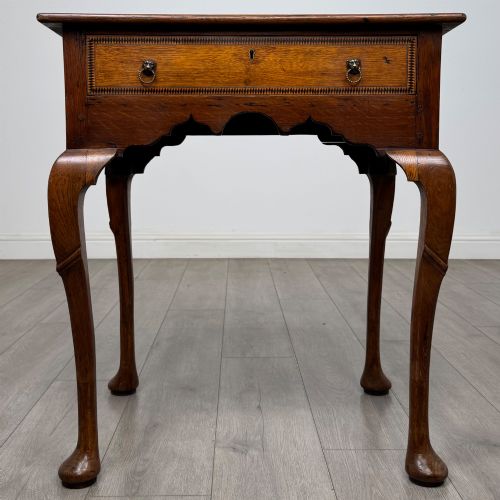
Inlaid Georgian Occasional Table
An inlaid georgian occasional table brings refined period woodwork and delicate decorative banding directly into a room.
Inlaid Georgian Occasional Table
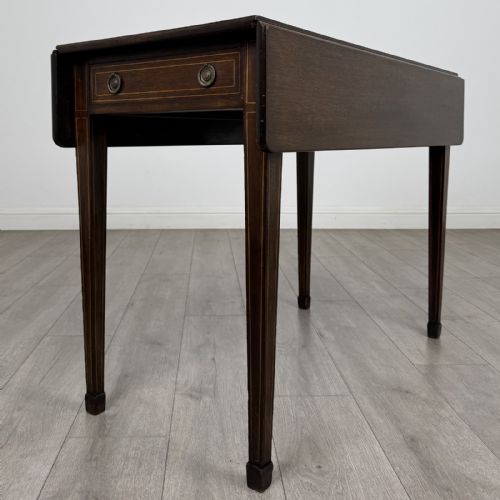
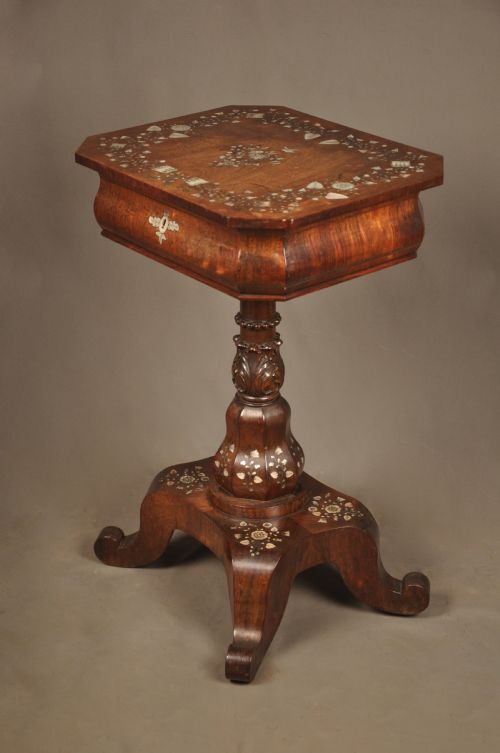
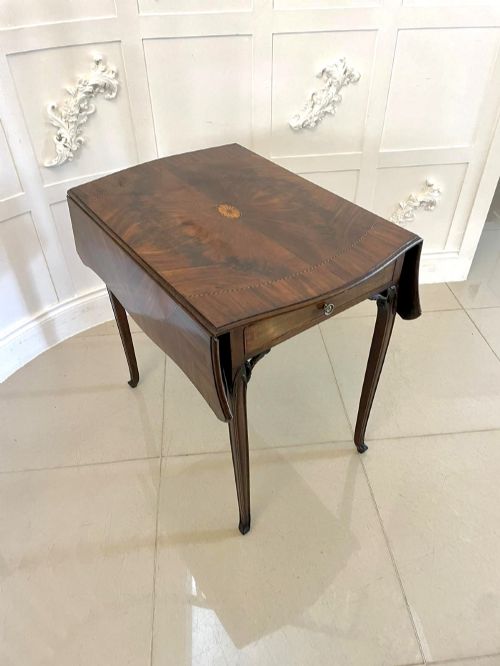
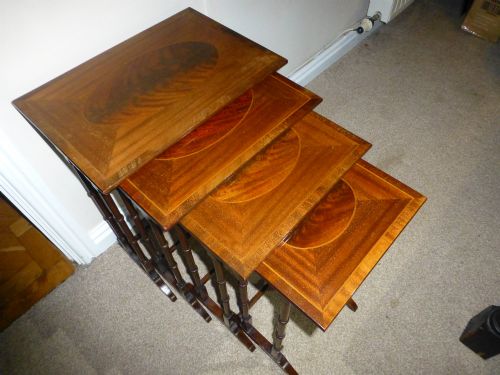
When you search for an inlaid georgian occasional table, you encounter a variety of compact forms designed for versatile placement, including pembroke tables, wine tables, side tables, and nests of tables. These pieces span the eighteenth century into the regency era, alongside later revival interpretations from the Edwardian period.
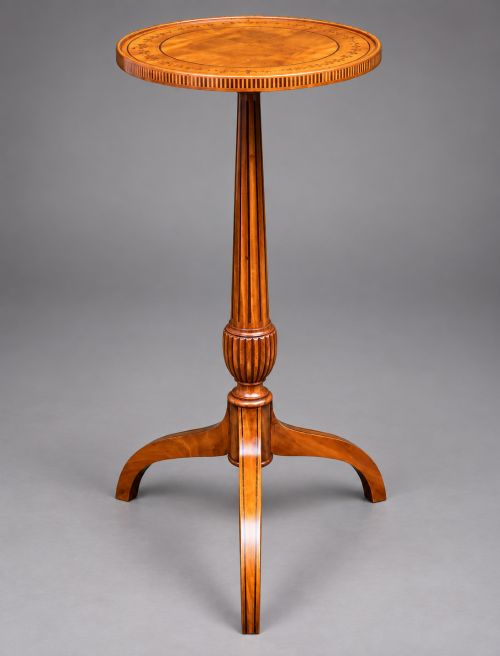
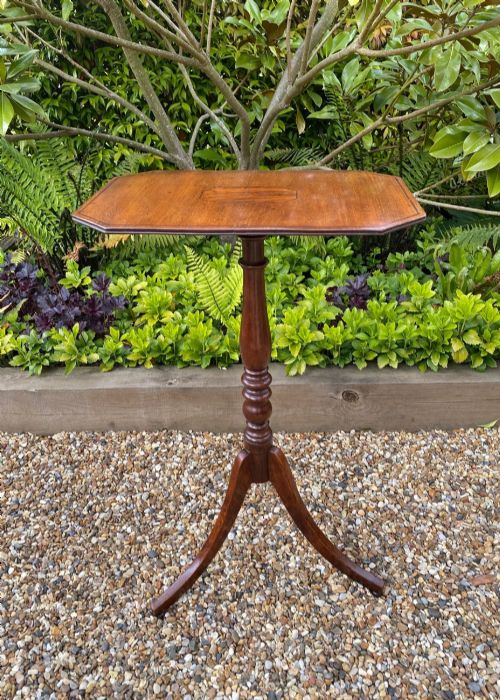
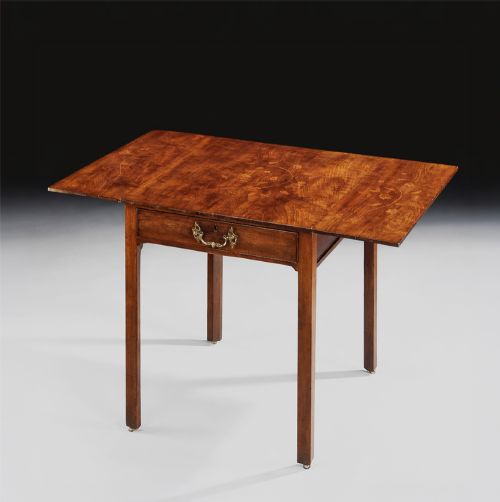
The primary forms you are most likely to meet on this page are pembroke tables with drop leaves and tripod tables with circular tops. Mahogany forms the backbone of these listings, frequently accompanied by satinwood, rosewood, and walnut.
Makers and craftsmen of the period utilised timber and stringing to produce practical furniture for tea, writing, and display. The regional variations stretch from English workshops to Scottish and Dutch production.
Materials and Construction
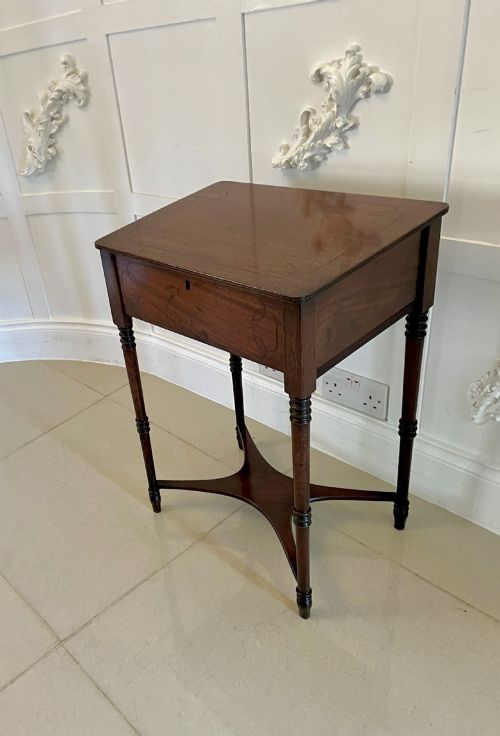
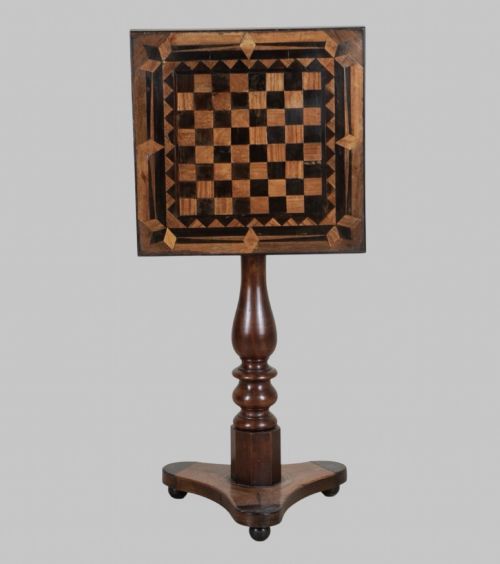
Cabinet makers built these tables using solid timber carcases and fine veneers, selecting mahogany, satinwood, and rosewood for their grain and colour. Marquetry and wood inlay, including boxwood and harewood, form geometric or floral motifs across the tops and legs.
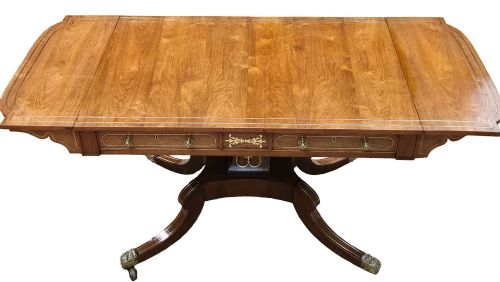
Brass stringing and inlay appear on regency pieces, contrasting sharply against darker rosewood surfaces. Joinery techniques incorporate drop leaves with folding brackets, tilting mechanisms on tripod bases, and slender tapering legs.
Several pembroke tables hide small drawers specifically designed for sewing gear and tea caddies.
Assessing Quality and Execution
Quality rests upon the precision of the inlay work and the selection of figured timber veneers such as fiddleback sycamore or amboyna. Sharpness in the contrasting boxwood or ebony stringing separates finer examples from standard production.
Structural integrity in the joints, particularly on drop-leaf Pembroke tables and tilting tripod mechanisms, dictates the long-term utility of the piece. Patina accumulated across the centuries indicates genuine period surface wear rather than modern intervention.
The Inlaid Georgian Occasional Table Glossary
- Pembroke table
- A small rectangular table with two hinged drop leaves on opposing sides. It often includes a single drawer and tapering legs.
- Quartetto tables
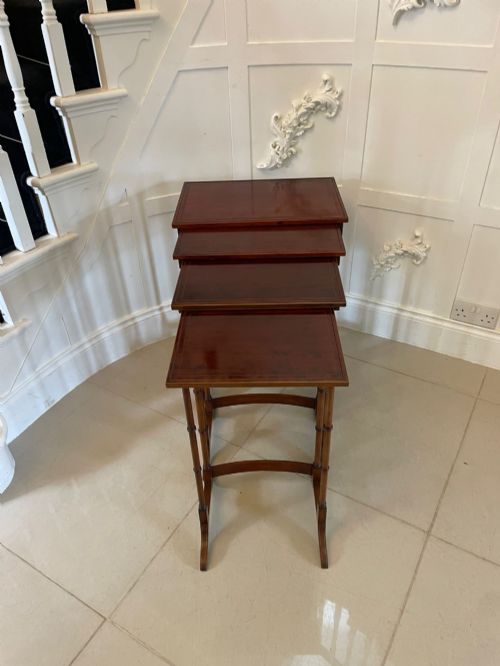
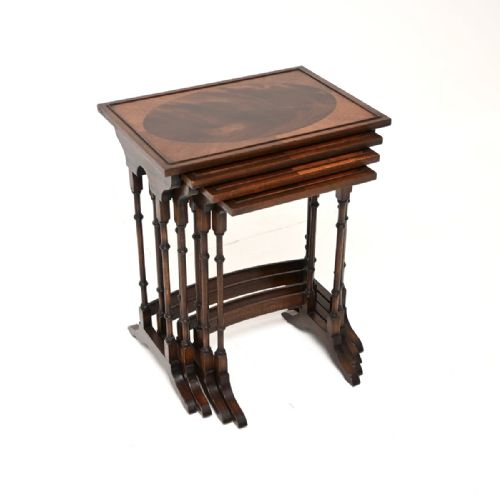
- A set of four graduating nesting tables designed to slide neatly beneath one another. They gained popularity during the Sheraton revival period.
- Stringing
- A narrow strip of contrasting wood or brass inlaid into a shallow channel on the surface or legs. It creates fine linear borders around panels.
- Marquetry
- The art of forming decorative patterns using fitted pieces of coloured veneers. These designs often depict floral or pictorial motifs.
- Tilt-top table
- A table with a hinged top that rotates to a vertical position when not in use. This mechanism allowed tables to be stored flat against a wall.
Inlaid Georgian Occasional Table: Frequently Asked Questions
What rooms suit an occasional table?
These compact pieces fit easily beside seating areas as lamp or side tables. Their modest footprints allow them to function effectively in hallways or bedrooms.
Drop-leaf versions expand when extra surface area is required for tea or writing. Nesting tables separate to accommodate guests before stacking away again.
How do I identify a georgian piece?
Examine the timber selection and secondary woods visible beneath the table or inside drawer linings. Oak and pine commonly form the internal framing of eighteenth-century pieces.
Look for hand-cut dovetails in the drawers and subtle irregularities in the veneer thickness. Hand-applied polish and natural wax build-up indicate age.
What is the difference between inlay and marquetry?
Inlay involves inserting wood or brass into carved recesses within the solid timber surface. It typically creates geometric lines, borders, and simple banding.
Marquetry assembles entire pictorial or floral scenes from sheets of various coloured veneers before applying them to the carcase. Both techniques enhance the visual depth of the furniture.
How should I care for polished wood?
Keep antique timber away from direct sunlight and radiators to prevent the wood and veneers from drying out. Consistent indoor humidity protects against splitting.
Apply natural beeswax periodically and buff gently with a soft cloth. Avoid silicone sprays and modern liquid polishes that damage antique finishes.