

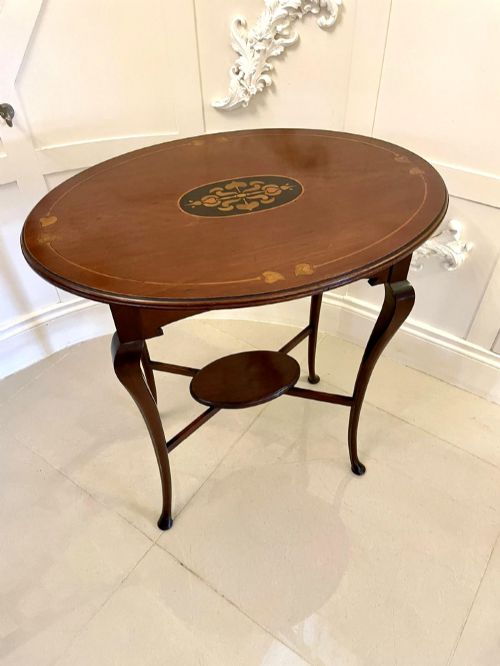
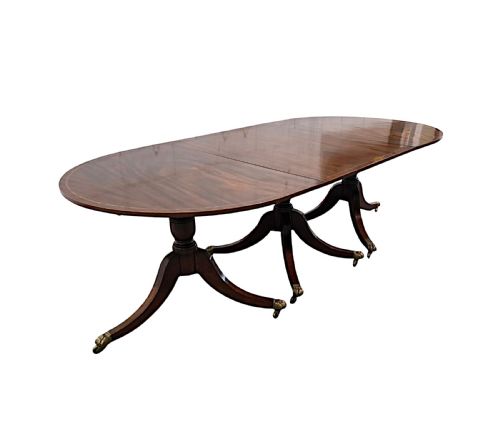
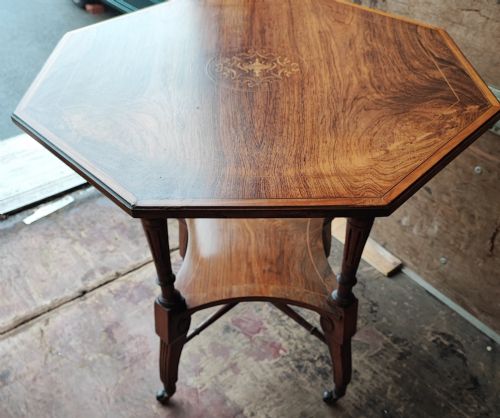

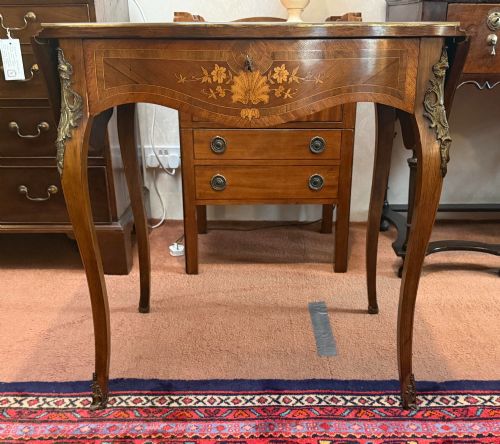
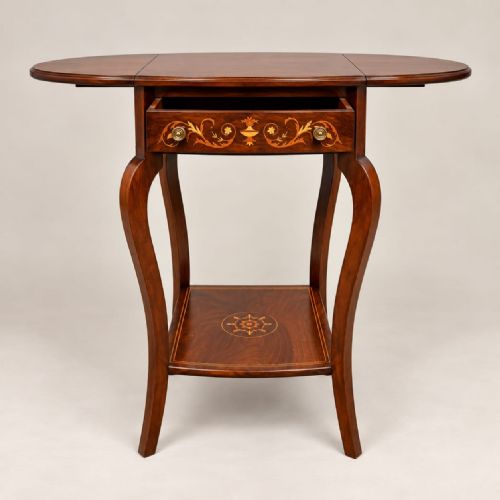
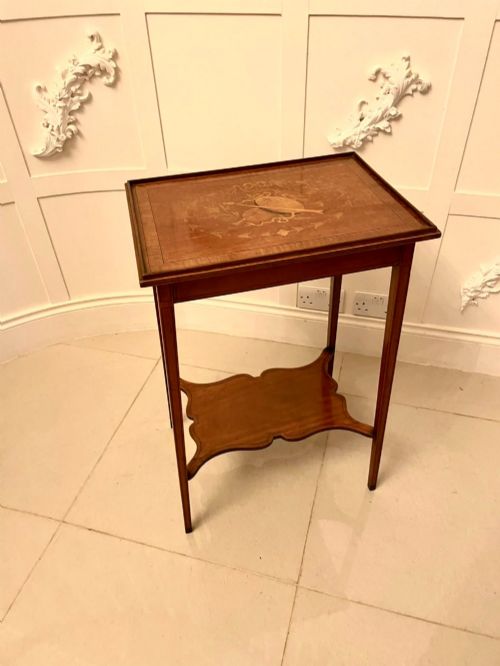
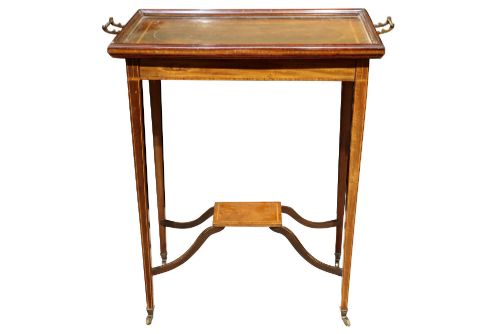
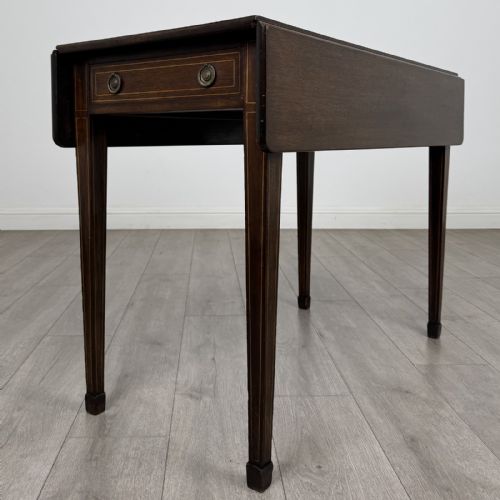
Inlaid End Table
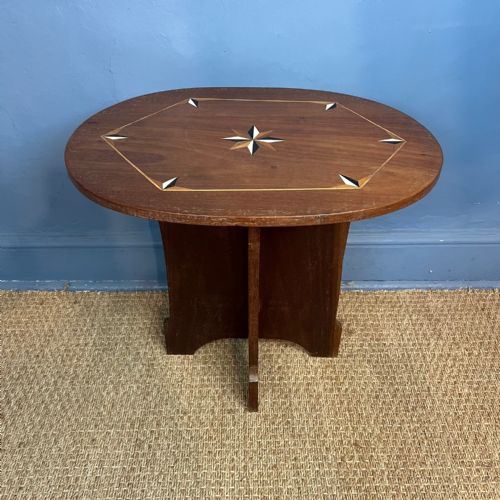
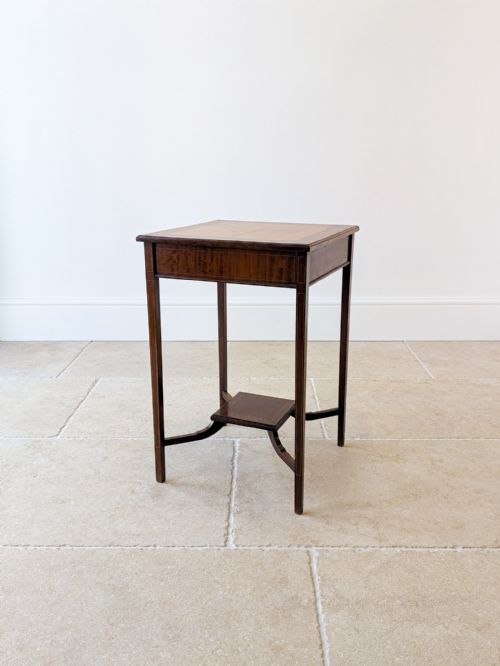
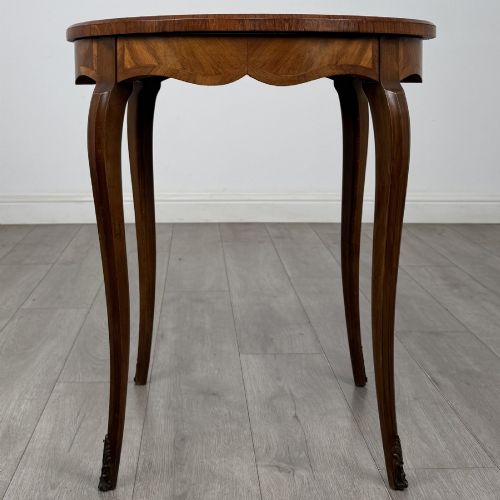
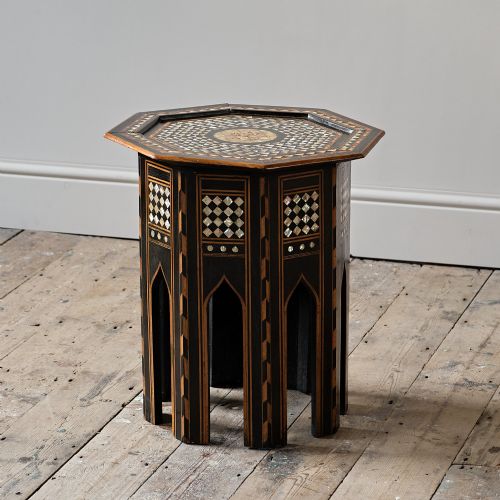
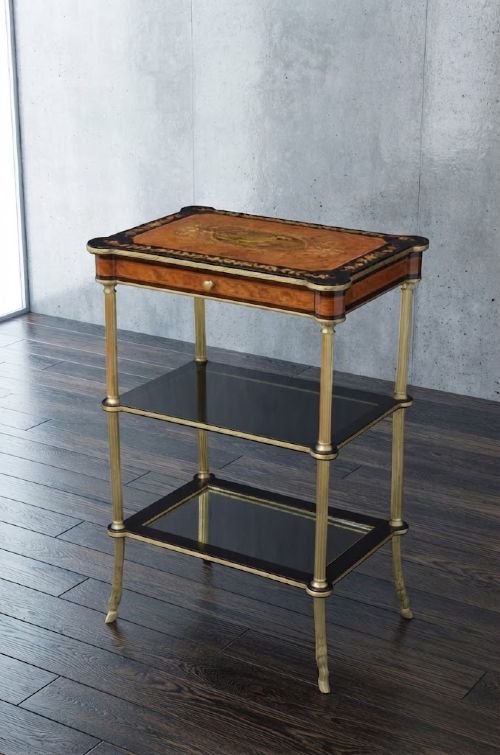
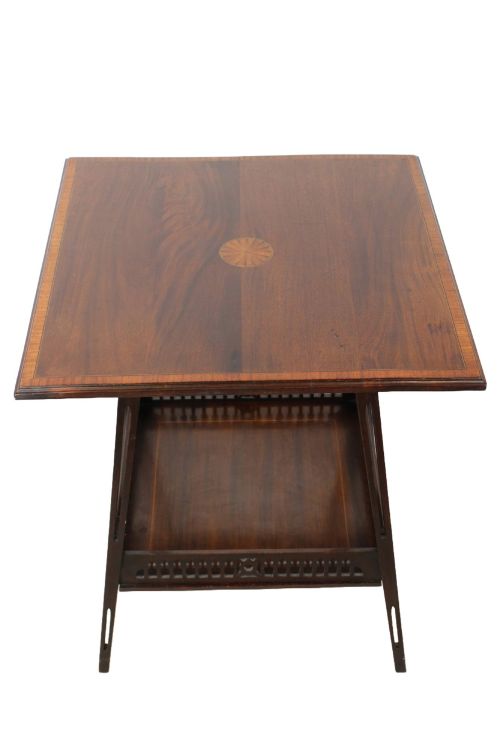
When you search for an inlaid end table, you find decorative occasional furniture designed for compact spaces from the Victorian and Edwardian periods onwards.
Inlaid End Table
An inlaid end table serves multiple domestic functions, frequently appearing as a side table, occasional table, lamp table, or bedside cabinet in the historical record. These pieces emerge predominantly from the nineteenth and early twentieth centuries, spanning Georgian, Victorian, Edwardian, and Art Deco eras.
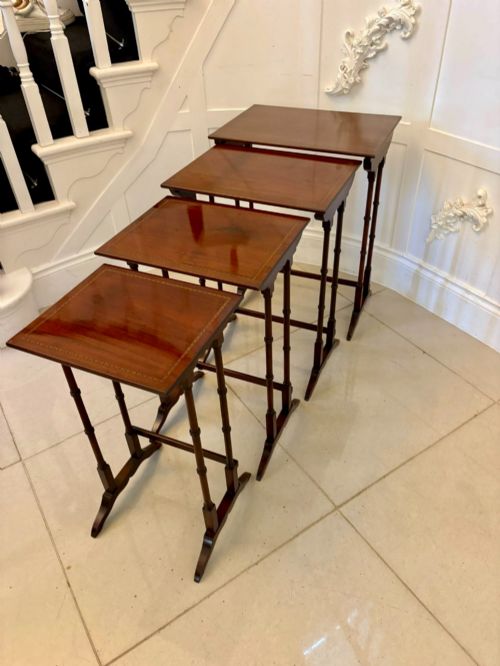
The form encompasses diverse configurations including tray tops, drop leaves, nests, and revolving bookcases. Makers adapted the essential small table template to suit parlour, bedroom, and drawing room settings.
Origin points stretch from British workshops to French ateliers, Anglo-Indian centres, and Italian houses. This geographical spread brings varied ornamental traditions to a single functional furniture category.
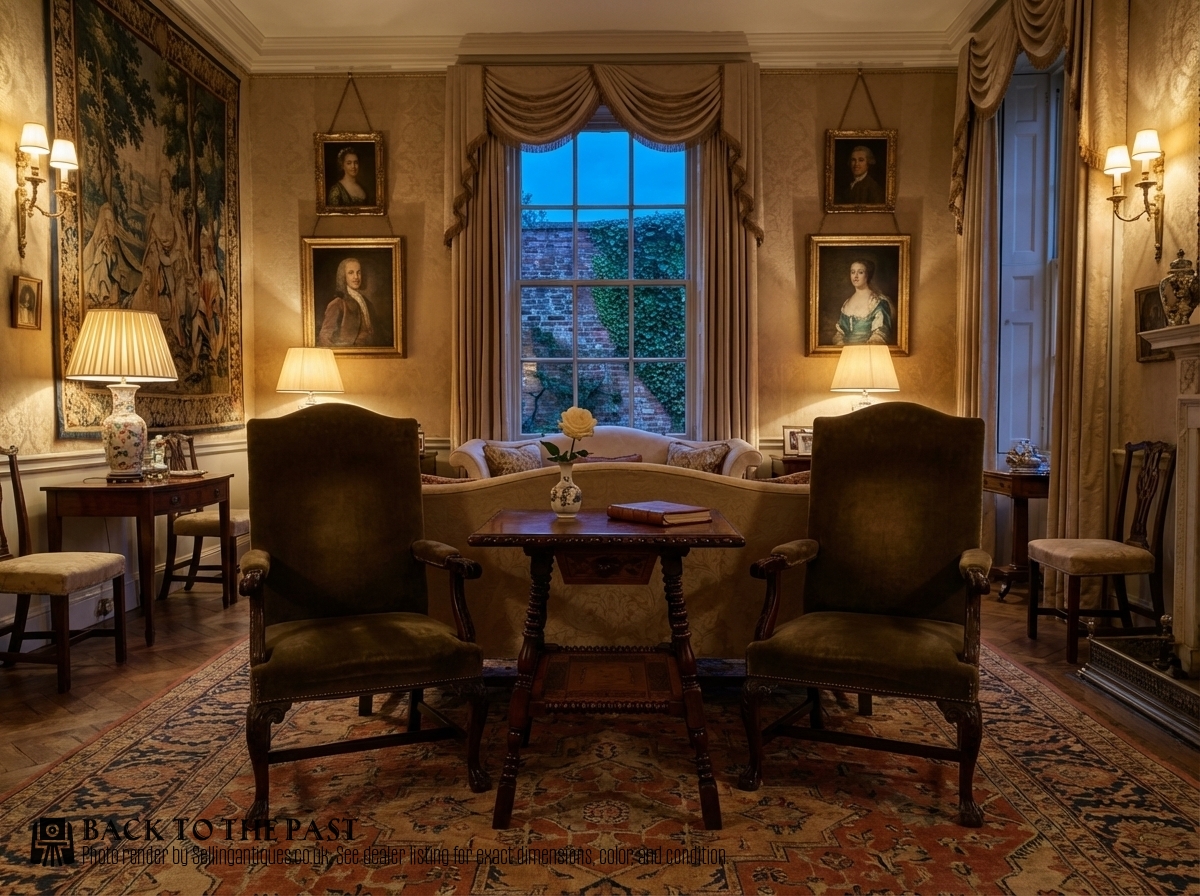
Materials and construction
Makers built the structural carcases of these tables using primary hardwoods such as mahogany, walnut, rosewood, and oak. These robust timbers provided stable foundations for detailed surface decoration.
Surface ornamentation relied on contrasting woods like satinwood, boxwood, and kingswood, alongside wood inlay and marquetry techniques. Metal elements such as brass galleries, ormolu mounts, and wire stringing added further contrast.
Regional workshops incorporated specialist methods, from Syrian and Hoshiarpur brass inlay to French ebonising and specimen wood parquetry. Cabinetmakers combined structural joinery with precise veneer work to create patterned tabletops.
Inlaid End Table Retail Price Guide 2026
Typical asking prices for inlaid end table among the pieces listed under this phrase on Sellingantiques today, from the lower quarter to the upper quarter. They describe what is for sale here now, not the wider market.
Listings for inlaid end tables span the 18th, 19th, and 20th centuries, covering Georgian, Victorian, Edwardian, and Art Deco styles.
Markers of quality
Quality reveals itself in the precision of the timber selection and the execution of the marquetry. Superior examples display tightly figured grains, balanced grain direction, and seamless integration of contrasting woods without gaps.
Structural integrity and secondary details distinguish finer pieces from standard production. Well-made tables feature crisp carving, solid brass fittings, stable joints, and finished drawer linings that demonstrate careful cabinetmaking.
Provenance and attribution elevate certain tables above standard domestic items. Pieces associated with recognised makers or exhibition quality standards show superior proportion, refined inlay motifs, and considered attention to unseen surfaces.
Trevor Page & Co·Liberty & Co·William Birch·Walter Carter·Harrods·Gillows
The Inlaid End Table Glossary
- Marquetry
- Decorative veneer work arranged in pictorial or geometric patterns across a surface. Craftsmen cut thin slices of various coloured woods to assemble intricate designs.
- Ormolu
- Gilded bronze used for decorative mounts and fittings on furniture. This French technique added metallic gleam to corners, feet, and aprons.
- Pembroke table
- A small rectangular table featuring two hinged drop leaves on opposing sides. It often includes a single drawer and slender legs.
- Satinwood
- A durable, lustrous timber native to the tropics, prized for its golden-yellow sheen and smooth grain. It frequently served as a contrasting inlay material.
- Parquetry
- Geometric mosaic woodwork used for floors and tabletops. It relies on symmetrical wood blocks to create repeating patterns.
Inlaid End Table: Frequently Asked Questions
Where should I place an inlaid end table?
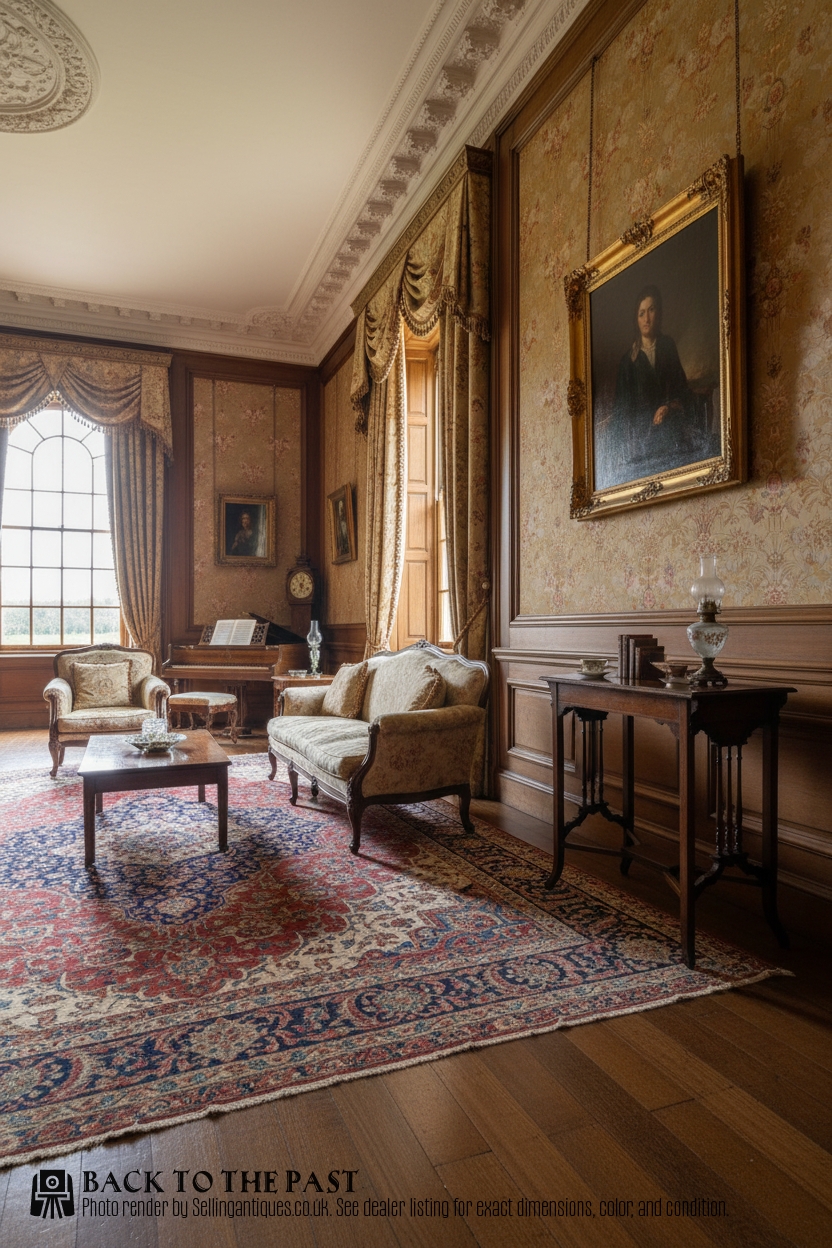
These compact tables fit easily beside armchairs, sofas, or beds where surface space is needed for lamps or small items. Their decorative tabletops allow them to function as standalone display pieces in hallways or corners.
Because they originate from periods like the Edwardian and Victorian eras, they complement traditional interiors, though simpler models integrate into modern rooms as accent pieces.
How do I identify an Edwardian inlaid table?
Edwardian tables frequently employ lightweight mahogany carcases decorated with delicate satinwood inlay, boxwood stringing, and satinwood banding. They often stand on slender tapering legs and date from around 1900 to 1910.
Unlike earlier Georgian pieces, Edwardian examples may feature tray tops, nests of tables, or revolving bookcase structures while maintaining refined proportions.
What is the difference between marquetry and inlay?
Inlay involves cutting a recess into a solid wood base and fitting a contrasting piece of material flush into that depression. It is typically linear or geometric.
Marquetry assembles an entire picture or pattern from various veneers on a backing board before applying the whole sheet to the table surface.
How do I care for antique wood inlay?
Keep inlaid tables away from direct sunlight and heat sources to prevent the wood veneers from drying, shrinking, or lifting. Use soft cloths for dusting and avoid chemical polishes that can degrade historic finishes.
Maintaining stable room humidity protects both the primary timber carcase and the delicate contrasting woods used in the surface decoration.