
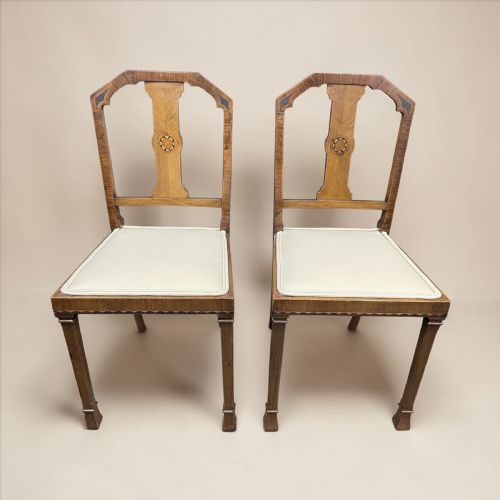
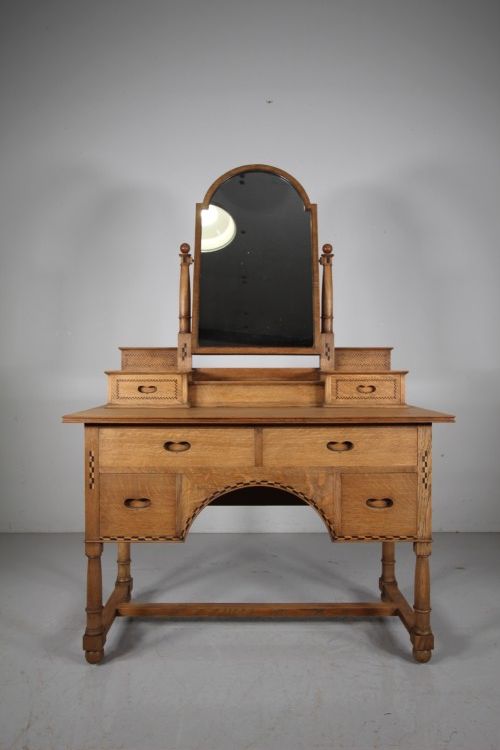
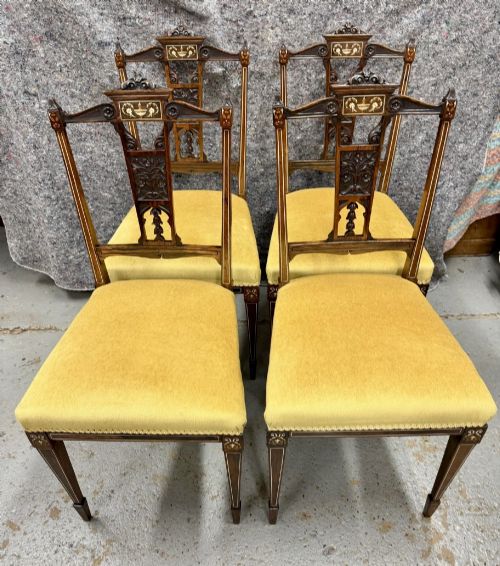
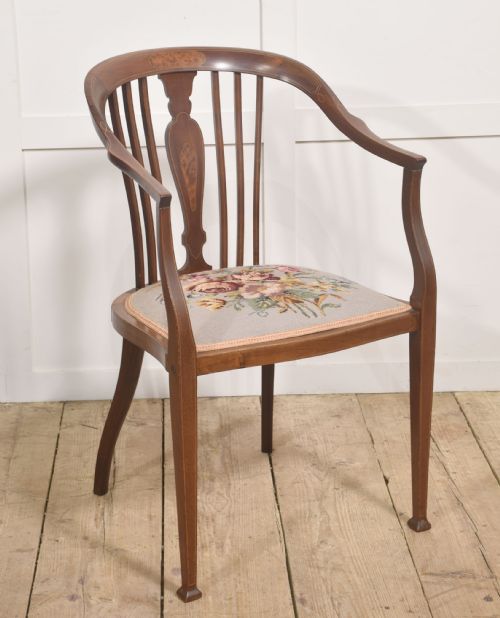
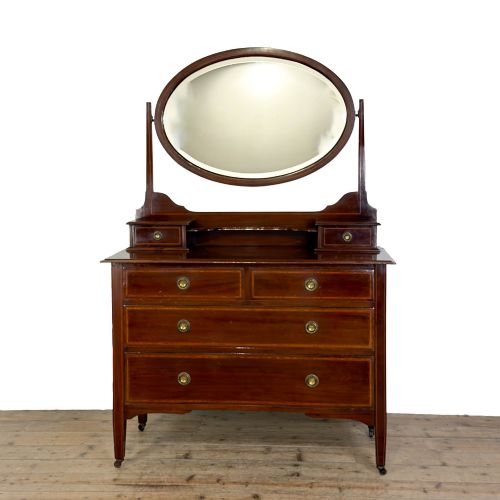


Inlaid Bedroom Desk
An inlaid bedroom desk brings refined timber work and practical writing space directly into a private chamber, following the traditions of Edwardian and Victorian design.
Inlaid Bedroom Desk
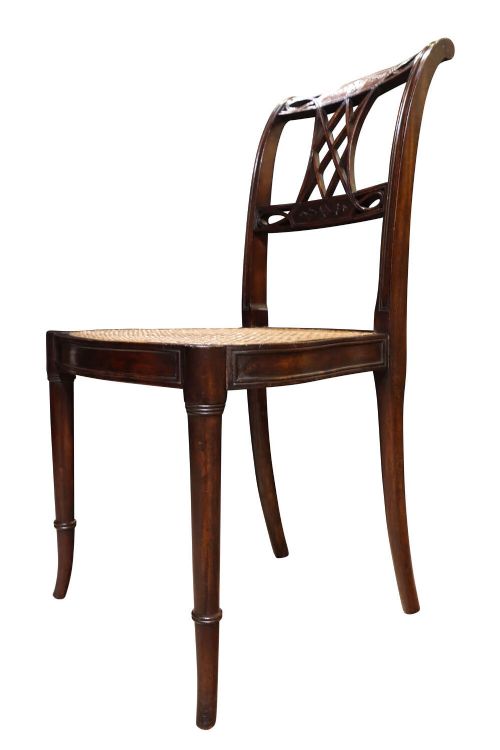
When searching for an inlaid bedroom desk, buyers encounter a selection of dressing tables, occasional chairs, and writing furniture originating mainly from the Victorian and Edwardian periods. These forms combine functional surfaces with decorative timber details, reflecting the domestic habits of the nineteenth and early twentieth centuries.
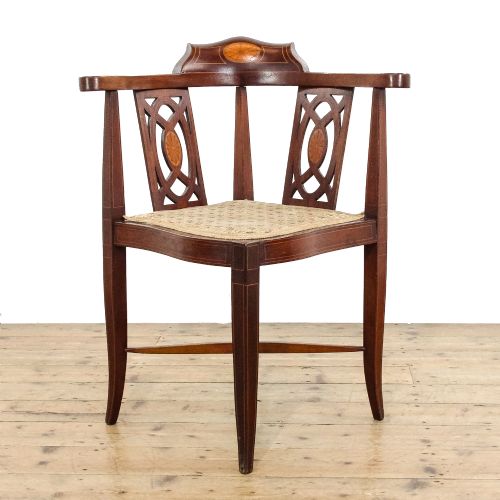
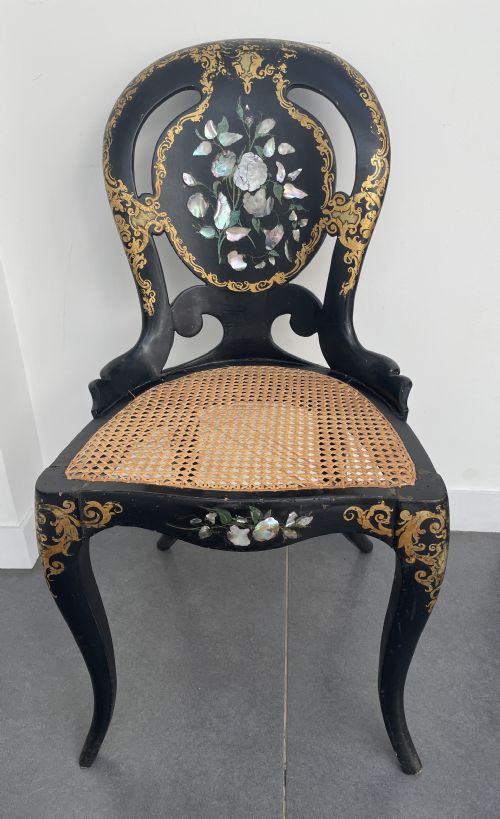
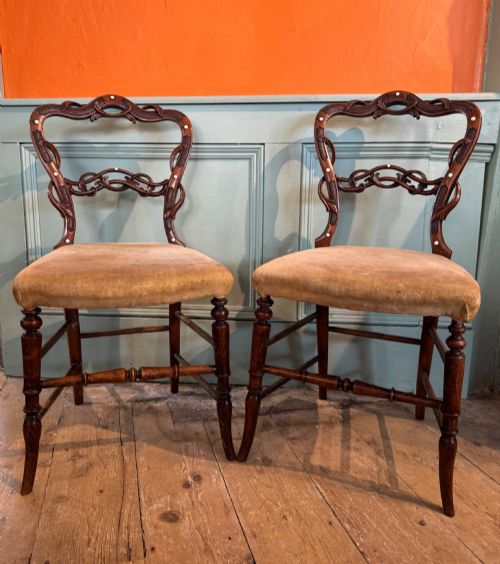
The pieces appearing on this page span several stylistic revivals, including Sheraton Revival, Arts and Crafts, and Aesthetic Movement designs. While dedicated writing desks appear alongside dressing tables and desk chairs, the inventory is heavily populated by seating such as armchairs, corner chairs, and salon chairs featuring inlaid woodwork.
Origins cluster around late nineteenth and early twentieth-century British workshops, with occasional Regency and Art Deco examples rounding out the selection. Buyers find that many items dual-functioned as dressing tables and writing spaces, utilising compact footprints suited to period chambers.
Distinctions in Quality
Quality in these pieces rests upon the crispness of the timber inlay and the selection of figured veneers such as satinwood and mahogany. Finer examples display meticulous attention to decorative motifs and botanical marquetry rather than stamped or printed substitutes.
The distinction between standard workshop output and top-tier craftsmanship also appears in the handling of structural joints, secondary woods, and maker attribution. Pieces bearing authenticated stamps or labels from prominent cabinet makers command distinct interest among collectors.
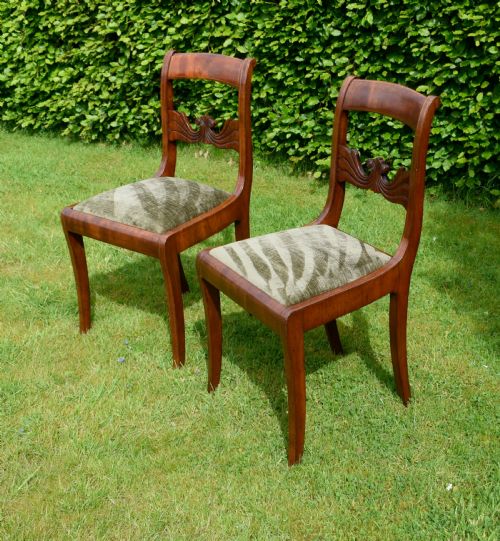
Some chairs served dual duties as dressing seats and impromptu desk perches for midnight correspondence.
Edwards and Roberts·Wright and Hunter of Belfast·Gillows
The Inlaid Bedroom Desk Glossary
- Inlay
- A decorative technique where pieces of contrasting timber, shell, or metal are fitted into a depressed surface flush with the surrounding wood. This method creates geometric or floral patterns across table tops and chair backs.
- Marquetry
- Formed by assembling finely cut veneers into pictorial or decorative patterns before applying them to a carcase or panel. It differs from inlay by covering the entire surface rather than resting in recessed channels.
- Satinwood
- A hard, durable timber with a characteristic golden-yellow sheen and natural lustre, highly favoured for fine cabinet work. Makers utilised it extensively for banding and contrasting details.
- Corner Chair
- A seating form designed to fit neatly into the corner of a room, typically featuring a square seat set diagonally and supported by turned or cabriole legs. These chairs often incorporate inlaid splats and upholstered pads.
- Aesthetic Movement
- A late nineteenth-century design style that emphasised artistic expression, simplicity, and Japanese-inspired motifs over heavy Victorian ornamentation. Pieces from this movement often feature ebonised or natural hardwoods with subtle inlay.
Inlaid Bedroom Desk: Frequently Asked Questions
What is an inlaid bedroom desk?
An inlaid bedroom desk is a compact writing surface or dressing table embellished with contrasting wood veneers, stringing, or marquetry. These pieces were designed for private chambers, combining daily utility with decorative craftsmanship.
Surviving examples often feature drawers for writing materials or cosmetics, resting on slender legs typical of Victorian and Edwardian cabinet making.
How do I date an inlaid desk?
Dating relies on examining the timber species, secondary woods, construction methods, and prevailing stylistic influences. Edwardian and late Victorian pieces frequently incorporate mahogany and satinwood with Sheraton Revival motifs.
Cross-referencing hardware, dovetailing techniques, and any maker stamps provides a more precise period attribution.
Where were these pieces used?
These items were primarily placed in bedrooms, dressing rooms, and private studies of nineteenth and early twentieth-century homes. They served as dedicated spaces for correspondence, grooming, and reading.
Their smaller scale allowed them to fit comfortably into private residential quarters rather than formal reception rooms.
How do I care for satinwood?
Satinwood furniture requires protection from direct sunlight and excessive moisture to prevent the timber from fading and the veneer from lifting. Gentle dusting with a dry, soft cloth preserves the natural golden sheen.
Occasional application of appropriate wax polish maintains the lustre without building up heavy residues.