




Industrial Iron Desk
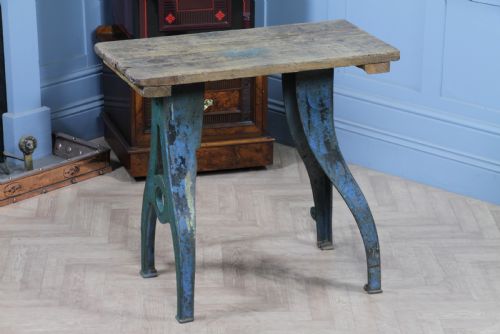
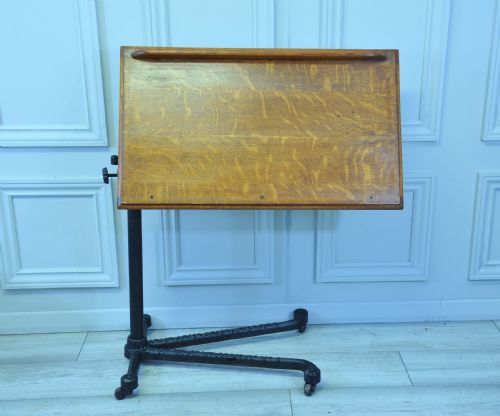
An industrial iron desk brings robust utility and utilitarian character into a room through heavy metal frames and aged wooden tops.
Industrial Iron Desk
When searching for an industrial iron desk, buyers encounter heavy task-oriented furniture adapted from factories, workshops, and maritime settings. The selections span various decades from the nineteenth century through the 1930s, reflecting hard-wearing commercial origins.
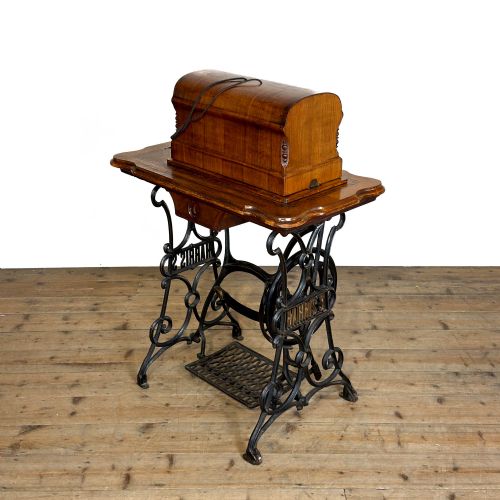
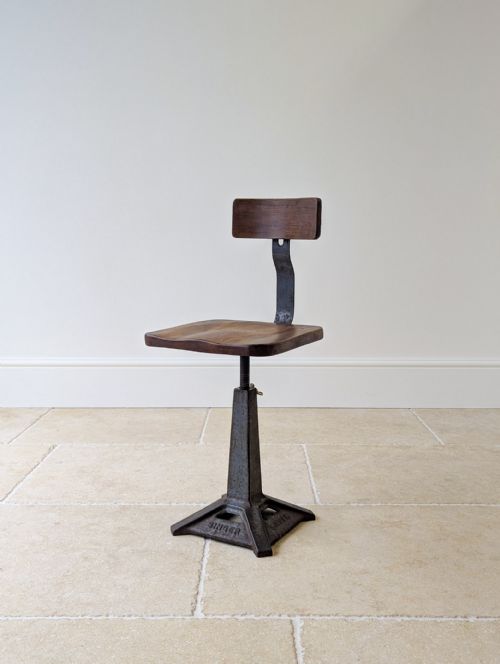
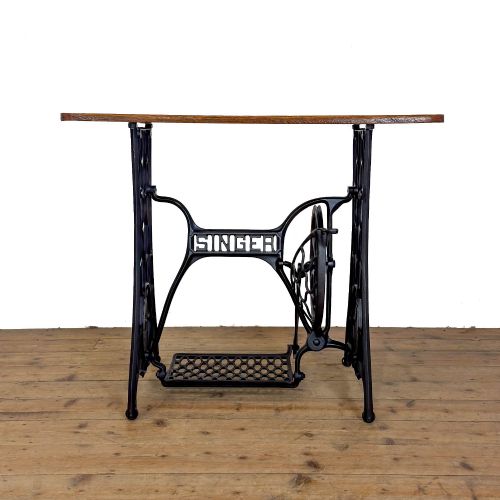
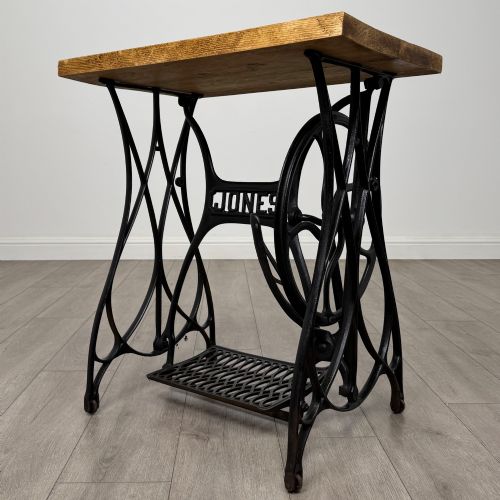
Most examples combine sturdy metal bases with wooden surfaces, utilising salvaged machine components and reclaimed timber. The forms range from adjustable workshop tables to repurposed sewing machine bases fitted with oak or pine tops.
Originating from utilitarian environments, these pieces emphasise practical function over decorative art. The materials show honest wear from decades of industrial use, giving each item a distinct identity.
Materials and construction methods
The construction relies heavily on cast iron and steel for structural frames, providing immense weight and stability. Wood elements such as oak, pine, and elm form the working surfaces, secured directly to metal bases with bolts and brackets.
Foundries cast iron components to precise industrial specifications, creating rigid bases, adjustable mechanisms, and heavy brackets. Timber tops are joined simply, often showing the original grain and marks of daily workshop labour.
Industrial Iron Desk Retail Price Guide 2026
Typical asking prices for industrial iron desk among the pieces listed under this phrase on Sellingantiques today, from the lower quarter to the upper quarter. They describe what is for sale here now, not the wider market.
The listings span multiple decades from the Victorian era through the 1930s, featuring cast iron, oak, pine, and steel.
Assessing quality and authenticity
Quality rests in the original integrity of the cast iron framework and the proportional balance of the wooden top. Heavy, well-cast bases with maker markings indicate superior factory output compared to lighter decorative reproductions.
The degree of original patination on both metal and timber distinguishes honest utilitarian pieces from overly restored items. Retaining original enamel finishes, working mechanical adjustments, and untouched surface wear elevate the standing of the piece.
Carters Of London·Singer·Evertaut·Hawkins
The Industrial Iron Desk Glossary
- Cast iron
- A strong, heavy alloy poured into moulds to create rigid machine bases and structural frames. It provides the foundational weight for workshop furniture.
- Reclaimed pine
- Salvaged softwood timber sourced from old buildings or industrial structures. It is frequently utilised for replacement or up-cycled table tops.
- Trestle table
- A furniture form supported by trestle frames at each end rather than standard four-point legs. This design offers maximum stability and legroom.
- Patina
- The surface sheen and colour acquired through years of handling, polishing, and natural ageing. It serves as an indicator of genuine period use.
Industrial Iron Desk: Frequently Asked Questions
How do I care for cast iron bases?
Keep the metal clean and dry to prevent surface oxidation over time. Apply a light microcrystalline wax to protect the raw or painted iron surfaces.
Avoid placing these heavy items in damp environments where moisture can accelerate rusting on exposed metal parts.
Are these desks suitable for daily work?
The sturdy iron frames and solid timber tops provide stable platforms for modern writing and computer tasks. Their robust construction handles regular usage with ease.
Check the height measurements carefully, as some historical workshop tables and adjustable stands were built for standing or specific industrial machinery.
How do I identify a genuine industrial piece?
Look for heavy cast iron components bearing foundry marks, authentic wear patterns, and functional mechanical adjustments. The materials should show legitimate signs of factory or workshop employment.
Examine the fixings and joints to ensure the metal base and wooden top share a coherent period of origin.
Can I use an industrial desk in a domestic space?
The strong architectural lines and contrasting textures of iron and wood suit contemporary and traditional interiors alike. They function well as characterful writing tables or console surfaces.
Pair the desk with simple seating to let the heavy industrial proportions remain the visual focus of the room.