
Indian Hardwood Table
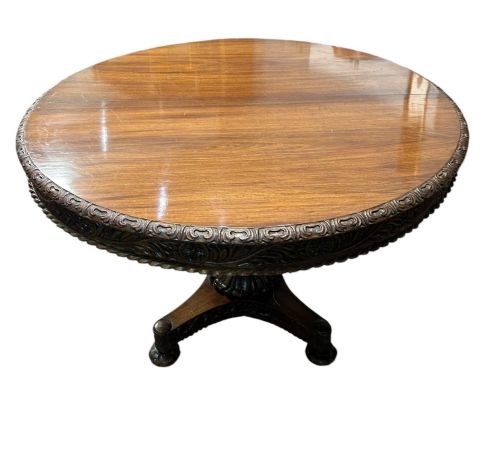
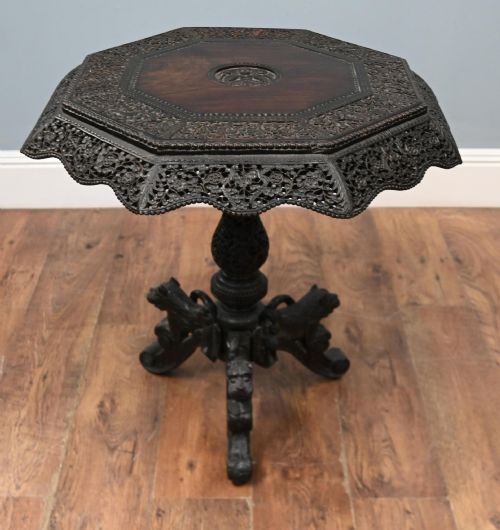
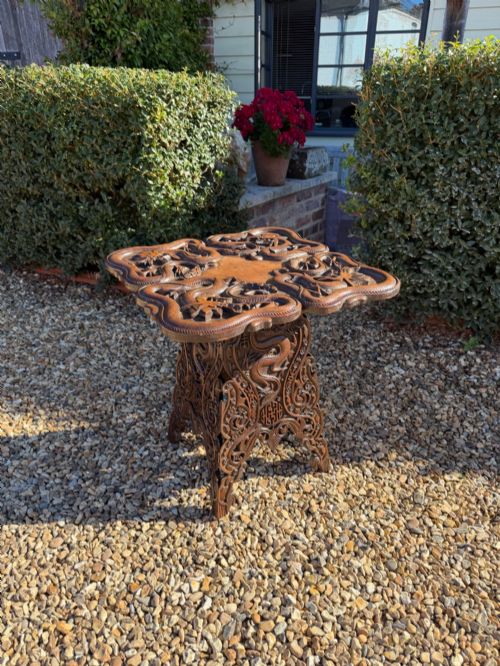
An indian hardwood table brings intricate colonial craftsmanship into a room, offering rich dense timbers and deep hand-carved motifs.
Indian Hardwood Table
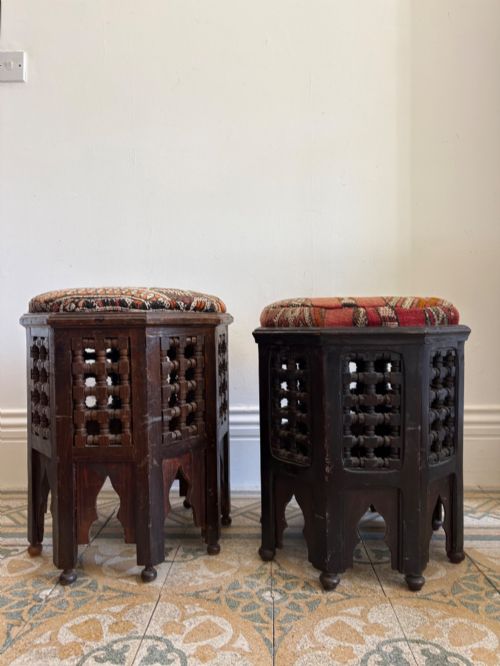
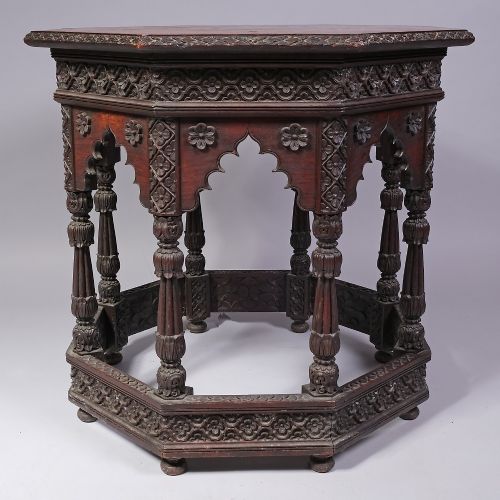
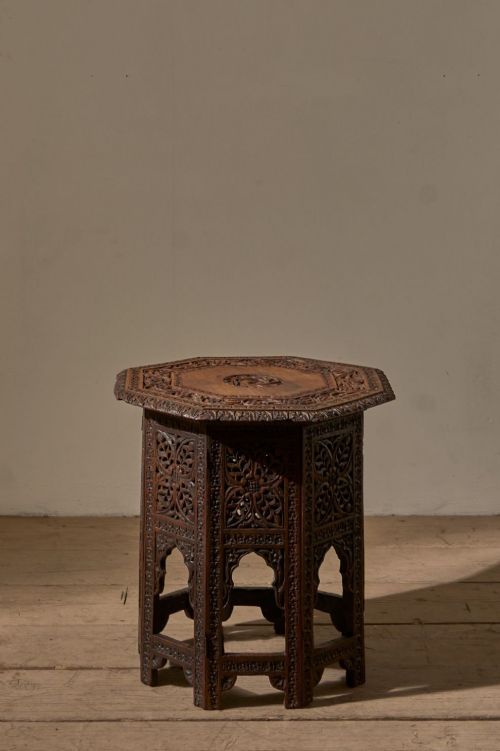
When you search for an indian hardwood table, you encounter a range of forms spanning occasional, side, coffee, console, and dining tables alongside octagonal shapes and stools. These pieces originate predominantly from the nineteenth century through to the early twentieth century, reflecting Victorian and colonial periods.
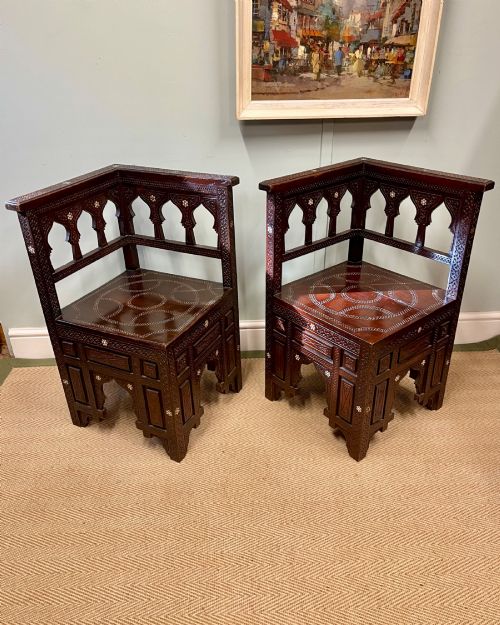
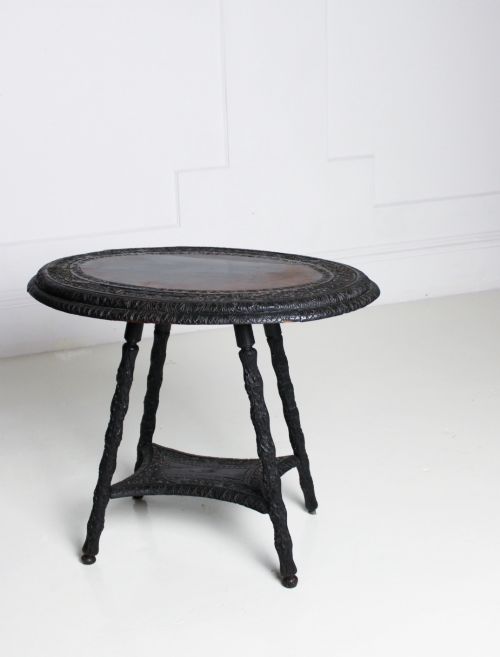
The aesthetic embraces Anglo-Indian, Anglo-Burmese, Moorish Revival, and colonial styles. Side tables and low occasional pieces dominate the selection, often featuring circular or folding top constructions.
Regional diversity shapes the selection, with specific pieces attributed to centres like Bombay and Benares or utilising Kashmiri walnut and Burmese padauk.
Materials and construction methods
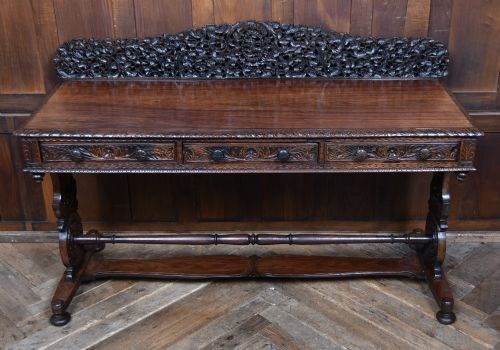
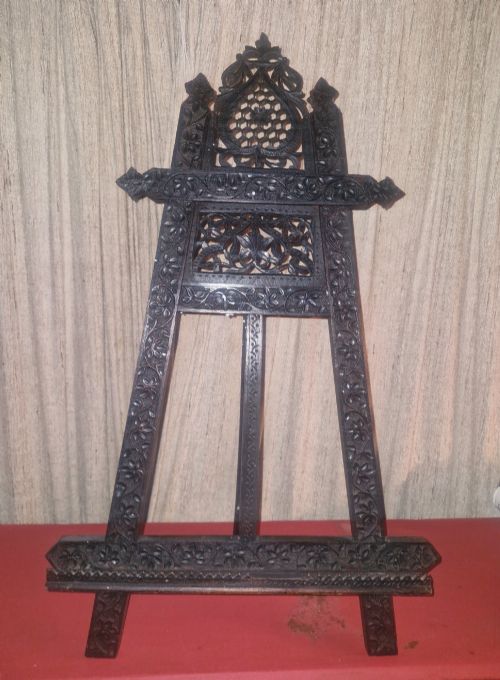
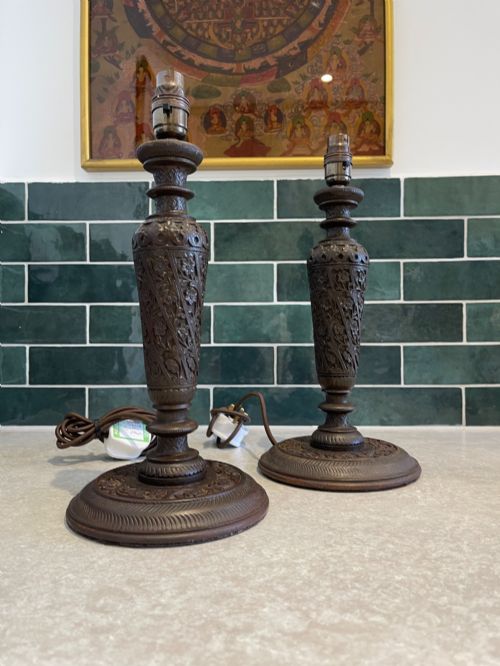
Carpenters utilised dense exotic timbers including padauk, teak, rosewood, and walnut as the structural foundation for these items. These heavy hardwoods permitted deep, relief-carved botanical and figurative motifs without compromising structural integrity.
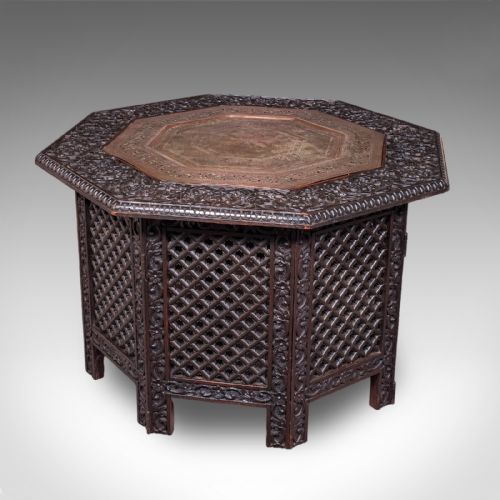
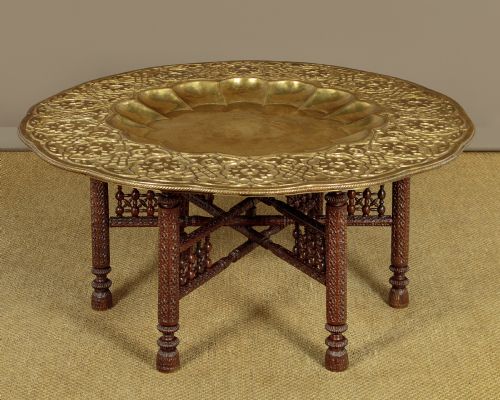
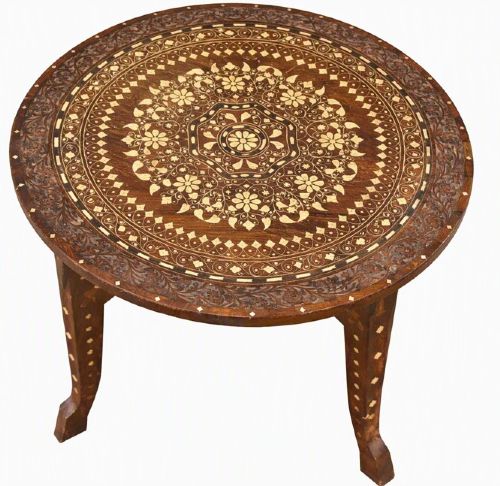
Surface decoration frequently incorporated contrasting elements such as inlaid brass, copper tops, and delicate bone or bone inlay work. Joinery methods included folding mechanisms for campaign items and tilt-top pivots for occasional use.
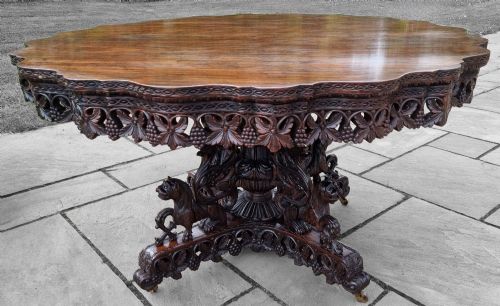
Several tables secretly double as wildlife reserves, featuring hand-carved elephants and dragons keeping watch beneath the tea.
Separating the ordinary from the exceptional
Quality rests primarily in the crispness and depth of the hand-carving across surfaces like aprons and table tops. Pieces displaying well-defined animal figures, such as elephants or dragons, and complex geometric fretwork demonstrate superior artisan skill.
The integrity of the secondary materials also dictates value, with securely seated brass or copper inlays and intact bone work distinguishing finer examples from simpler utilitarian pieces.
Liberty And Co
The Indian Hardwood Table Glossary
- Padauk
- A heavy, durable reddish-brown tropical hardwood favoured for nineteenth-century colonial furniture. It accommodates intricate hand-carving exceptionally well.
- Anglo-Indian
- A style of furniture produced in India during the British colonial period, combining traditional local craftsmanship with British domestic forms.
- Tilt-top
- A table mechanism allowing the surface to pivot and lock vertically for storage or space-saving. It appears frequently on nineteenth-century occasional tables.
- Octagonal
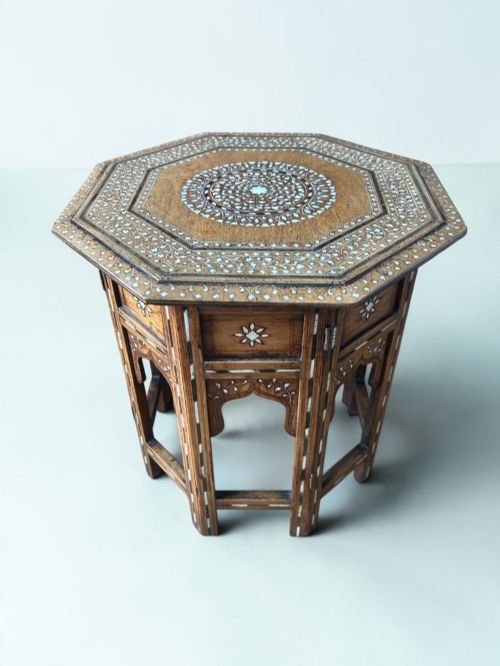
- Having eight sides. This geometric form is typical of folding tables originating from Hoshiarpur and related centres.
- Campaign
- Portable furniture designed for British military officers on the move, incorporating folding legs and modular elements.
Indian Hardwood Table: Frequently Asked Questions
How do I use an octagonal table?
An octagonal table often functions as an occasional or lamp table due to its compact proportions and folding frame. These pieces suit placement beside a sofa or in a reading corner.
The intricate carvings on the top surface make them suitable for displaying small decorative objects or lamps without requiring a heavy tablecloth.
What is a campaign tea table?
A campaign tea table is a portable piece designed for easy folding and transport during the colonial era. They feature collapsible bases and removable trays.
These items bring practical surface space to modern living rooms while retaining distinct nineteenth-century utilitarian charm.
How do I identify a Burmese hardwood table?
Burmese pieces typically utilise padauk wood and exhibit deep, dense carving depicting traditional foliate motifs or figures. The timber possesses a characteristic warm reddish tone.
Examination of the underside and structural joints helps confirm the nineteenth-century origin and regional woodworking techniques.
Where were bone inlaid tables made?
Tables featuring bone inlay often originate from specific craft centres such as Hoshiarpur in northern India. Artisans set delicate pieces of bone into dark hardwood backgrounds.
This intricate technique creates striking geometric and floral patterns across the entire surface of the table.