



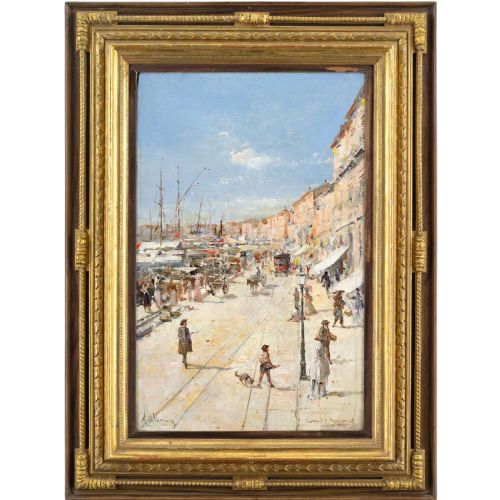
Impressionist Wall Art
Impressionist wall art brings expressive brushwork and atmospheric light into a room through oil and watercolour paintings.
Impressionist Wall Art
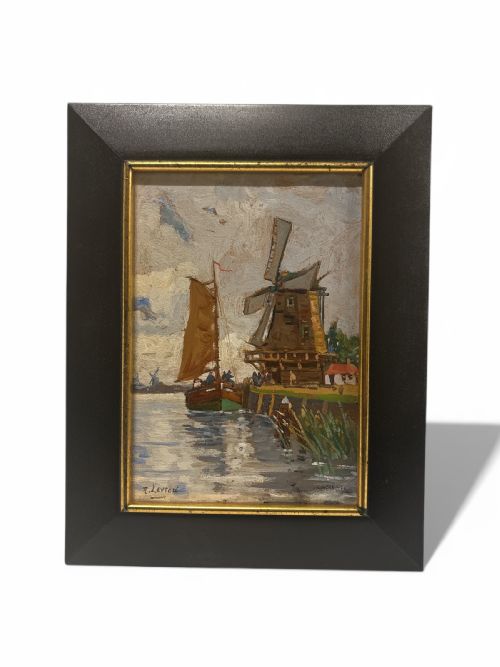
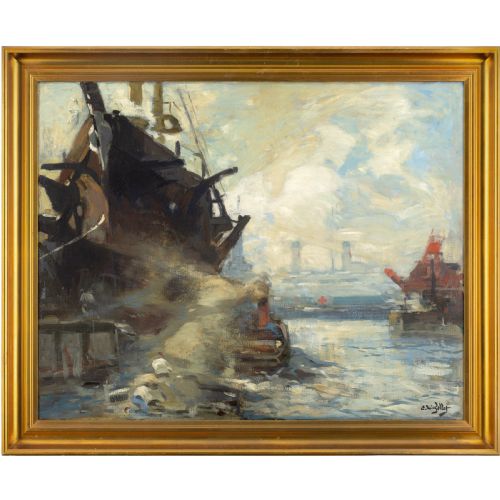
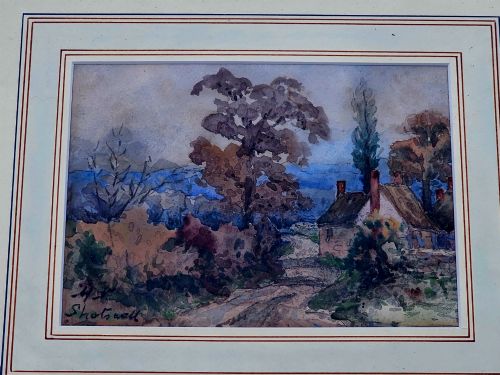
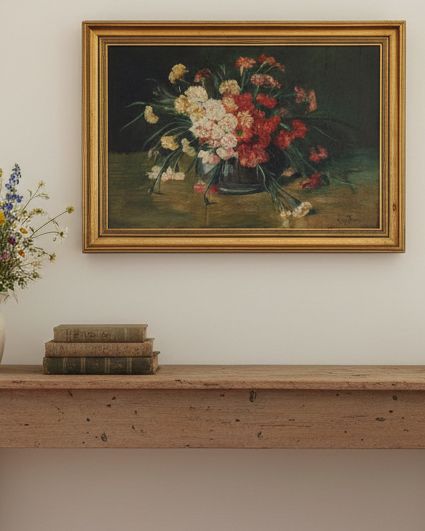
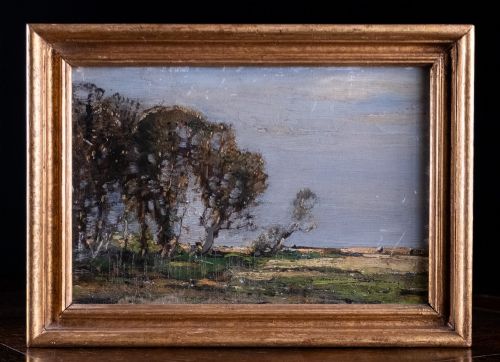
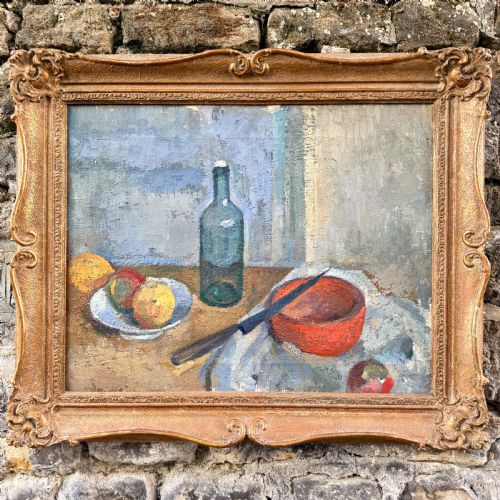
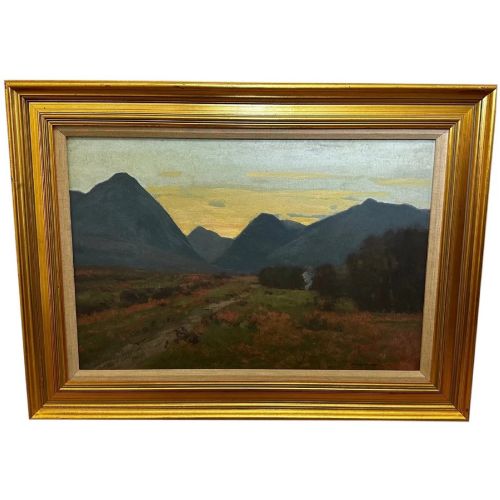
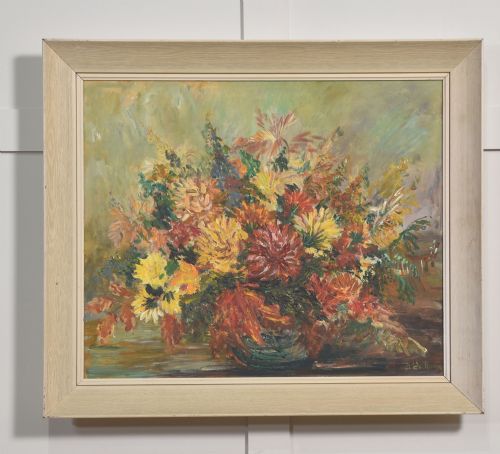
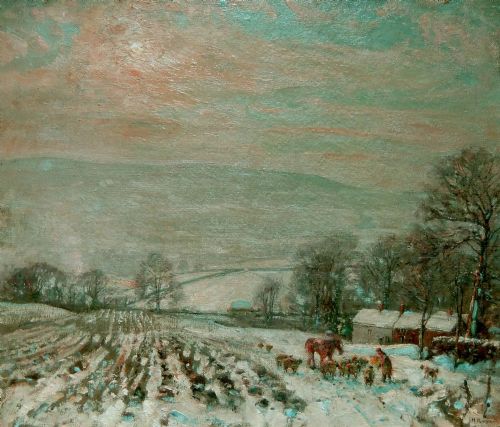
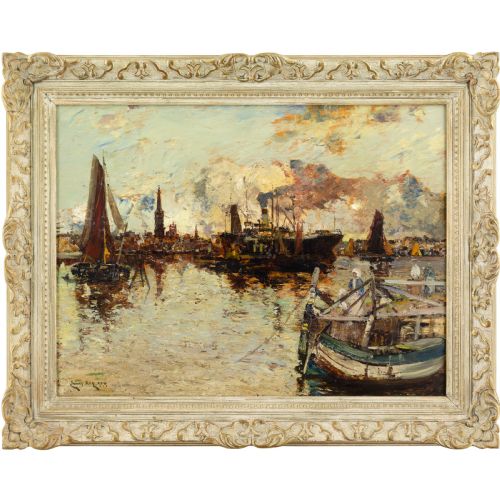
Impressionist wall art comprises oil paintings, watercolours and boards created from the nineteenth century through to the mid twentieth century and beyond. Buyers encounter coastal landscapes, harbour scenes, floral still lifes and townscapes executed in varied regional styles.
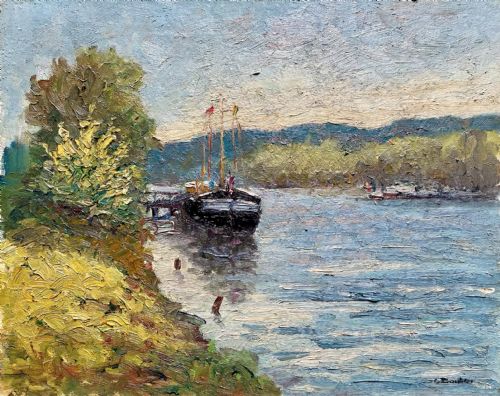
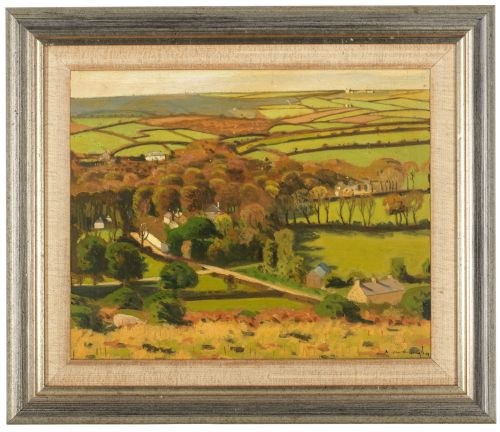
The selection here draws heavily on early twentieth century works, British impressionism, and post-impressionism from Britain, France, Belgium and Italy. Pieces range from intimate plein air panels to substantial framed canvases depicting scenes from Cornwall to Sicily.
Subject matter leans towards natural observation, capturing light on water, pastoral fields and domestic moments with visible brushwork. These works suit domestic interiors seeking period character and painterly depth.
Materials and execution
Painters utilised oil paint applied to canvas, wooden board or panel, alongside watercolour on paper. Many works rely on impasto techniques where thick pigment builds surface texture and catches the light.
Support frames frequently incorporate gilt wood and gesso ornamentation, complementing the visual weight of the paintings. En plein air methods allowed artists to capture immediate atmospheric conditions outdoors.
Materials recorded across current inventory include oil paint, canvas, wood, board, watercolour, gesso, and gilt.
Assessing quality
Quality rests upon the confidence of the brushwork and the artist's command of light, tone and composition. Stronger pieces display purposeful mark-making that defines space and atmosphere rather than mechanical repetition.
The integration of the painting with its period frame also influences the overall integrity of the piece. Works retaining documented attribution to named painters or established regional schools carry distinct scholarly interest.
Eugène-Louis Gillot·Sidney A. Court·Kershaw Schofield·George Houston·Herbert Royle·William Banks Fortescue·Robert Morson Hughes·James Kay·Augusto Alberici·Gabriel Mathieu·Charles Houben·Antonio DeVity·Clive Browne·Paul Bret·Konstantin Stoitzner·Lucy Pratt·Emma Fordyce MacRae·Charles Stuart Forbes·Alfred Wolmark·Eric Brown·Willem Bos
The Impressionist Wall Art Glossary
- Impressionism
- A nineteenth century painting movement focused on capturing transient effects of light and ordinary subject matter through rapid, visible brushstrokes. Practitioners often painted outdoors to record shifting natural illumination.
- Plein air
- The practice of painting outdoors directly from the subject to capture immediate natural light and weather. Artists working this way completed their compositions in the open air.
- Impasto
- Paint applied thickly to a canvas or board, standing proud of the surface so that it retains the texture of the brush or palette knife. This technique adds tactile dimension to the artwork.
- Post-Impressionism
- A subsequent artistic development extending impressionist techniques while placing greater emphasis on geometric forms, expressive use of colour and symbolic content. Painters built upon earlier methods to pursue individual stylistic paths.
- Gesso
- A paint mixture consisting of a binder mixed with chalk, gypsum or pigment, used as a prepared surface on wood panels or frames before gilding or painting. It provides a smooth, stable ground for subsequent layers.
Impressionist Wall Art: Frequently Asked Questions
How do I date an oil painting?
Dating an oil painting relies on examining the stretcher frames, canvas type, pigment composition and stylistic markers recorded in the evidence. Signatures and dates inscribed by the artist provide definitive chronological anchors.
Secondary clues include the framing materials, such as period gesso and gilt wood. Comparing a work's handling to known dated pieces by the same school helps narrow its creation period.
Where should I hang these paintings?
These paintings suit living rooms, studies and hallways where adequate lighting allows the brushwork and colour to be appreciated. Positioning them away from direct sunlight protects oil pigments and watercolours from fading over time.
Matching the scale of the artwork to the wall space ensures balanced interior presentation. Original gilt or wood frames enhance the visual impact within a domestic setting.
What distinguishes plein air works?
Plein air works are distinguished by their direct response to outdoor lighting and weather conditions. Artists executed these pieces on location, resulting in spontaneous brushwork and immediate atmospheric capture.
Such paintings often record specific geographic locations, from Cornish harbours to Sicilian streets. Their spirited execution reflects the quick recording of fleeting natural moments.