


Brown Tone Oil Artwork
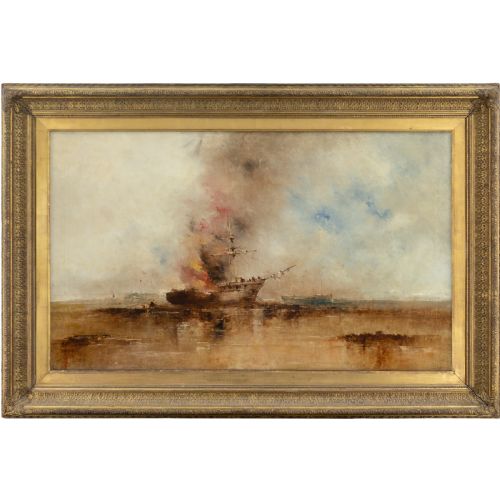
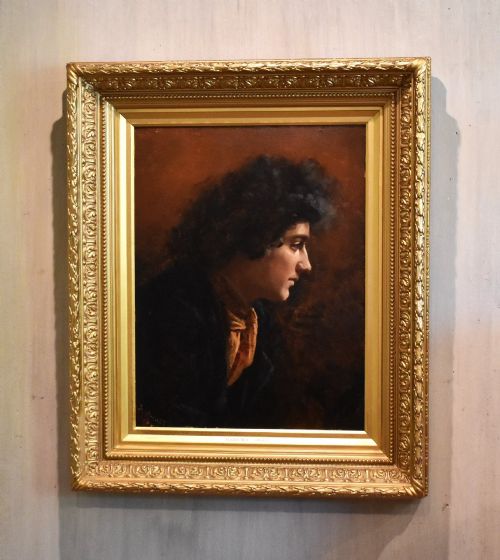
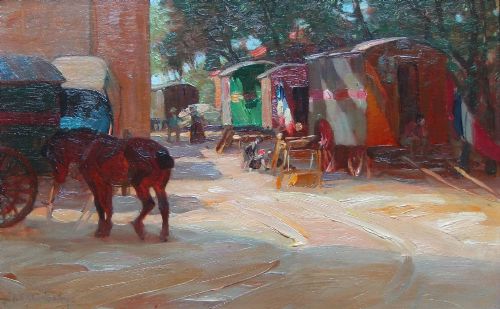
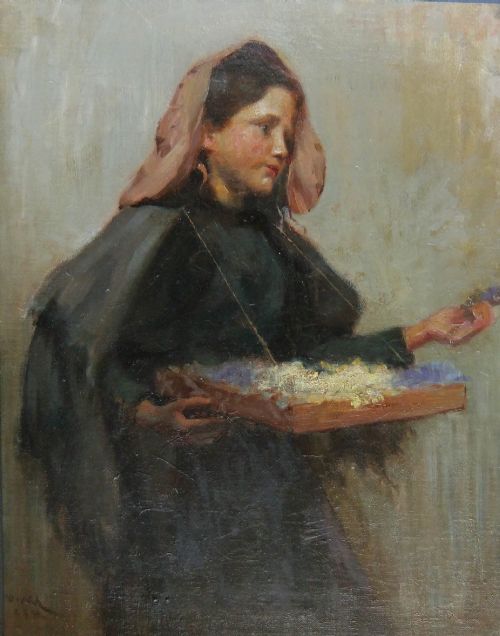
Brown tone oil artwork encompasses paintings spanning centuries that utilise restrained palettes and rich pigment layers to capture landscapes, portraits and genre scenes.
Brown Tone Oil Artwork
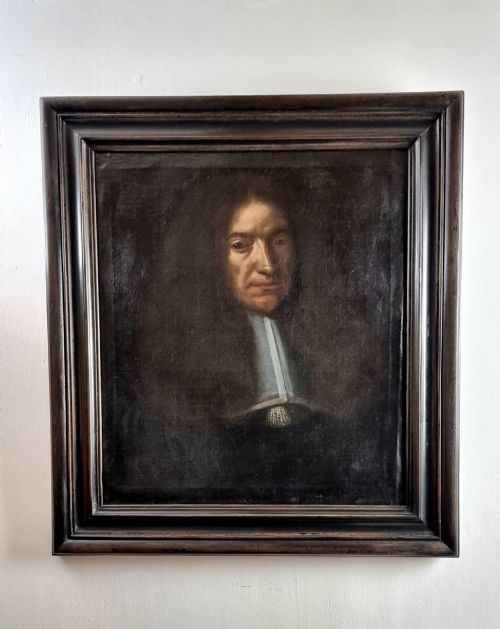
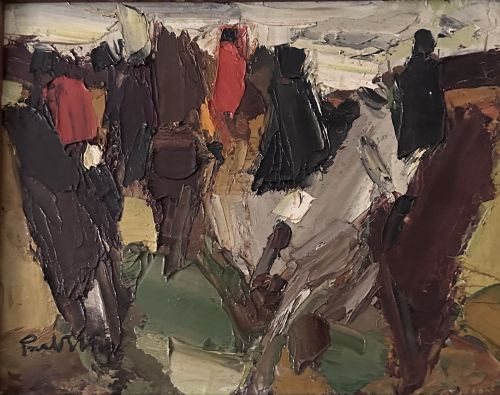
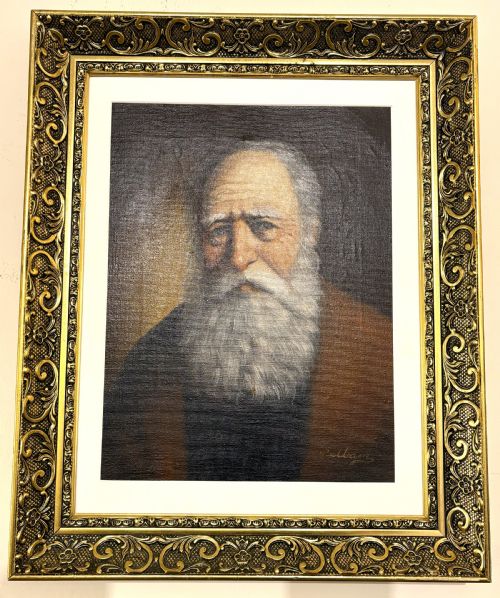
Brown tone oil artwork involves traditional paintings executed in oils where earth pigments, umbers and siennas dominate the visual composition. When exploring brown tone oil artwork, buyers encounter pieces ranging from seventeenth-century portraits and Dutch landscapes to Victorian social realism and mid-century abstracts.
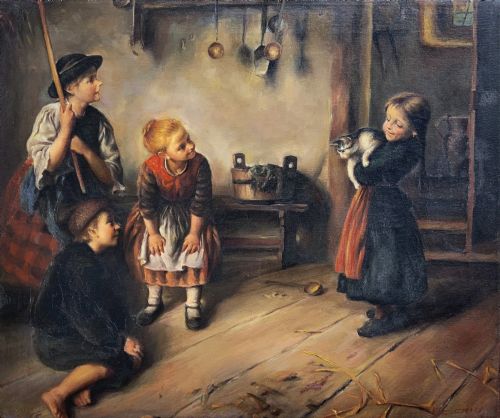
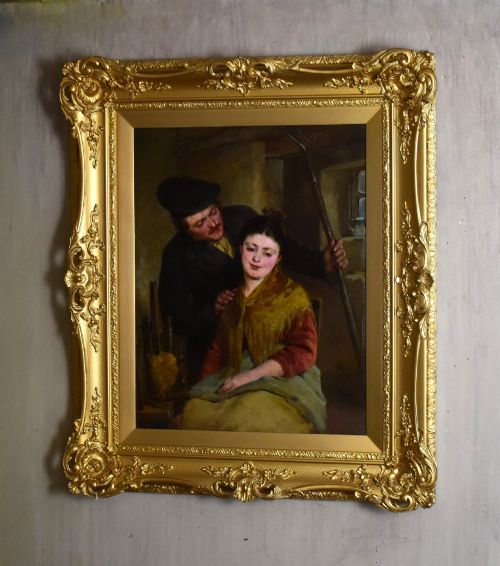
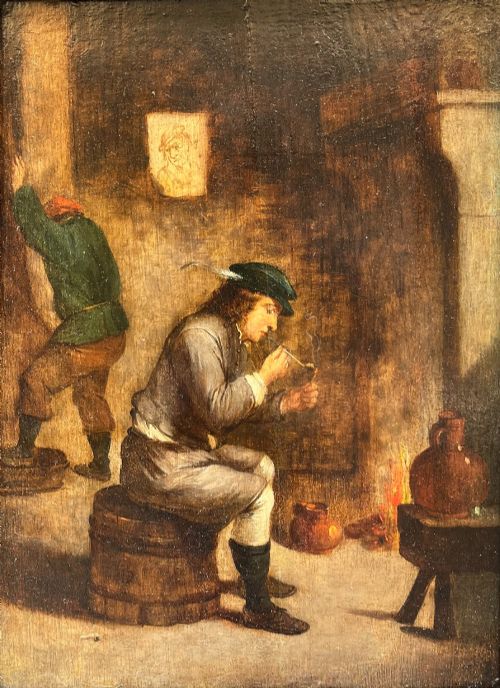
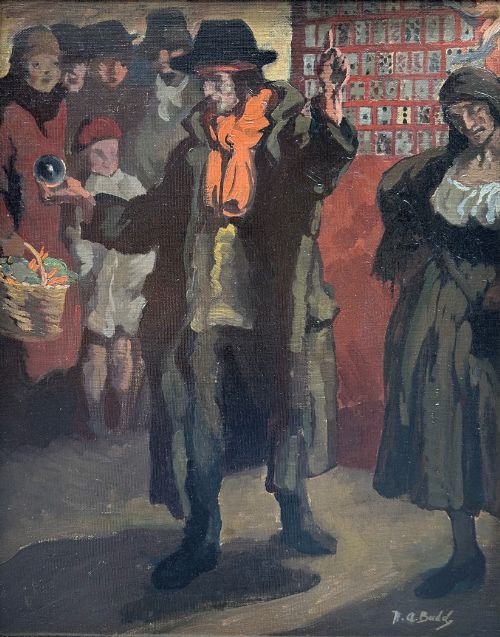
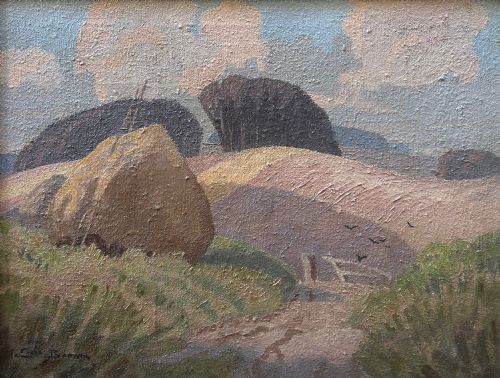
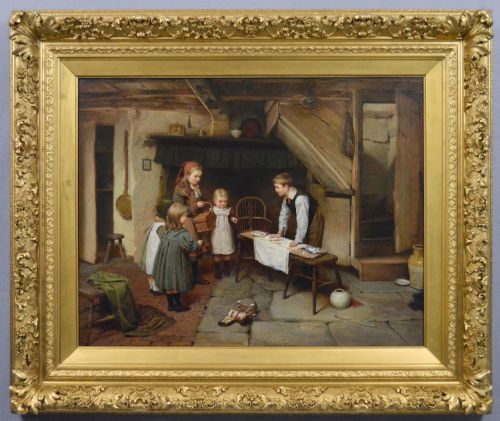
The selections on this page span the seventeenth, eighteenth, nineteenth and twentieth centuries, reflecting diverse European and British traditions. Subjects include pastoral landscapes, Highland scenes, genre studies of children or labourers, and historical narratives rendered in rich, muted palettes.
Most examples originate from British and continental European studios, featuring both signed works by known artists and accomplished pieces by unrecorded hands. These paintings demonstrate how historical artists manipulated light and shadow through restrained tonal gradations.
How They Were Made
Painters built these works using oil paint applied to stretched canvas, wooden panels or boards, often securing them within period giltwood frames. The technique relied on layering translucent glazes over opaque underpaintings to achieve deep shadow and luminosity within a restrained palette.
Substrates varied according to period and regional practice, with sturdy wood panels favoured for earlier works and woven canvas becoming standard for larger nineteenth and twentieth-century compositions. Pigments derived from natural earths provided the durable, stable foundation characteristic of these historic paintings.
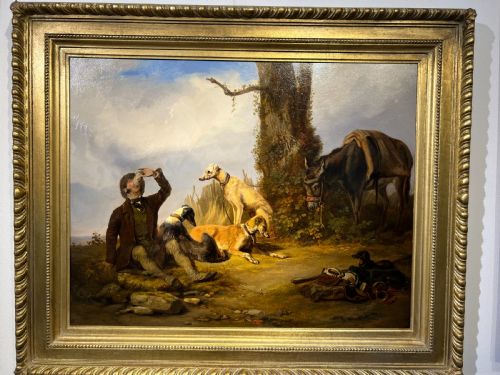
Several paintings capture animals at work or play, including diligent sheep, hunting dogs and ducks caught unawares.
What Varies In Quality
Quality in these paintings rests upon the surety of the brushwork, the depth achieved in shadow and the anatomical or spatial accuracy of the composition. Masterful handling of pigment allows limited tonal ranges to convey texture, atmosphere and form with striking immediacy.
Condition and originality also dictate standing, particularly the stability of the paint layer and the presence of the original or period-appropriate frame. Works that retain their surface integrity without heavy restoration offer a more direct connection to the artist's original intent.
Felix Stone Moscheles·Tom Campbell·Howard Helmick·David Teniers·Herbert Ashwin Budd·Sir Edwin Henry Landseer·Florence Small·Paul Ehrenberg·William Watt Milne·Harry Brooker·Gyrth Russell·Raimond Louis Lecourt·John Watkins Chapman·Gabriel Puig Roda·Owen Bowen·George Armfield·Vincenzo Irolli·Evaristo Cappelli·John Frederick Herring·Juan Ruiz Soriano·Frank Hyde·Pierre Emmanuel Dielmans
The Brown Tone Oil Artwork Glossary
- Impasto
- Paint applied thickly to a canvas or panel, standing visibly above the surface and retaining the marks of the brush or palette knife. This technique adds tactile dimension and captures light dynamically across the picture plane.
- Genre painting
- The pictorial representation of scenes from everyday life, involving ordinary people engaged in common activities. These works often provide social history through detailed depictions of domestic interiors, street scenes or rural labour.
- Glaze
- A thin, transparent or semi-transparent layer of oil paint applied over a dry underlayer to modify the colour and luminosity. Painters use glazes to create depth and rich optical effects within shadows.
- Wood panel
- A rigid wooden support used by artists instead of canvas, common in earlier periods and smaller formats. Panels provide a completely flat, stable surface that resists the slackening associated with stretched fabrics.
Brown Tone Oil Artwork: Frequently Asked Questions
What subjects appear most often?
Landscapes, portraits and rural genre scenes dominate these historical collections, reflecting the primary concerns of painters across multiple centuries.
Artists frequently turned to pastoral settings, agricultural life and individual character studies to explore light and shadow.
How should these paintings be displayed?
These works require placement away from direct sunlight and excessive humidity to protect the oil pigments and wooden supports.
Pairing them with appropriate wall lighting enhances the tonal subtleties inherent in the darker palettes.
Are wooden panels older than canvases?
Wood panels appear frequently in earlier centuries and smaller formats, offering a rigid and stable foundation for the paint.
Canvases grew more common as stretching techniques advanced and larger wall displays became fashionable.
What defines a genre painting?
Genre paintings depict everyday subjects and ordinary people rather than grand historical or mythological narratives.
These scenes offer insight into past domestic routines, social conditions and rural occupations.