





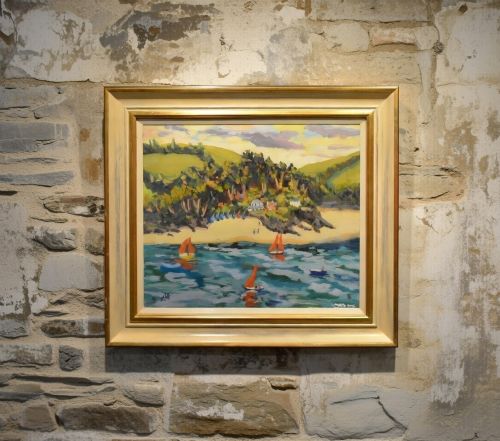
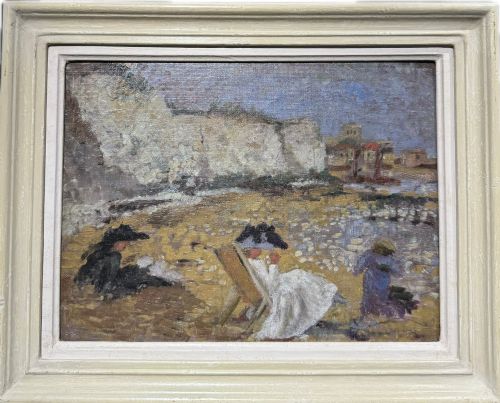
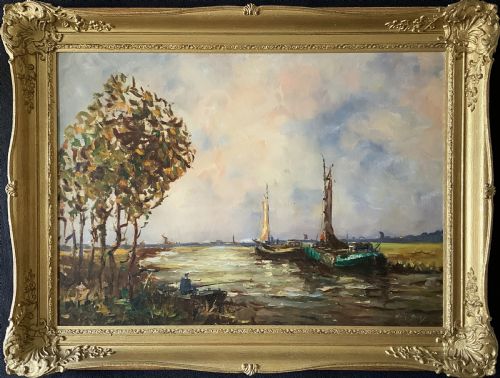
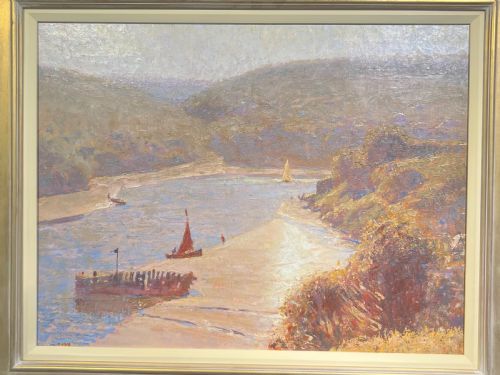
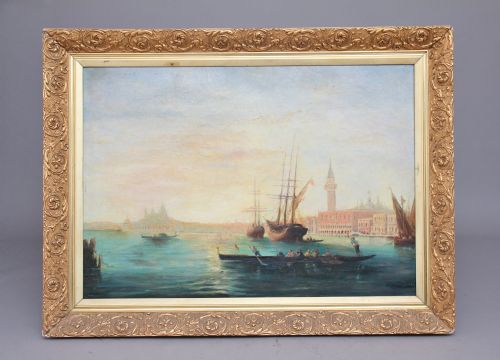


Impressionist Seascape Painting
Impressionist seascape painting captures light, water and weather through loose brushwork, offering timeless atmosphere for any room.
Impressionist Seascape Painting
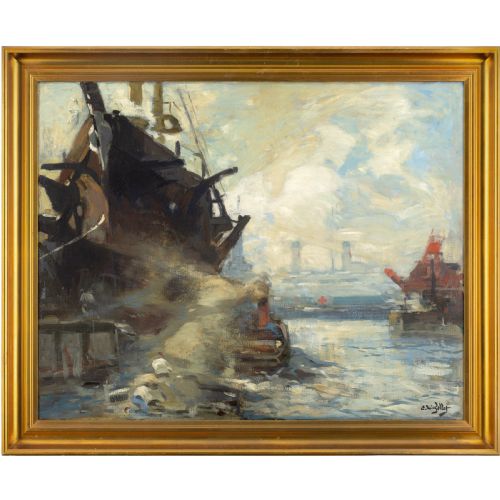
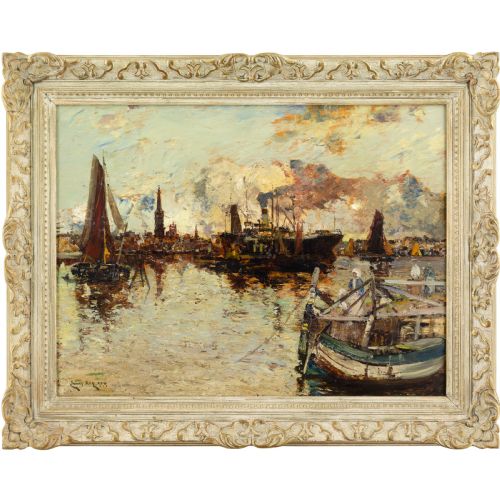
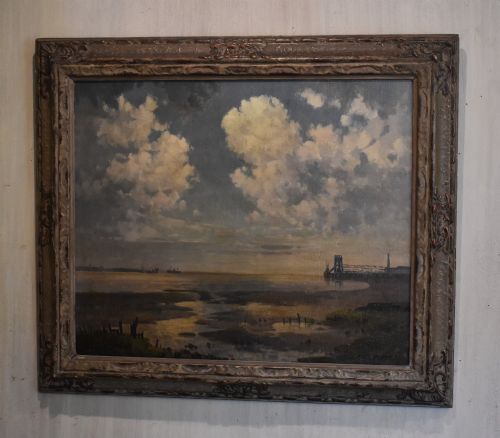
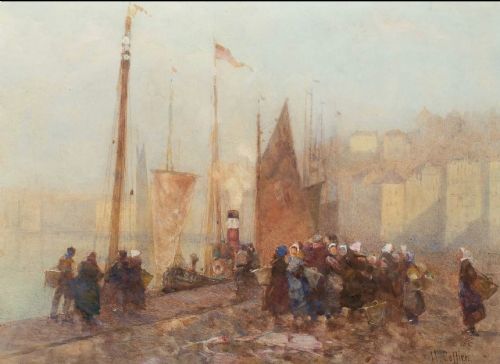
An impressionist seascape painting brings together the movement of water, coastal light and shifting atmospheric conditions in oil or watercolour. These works range from moonlight marine scenes to harbour views and plein air colourist studies painted directly from boats.
Most examples found here date from the early to mid-twentieth century, spanning the nineteen-hundreds up to nineteen-sixty. They include British school compositions, Scottish regional works and signed pieces by named artists.
Buyers encounter subjects such as North Shields Harbour, Venetian canals and English Channel sunsets. The selection offers both intimate watercolours on paper and substantial oil paintings on canvas or panel.
How they were made
Artists built these works using oil paint, impasto and watercolour applied to canvas, wood panels, paper or canvas attached to board. The physical application relies on visible, energetic brushstrokes that capture transient effects of light on water.
Many works were executed plein air, allowing painters to record immediate shifts in sea and sky. Finished pieces often reside in original wooden or gilt frames that complement the maritime palette.
Impressionist Seascape Painting Retail Price Guide 2026
Typical asking prices for impressionist seascape painting among the pieces listed under this phrase on Sellingantiques today, from the lower quarter to the upper quarter. They describe what is for sale here now, not the wider market.
One artist bravely chased the English Channel chop from a bobbing boat with a paintbrush in August nineteen-four.
What varies in quality
Quality rests upon the artist's command of light, tone and maritime atmosphere rather than mere scale. A strong composition uses confident impasto and fluid brushwork to convey movement in the water without overworking the surface.
Provenance and legibility of signature also elevate certain pieces, distinguishing rapid student exercises from accomplished works by regional British impressionists.
Frank Wasley·Walter Holmes·John W. Gilroy·F W Burns
The Impressionist Seascape Painting Glossary
- Plein air
- Painting outdoors to capture natural light and direct visual impressions. This method defines many marine and coastal studies.
- Impasto
- Thick application of paint that stands out from the surface. It gives texture to crashing waves and clouds.
- Post-Impressionism
- Art style following impressionism that explores emotion and symbolic colour. It builds upon earlier loose brushwork techniques.
- Marine oil painting
- Artwork depicting ships, harbours and the sea executed in oil medium. These pieces record coastal commerce and coastal weather.
Impressionist Seascape Painting: Frequently Asked Questions
How do I date an impressionist seascape painting?
Dating relies on stylistic evidence, stretcher construction, framing materials and any artist signatures or dates recorded on the reverse. Mid-century works often show different canvas preparations compared to those from nineteen-hundred.
Examining the handling of paint and the specific pigments used also helps place the work within periods like post-impressionism or mid-century impressionism.
Were these paintings made outdoors?
Many marine works and coastal studies were painted plein air directly from boats or shorelines to capture transient light. Artists worked quickly to record changing weather and tidal conditions.
Studio paintings would then be developed from these initial watercolours and oil panels.
What is the difference between oil and watercolour seascapes?
Oils on canvas, wood or board offer rich texture and heavy impasto suited to stormy seas and thick clouds. Watercolours on paper provide a lighter, luminous quality ideal for calm harbours and bright skies.
Both media were employed across British impressionism to interpret maritime subjects.
How should I frame and display a marine painting?
Display these works away from direct sunlight and high humidity to protect the canvas, paper and paint layers. Many pieces retain period wooden or gilt frames that suit their aesthetic.
Ensuring stable room temperatures preserves both oil paint and watercolour over time.