




Impressionist Seascape Oil Artwork
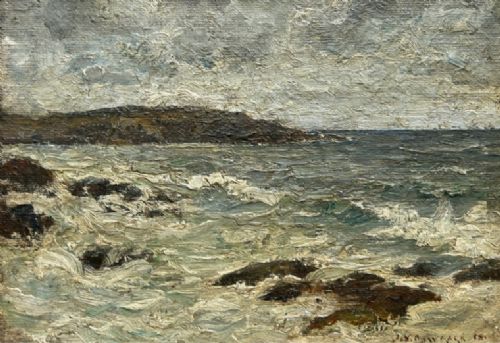
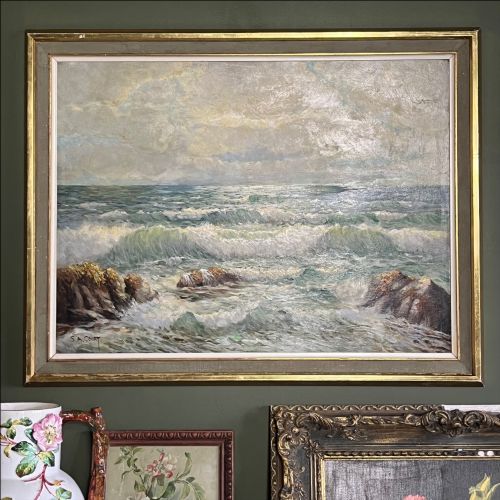
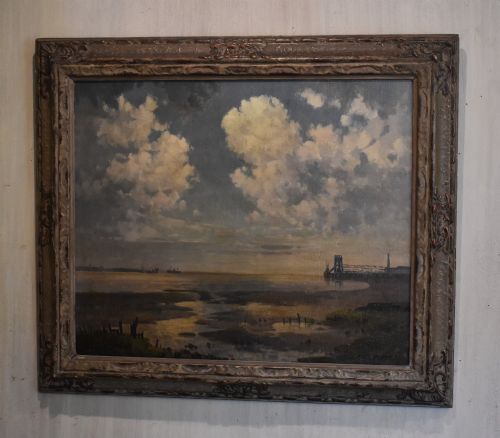
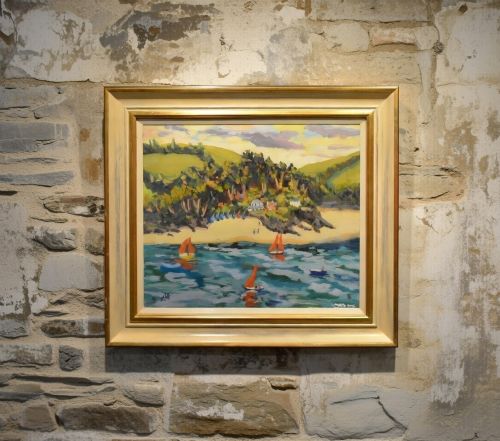
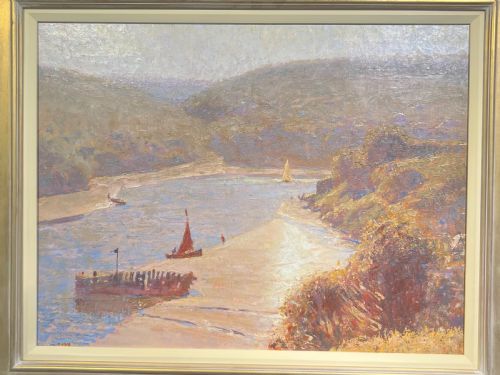
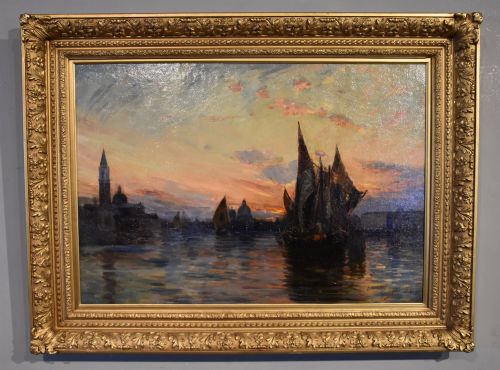
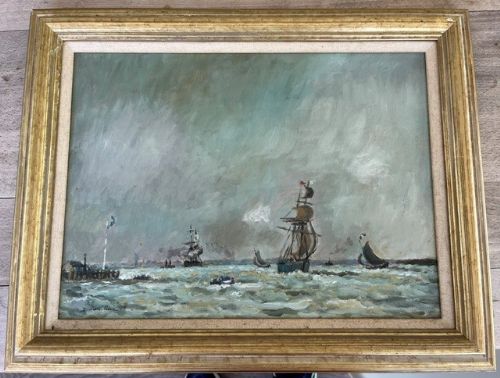
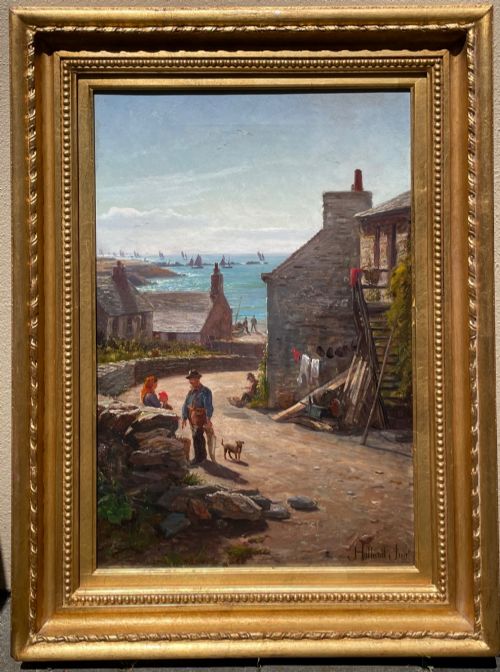
Impressionist seascape oil artwork captures light and water through loose brushwork, offering buyers a window into maritime atmosphere and coastal movement.
Impressionist Seascape Oil Artwork
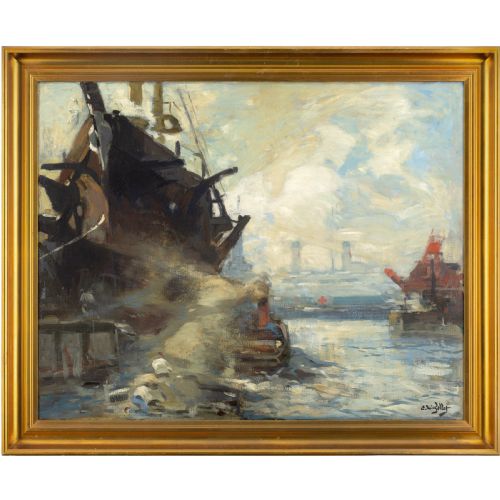
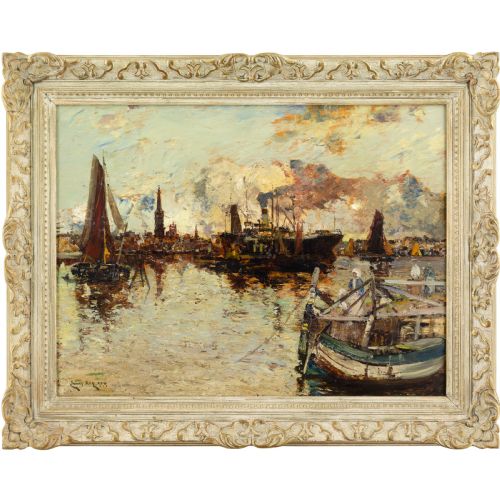
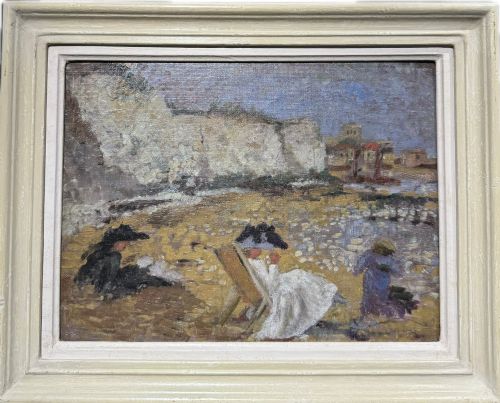
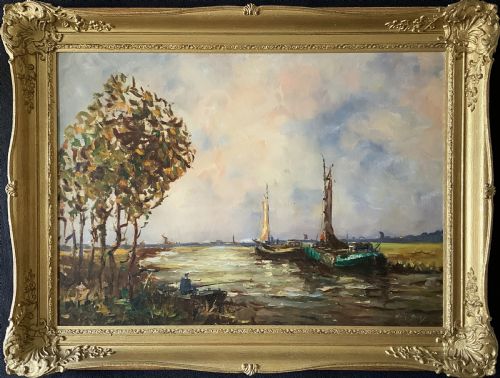
An impressionist seascape oil artwork presents coastal scenes, harbours, and open water through the lens of various international and British movements. Buyers searching this phrase encounter paintings stretching from the early twentieth century into the mid-twentieth century.
The selection ranges from British coastal views in Cornwall and Yorkshire to French Mediterranean ports and canalscapes. Most examples are executed on canvas or board, reflecting en plein air practices or studio interpretations of maritime light.
How they were made
Artists painted primarily with oil paint on canvas or wooden boards, applying pigments either in smooth glazes or thick, textured impasto strokes. These materials allowed painters to build surface relief that mimics the choppy texture of water or the rough surface of coastal rocks.
Framing often includes gilt or painted wood surrounds that complement the maritime subject matter. The physical construction relies on traditional stretcher frames for canvas supports or rigid panels for smaller outdoor studies.
Sailors watching from the quayside sometimes wondered why artists sat painting in the wind when they could simply look at the water.
What varies in quality
Quality rests upon the artist's command of light, tone, and brush handling rather than the sheer size of the canvas. Stronger works capture the transient atmosphere of weather and water with economy and confidence.
Compositional balance and the handling of pigment distinguish accomplished maritime paintings from standard decorative views. Works that successfully convey depth and movement through painterly touch stand apart in any collection.
Clifford Hanney·Eugène-Louis Gillot·James Kay·Clive Browne·Willem Bos·Cecil Allan Mould·Erich Mercker·John Holland·Elisabeth Bardon·Louis Suire·Gustave Vidal·Gyrth Russell·Jean-Baptiste Olive·Raymond Picque·George Turland Goosey·Norman Lloyd·William Greaves·Charles Malfroy·Edward Seago·Florence Hess·Roger de la Corbiere·Donald McIntyre·Owen Bowen·Jeffrey Pratt
The Impressionist Seascape Oil Artwork Glossary
- Impressionism
- A nineteenth and twentieth century painting style focused on capturing the visual impression of a moment, especially regarding shifting light. Painters utilised visible brushstrokes and unblended colour.
- En plein air
- The practice of painting outdoors to directly capture the actual effects of light and weather on the landscape. This approach resulted in immediate, observational brushwork.
- Impasto
- Paint applied thickly to a canvas or board, standing out in relief from the plane. This technique gives physical texture to elements like foaming sea spray or rugged stone.
- Maritime
- Pertaining to the sea, ships, and coastal environments. Such subjects form the primary focus of coastal landscape paintings.
Impressionist Seascape Oil Artwork: Frequently Asked Questions
What defines an impressionist seascape?
These works focus on coastal views, harbours, and the open sea using loose, visible brushstrokes rather than rigid academic detail. The primary goal is capturing the changing effects of light, wind, and water.
Artists working in this mode often painted outdoors to record the immediate atmosphere of a specific coastal location. The resulting canvases reflect a direct engagement with maritime environments.
How do I care for an oil painting?
Oil paintings on canvas or board require stable indoor humidity and protection from direct sunlight to preserve the pigments and binder. Keeping the surface free of dust with a soft, dry brush maintains the condition over time.
Avoid hanging works in damp spaces or near direct heat sources which can cause the wooden supports or canvas to warp. Proper framing also helps shield the reverse of the piece from environmental shifts.
Where were these coastal scenes painted?
The pieces originate from various coastal regions across Britain, France, the Netherlands, and beyond. Locations range from Cornish fishing ports and Yorkshire cliffs to Mediterranean harbours along the Côte d'Azur.
Artists travelled to busy commercial ports, quiet beaches, and dramatic rocky shores to record local maritime life. Each geographic area introduced distinct light qualities and architectural details to the canvases.
How can I tell the period of a painting?
Dating relies on stylistic clues, framing methods, artist biographical records, and sometimes inscriptions left on the reverse of the canvas or board. Mid-century works often show a looser, more abstracted approach compared to earlier academic styles.
Material evidence such as the type of stretcher frame, canvas weave, or panel composition also offers guidance. Comparing an unsigned piece to documented works by contemporaries helps narrow down the decade of creation.