



Impressionist Beach Landscape Art
Impressionist beach landscape art brings coastal light and open air into a room through oils and watercolours.
Impressionist Beach Landscape Art
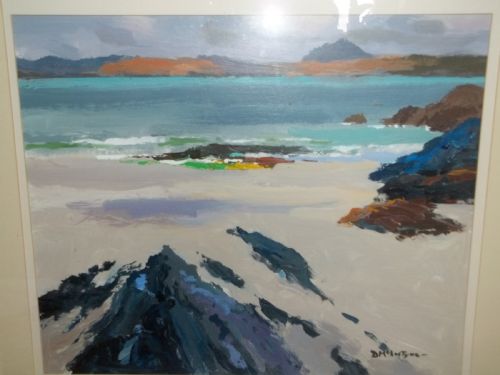
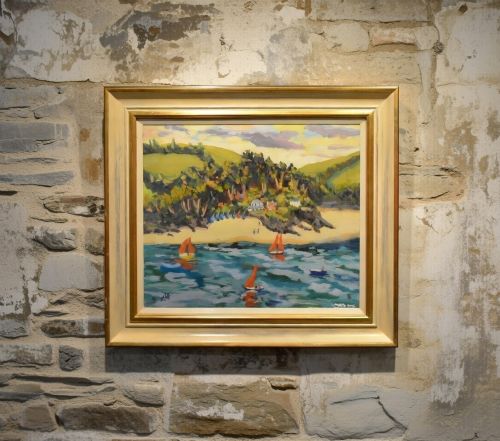
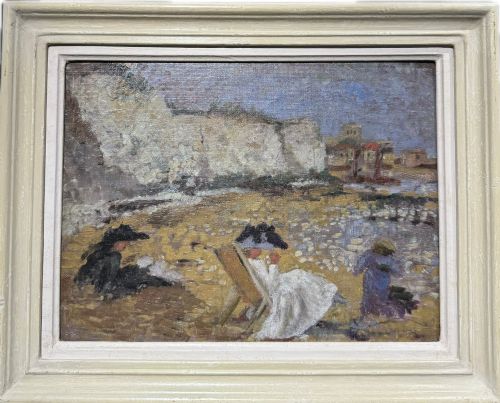
When buyers search for impressionist beach landscape art, they look for painted coastal views that capture natural light and movement by the shore. The works appearing here span from the nineteenth century through the mid-twentieth century, encompassing British and French regional scenes.
The most common formats on this page are oil paintings on canvas and watercolours on paper, often presented in gilt wood and gesso frames. Subjects range from Cornish harbours and Welsh bays to French coastal gatherings.
Pieces reflect movements such as British Impressionism, Post-Impressionism, and Victorian Fine Art. Makers include named painters alongside works associated with regional artistic circles.
How they were made
Artists applied oil paint or watercolour onto prepared canvas, wood panels, or paper supports to render marine views and seaside atmospheres. Brushwork often remains visible to capture transient effects of light on water and sand.
Several artists preferred painting low tide, capturing the specific moment when wet sand mirrors the open sky.
What varies in quality
Quality in these coastal works rests on the artist's handling of light, atmosphere, and spatial depth within the composition. Stronger pieces demonstrate confident brushwork and a coherent sense of place, whether depicting a busy harbour or a quiet shore.
The integration of the painting with its period frame also affects the overall character of the piece. Works by established regional artists or those with clear provenance tend to hold greater distinction.
William Banks Fortescue·Lucy Pratt·Ethel Sands·Joseph Edward Hennah·Jules Evarist van Biesbroeck·Donald McIntyre·Frederick William Hattersley·Ernest F Hill·Sir David Murray·Owen Bowen·Robert Macaulay Stevenson·William Greaves·Charles McAuley·Alfred Egerton Cooper
The Impressionist Beach Landscape Art Glossary
- Post-Impressionism
- An art movement extending beyond impressionist methods to emphasise geometric forms, expressive use of colour, and distinct brushstrokes. It developed in France and influenced painters across Europe.
- Gesso
- A plaster-like mixture applied to wood panels or frames as a base for painting or gilding. It provides a smooth surface for decorative finishes.
- Gilt Wood
- Wood that has been covered with a thin layer of gold leaf or gold paint. It appears frequently on traditional frames surrounding landscape art.
- Watercolour Painting
- A medium where coloured pigments are suspended in a water-soluble vehicle on paper. It allows for translucent washes and delicate atmospheric effects.
- Newlyn School
- An art colony based in Cornwall during the late nineteenth and early twentieth centuries. Artists associated with it focused on naturalistic plein-air painting of local coastal life.
Impressionist Beach Landscape Art: Frequently Asked Questions
What is impressionist beach landscape art?
Impressionist beach landscape art consists of paintings and watercolours depicting coastal scenes, harbours, and shores with an emphasis on light and atmosphere. These works date primarily from the nineteenth and twentieth centuries.
They capture outdoor subjects ranging from Cornish fishing ports to French coastal views, utilising mediums like oil on canvas and watercolour on paper.
How were these coastal paintings framed?
Many of these artworks are presented in traditional frames made of gilt wood and gesso. These frames often reflect the decorative styles of their respective periods.
Original or period-appropriate frames help preserve the context of the artwork and complement the visual tones of the seaside subject matter.
Who painted these seaside scenes?
The works on this page include paintings by named artists associated with British and European artistic communities, such as the Newlyn school. Other pieces originate from wider regional circles or anonymous hands.
Signatures, dates, and historical records help attribute specific watercolours and oil paintings to known painters of the nineteenth and twentieth centuries.
How do I care for an oil painting on canvas?
Oil paintings on canvas require stable indoor environments away from direct sunlight and excessive moisture. Gentle dusting with a soft, dry brush is generally sufficient for surface maintenance.
Avoid using liquid cleaners or attempting restoration without professional guidance to protect the paint layers and canvas support.