



Impasto Coastal Landscape Painting
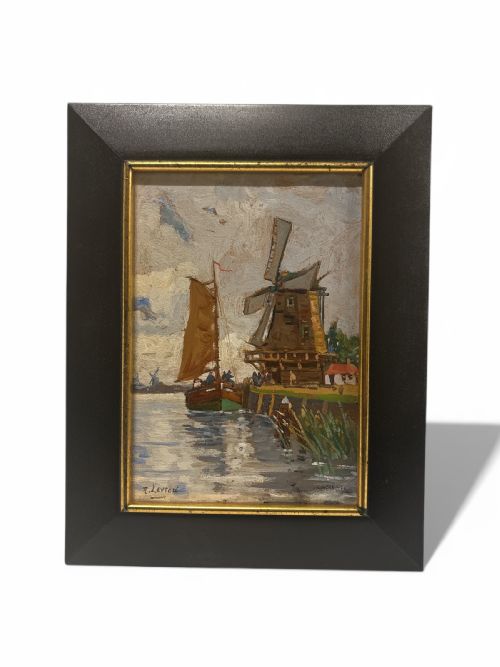
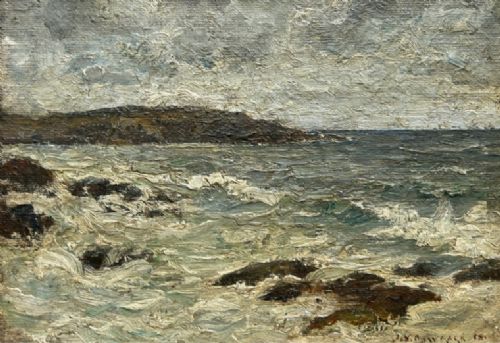
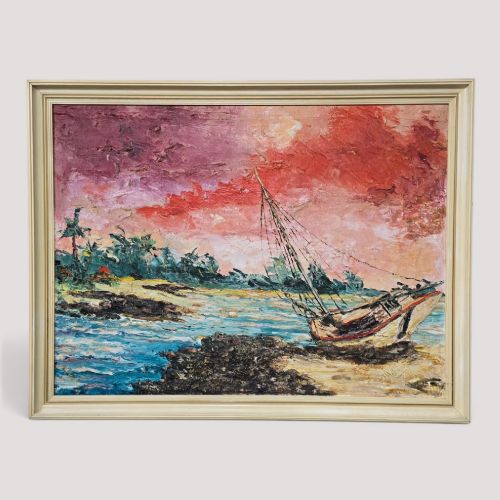
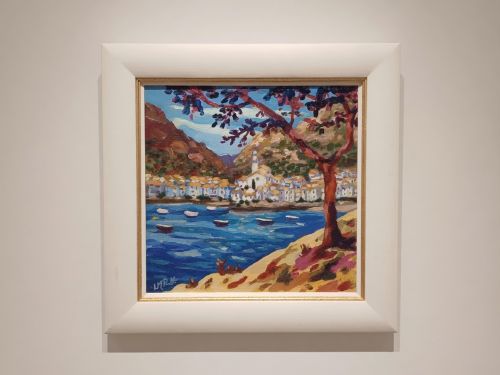
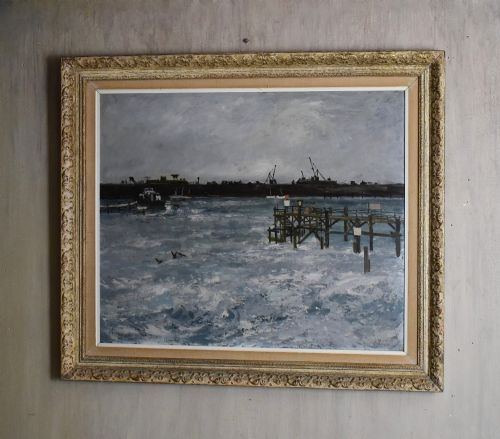
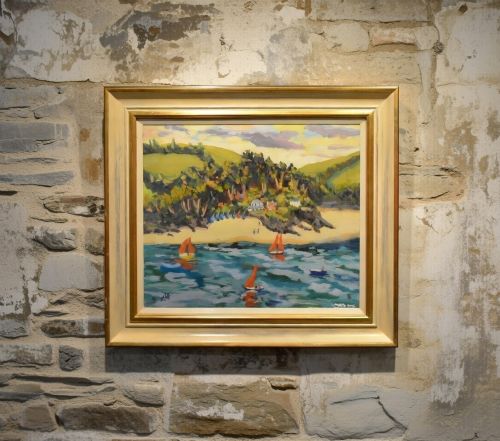
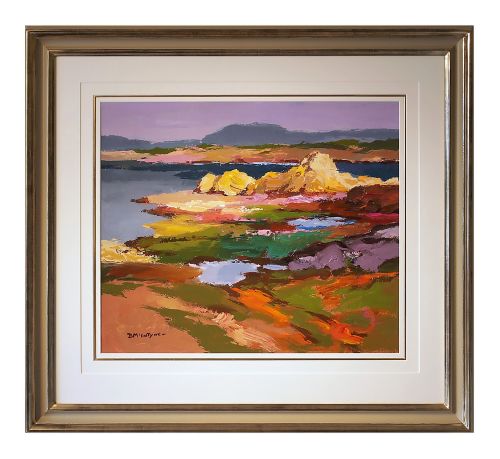
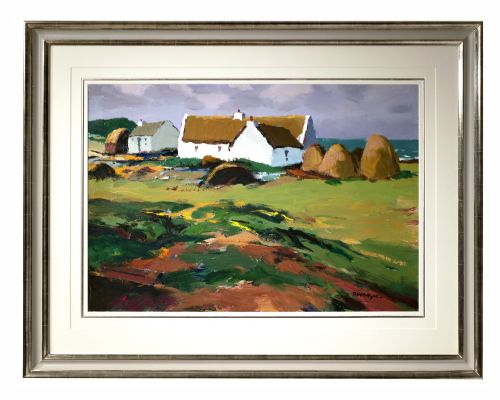
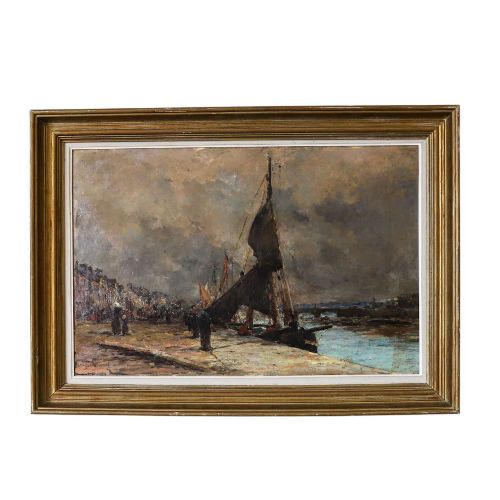
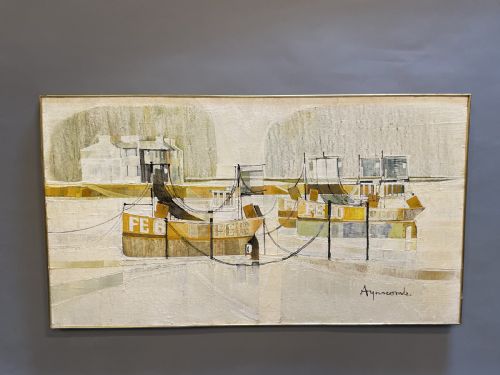
An impasto coastal landscape painting captures the tactile energy of sea and shore through layered, heavy pigment.
Impasto Coastal Landscape Painting
When you search for an impasto coastal landscape painting, you encounter works spanning from the nineteenth century through the mid-twentieth century, including Edwardian and post-war British pieces alongside French coastal scenes. The selections frequently depict harbours, estuaries, and maritime views executed in styles ranging from impressionism to post-impressionism and mid-century modernism.
The most common formats you meet on this page are oil paintings applied to canvas or board, often housed within gilt frames. These pieces typically record specific coastal locations such as Dorset, Cornwall, Brittany, and the Côte d'Azur, translated through thick, visible brushwork.
Distinctions in quality
The distinction between average and exceptional works rests upon the confidence of the handling and the cohesion of the composition. Superior examples demonstrate a purposeful control over heavy pigment, where the thickness of the paint serves the structure of the light and water rather than obscuring form.
Depth of colour and the articulation of atmospheric light further separate works, as does the harmony between the painted surface and its period frame.
Salcombe red sails and Tees old barges share wall space with sunny Riviera harbours.
Kenneth Cozens·R Leyton·Lucy Pratt·Peter Brannan·Donald McIntyre·Helen Layfield Bradley·Jean-Baptiste Olive·Raymond Picque·James Fry·Cecil Rochfort D'Oyly-John·Florence Hess·Edward M. Elliott·Jack R Mould·E.Elliot
The Impasto Coastal Landscape Painting Glossary
- Impasto
- Paint applied thickly to a canvas or board, standing out in relief from the plane. This technique gives the surface a tactile, three-dimensional quality that catches the light.
- Post-Impressionism
- An artistic movement following impressionism that extends its use of vivid colours and thick brush strokes while placing greater emphasis on geometric forms and expressive content.
- Estuary
- The tidal mouth of a large river where the tide meets the stream, frequently serving as a subject for maritime and coastal artworks.
- Gilt frame
- A wooden picture frame covered with a thin layer of gold leaf or gold paint. These frames enhance the visual weight of oil paintings from the nineteenth and twentieth centuries.
Impasto Coastal Landscape Painting: Frequently Asked Questions
What periods do these paintings cover?
The works span from the nineteenth century through Edwardian times and across the twentieth century, with a strong representation of mid-century pieces from the nineteen-fifties and sixties.
Post-war British and French modernism feature prominently alongside earlier impressionist interpretations of the coast.
Where were these coastal scenes painted?
Artists recorded maritime subjects across British locations including Dorset, Cornwall, Wales, and Yorkshire, as well as French shores such as Brittany, Marseille, and the Côte d'Azur.
These varied locales provided the dynamic light and tidal changes suited to heavy oil application.
How should I display an oil painting on board?
Paintings executed on wooden boards require stable indoor environments away from direct heat sources and excessive moisture to protect the rigid support.
Housing them in appropriate period frames helps secure the edges and maintains historical context.
How do I identify impasto work?
Impasto is recognised by the raised ridges and peaks of pigment that stand visibly proud of the canvas or board surface.
This technique creates physical depth and texture across the painted waves, sails, and shorelines.