

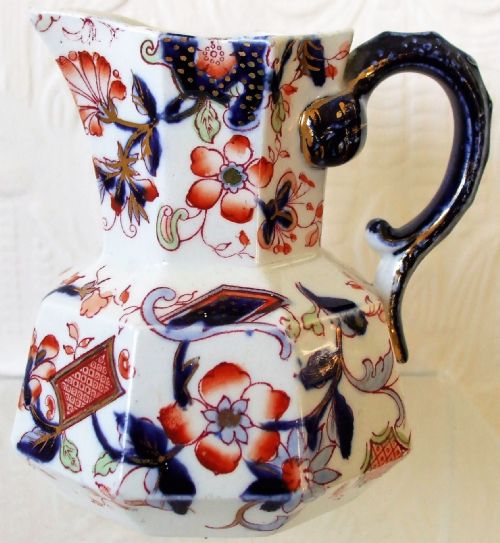
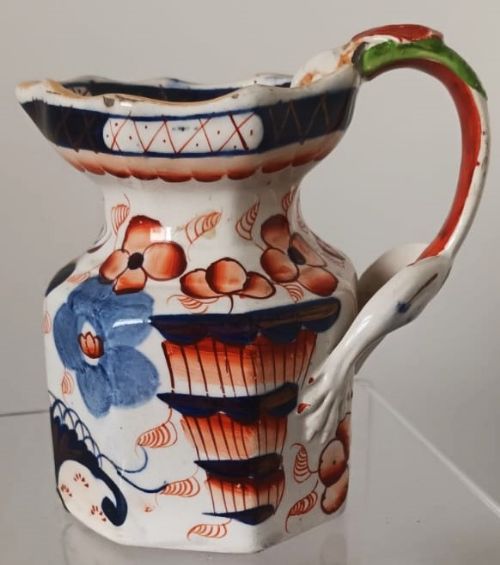
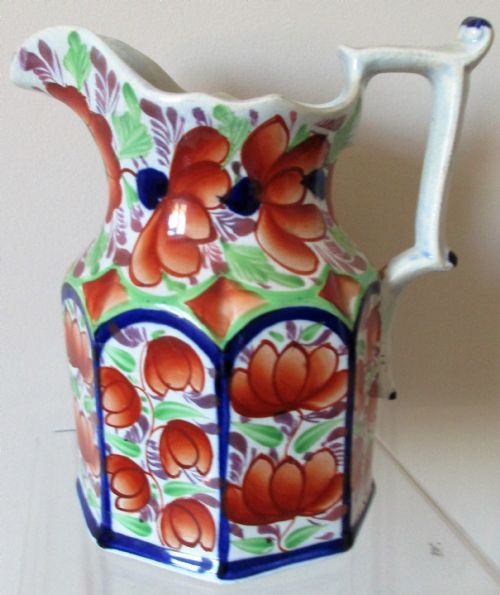
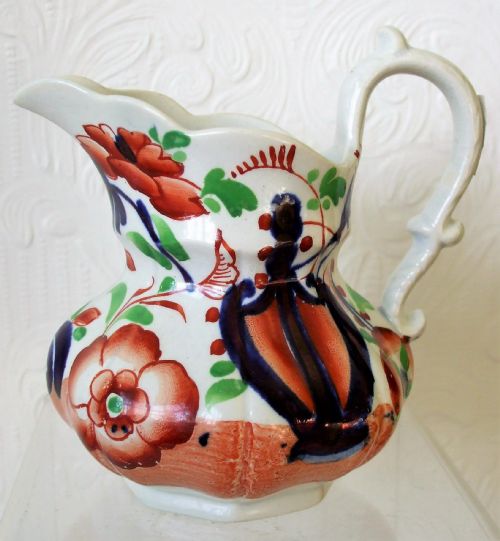


Imari Pattern Jug
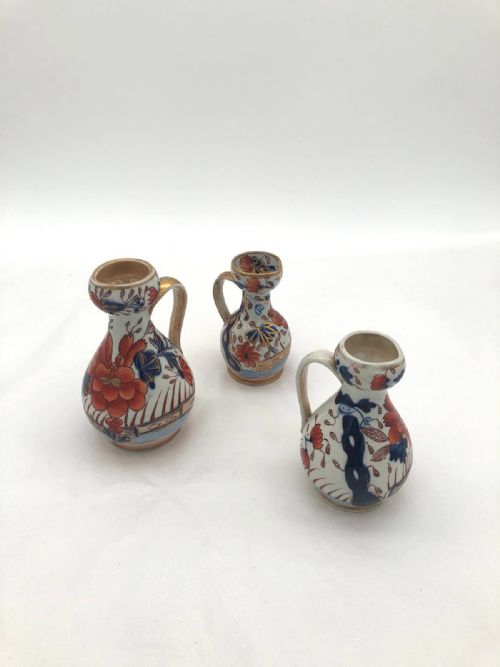
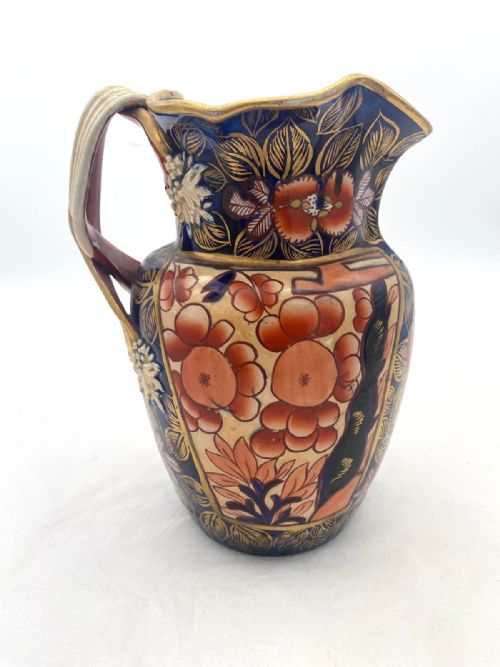
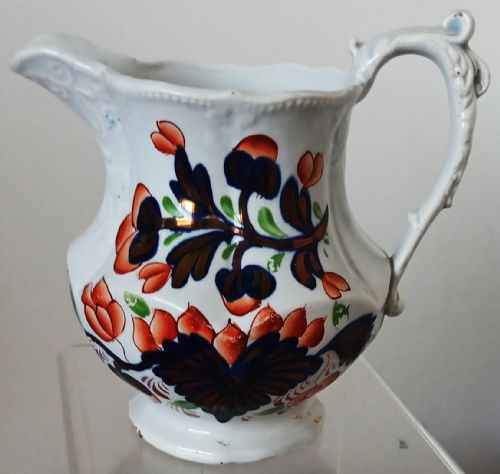
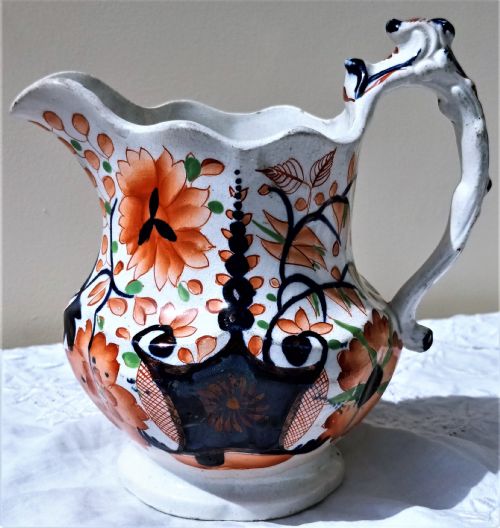
An imari pattern jug brings vibrant iron-red, cobalt blue, and gilt decoration to the table, uniting traditional ceramic forms with bold palettes.
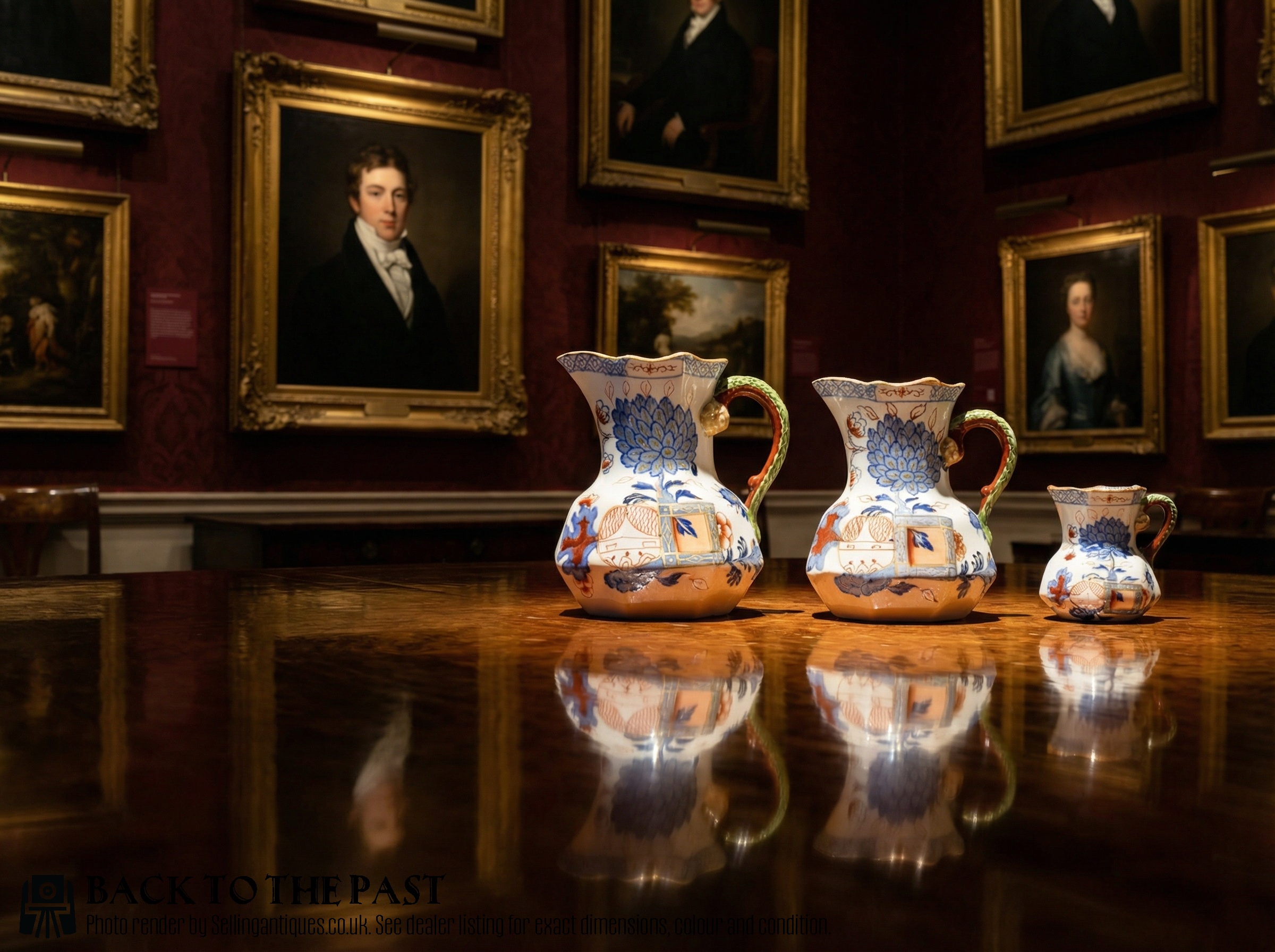
Imari Pattern Jug
When searching for an imari pattern jug, buyers encounter pieces spanning the Georgian, Regency, and Victorian periods. These vessels primarily take the form of utilitarian jugs, pitchers, and complete tea services.
How they were made
Potters shaped these vessels from robust ironstone, fine porcelain, and traditional earthenware before applying detailed underglaze blue and overglaze iron-red enamel. This combination created a durable surface suited to daily use.
Makers finished the pieces with intricate details using gold leaf and rich gilding, which highlighted the motifs and added a layer of reflective sheen to the ceramic body.
What varies in quality
The distinction between standard production wares and superior examples rests upon the precision of the hand-painted enamel work and the crispness of the moulded ceramic forms. Finer pieces display sharply defined patterns and carefully controlled application of gold leaf.
The weight and finish of the ironstone or porcelain body also indicate the standard of manufacture, where heavier, well-balanced bodies and unblemished glaze surfaces represent the upper tier of output.
Keeling & Co.·Royal Davenport·Samson Hancock Derby·Royal Crown Derby
The Imari Pattern Jug Glossary
- Ironstone
- A dense, durable type of earthenware patented in the nineteenth century to rival true porcelain. It provided a sturdy canvas for brightly coloured enamels.
- Hydra jug
- A specific vessel shape characterised by a serpent-handled form and a wide pouring lip. It was frequently produced by prominent nineteenth-century potteries.
- Gilding
- The application of gold leaf or powdered gold mixture to the surface of ceramics. This technique accentuated moulded details and geometric borders.
- Gaudy Welsh
- A style of colourful earthenware pottery produced in the nineteenth century featuring rich cobalt blue, copper lustre, and iron-red designs.
- Enamel
- A glassy, coloured substance fused to the surface of fired ceramics through a secondary low-temperature firing. It provided the bright reds and greens characteristic of these patterns.
Imari Pattern Jug: Frequently Asked Questions
What is an imari pattern jug?
An imari pattern jug is a ceramic vessel decorated in the distinctive palette of iron-red, underglaze blue, and gold leaf. These pieces date predominantly from the nineteenth century.
They reflect traditional decorative styles adapted by British potteries during the Georgian and Victorian eras for use as milk jugs, creamers, and water pitchers.
How do I date a nineteenth century jug?
Dating a nineteenth century jug involves examining the ceramic body, maker's marks, and stylistic clues. Ironstone and heavy earthenware bodies often indicate the Victorian period.
Earlier Georgian pieces frequently feature lighter porcelain bodies or specific handle shapes like the hydra. Comparing the pattern name and registration marks provides further chronological precision.
Were these jugs used daily?
Many of these vessels were produced as functional items for tea service, dairy use, or washing sets. Ironstone and robust earthenware were specifically chosen for their durability.
While some decorative pieces remained on display, most standard jugs handled daily service alongside matching basins, teapots, and cups.
What is ironstone pottery?
Ironstone is a heavy, semi-vitrified earthenware developed to offer the strength of stoneware combined with the refined appearance of porcelain. It resisted chipping better than standard pottery.
Potteries utilised ironstone extensively for jugs, basins, and dinner services throughout the nineteenth century because it accepted glazes and enamels securely.