






Imari Floral Porcelain Charger
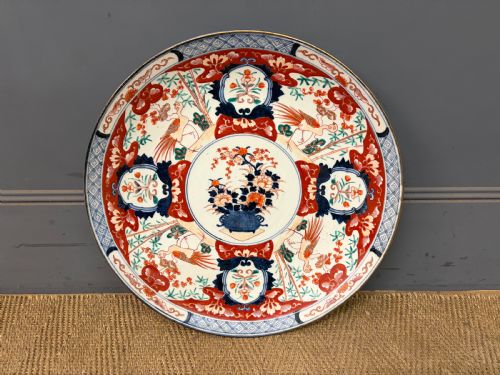
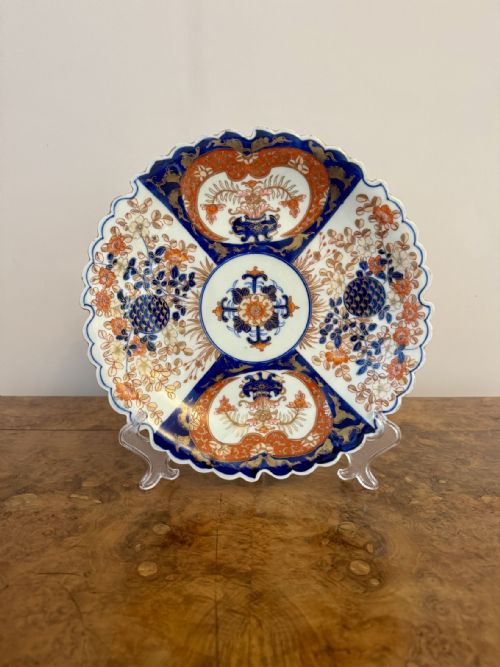
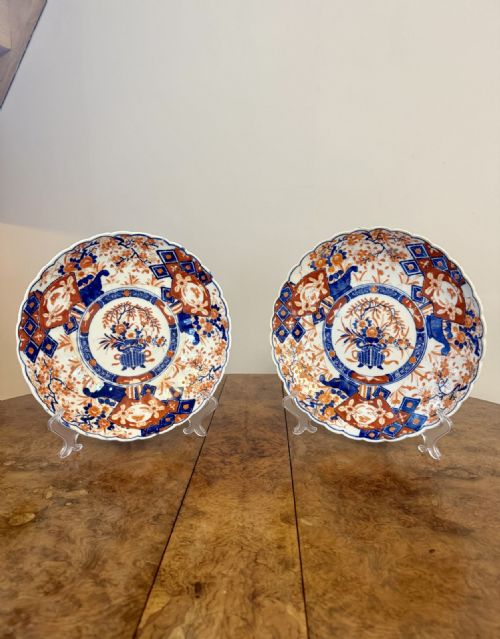
An imari floral porcelain charger brings deep cobalt underglaze, iron red, and gilt to a wall or table.
Imari Floral Porcelain Charger
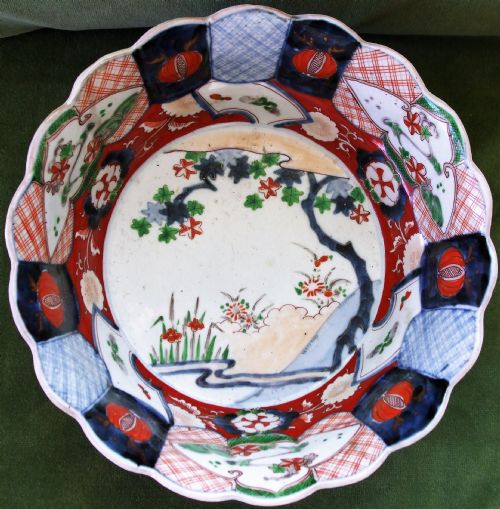
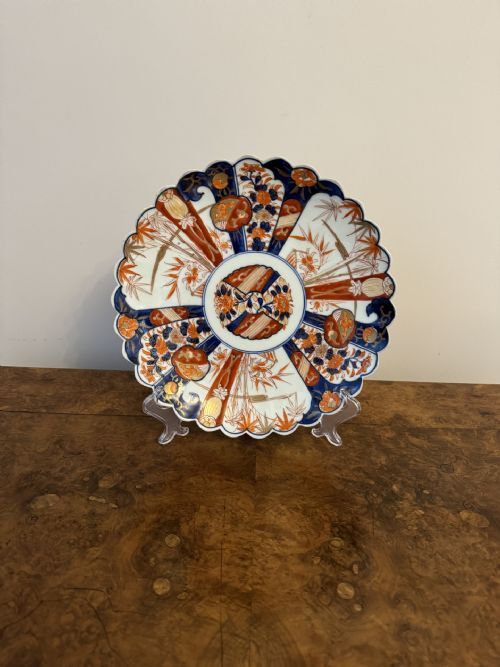
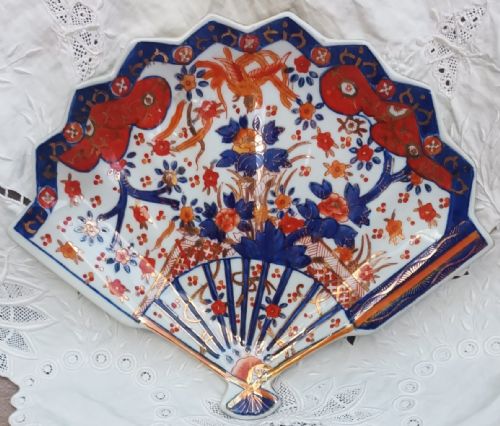
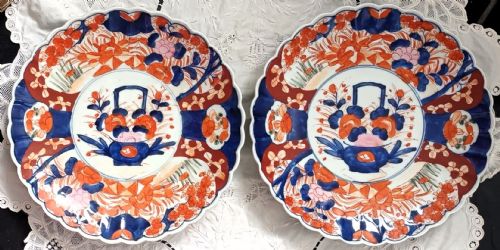
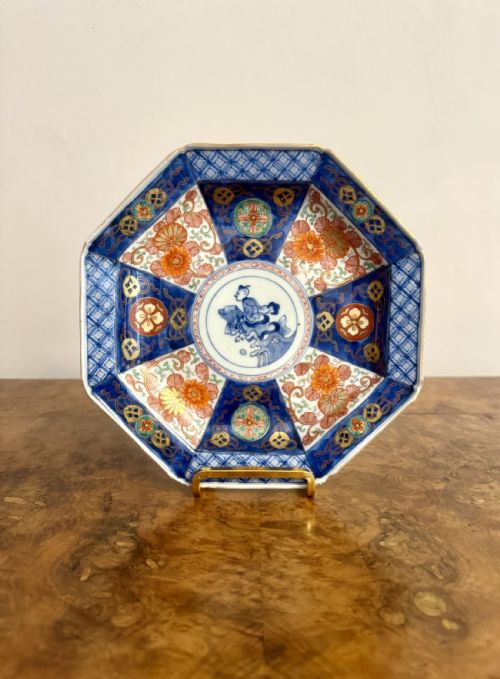
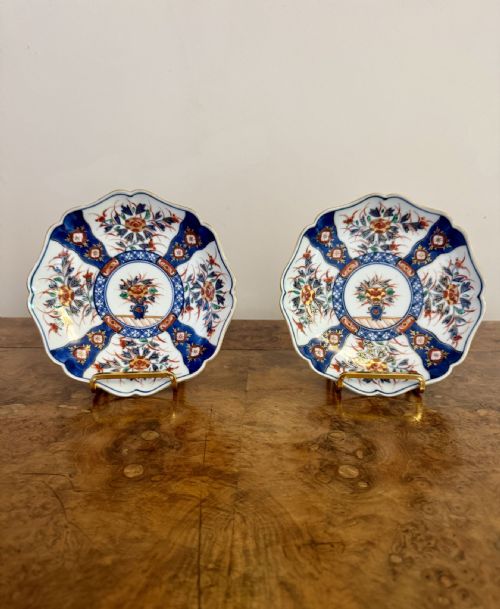
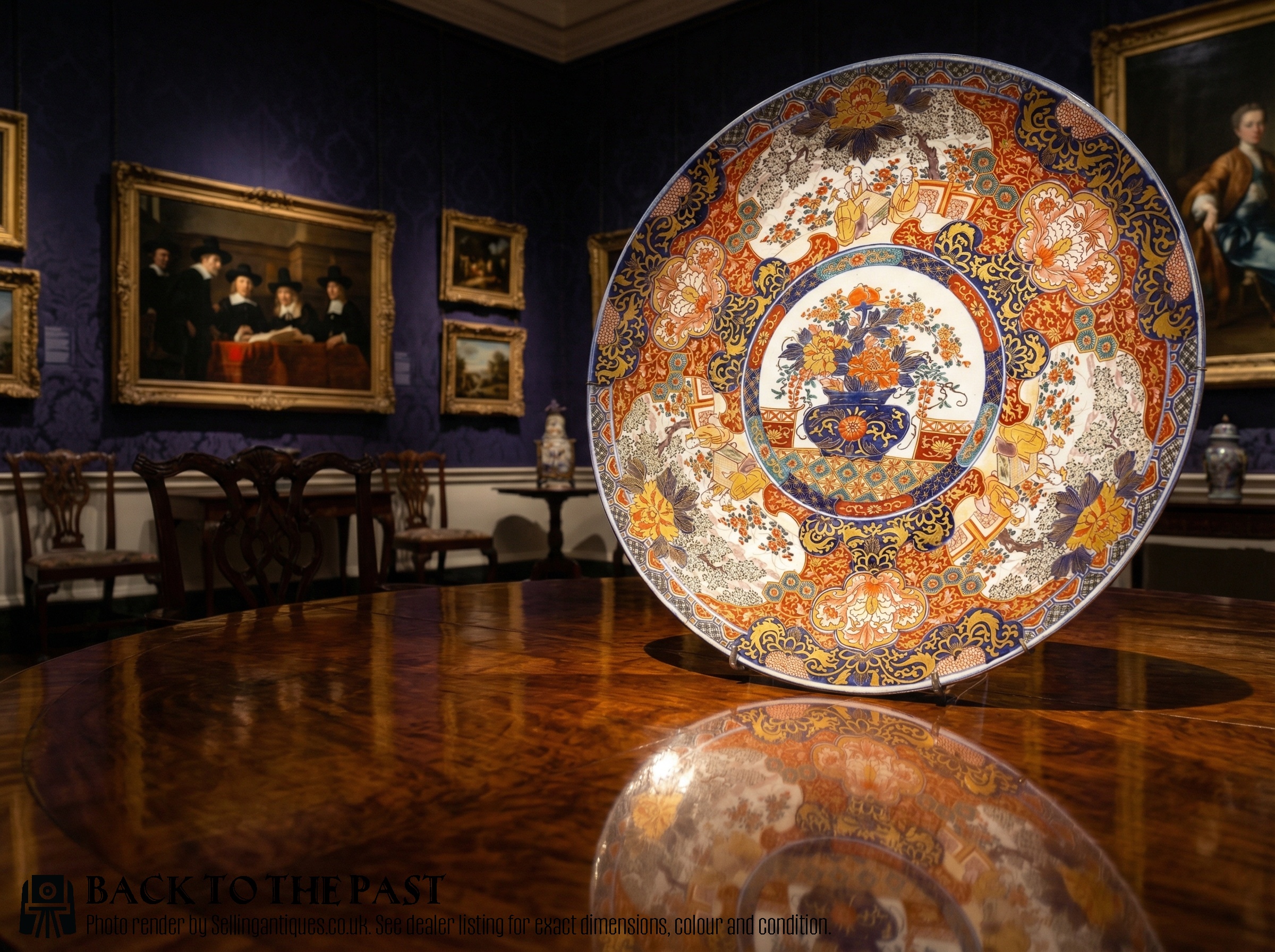
An imari floral porcelain charger is a wide decorative display dish or wall plate shaped by Japanese traditions, particularly from the Edo and Meiji periods, alongside Chinese export and English ironstone interpretations. Most pieces encountered on this page date from the nineteenth century up to around nineteen-twenty, appearing as large round dishes, scalloped edges, and occasional hexagonal or square forms.
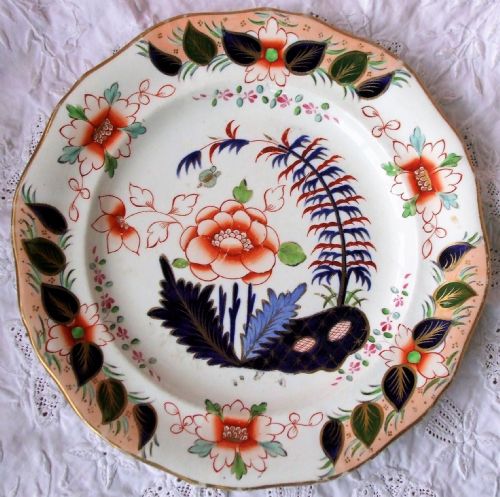
Makers such as John Davenport of Longport also produced English imari pattern ironstone plates during the nineteenth century. The forms range from simple decorative dishes to large chargers and deep bowls, frequently utilised for interior display rather than daily dining.

How they were made
These pieces utilise porcelain or ceramic bases finished with cobalt underglaze blue and enamel paint, often accented with gold leaf, gilt, or gilding. The decorative schemes rely on hand-painted floral and bird designs applied across the ceramic surface before firing.
Techniques span Japanese Arita production methods and Chinese export traditions, combining ironstone or porcelain bodies with vibrant polychrome glazes.
Materials recorded on this page include porcelain, ceramic, enamel, cobalt underglaze, gold leaf, gilt, and gilding.
What varies in quality
The standard of painting on an imari floral porcelain charger defines the top of the range, showing precise brushwork in the hand-painted floral and bird motifs. Superior pieces demonstrate crisp cobalt underglaze definition alongside well-preserved gilding and enamel colour.
Form and edge treatment also distinguish better examples, such as neatly shaped scalloped edges or unusual hexagonal and square plates that require greater skill to throw and fire.
John Davenport of Longport
The Imari Floral Porcelain Charger Glossary
- Charger
- A large decorative plate traditionally used for display or service rather than individual dining. These wide dishes form the centerpiece of many collections.
- Cobalt Underglaze
- A blue pigment applied to raw ceramic before glazing and firing. It withstands high temperatures without losing its distinct hue.
- Enamel
- Opaque vitreous material applied over the fired glaze to add bright surface colours like iron red. It provides the secondary palette characteristic of this ware.
- Gilding
- The application of gold leaf or gold paint to highlights on the ceramic surface. It brings metallic warmth to the painted floral designs.
- Scallop Edge
- A decorative border shaped into a series of curves resembling a scallop shell. This treatment appears frequently on nineteenth-century Japanese plates and bowls.
Imari Floral Porcelain Charger: Frequently Asked Questions
How were imari floral porcelain chargers used?
These large dishes served primarily as decorative display pieces on walls, cabinets, or large tables rather than for everyday dining. Their substantial diameter and vibrant hand-painted designs made them centrepieces in homes.
Over time, collectors mounted them on walls or displayed them in specialised plate racks to protect the enamel and gilding from wear.
How do I date an imari charger?
Dating relies on stylistic clues, ceramic bodies, and period markers such as the Meiji period or late nineteenth-century production dates. Japanese Arita pieces often show distinct potting traits characteristic of specific decades.
Examining the foot ring, glaze consistency, and underglaze blue depth helps separate eighteenth-century examples from later nineteenth-century output.
Can I hang an imari charger on the wall?
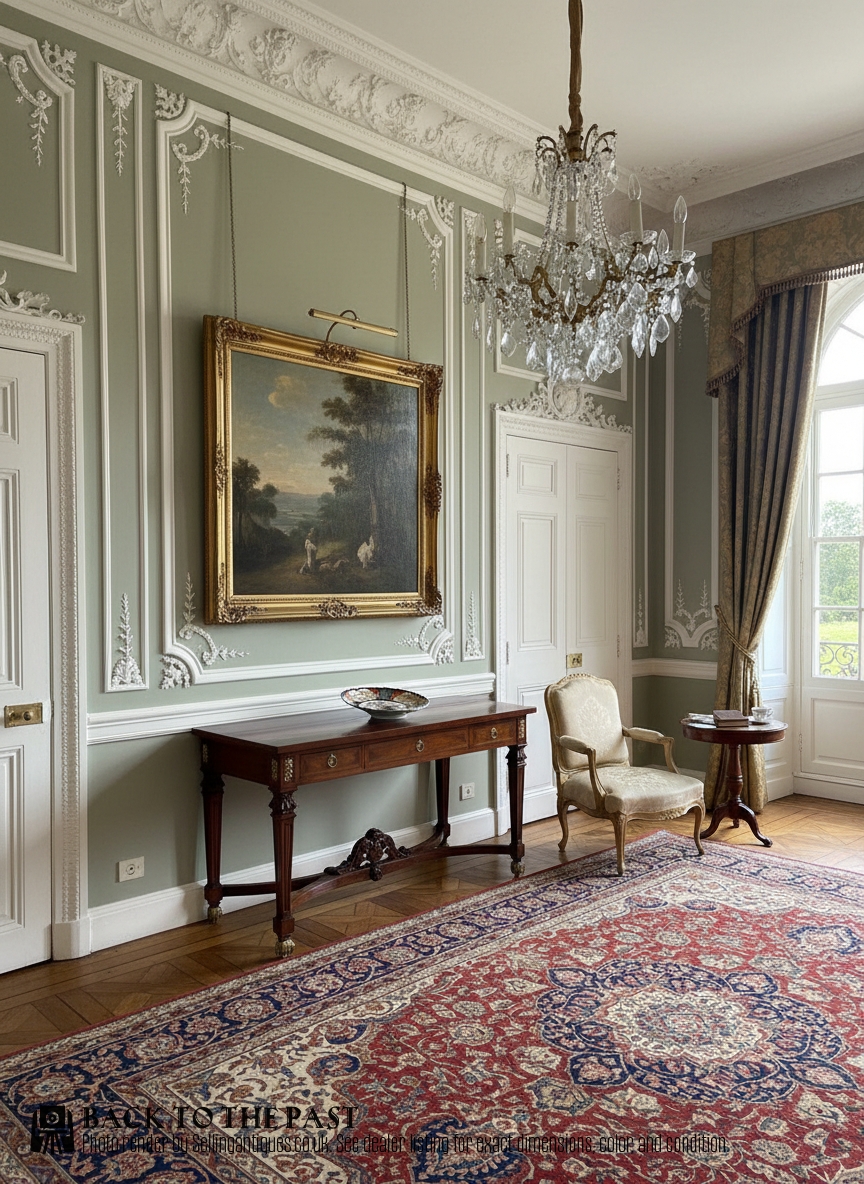
Yes, many of these large plates and chargers were made with display in mind and feature substantial forms suitable for hanging. Proper padded wire hangers that distribute the weight evenly across the rim are essential.
Keeping them away from direct sunlight preserves the vibrancy of the enamel and the gold leaf accents over the years.