


Hunting Trophy Taxidermy
Hunting trophy taxidermy brings the scale of the field indoors, offering mounted heads, horns, and bespoke furnishings that anchor a room with rugged presence.
Hunting Trophy Taxidermy
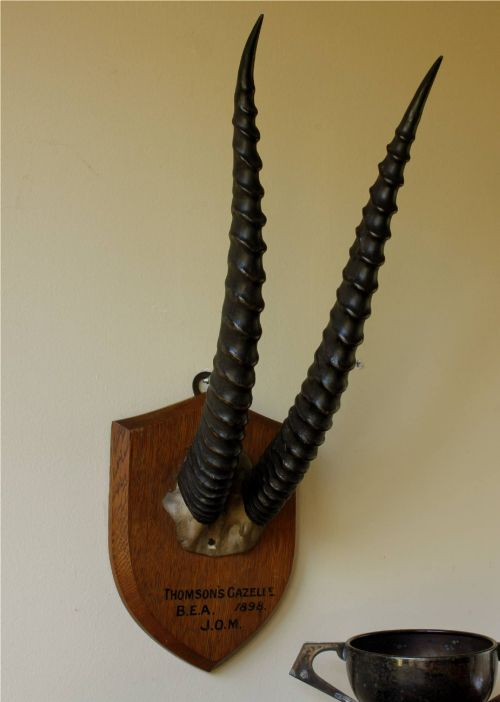
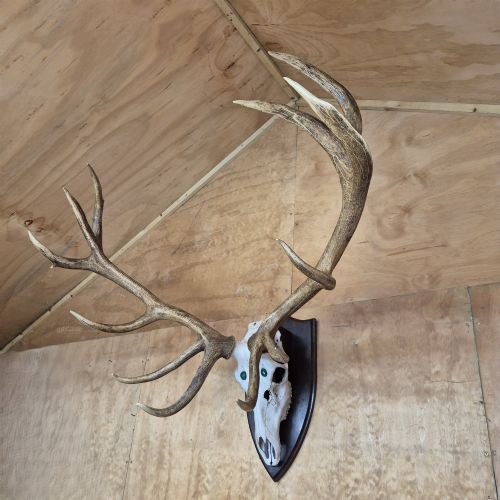
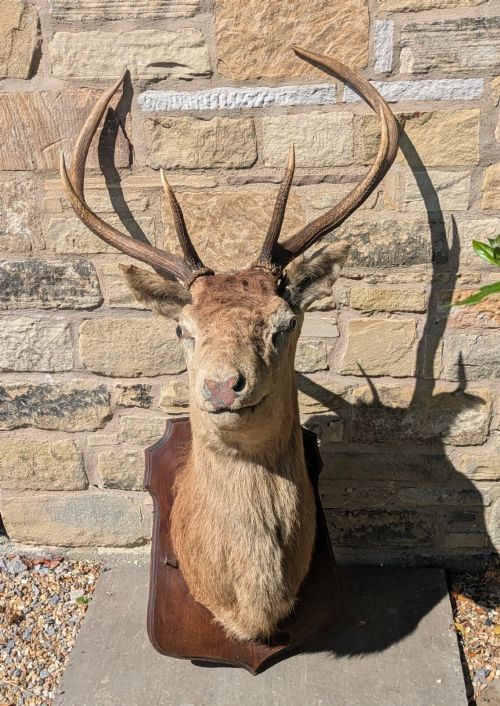
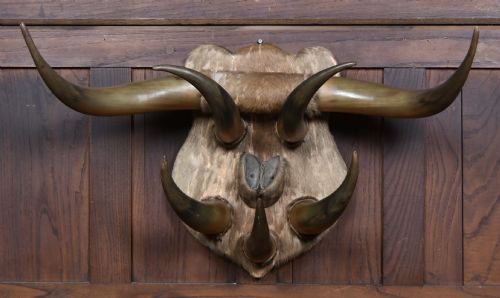
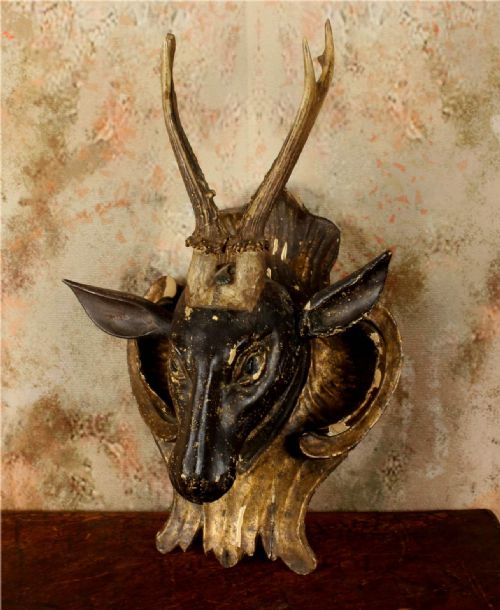
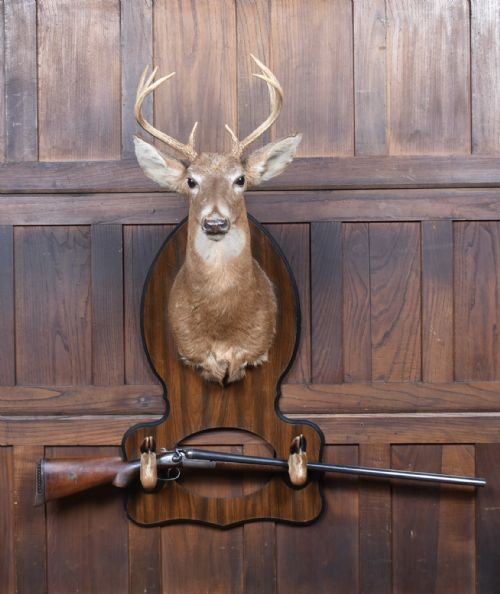
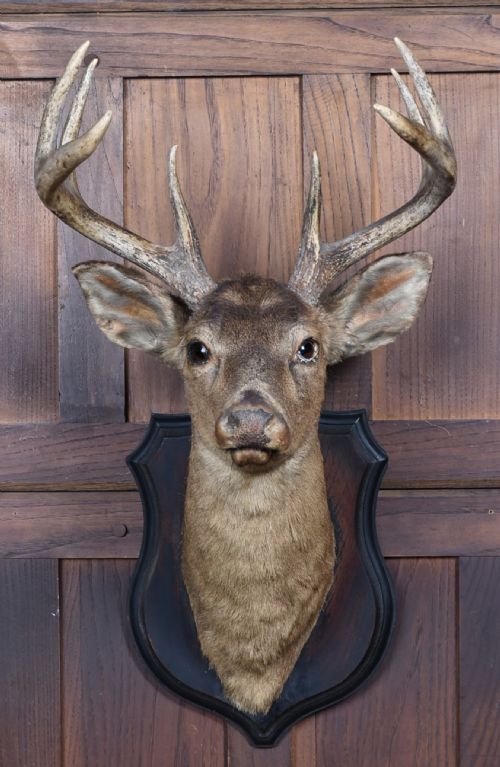
Hunting trophy taxidermy spans wall mounts, horned arrangements, and functional objects designed to preserve the appearance of game animals. Pieces range from large red deer and exotic antelope heads to smaller arrangements of cattle and buffalo horns.
The selection on this page draws heavily from the nineteenth and early twentieth centuries, including Edwardian examples and Highland lodge pieces. Forms vary widely from full wall sculptures and taxidermy mounts to table lamps and desk accessories.
Buyers encounter items originating from specific regional traditions, such as Black Forest carving styles or traditional British sporting pieces. Folk art interpretations also appear alongside formal taxidermy preparations.
Materials and Construction
Taxidermy mounts utilise natural hide and bone shaped over underlying forms, paired with glass eyes to achieve a lifelike appearance. Antlers and horns are secured to wooden shields, often carved from oak or other regional timbers.
Functional items incorporate organic elements into everyday objects, combining bone, hooves, and horn with materials like sterling silver for inkwells, penholders, and brooches.
Listings feature taxidermy hides, bone, glass, oak, and natural horn across Victorian, Edwardian, and twentieth-century periods.
Factors That Distinguish Quality
Quality rests upon the skill of the taxidermist in capturing realistic anatomical proportions and expression, particularly around the eyes and muzzle. Master practitioners achieve a lifelike tension in skin and hair that lesser preparers miss.
The condition of the natural materials dictates the integrity of each piece, from the symmetry and spread of antlers to the preservation of the hide. Original mounting shields and documented attribution to established workshops add distinct provenance.
Peter Spicer·Peter Spicer And Sons
The Hunting Trophy Taxidermy Glossary
- Taxidermy mount
- The art of preserving and displaying an animal's skin with lifelike three-dimensional form. These specimens serve as the foundation for most wall trophies and shoulder mounts.
- Fox mask
- The preserved head and upper neck of a fox, frequently prepared as a hunting trophy. These pieces often record the date and location of the hunt on accompanying plaques.
- Black Forest
- A nineteenth-century stylistic tradition originating in the wooded mountain region of Germany, noted for deeply carved wooden animal figures and trophies. Pieces often feature realistic foliage and stag motifs.
- Antler shield
- The shaped wooden plaque used to mount horns or a stag head securely to a wall. Oak and carved pine serve as the predominant woods for these backings.
- Folk art
- Items created by makers outside formal academic traditions, applying vernacular skill to materials like deer bone and wood. These objects possess a distinct handmade character.
Hunting Trophy Taxidermy: Frequently Asked Questions
How do I hang a heavy stag head?
Large mounts require direct anchorage into wall studs or solid masonry using heavy-duty steel fixings.
Avoid relying solely on plasterboard, as the combined weight of the timber shield and preserved head places substantial leverage on the wall.
What is a royal set of antlers?
A royal classification denotes red deer antlers possessing twelve or more points on a single set. This term reflects traditional scoring criteria used by sportsmen to measure the maturity of a stag.
The spread and weight of these antlers determine their visual impact when mounted on a wooden shield.
How do I clean taxidermy hair?
Dust mounts gently with a soft brush or a cool hairdryer set to low speed. Prevent moisture from touching the hide or ears, as dampness damages the preserved skin underneath.
Keep pieces away from direct sunlight and heat sources to stop the natural hair from drying out and shedding.
How do I identify a Spicer mount?
Look for ink stamps or handwritten inscriptions on the reverse of the wooden mounting shield, naming the workshop and location in Royal Leamington Spa. The firm also stamped trade details directly onto the interior leather backing of fox masks.
Anatomical precision and characteristic modelling of the eyes distinguish their work from anonymous taxidermy.