


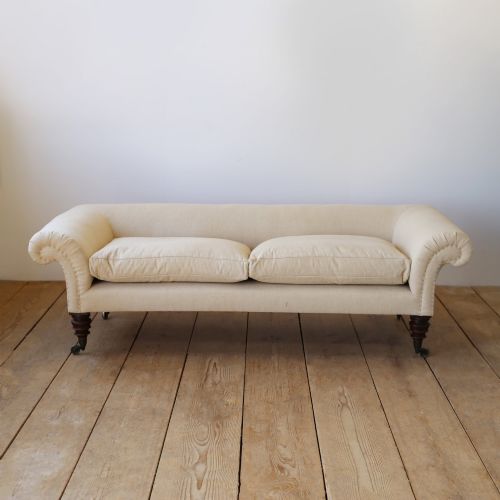


Howard Style Couch
A howard style couch offers deep, sprung comfort with rolled arms, originating in the nineteenth century and setting the standard for British country house seating.
Howard Style Couch
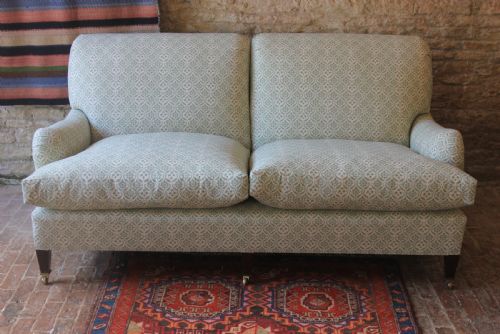
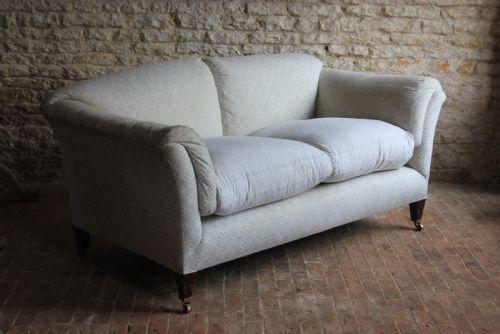
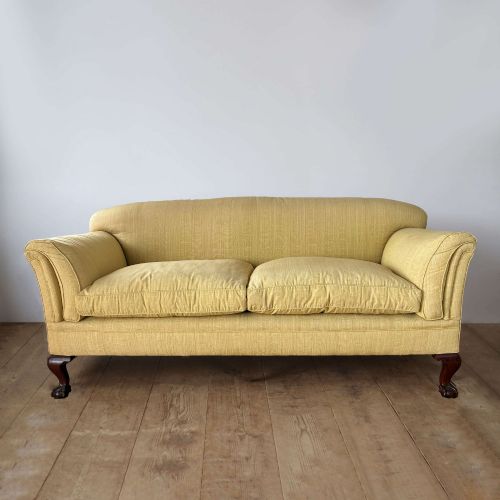
A howard style couch encompasses large upholstered sofas, daybeds, and chaise longues dating predominantly from the nineteenth century into the twentieth century. These pieces are designed for deep, relaxed seating rather than formal posture.
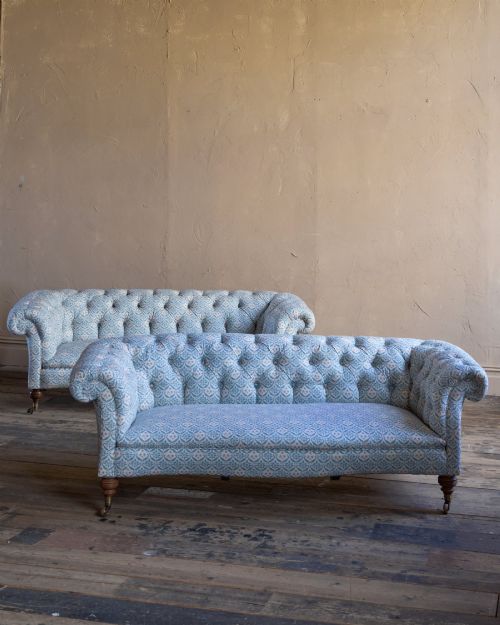
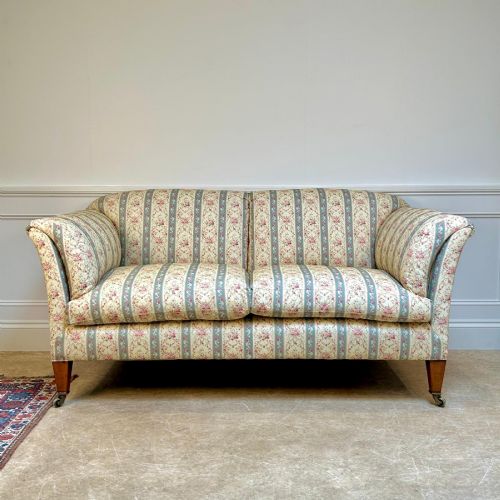
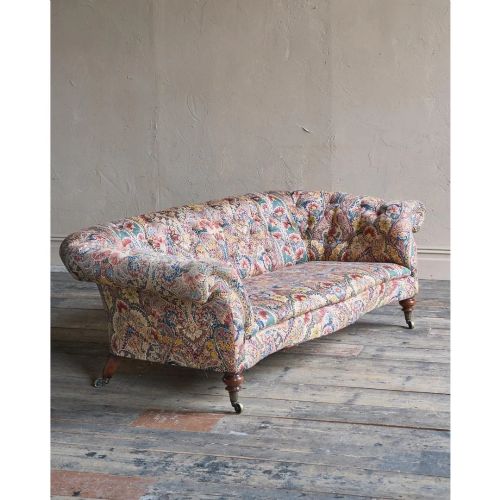
The selections on this page feature forms ranging from nineteenth century Chesterfield sofas to Edwardian country house models and daybeds. Pieces display stylistic influences including Victorian Chippendale revival and Aesthetic Movement details.
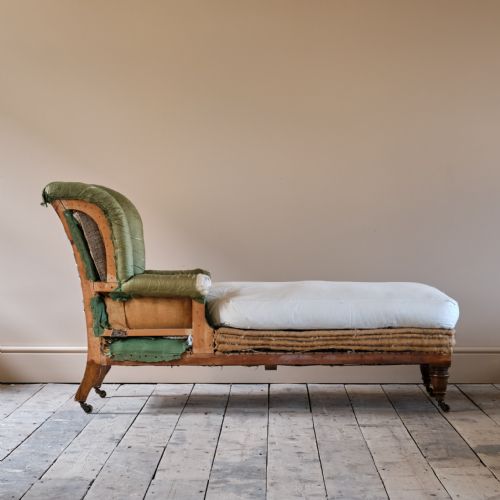
Makers such as Howard and Sons anchor many of the listings, accompanied by pieces produced in the manner of their workshop. Forms include open arm sofas, reclining daybeds, and serpentine chesterfields.
How they were made
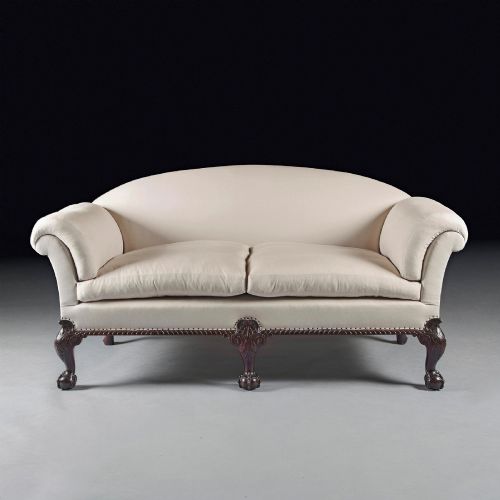
Frames are constructed from sturdy timbers including mahogany, walnut, and general hardwood to support heavy internal spring systems. Exposed wooden elements often feature brass castors or carved details like ball and claw feet.
Upholstery relies on traditional textiles such as cotton, hessian, and original ticking fabric. Skilled webbing and coil springing create the deep, resilient seating characteristic of the form.
Howard Style Couch Retail Price Guide 2026
Typical asking prices for howard style couch among the pieces listed under this phrase on Sellingantiques today, from the lower quarter to the upper quarter. They describe what is for sale here now, not the wider market.
Several sofas arrive in rugged ticking fabric, reminding everyone that nineteenth century comfort was meant for muddy boots and dogs.
What varies in quality
The integrity of the internal stuffing and coil springing dictates the resilience and comfort of the seat. Superior examples retain their original tension and shape without excessive sagging.
The refinement of the woodwork, from mahogany frames to turned legs with brass castors, marks the distinction between standard production and top-tier workshop output. Original upholstery textiles also influence the historical integrity of the piece.
Howard and Sons
The Howard Style Couch Glossary
- Chesterfield sofa
- A large upholstered sofa traditionally featuring rolled arms and a back of the same height. It provides deep, padded seating.
- Ticking fabric
- A tightly woven cotton or linen material historically used to contain feather and down fillings within upholstered furniture. It often appears in striped patterns.
- Daybed
- A long seat designed for reclining, combining the functions of a chair and a bed. Examples on this page include both nineteenth century and Edwardian interpretations.
- Aesthetic Movement
- A late nineteenth century design style emphasising visual beauty over narrative subject matter. Pieces from this movement often incorporate distinct decorative motifs.
- Ball and claw feet
- A furniture foot carved to resemble a bird's talon clutching a ball. This feature appears on nineteenth century revival pieces.
Howard Style Couch: Frequently Asked Questions
What defines a howard style couch?
A howard style couch is characterised by deep seating proportions, low rolled arms, and robust coil springing designed for maximum comfort. Many examples trace their origins to nineteenth century British workshops.
Such sofas and daybeds often utilise traditional materials like ticking fabric, hessian, and hardwood frames. Their relaxed silhouette became a staple of the English country house interior.
How do I identify a nineteenth century piece?
Nineteenth century pieces generally display dense hardwood frames made from mahogany or walnut, paired with hand-tied coil springs. Examining the construction underneath reveals period-appropriate webbing and stuffing methods.
Makers' marks or stamps on the castors and frame timbers can also help confirm the period of manufacture. Stylistic cues such as Aesthetic Movement details or ball and claw feet point toward specific decades.
How do I care for original ticking upholstery?
Original ticking fabric requires gentle maintenance, such as careful surface vacuuming with a low-suction attachment to remove dust. Avoid harsh chemical cleaners that can degrade vintage cotton and linen fibres.
Professional textile conservators should handle any deep cleaning or structural repairs to preserve the historic fabric. Keeping the sofa away from direct sunlight prevents the textile from fading.