
Housekeepers Storage Cupboard
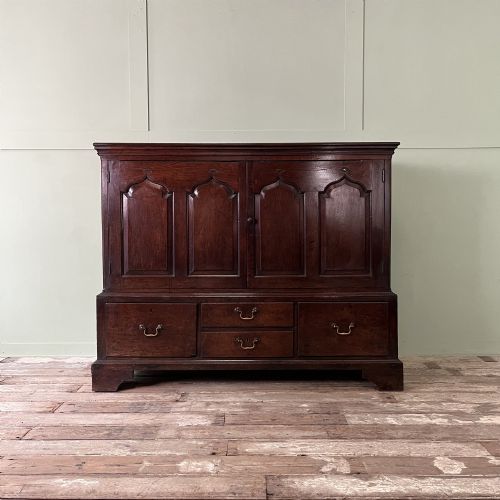
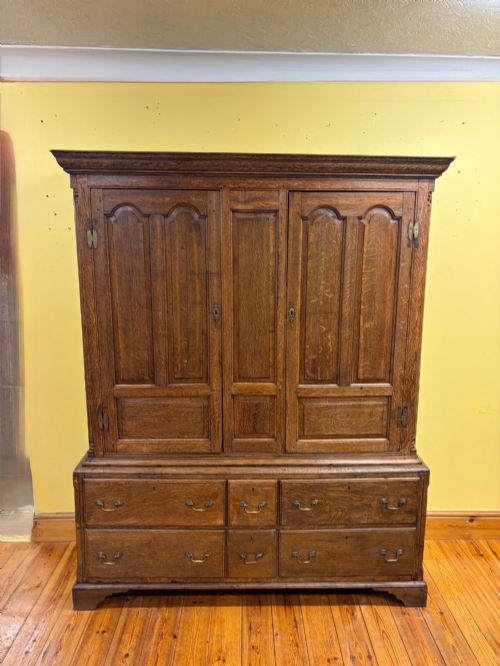
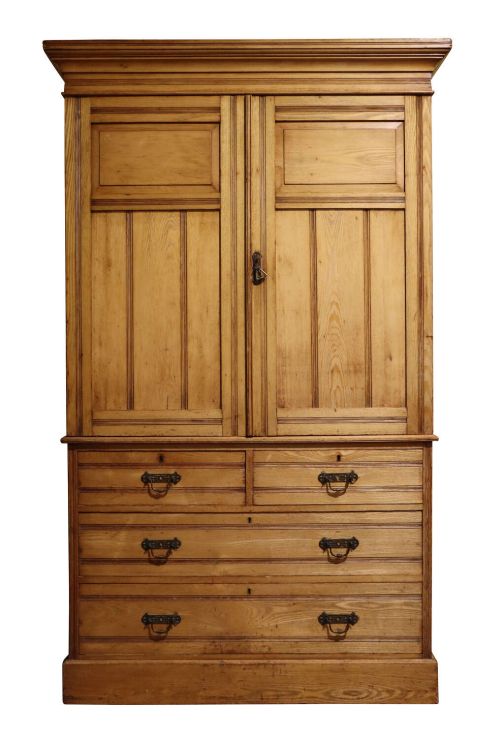
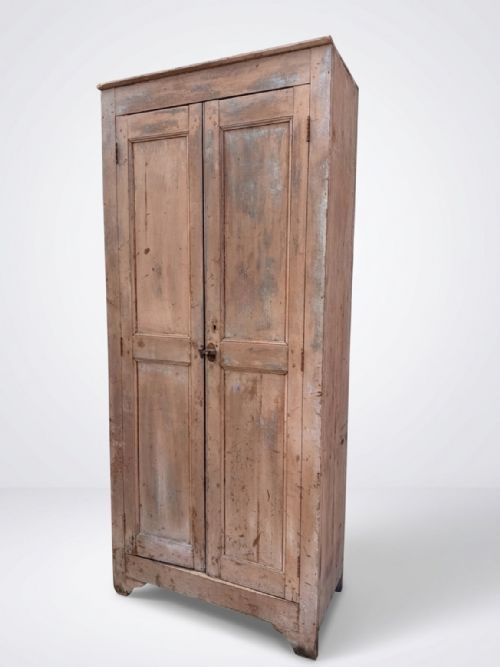
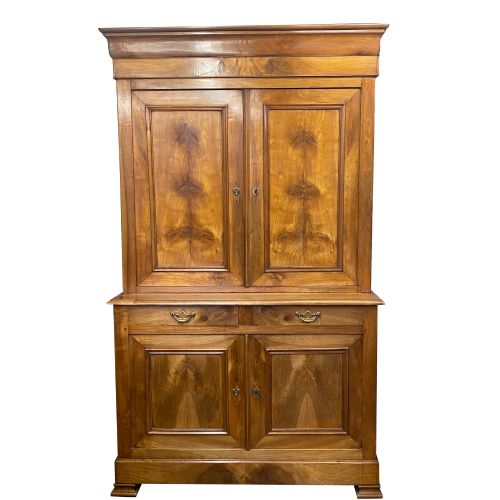
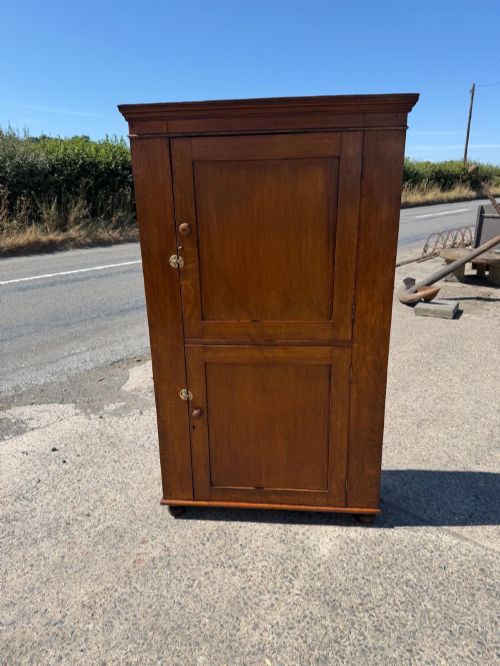
A housekeepers storage cupboard provides substantial domestic storage, taking the form of large timber cabinets built for linen, provisions or estate management.
Housekeepers Storage Cupboard
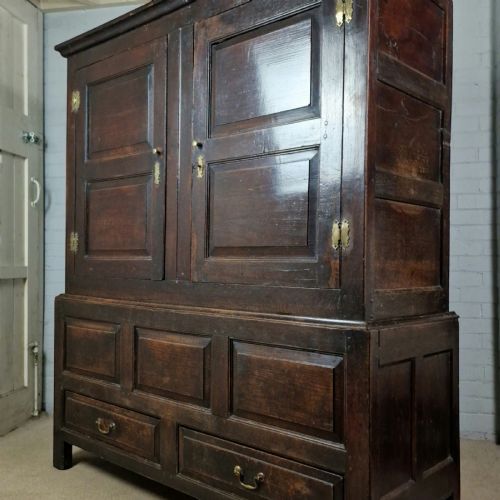
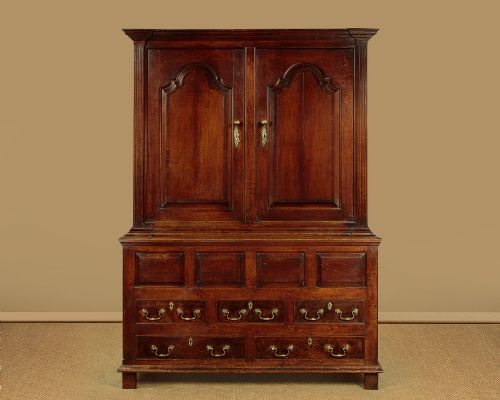
A housekeepers storage cupboard is a substantial storage piece designed for domestic utility, commonly found in regional variants such as Welsh vernacular or French provincial styles. These items appear across Georgian, Victorian and nineteenth century periods in both single and two-part formats.
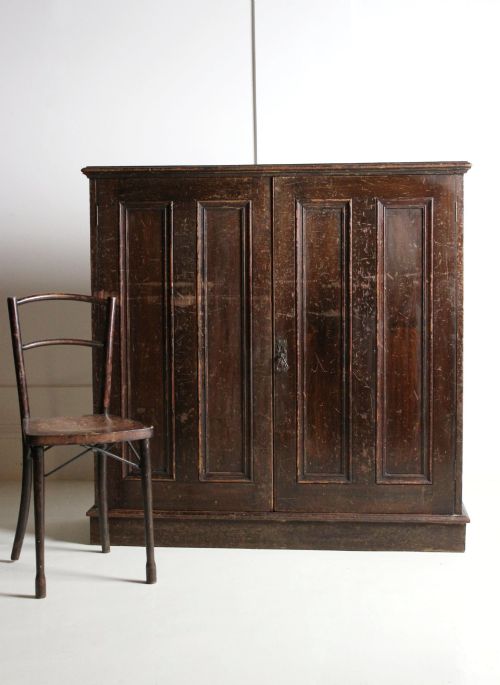
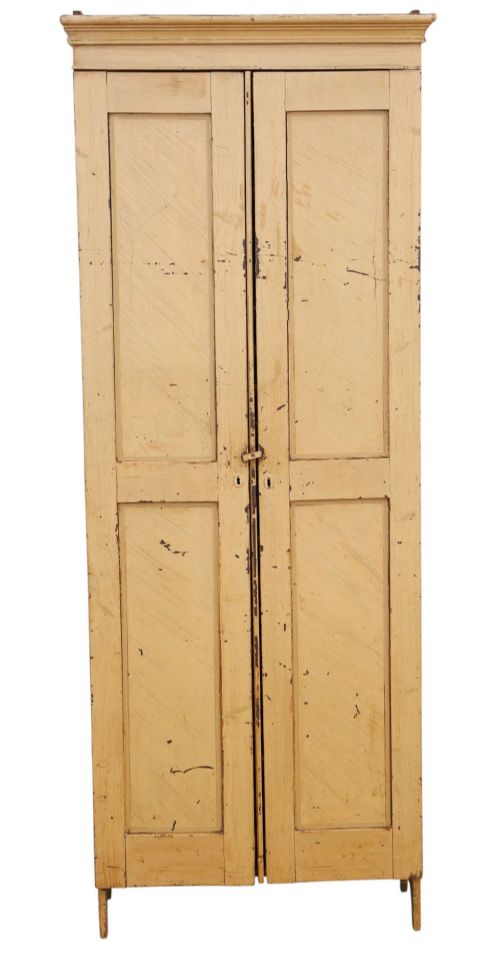
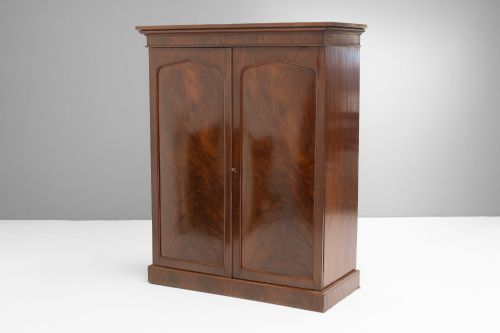
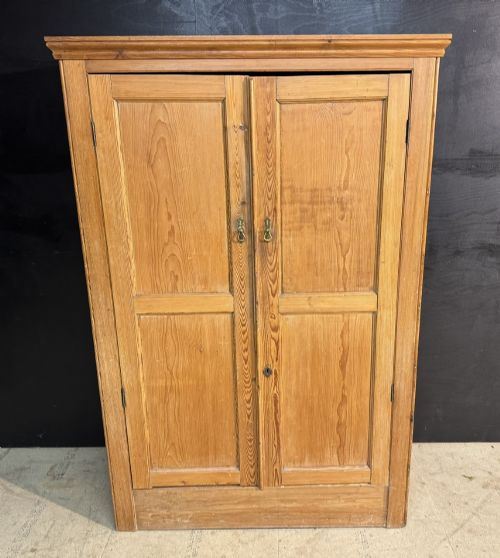
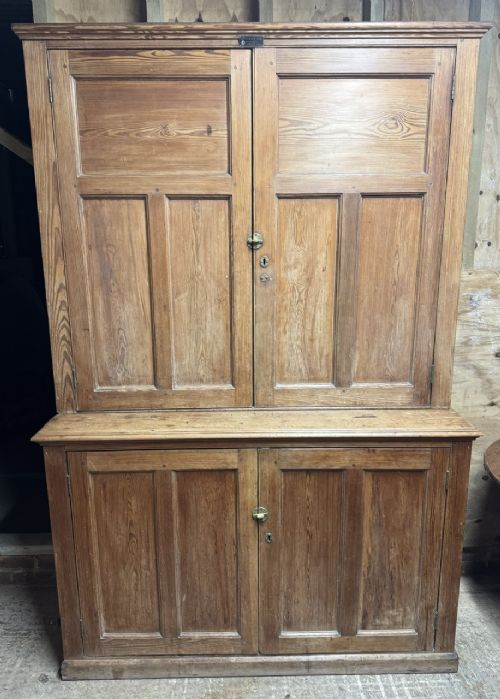
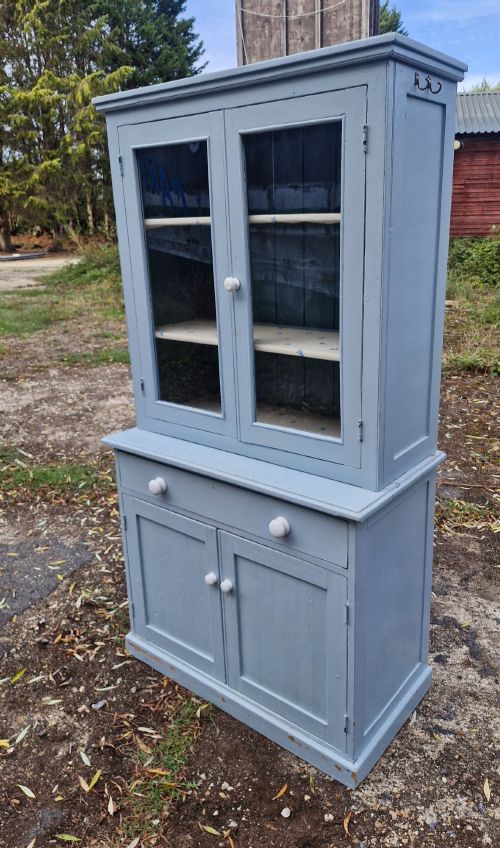
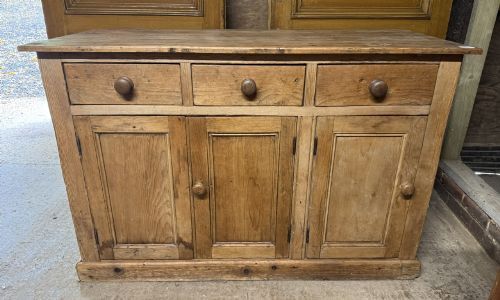
The most frequent examples encountered on this page are constructed from pine, often in painted, stripped or waxed finishes, alongside robust oak and mahogany constructions.
Forms range from tall narrow kitchen cupboards and larder units to linen presses and large country house estate office cabinets, serving diverse storage functions within domestic interiors.
How they were made
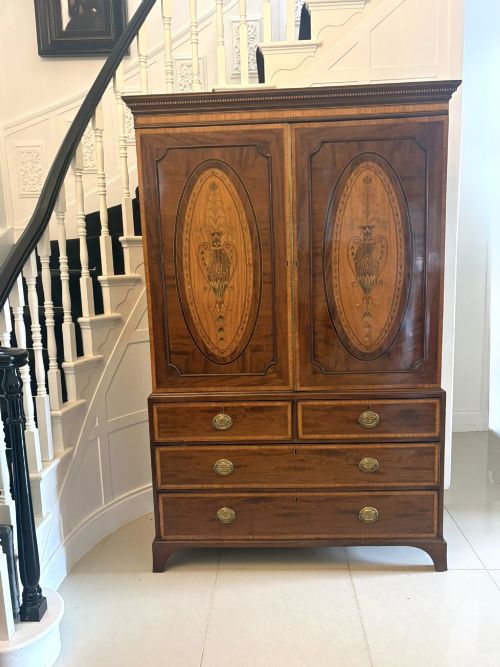
Construction relies primarily on solid timbers such as oak, pine, mahogany and cherry wood, joined using traditional cabinetry methods suited to heavy daily use. Surfaces frequently display original paint, scumble finishes, satinwood inlay or plain wax treatments.
Many pine cupboards carry centuries of kitchen stories beneath layers of old paint, waiting patiently for someone to pick up a wax cloth.
What varies in quality
Quality differences depend on the selection of timber and the sophistication of the joinery, distinguishing utilitarian estate furniture from finer domestic pieces. Finer examples display detailed cabinet work such as satinwood inlay, well-figured mahogany veneers or balanced proportions in two-part configurations.
The integrity of original surfaces, including undisturbed early paint layers or patinated wax finishes, significantly influences the character and standing of each piece.
Maple and Co·Druce and Co
The Housekeepers Storage Cupboard Glossary
- Linen press
- A tall cupboard traditionally used for storing folded linen and garments, usually combining upper shelving with lower drawers.
- Scumble painted
- A decorative paint technique where a translucent top coat is manipulated to simulate wood grain or texture.
- Livery cupboard
- An early form of storage cabinet historically used for keeping food, candles or provisions.
- Vernacular
- Architecture or furniture built by local craftsmen using traditional regional styles and native materials.
- Two-part
- A piece constructed in separate upper and lower sections to facilitate movement and installation in large houses.
Housekeepers Storage Cupboard: Frequently Asked Questions
What is a housekeepers storage cupboard?
A housekeepers storage cupboard is a large piece of furniture historically used in large homes for organising provisions, linens or estate records. These substantial units provide deep shelving and hanging space.
They appear in various regional styles, ranging from simple pine farmhouses to polished mahogany Georgian examples.
How were these cupboards used?
In large households, the housekeeper utilised these cabinets to store household linens, dry goods, candles and domestic equipment. Their deep interior shelves and drawers kept supplies secure and orderly.
Today, they function similarly in modern homes as larder units, wardrobes or general storage cabinets.
How do I date a cupboard?
Dating relies on observing construction methods, timber choices and stylistic details such as mouldings, feet and hardware. Georgian pieces often feature oak or mahogany with fine detailing, while Victorian examples frequently employ pine with simple panel doors.
Hardware materials like brass or iron also offer clues to the period of manufacture.
Are these cupboards easy to move?
Due to their solid timber construction and large dimensions, these cupboards are heavy and often built as single massive units. However, many period examples, particularly those described as two-part or designed to dismantle, separate into manageable sections.
Checking if a piece separates into parts helps determine how it fits into a room.