





Cherry Wood Cabinet
A cherry wood cabinet brings warmth and local grain to a room, offering practical storage through French provincial design.
Cherry Wood Cabinet
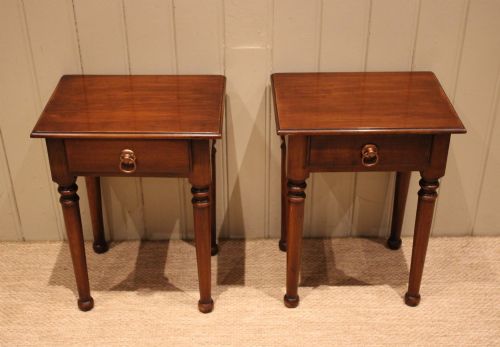
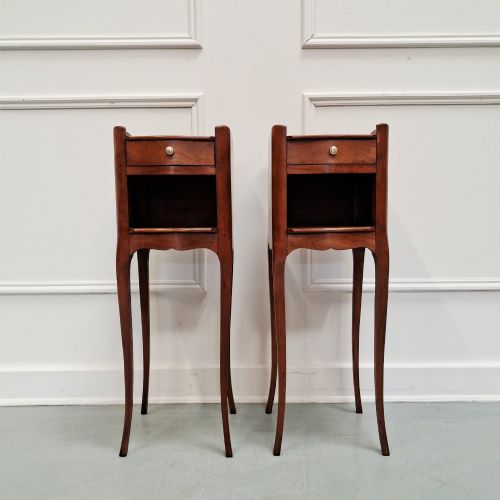
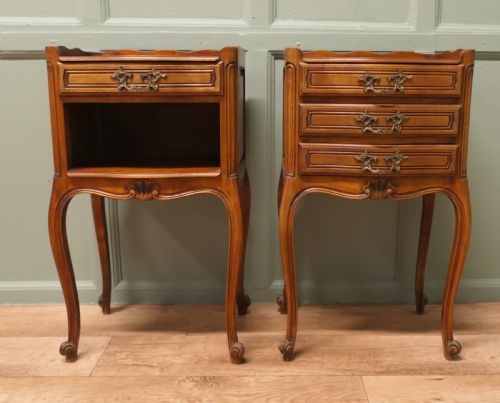
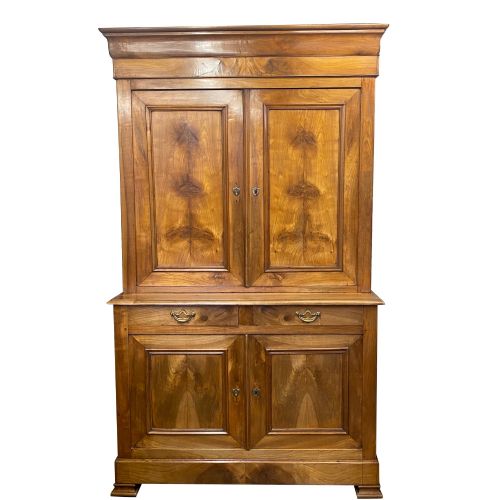
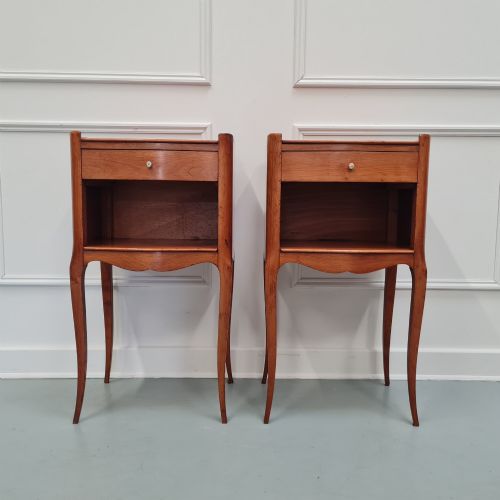
When searching for a cherry wood cabinet, buyers encounter a range of forms originating mainly from France, spanning small bedside tables to large storage cupboards. The bedside cabinets and chevets appear frequently in pairs, often displaying petite proportions suited to intimate spaces.
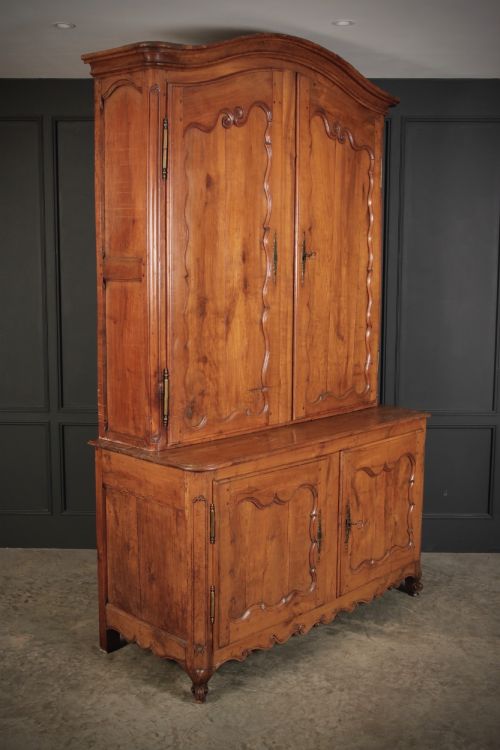
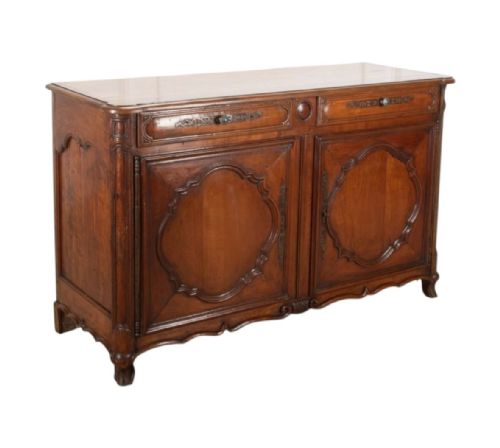
Larger examples include substantial nineteenth-century housekeepers cupboards, armoires, and sideboards that provide deep storage. These pieces bridge utilitarian needs and regional decorative traditions, particularly through provincial styling.
Origins heavily lean towards French workshops, embracing styles such as Louis XV alongside simpler rustic interpretations. The wood develops a rich patina over decades of use, distinguishing these items from modern factory furniture.
Materials and Construction
Cabinet makers utilised solid cherrywood for primary surfaces, valuing the timber for its smooth texture and ability to take a warm finish. Iron and brass hardware, such as hinges and key escutcheons, secure the doors and drawers while adding functional contrast.
Construction techniques involve traditional joinery adapted to large storage items like two-part housekeepers cupboards and armoires. Panels are fitted to allow the timber to move naturally with changes in humidity over centuries.
Cherry Wood Cabinet Retail Price Guide 2026
Typical asking prices for cherry wood cabinet among the pieces listed under this phrase on Sellingantiques today, from the lower quarter to the upper quarter. They describe what is for sale here now, not the wider market.
The listings feature solid cherrywood alongside brass and iron hardware across periods from the eighteenth century through the nineteen-thirties.
Assessing Quality and Execution
Quality in these cabinets rests on the selection of solid timber and the preservation of original patination. Pieces that retain their brass hardware and original structural integrity stand above those with extensive replacements.
Proportion and regional detailing separate standard utility pieces from finer examples. Subtle curves on a Louis XV style bedside table or balanced door panels on an eighteenth-century buffet indicate skilled regional carpentry.
The Cherry Wood Cabinet Glossary
- Chevet
- A small French bedside table or cabinet designed to hold nighttime essentials. These often feature single drawers or small cupboards.
- Housekeeper cupboard
- A large storage cabinet typically built in two sections for linens and household provisions. They provide substantial capacity in provincial interiors.
- Buffet
- A sideboard or low storage unit used for serving and storing dining items. French examples often display provincial moulding and deep proportions.
- Armoire
- A tall wardrobe cabinet fitted with internal storage for clothing or linens. These pieces dominate a room through their height and solid timber presence.
- Patina
- The deep sheen and colour developed on wood surfaces through age and handling. This surface quality marks authentic antique timber.
Cherry Wood Cabinet: Frequently Asked Questions
How do I care for a cherry wood cabinet?
Keep the wood away from direct heat sources and strong sunlight to prevent the natural grain from drying out. Dust regularly with a soft cloth and occasionally apply appropriate wax to maintain the finish.
Avoid using modern liquid polishes that contain silicone, as these can build up and damage the historic surface over time.
Were these cabinets used only in bedrooms?
While bedside tables and armoires served sleeping quarters, larger pieces like buffets and housekeepers cupboards functioned in dining rooms and kitchens. Their utility depended entirely on the scale and room layout of the provincial home.
Owners adapted them for various storage needs across centuries, moving items between rooms as household requirements shifted.
How can I tell an eighteenth-century piece from a nineteenth-century one?
Earlier pieces often display hand-cut joinery and simpler, heavier timber framing dictated by regional tool use. Nineteenth-century versions frequently incorporate more refined provincial carving or standard hardware.
Examining the interior panels and backboards reveals tool marks that help indicate the period of manufacture.