




Horological Antiques
Horological antiques measure the passage of hours through gears, dials and pendulums, offering both precision engineering and period craftsmanship.
Horological Antiques
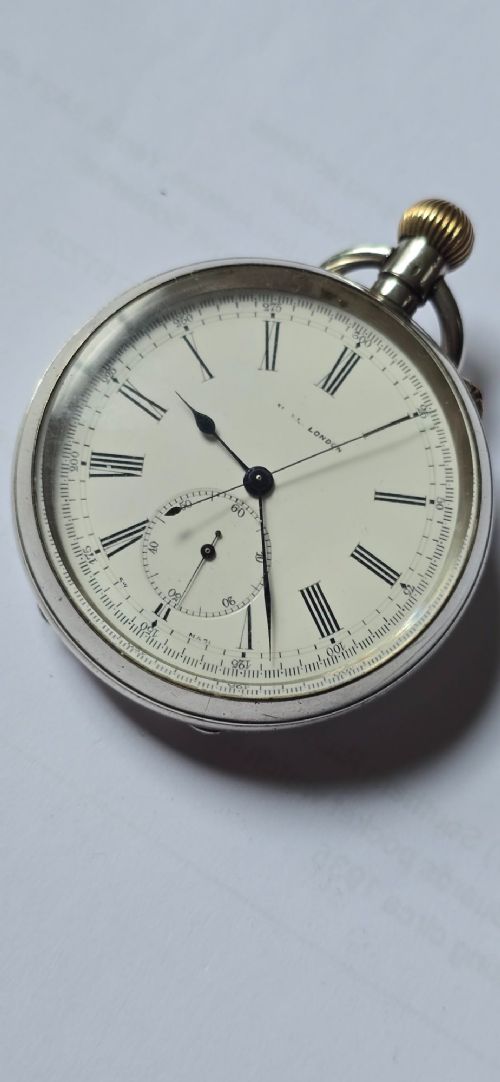
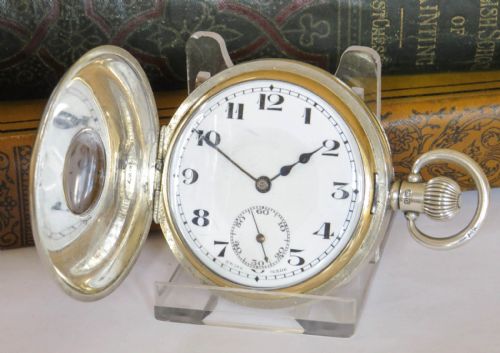
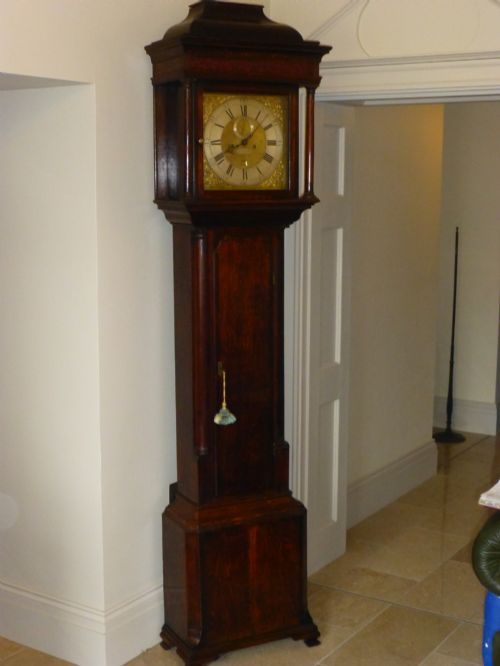
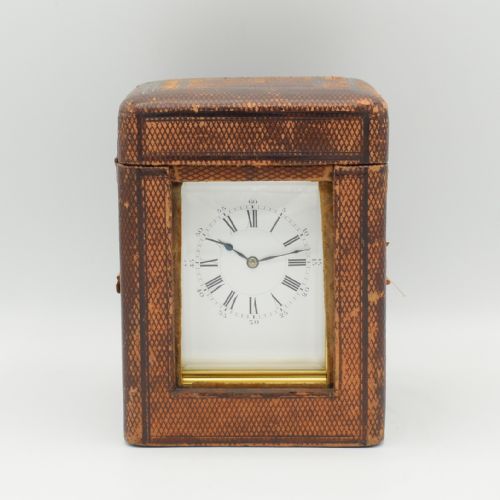
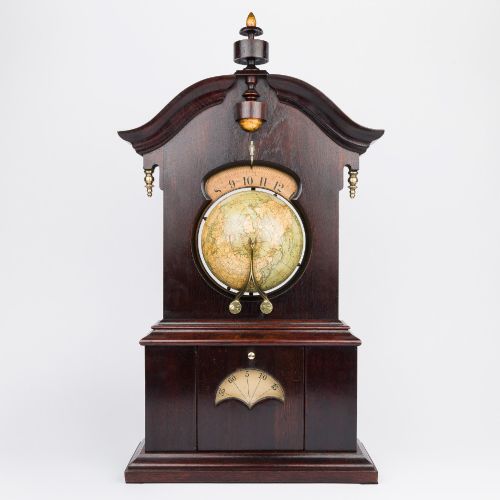
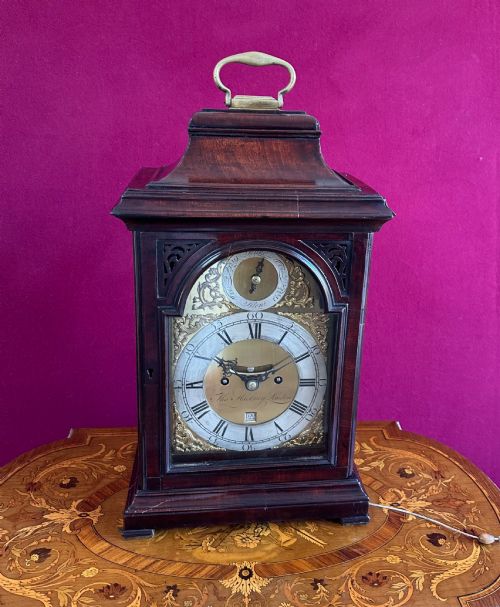
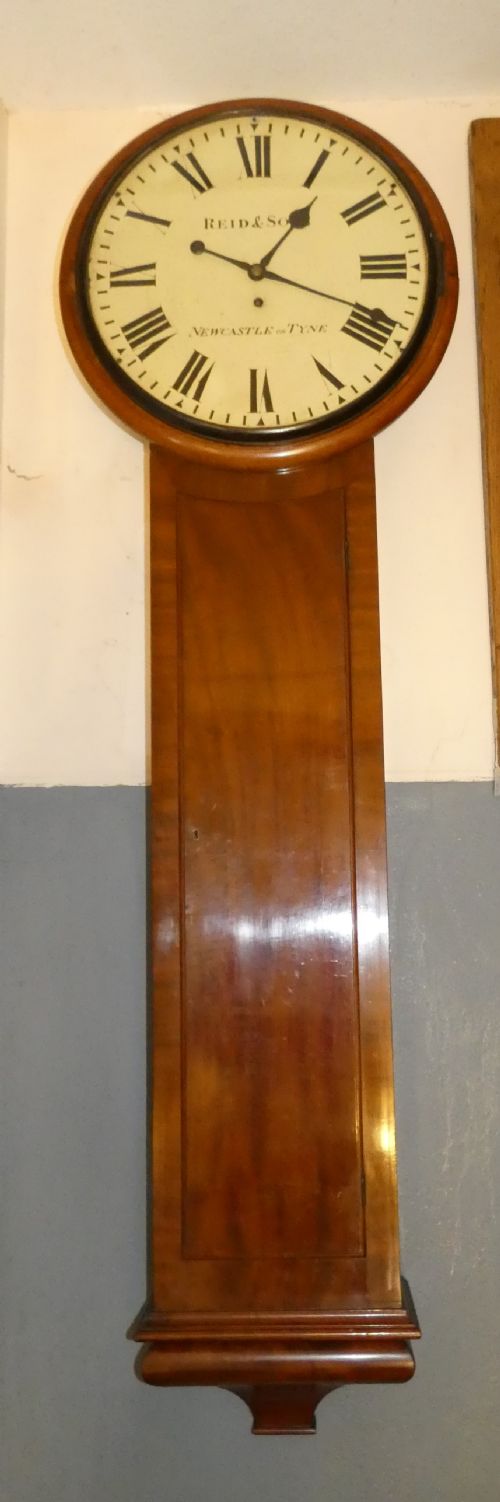
Horological antiques encompass timepieces and related instruments spanning multiple centuries, ranging from pocket watches to tall case clocks. When searching for horological antiques, buyers typically encounter mantel clocks, carriage clocks and longcase clocks housed in timber, brass or glass.
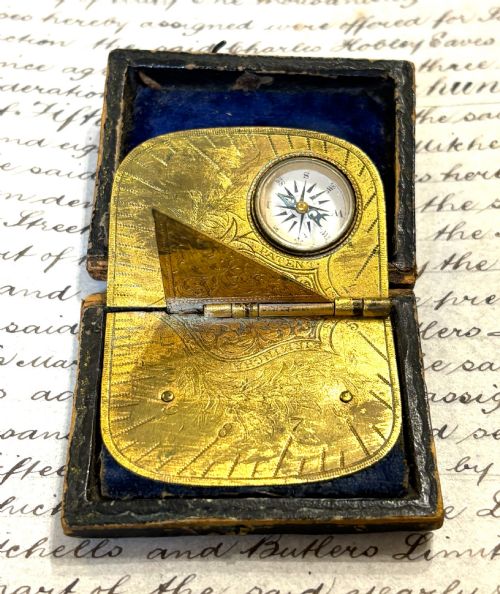
The selection extends to specialised instruments including pocket sundials, desk compendiums and scientific apparatus. Pieces originate from diverse periods such as the eighteenth, nineteenth and early twentieth centuries, reflecting evolving mechanical capabilities.
How they were made
Clockmakers constructed movements primarily from brass and steel, shaping gear trains, escapements and dials with precise manual tools. Fusee and spring mechanisms powered the gear assemblies, while pendulums and balances regulated the beat.
Casework utilised traditional cabinet timbers including oak, mahogany, walnut and ebony veneer, frequently inlaid or polished. Metal housings incorporated gilt brass, bronze and silver, complemented by glass panels and enamel chapter rings.
Listings feature horological antiques from the seventeenth century through to the 1960s, incorporating brass, oak, mahogany and silver.
What varies in quality
Superior horological pieces distinguish themselves through the complexity and refinement of their internal movements, such as repeating complications, grand sonnerie strikes or delicate escapements. The reputation of the maker, evident in signed dials and backplates, elevates the standing of an instrument.
The integrity of the housing matches the mechanical standard, seen in finely figured timbers, cast bronze mounts and intact glass panels. Original components and uncompromised structural preservation hold greater appeal for serious collectors.
Richard Corless of Stockport·Henri Jacot·Antoine Redier of Paris·Joseph Windmills·Manoah Rhodes And Sons Ltd·William Evans of Handsworth·Drocourt And Holingue·Andre Guilmet
The Horological Antiques Glossary
- Fusee
- A conical pulley used in spring-driven clocks and watches to maintain even power as the mainspring unwinds. This mechanism compensates for the decreasing torque of a relaxing spring.
- Escapement
- The mechanical linkage that controls the release of power in a clock or watch, giving periodic impulses to the pendulum or balance wheel. It translates rotary motion into regulated counting steps.
- Carriage clock
- A portable spring-driven timepiece developed for travel during the nineteenth century, typically housed in a brass frame with glass panels. Many include folding handles and striking or alarm functions.
- Longcase clock
- A tall pendulum clock enclosed in a wooden case designed to stand directly on the floor. Also known as grandfather clocks, they usually feature weight-driven movements and brass dials.
- Pocket watch
- A portable timepiece designed to be carried in a pocket, often secured with a chain. These watches frequently feature hinged cases, enamel dials and intricate mechanical escapements.
Horological Antiques: Frequently Asked Questions
How do I wind a mechanical clock?
Use the designated key or winding arbor to turn the mainspring or pull the suspension cord gently until resistance is felt.
Avoid over-winding, as excessive force can damage the internal springs and gear teeth.
What is a fusee movement?
A fusee movement employs a conical pulley connected to the mainspring by a fine chain or cord to equalise power delivery.
This ensures steady timekeeping as the spring loses tension throughout its running cycle.
How do I care for an antique pocket watch?
Handle the watch with clean hands, store it securely away from moisture and extreme temperatures, and avoid dropping it.
Wind it at consistent intervals and have a specialist service the movement periodically.
Why does my carriage clock need a travel case?
The original leather or wooden case protects the delicate glass panels and brass framework during transit.
Carriage clocks were originally built for portability, and the case shields the exterior from knocks and dust.