

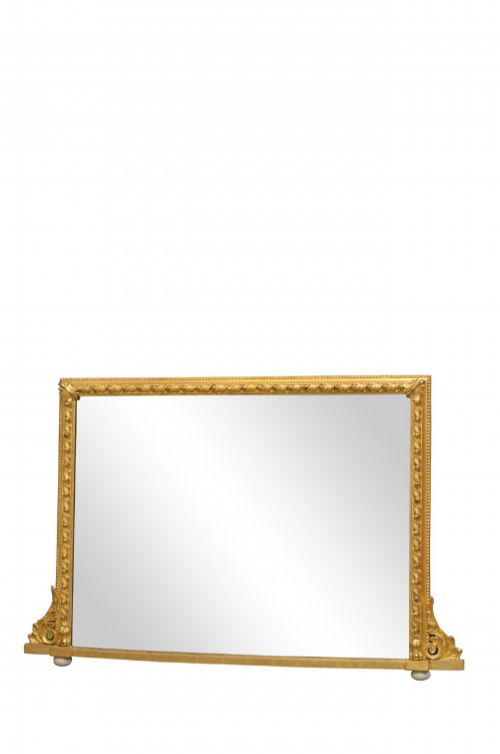


Horizontal Overmantel Mirror
Horizontal overmantel mirrors anchor a fireplace with width, bringing light and presence to a room through centuries of gilded and timber frames.
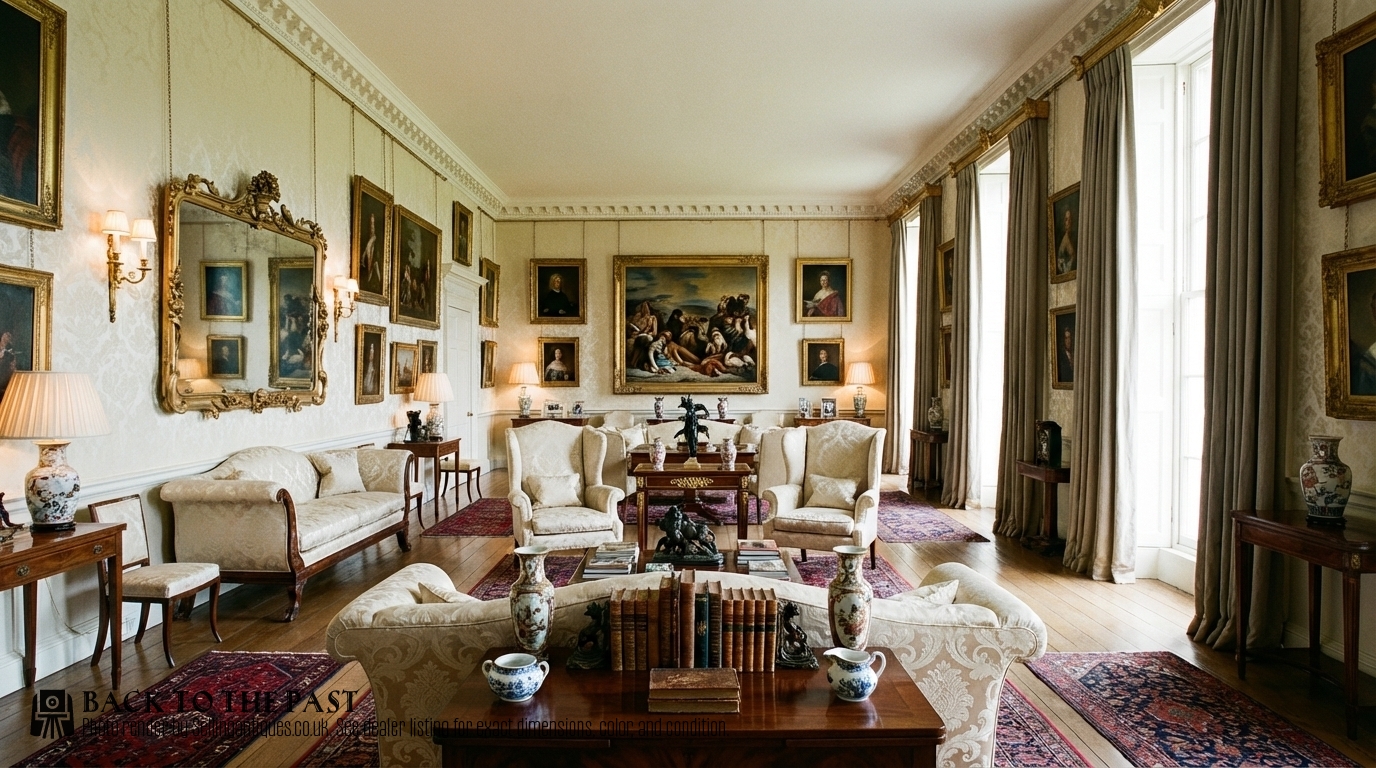
Horizontal Overmantel Mirror
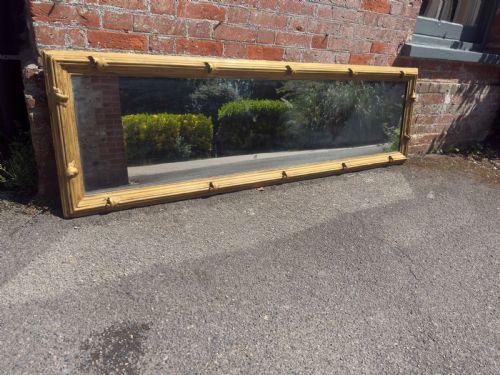
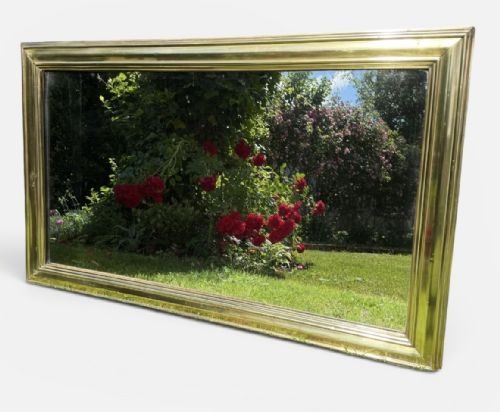
A horizontal overmantel mirror is designed specifically to sit above a mantelpiece, taking up significant wall space in a landscape format. These pieces bring architectural scale to a room, reflecting light across the hearth.
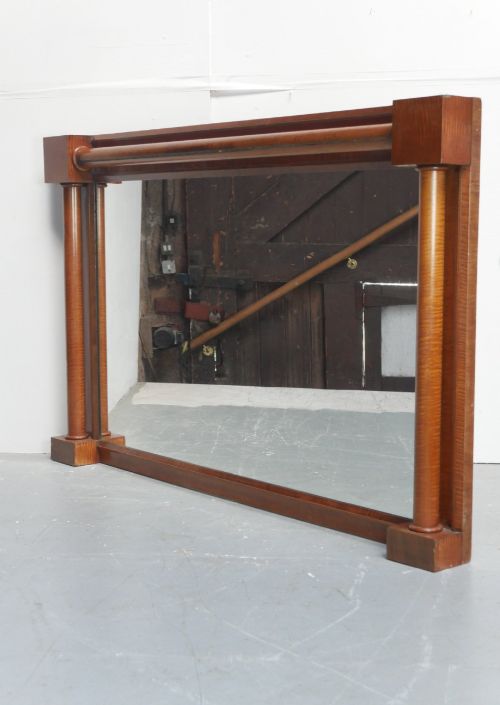
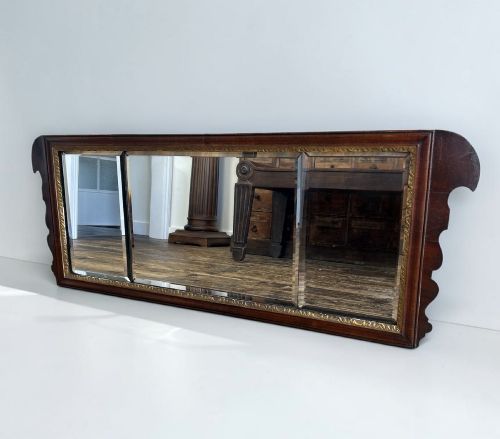
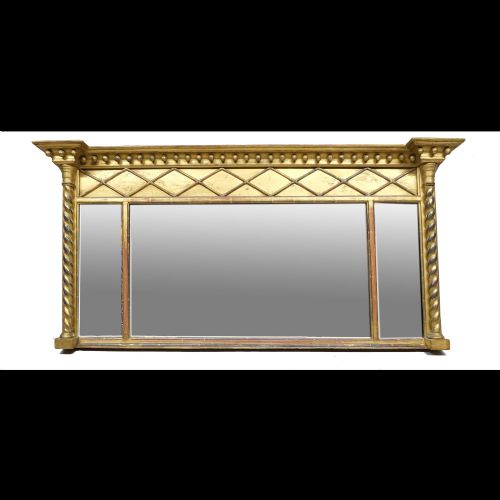
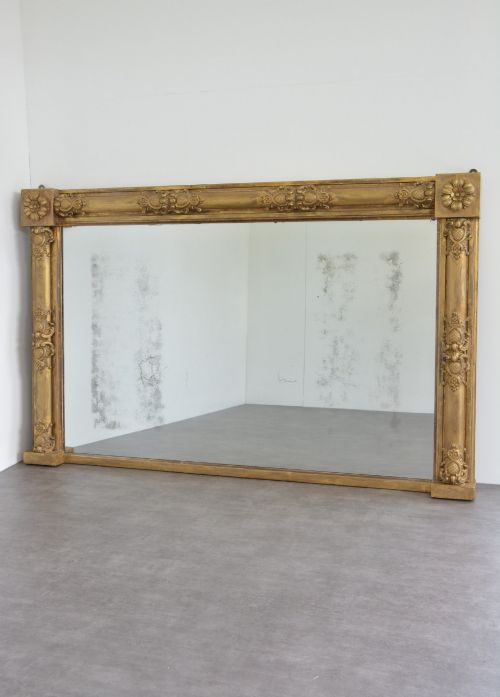
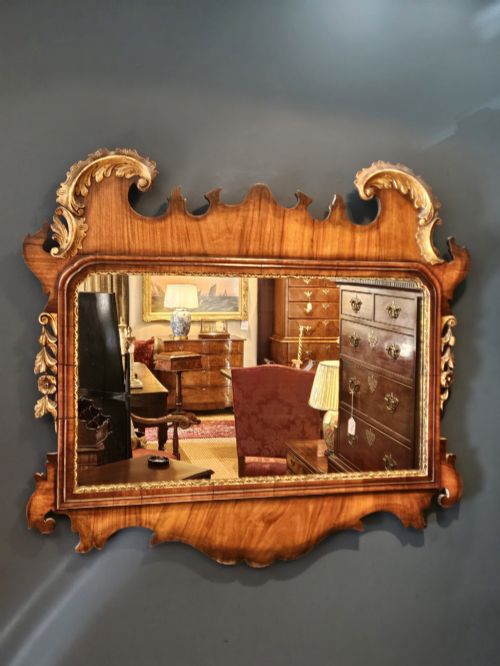
The versions met most often on this page date from the nineteenth century, spanning Regency, Victorian, and later periods. Giltwood and composition frames dominate, alongside timber examples in mahogany, walnut, and rosewood.
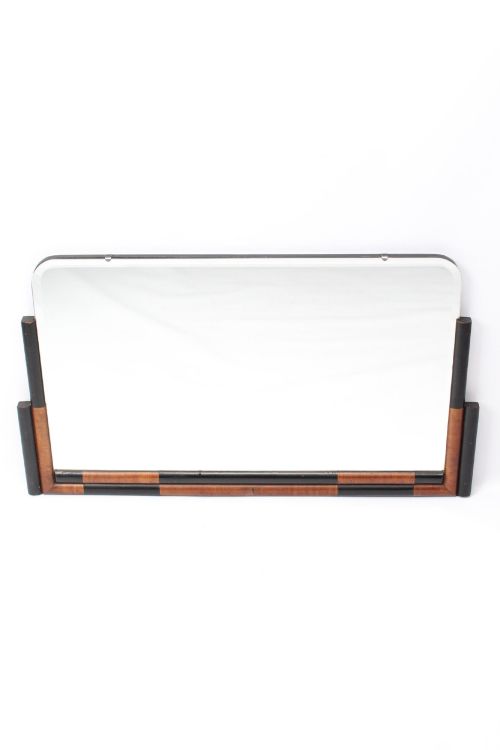
Makers utilised various regional styles, from Rococo Revival curves to clean Art Deco geometry. Triple plate and triptych configurations appear frequently among the wider landscape formats.
Materials and construction
Frames rely heavily on carved wood, gesso, and giltwood, where thin layers of gold leaf or paint cover intricate composition ornament. Timber frames utilise woods such as mahogany, walnut, and rosewood, often paired with parcel-gilt detailing.
Glass plates are set within these heavy frames, sometimes showing foxing or age spots from oxidation over the decades. Backboards constructed from thick timber planks hold the mirror plates secure within the rebate.
Several mirrors carry the quiet witness of time via lightly foxed glass, reflecting centuries of hearths without losing their composure.
Assessing quality
Quality rests in the crispness of the carved detail and the depth of the gilding on gesso surfaces. Earlier pieces show hand-carved nuances in wood, whereas later examples lean more on moulded composition ornament.
The integrity of the original glass plate contributes strongly to the character of the piece. Clear, deep reflections contrast with light foxing, while multi-plate constructions demand precision in alignment across the panels.
The Horizontal Overmantel Mirror Glossary
- Giltwood
- Wood that has been covered with a thin layer of gold leaf. This finish defines many nineteenth-century frames.
- Gesso
- A plaster-like mixture applied to wood frames to create a smooth surface for gilding or painting. It accepts deep relief carving.
- Foxing
- Age-related spots and discoloration within the silver backing of a mirror plate. It forms naturally over long periods.
- Tryptic
- A mirror divided into three separate panels set within a single frame. This format is common in Regency overmantels.
- Parcel-gilt
- Partially gilded, leaving sections of exposed wood or paint alongside the gold leaf. Walnut frames frequently use this technique.
Horizontal Overmantel Mirror: Frequently Asked Questions
How do I hang a heavy overmantel mirror?
These mirrors carry significant weight due to their large timber and gesso frames. Secure fixings directly into wall studs or use heavy-duty wall anchors rated for substantial loads.
Ensure the hanging wire or brackets engage multiple points on the sturdy wooden backboards to distribute the weight evenly.
What is the difference between a pier mirror and an overmantel mirror?
Pier mirrors were traditionally made to hang on the narrow wall space between windows. Overmantel mirrors are specifically proportioned in a horizontal landscape format to sit above a fireplace.
While both utilise similar gilded or timber frames, their original architectural placements dictated their dimensions.
Why do some mirror plates look spotty?
Spotting, or foxing, occurs when moisture penetrates the protective backing behind the glass over many decades. This chemical reaction affects the silver layer, creating characteristic dark marks.
Many collectors appreciate this natural ageing as evidence of authenticity and age.
How do I date a nineteenth-century mirror frame?
Dating relies on examining the construction materials, frame style, and backboards. Regency pieces often feature specific classical motifs and giltwood finishes, while Victorian examples span heavier revival styles.
Inspecting the wood joints and screws provides further clues to the manufacturing period.