

Historical Wall Art
Historical wall art encompasses centuries of portraiture, engravings, and maps that anchor past eras directly into interior spaces.
Historical Wall Art
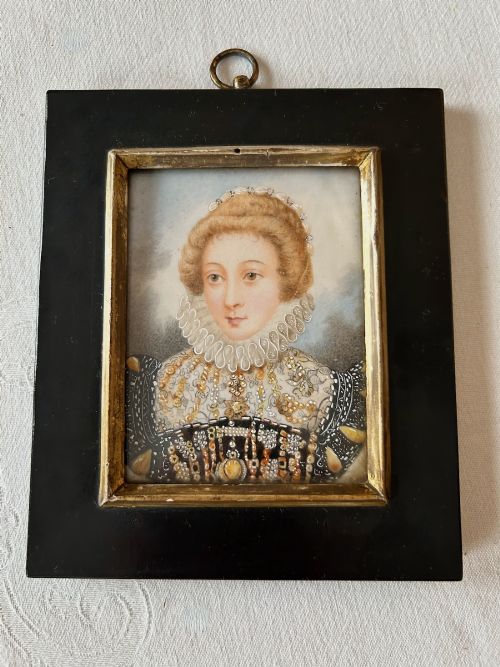
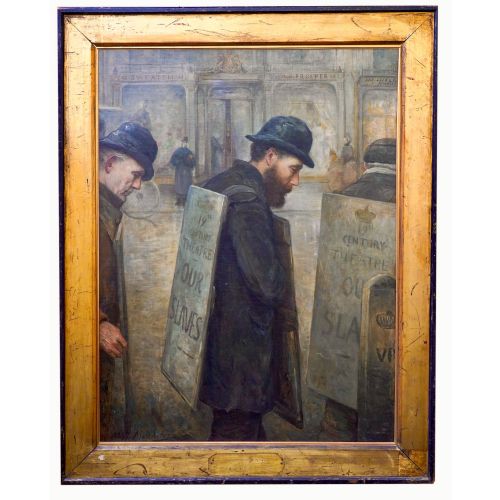
Historical wall art primarily consists of framed portraits and works on paper created across the seventeenth, eighteenth, and nineteenth centuries.
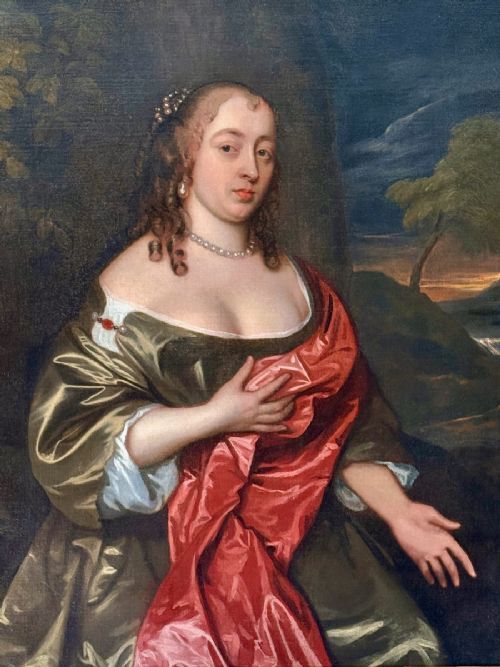
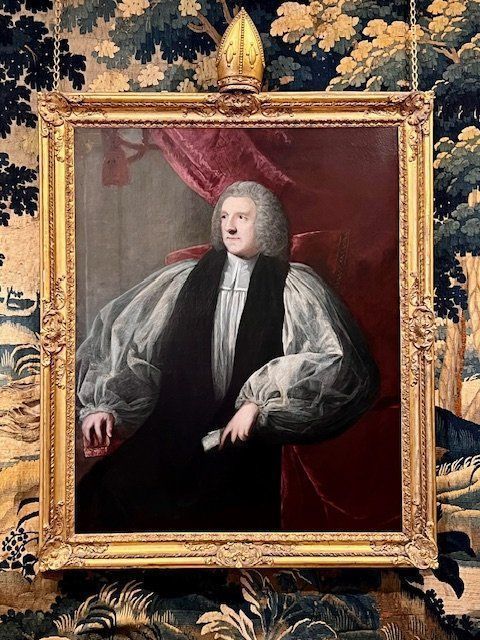
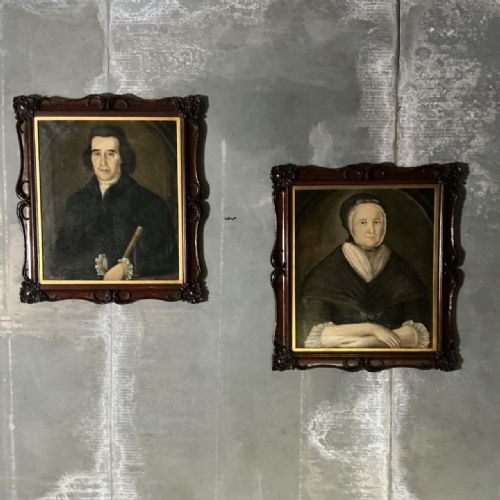
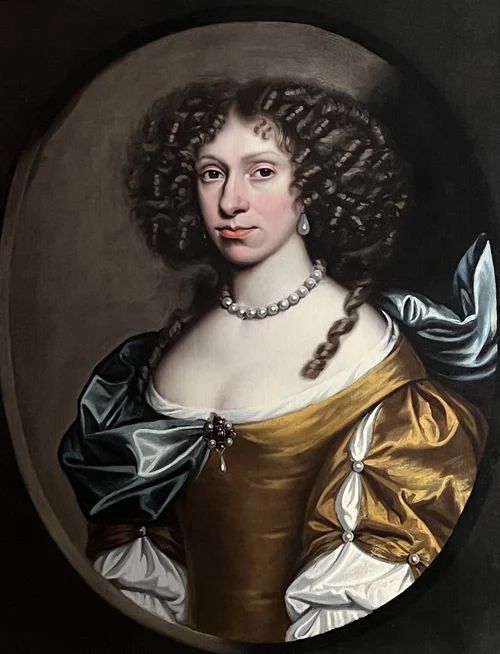
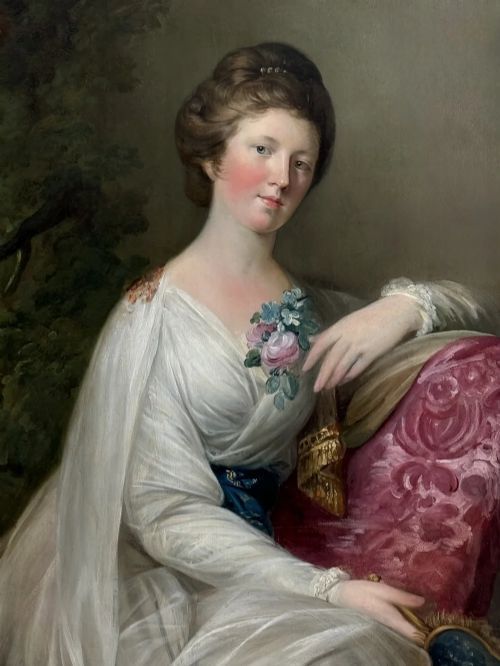
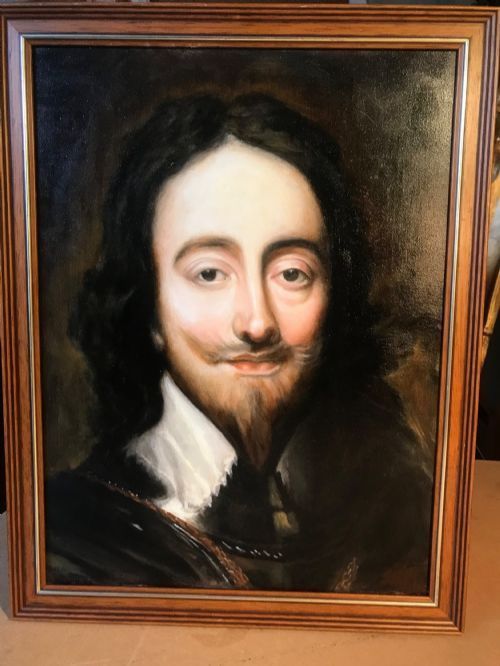
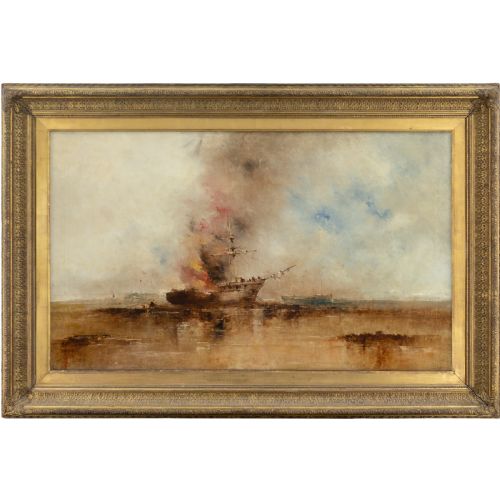
Oil paintings on canvas dominate the selection, frequently depicting named sitters, military officers, nobility, and family members in formal attire.
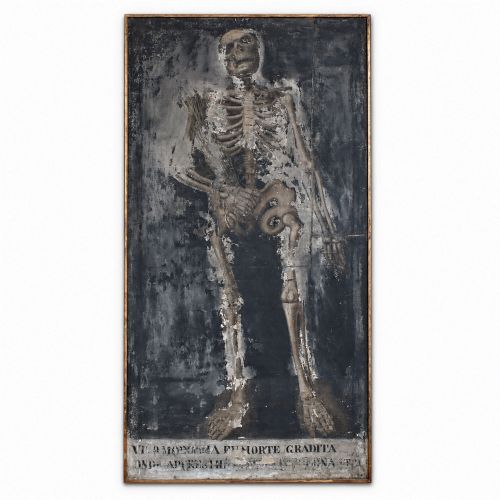
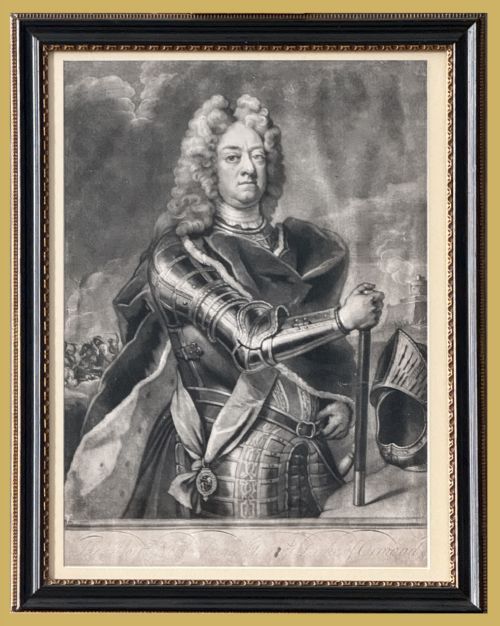
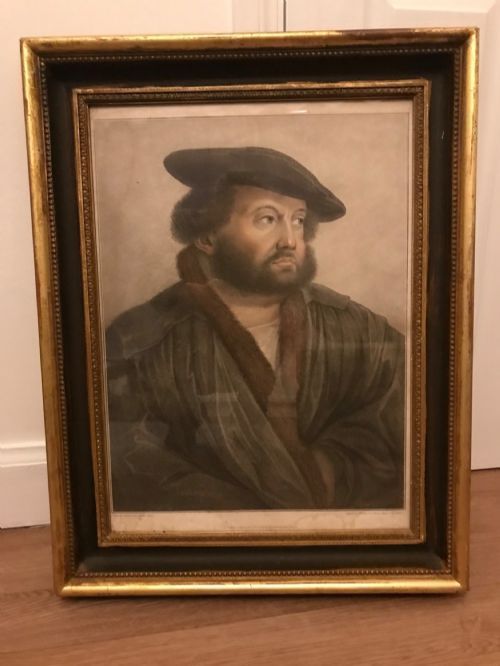
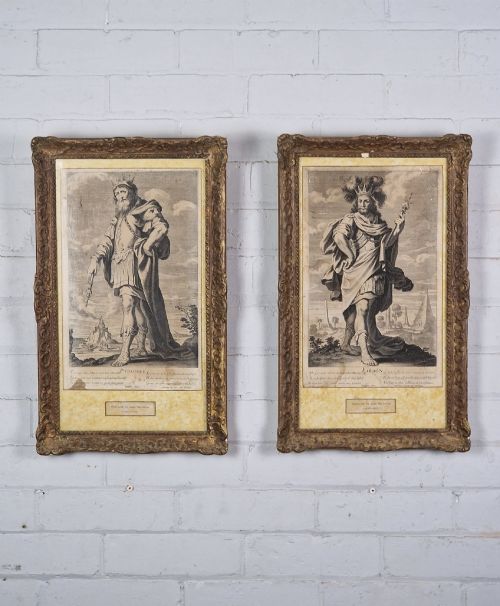
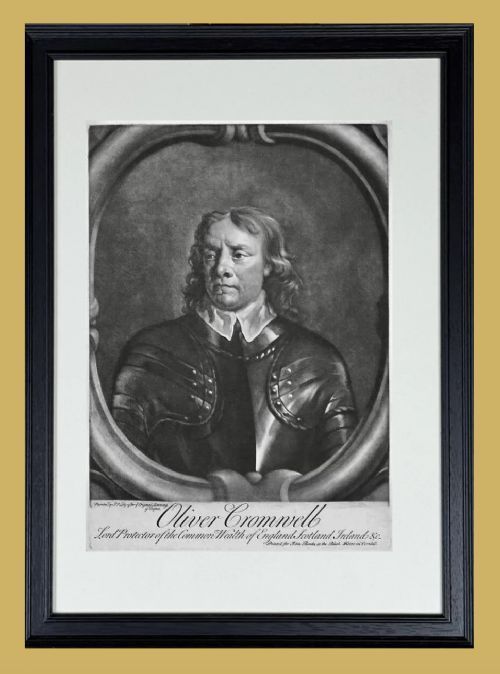
Engravings, mezzotints, and antique maps round out the offerings, providing printed records of historical figures, anatomical studies, and cartography.
Pieces frequently reflect the stylistic movements of their production periods, including Baroque, Dutch Golden Age, Georgian, and Victorian aesthetics.
What varies in quality
The precision of brushwork and draftsmanship distinguishes master workshop output from simpler provincial output.
The preservation of the underlying canvas or paper surface directly influences the visual clarity of the original composition.
The authenticity of period frames matching the era of the artwork impacts the overall integrity of the piece.
Some portraits preserve the exact gaze of individuals who lived through the English Civil War and the Dutch Golden Age.
Sir Joshua Reynolds·Francesco Bartolozzi·John Simon·Sir Peter Lely·Anthony Van Dyck
The Historical Wall Art Glossary
- Mezzotint
- A printmaking process where the copper plate is roughened to achieve rich tonal gradations in dark areas. This technique was widely utilised for reproducing painted portraits.
- Stipple engraving
- A method of creating prints by dotting the copper plate rather than cutting lines. It produces subtle tonal shifts suitable for portraits.
- Giltwood
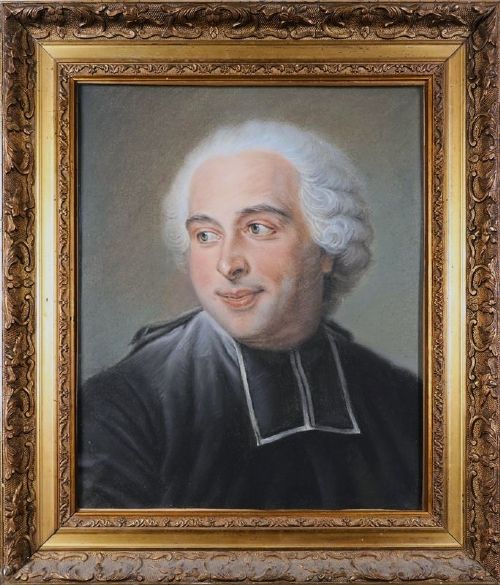
- Wood that has been coated with a thin layer of gold leaf. Frames built this way were common for formal oil paintings.
- Cartography
- The science and practice of drawing maps. Antique examples often feature decorative borders and historical place names.
- Baroque
- An artistic style characterised by dramatic lighting and rich detail. This aesthetic dominated many seventeenth-century European paintings.
Historical Wall Art: Frequently Asked Questions
What is historical wall art?
Historical wall art comprises antique paintings, engravings, maps, and prints produced during past centuries. These works record the likenesses of historical figures, landscapes, and scientific studies.
Most items date from the seventeenth through the nineteenth centuries and reflect the dominant artistic styles of their respective periods.
How were old oil paintings constructed?
Painters stretched canvas over wooden frames before applying layers of oil paint to build up the image. Artists used fine brushes to render details in clothing, hair, and backgrounds.
Finished canvases were then mounted into decorative wooden frames, often finished with gold leaf.
How do I hang a heavy oil painting?
Heavy oil paintings require secure wall anchors fastened directly into structural studs to support the weight of the canvas and wooden frame. Wire or heavy-duty brackets must be rated for the specific weight of the artwork.
Position the painting at eye level and away from direct sunlight to protect the pigments from fading.
How can I tell the period of an engraving?
The paper type, printing technique, and subject matter provide primary clues to the age of a printed work. Stipple engravings and mezzotints correspond to specific technological developments in printmaking during the seventeenth and eighteenth centuries.
Typography on the margins or named sitters with documented birth and death dates also help establish a timeframe.