





Nobleman Oil Painting
A nobleman oil painting brings centuries of aristocratic presence into a room through historic canvas portraits.
Nobleman Oil Painting
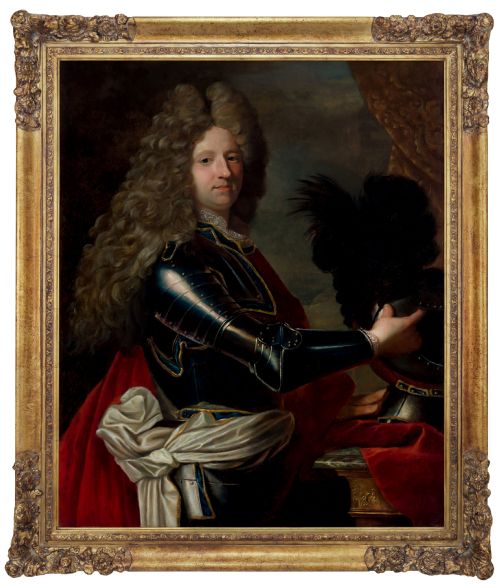
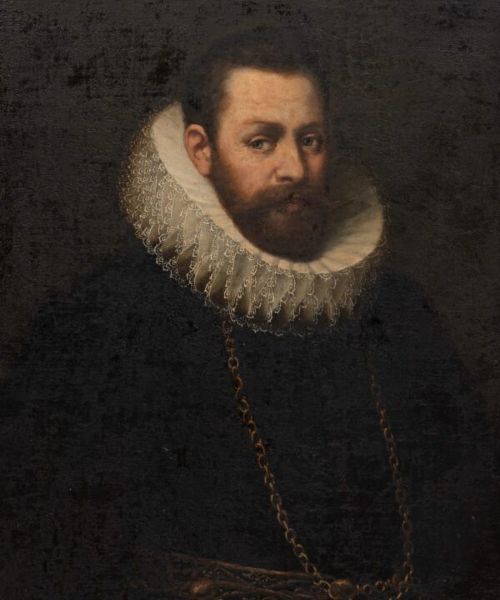
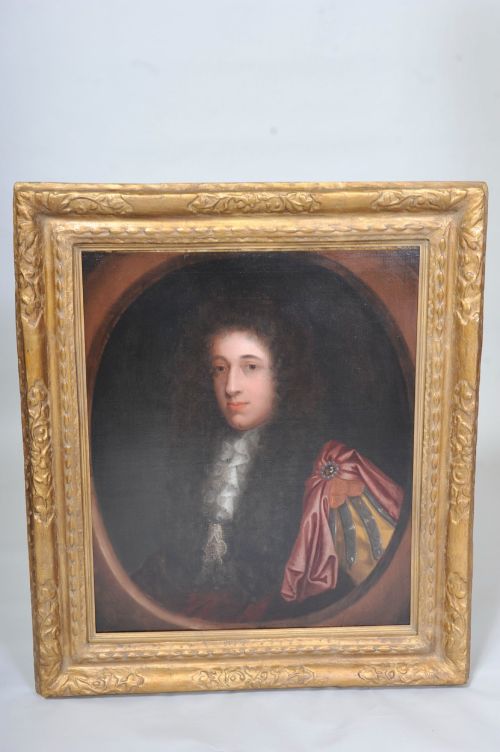
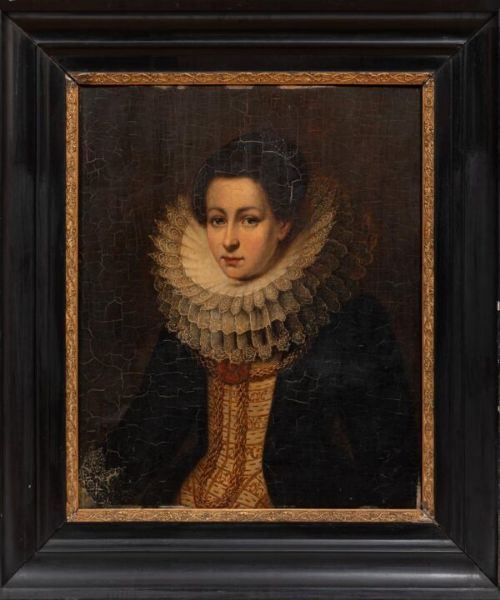
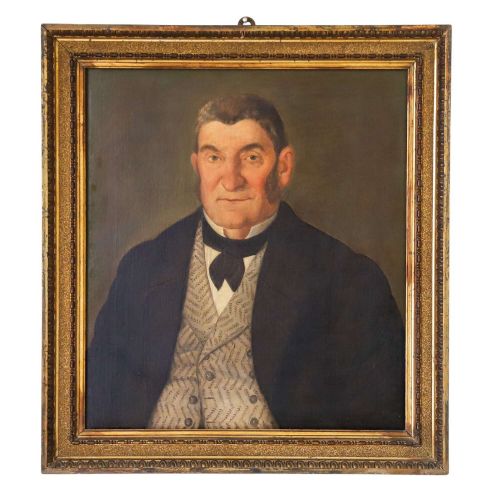
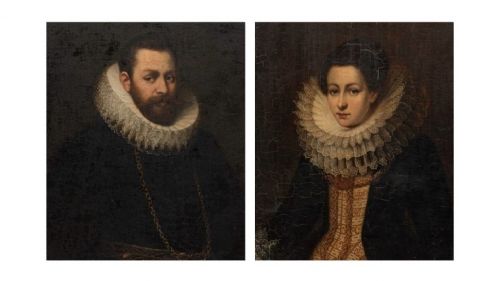
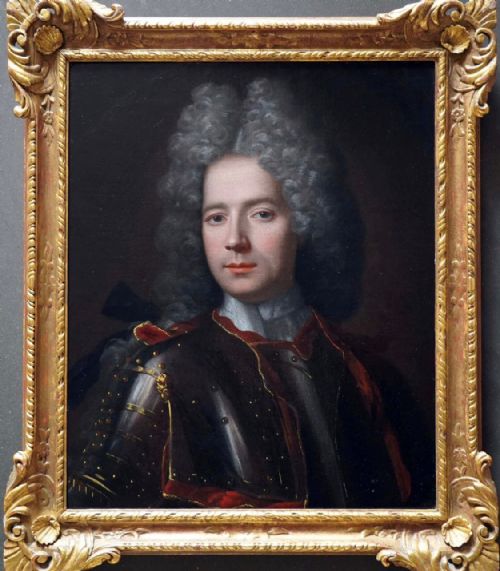
A nobleman oil painting depicts aristocratic figures, gentlemen in armour, and notable historical persons across centuries of portraiture. These works span periods from the 16th century through the Victorian era and into later artistic revivals.
Subjects appear in formal attire, including ruff collars, azure cloaks, and blue robes with fur trim. Pieces range from Dutch school pairings to specific aristocratic depictions attributed to notable portraitists.
The selections on this page represent fine art oil paintings executed on canvas, housed in giltwood frames or plain wood surrounds. Collectors encounter works originating from English, Dutch, Italian, and German schools.
Canvas and pigment construction
Frames utilise wood and giltwood construction to complement the painted compositions. Structural mounting secures the canvas within its surround for long-term preservation.
Nobleman Oil Painting Retail Price Guide 2026
Typical asking prices for nobleman oil painting among the pieces listed under this phrase on Sellingantiques today, from the lower quarter to the upper quarter. They describe what is for sale here now, not the wider market.
Listings span the 16th, 17th, 18th, and 19th centuries, alongside later revivals, utilising oil on canvas and giltwood frames.
Evaluating painting execution
The sophistication of brushwork and the precision in rendering fabrics, such as intricate ruff collars or armour plating, separate masterworks from routine studio copies. Handling of light and shadow defines the depth of the sitter's presence.
Attribution and the strength of provenance influence the standing of a canvas. Works associated with named painters or established continental schools hold distinct art-historical weight compared to anonymous workshop productions.
Joseph Vivienne·Sir Godfrey Kneller·Hyacinthe Rigaud·Nicolas De Largillière·Louis De Silvestre·Adriaen De Kies·Cornelis Van Der Voort·William Aikman·Michael Dahl·John Bettes the Elder
The Nobleman Oil Painting Glossary
- Giltwood frame
- A wooden framing structure covered with a thin layer of gold leaf or gold paint. These decorative surrounds often match the period of the painting they house.
- Oil on canvas
- A painting technique employing pigments bound in a drying oil medium applied to a woven fabric support. This combination provides flexibility and rich colour depth.
- School
- A group of artists sharing a similar style, region, or period under the influence of a master. It helps classify works of unknown specific authorship.
- Ruff collar
- A prominent pleated neckwear item popular in European fashion during the 16th and 17th centuries. Its intricate folds present a notable challenge in portraiture.
Nobleman Oil Painting: Frequently Asked Questions
How do I identify the period of a nobleman oil painting?
Examine the sitter's clothing, hair style, and collar design against historical fashion timelines. Armour styles and framing methods also provide reliable clues to the decade of creation.
Compare the handling of paint and canvas preparation with documented examples from specific centuries. Specialist attributions inscribed on the stretcher or frame offer further historical context.
Where should I hang a large historic portrait?
Position the canvas on a sturdy wall capable of supporting heavy wood and giltwood frames. Ensure the hanging location avoids direct sunlight and severe temperature fluctuations.
Maintain adequate spacing around the frame to let the formal composition dominate the wall space. Eye-level placement allows viewers to engage directly with the sitter's gaze.
What is the difference between attributed and school works?
An attributed painting suggests strong stylistic ties to a named master based on expert opinion. It indicates the work originates from that artist's immediate sphere or studio.
A school designation points to a broader regional or stylistic tradition rather than a specific hand. These pieces reflect the prevailing techniques and aesthetic standards of a particular country and era.
How do I care for an antique oil painting?
Keep the canvas away from moisture, heating vents, and damp environments to prevent warping and paint cracking. Dust the surface very gently with a soft, dry brush without applying pressure.
Avoid using commercial cleaning sprays or water on the painted surface or giltwood frame. Consult a professional conservator if the canvas requires cleaning or structural repair.