

Dutch Master Art
When you search for dutch master art, you find compelling oil paintings, engravings, and portraits dating from the seventeenth century onwards.
Dutch Master Art
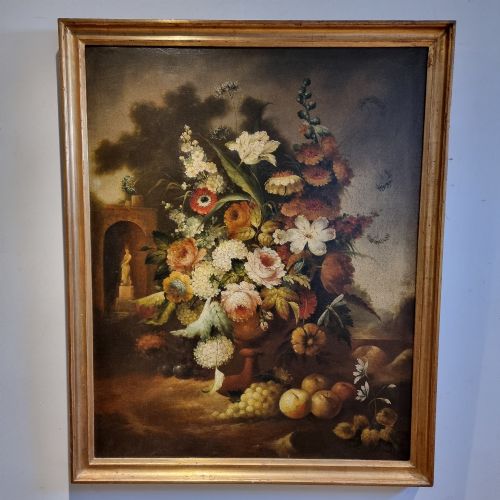
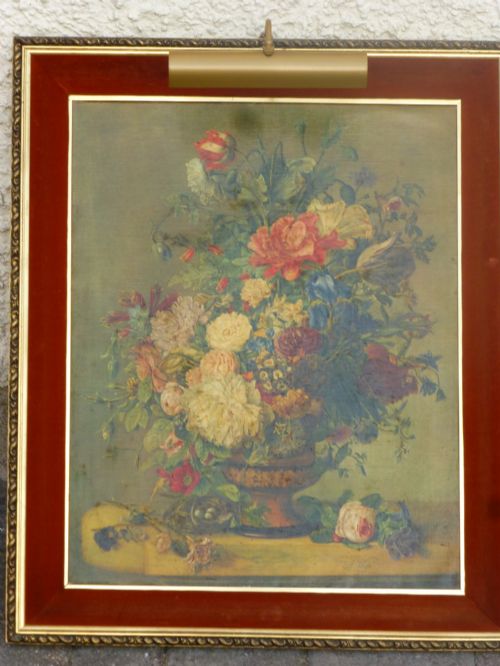
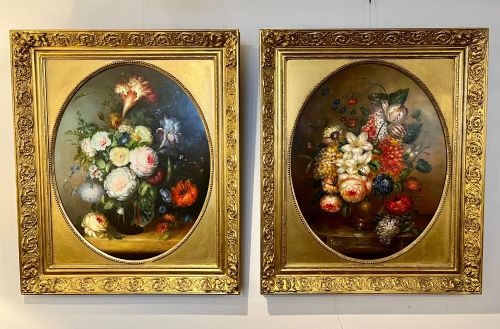
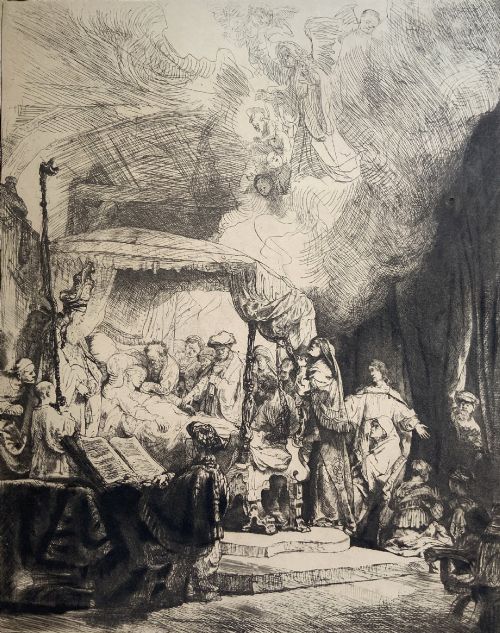
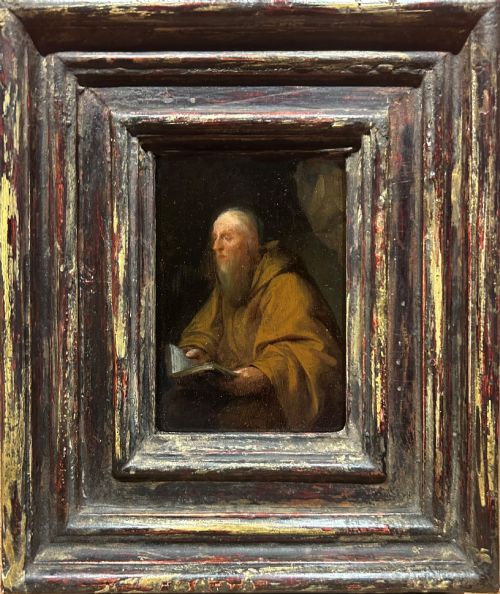
When buyers search for dutch master art, they encounter historic works spanning the seventeenth century up to later revival periods. The selections include original oil paintings on canvas and panel, etchings, line engravings, and framed artworks depicting portraits, floral still lifes, and tavern interiors.
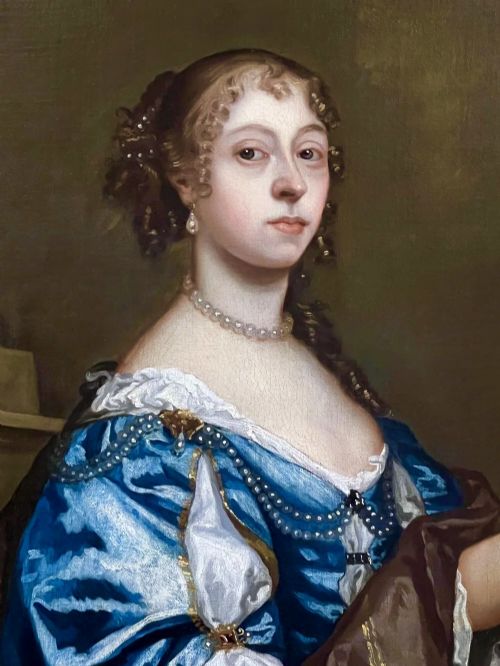
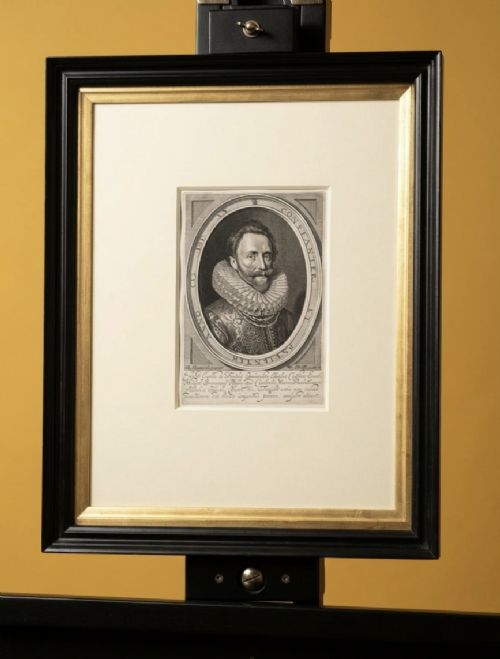
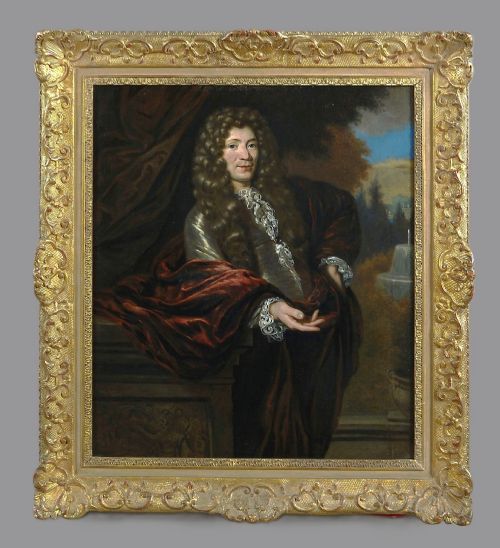
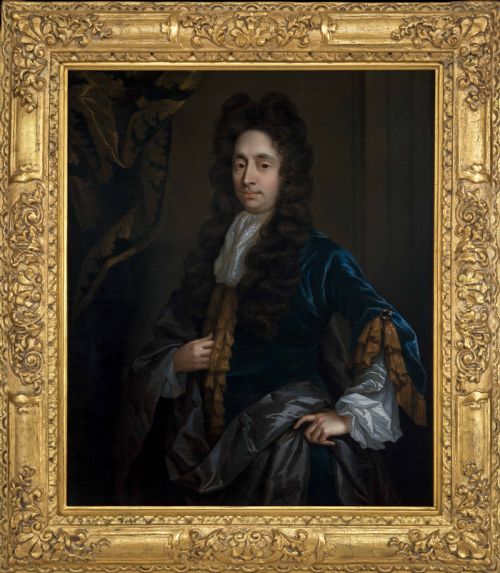
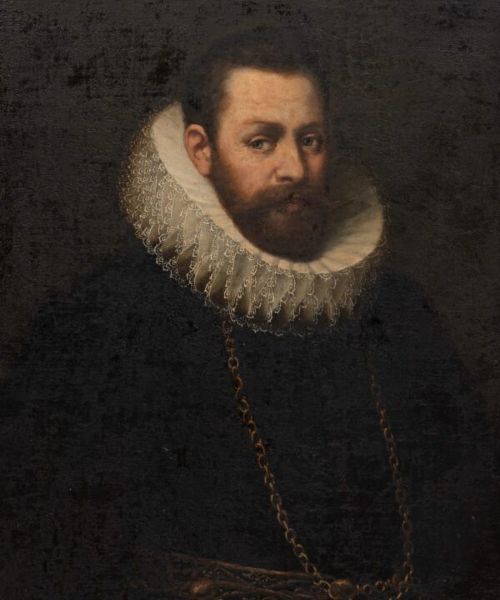
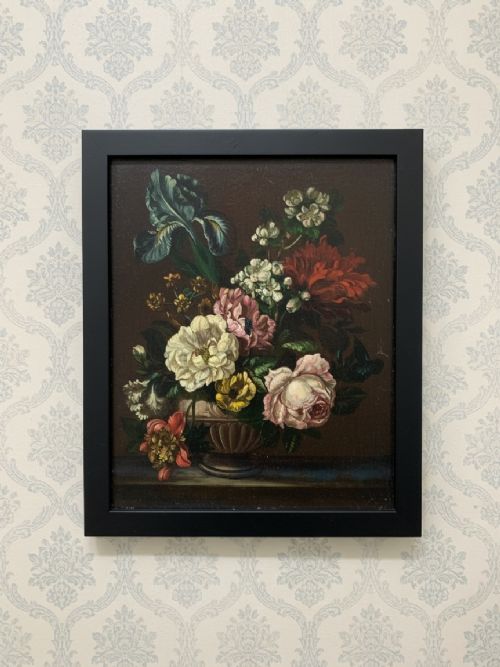
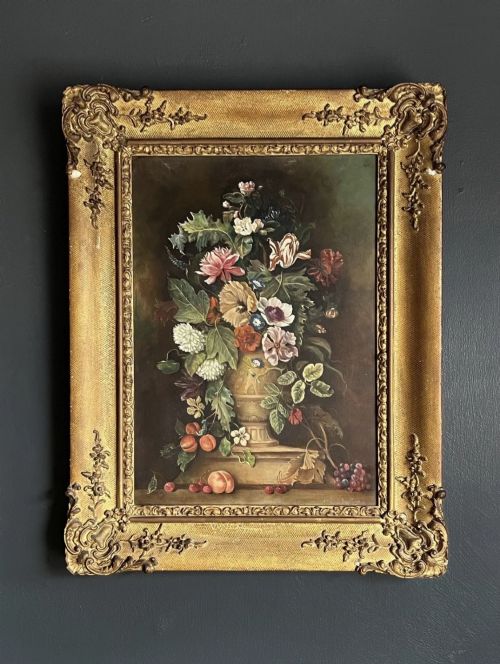
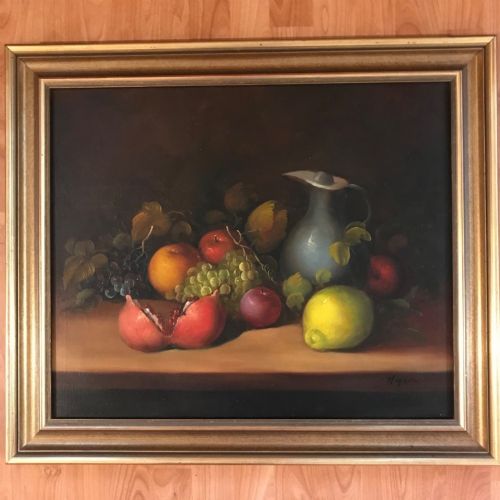
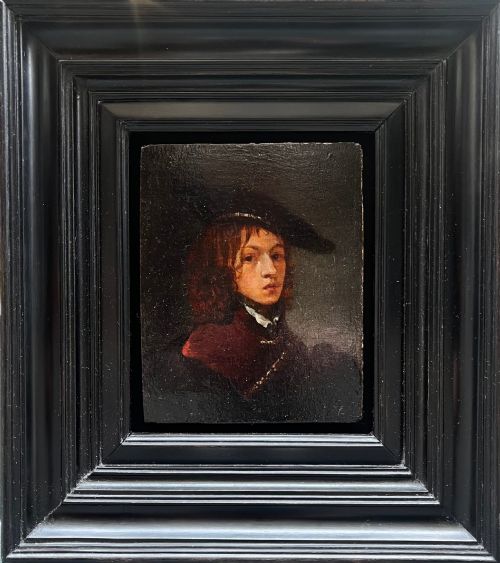
Most items reflect the Dutch Golden Age tradition or subsequent nineteenth-century adaptations in the Dutch School style. Portraits feature notable figures with intricate ruff collars, while still lifes display rich arrangements of fruit, flowers, and banquet items.
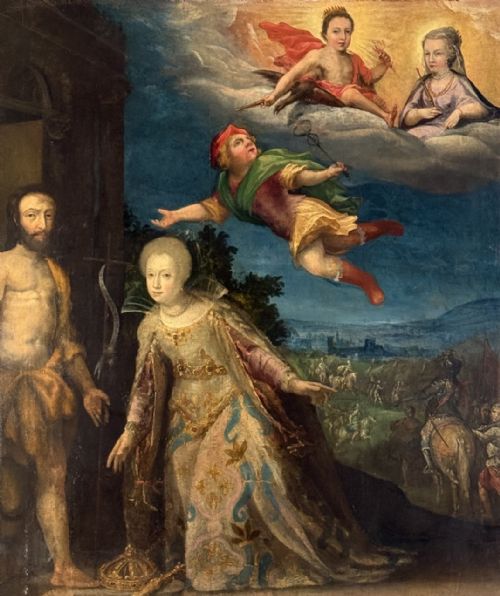
The assortment also encompasses landscapes, mythological scenes with bathing nudes, and animal paintings influenced by Flemish Baroque aesthetics. Buyers often select pieces housed in period-appropriate giltwood and gesso frames that complement the dark, atmospheric palettes.
How they were made
These works rely primarily on oil paint applied to stretched canvas or wooden panels, utilising traditional layering techniques to build depth and luminosity. Artists of the period worked with rich pigments to achieve dramatic chiaroscuro lighting effects in portraits and dark, moody background tones in still lifes.
Frames play an integral structural and aesthetic role, constructed from wood and finished with gold leaf, giltwood, or moulded gesso. Engravings and etchings utilise inked metal plates pressed onto paper to reproduce fine line work, mirroring the composition of painted masters.
Dutch Master Art Retail Price Guide 2026
Typical asking prices for dutch master art among the pieces listed under this phrase on Sellingantiques today, from the lower quarter to the upper quarter. They describe what is for sale here now, not the wider market.
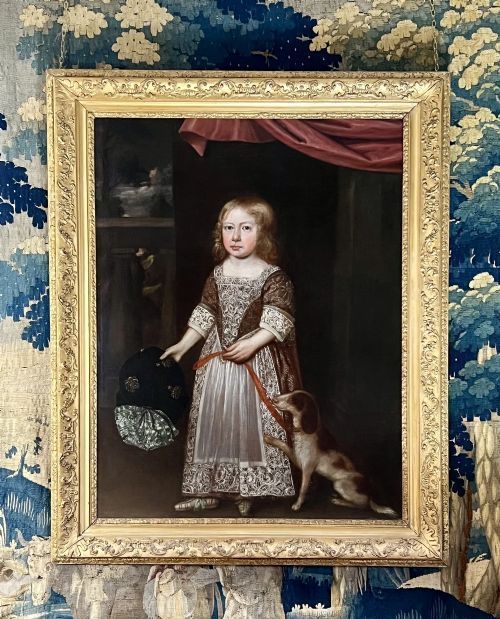
Several centuries ago, a stray dog eagerly stealing food from a banquet basket secured immortality in oil paint.
What varies in quality
Material preservation also dictates value, where original canvas tension, minimal craquelure disruption, and untouched historical frames indicate better survival over the centuries. Stronger compositions exhibit balanced tonal depth and confident pigment application rather than flat, formulaic replication.
Michiel van Musscher·Pieter Borsseler·Johannes Lingelbach·Gaspar Peeter Verbruggen·David Teniers·Nicolaes Maes·Frans Hals·Godfried Schalcken·Frans Snyders·Cornelis Van Poelenburgh
The Dutch Master Art Glossary
- Dutch Golden Age
- A period in Dutch history spanning the seventeenth century marked by immense artistic output and innovation in portraiture, landscape, and still life painting.
- Chiaroscuro
- An artistic technique using strong contrasts between light and dark to give subjects a three-dimensional volume.
- Giltwood
- Wood carved and coated with gold leaf or a gold-colored metallic finish, commonly used for ornate antique picture frames.
- Etching
- A printmaking process where lines are incised into a metal plate with acid before being inked and pressed onto paper.
- Still Life
- An artwork depicting mostly inanimate subject matter, typically commonplace objects which may be either natural or man-made.
Dutch Master Art: Frequently Asked Questions
What defines dutch master art?
These pieces originate from seventeenth-century Netherlands or follow subsequent revival traditions associated with the Dutch School. They encompass oil paintings, portraits, and floral compositions created during periods of significant cultural production.
The aesthetic emphasises realistic portraiture, dramatic lighting, and meticulous attention to botanical and domestic detail. Works range from original period creations to later nineteenth-century interpretations rendered in gilt frames.
How do I identify a portrait period?
Clothing details such as stiff ruff collars, lace cuffs, and satin dresses offer immediate clues to the sitter's era and social standing. Portrait styles shifted from rigid seventeenth-century formality to more expressive interpretations in later periods.
Examining the canvas texture, panel construction, and frame style helps verify whether a piece belongs to the seventeenth century or represents a later nineteenth-century homage.
Where should I hang these paintings?
Darkly atmospheric portraits and rich still lifes suit traditional dining rooms, libraries, or study spaces with controlled lighting. Placing them away from direct sunlight protects the oil paint and sensitive giltwood frames from fading.
Pairing a large floral still life or portrait with neutral wall colours allows the heavy gilding and deep pigments of the artwork to stand out.
Are still lifes symbolic?
Traditional floral and banquet arrangements often incorporated hidden meanings relating to the transience of life and earthly pleasures. Decaying fruit or insects painted among blooms served as visual reminders of mortality.
Artists rendered these botanical elements with scientific precision while maintaining a balanced, decorative composition across the canvas.