
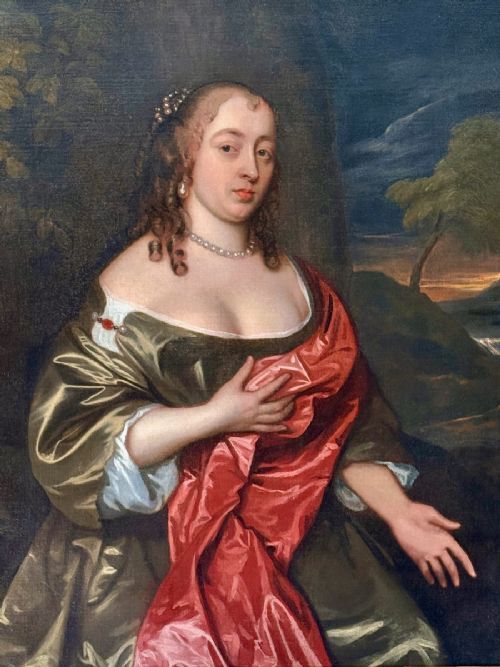
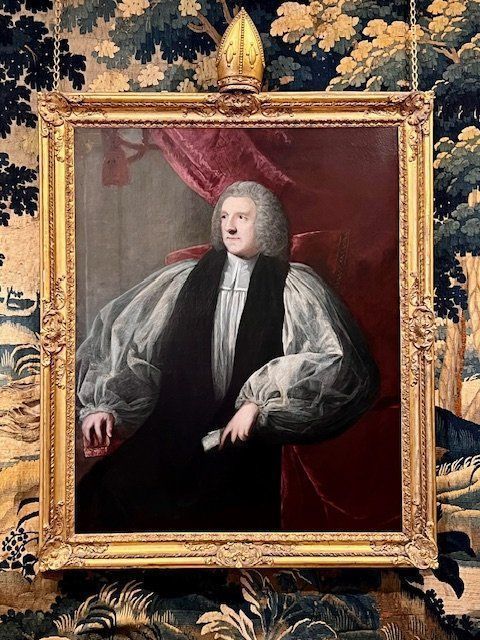
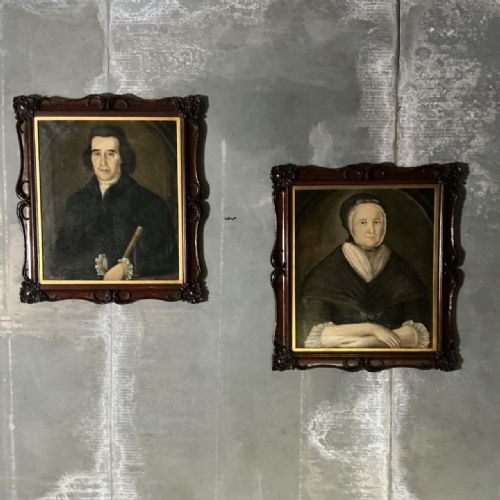
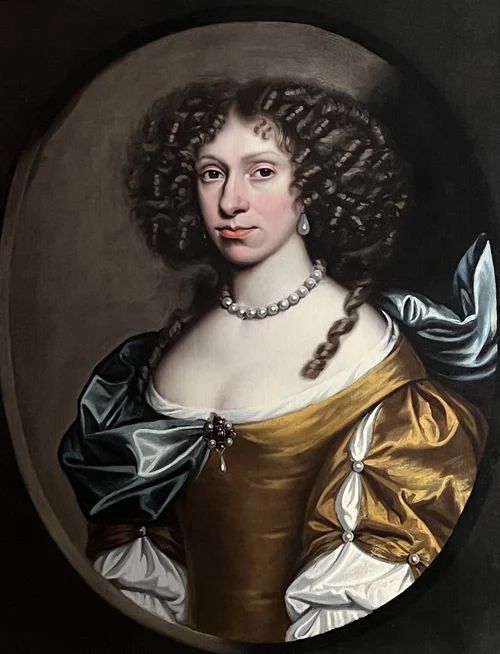

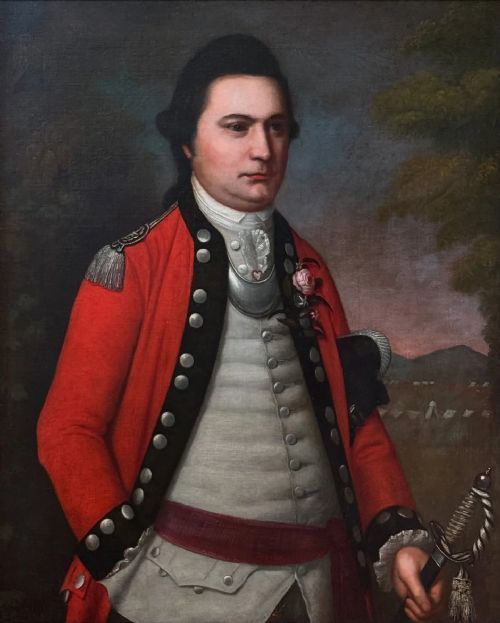
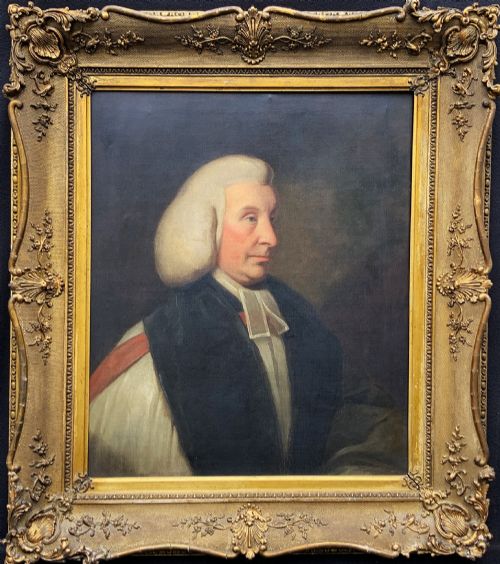
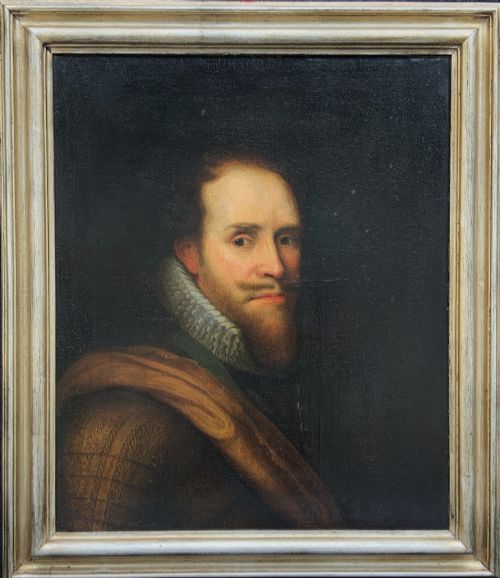
Historical Portrait Painting Art
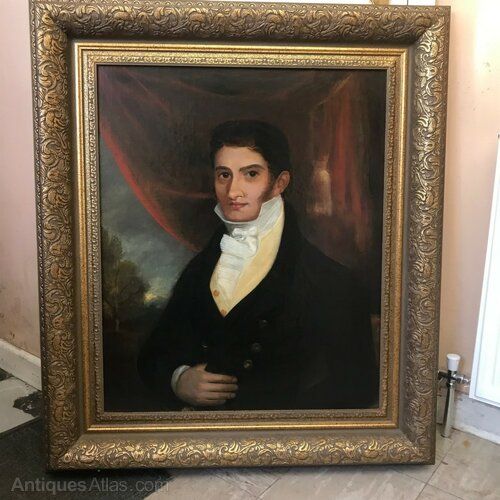
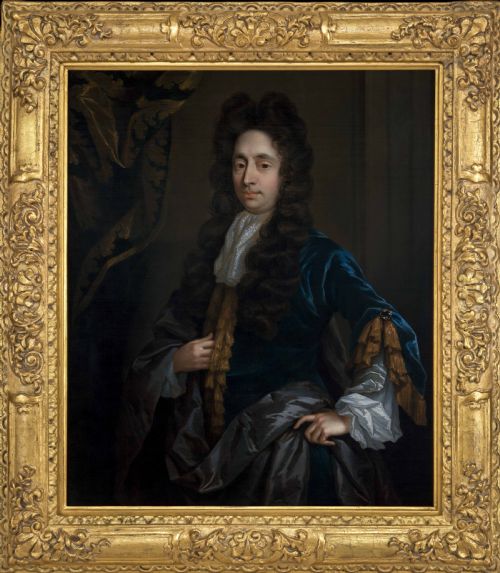
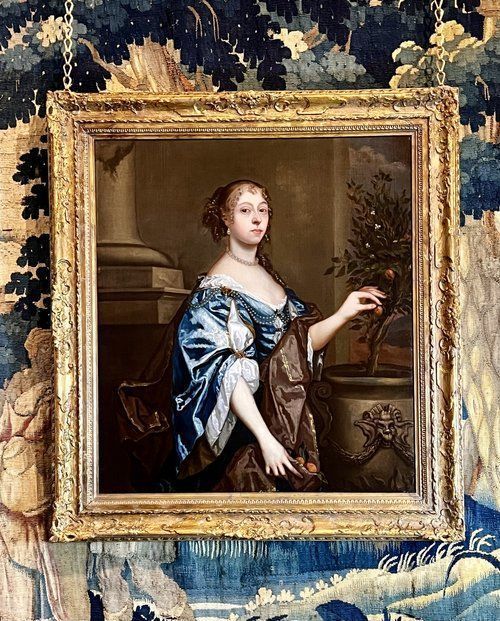
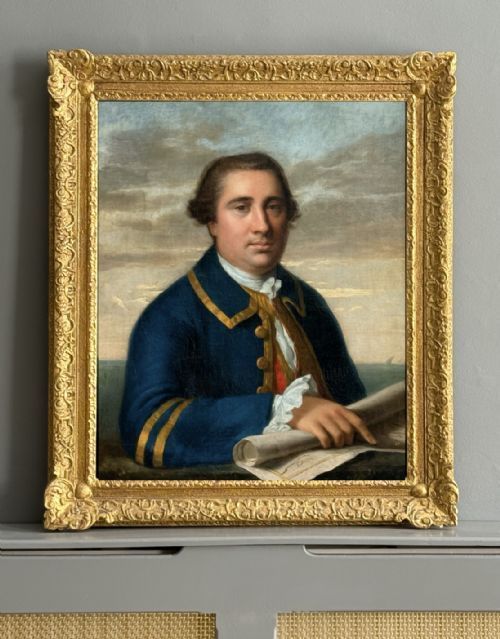
When collecting historical portrait painting art, you secure a tangible link to centuries past through likenesses rendered in oil and pastel.
Historical Portrait Painting Art
Collectors seeking historical portrait painting art encounter works spanning the seventeenth through the nineteenth centuries, capturing subjects ranging from nobility to military officers.
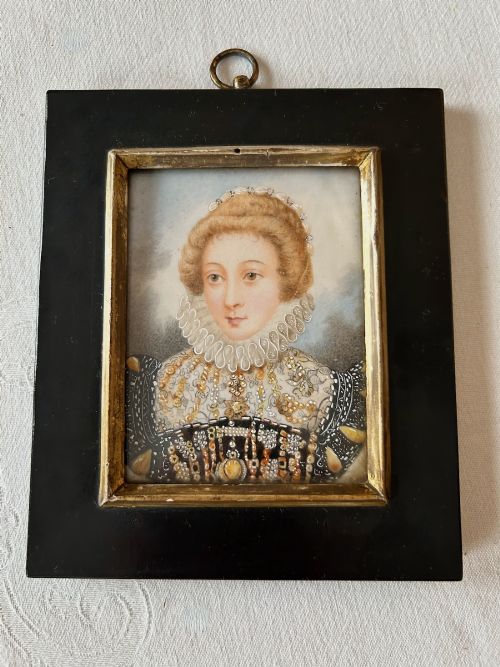
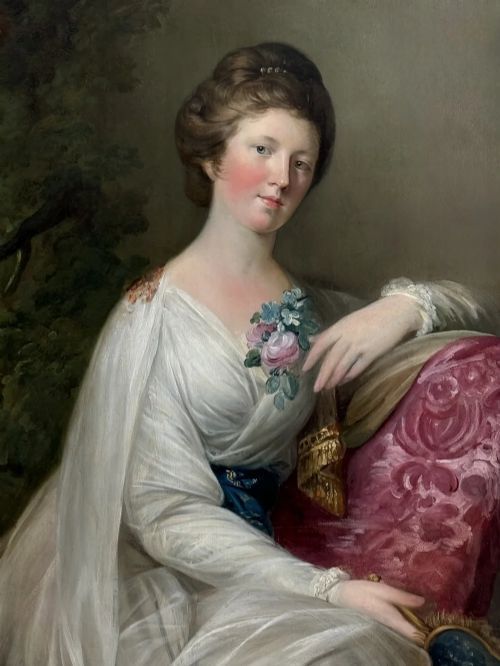
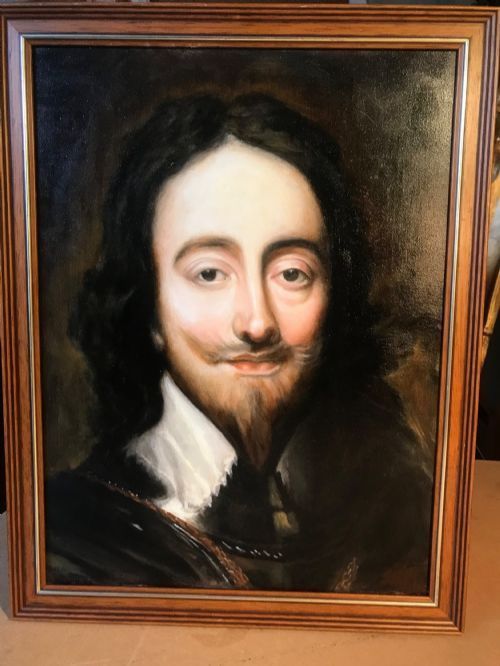
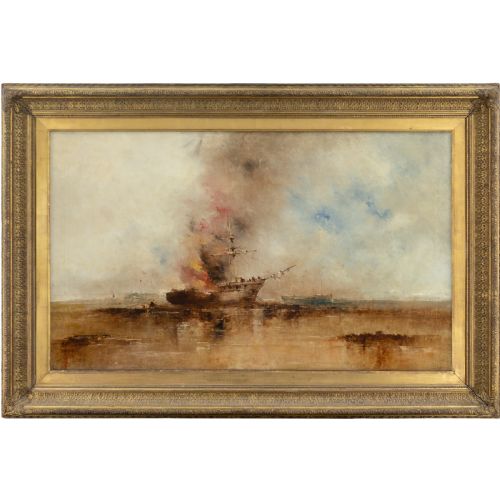
The pieces on this page primarily take the form of oil paintings on canvas or panel, alongside intimate portrait miniatures and pastel works.
Origins stretch across British, Dutch, and continental European schools, reflecting the stylistic shifts of Baroque, Georgian, and Victorian periods.
Materials and Techniques
Substrates often included prepared wood or heavy linen canvas, occasionally framed in period giltwood to complement the composition.
Pastel works on paper utilised finely ground pigments bound into sticks, requiring glass protection to preserve the delicate powdery medium.
Current listings feature oil on canvas, wood panels, and paper works spanning the seventeenth to the nineteenth centuries.
Distinctions in Quality
Execution of facial anatomy, hand gestures, and drapery separates master works from routine workshop output, where proportions may stiffen.
Depth of pigment and the handling of light define the upper tier, imparting a lifelike presence to the sitter.
Provenance and documented attribution to named painters or established circles elevate the standing of a portrait significantly.
Sir Joshua Reynolds·Sir Peter Lely·Anthony Van Dyck·George Willison·Lemuel Francis Abbott
The Historical Portrait Painting Art Glossary
- Oil on Canvas
- Pigments mixed with drying oils applied to a woven fabric support. This combination allowed artists to blend tones smoothly and achieve deep luminosity.
- Portrait Miniature
- A small, highly detailed painting executed on vellum, card, or ivory. These portable items were often worn as lockets or kept in protective cases.
- Panel Painting
- Artwork created on a flat piece of wood rather than canvas. Oak and other stable timbers provided a rigid surface favoured by earlier European masters.
- Giltwood
- Wood carved and coated with a thin layer of gold leaf or metallic powder. Frames finished this way enhanced the grandeur of formal portraits.
- Pastel Portrait
- A likeness drawn with powdered pigment sticks on paper. This medium captured soft textures and skin tones with immediacy.
Historical Portrait Painting Art: Frequently Asked Questions
What periods do these portraits cover?
The selections span primarily from the seventeenth century through the Victorian era, capturing distinct aesthetic shifts.
Earlier examples display Baroque influences, while later works reflect Georgian and Regency sensibilities.
How were these portraits used historically?
Sitters commissioned these likenesses to record lineage, status, and personal identity for posterity within stately homes.
Miniatures were frequently exchanged between family members as intimate tokens of affection.
How should I care for oil portraits?
Keep paintings away from direct sunlight and steady humidity fluctuations to protect the canvas and wooden supports.
Dust surfaces gently with a soft, dry brush without applying liquid cleaners.
How can I identify studio copies?
Works attributed to a studio or follower often replicate known compositions by master painters with slight variations in handling.
Brushwork in these pieces can appear more formulaic compared to primary autographic works.