
Historical Male Oil Painting
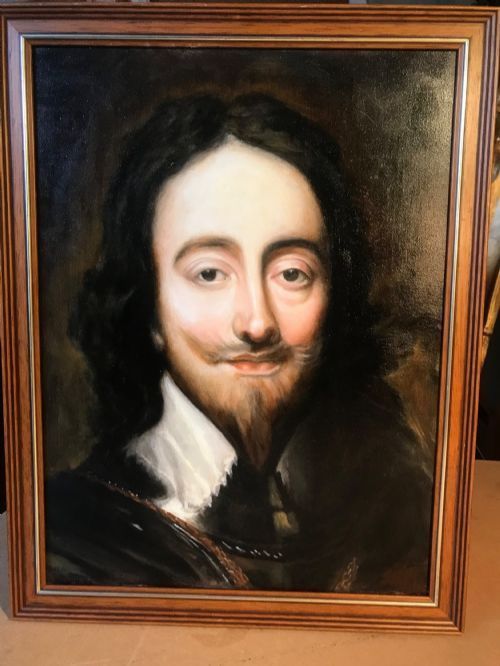
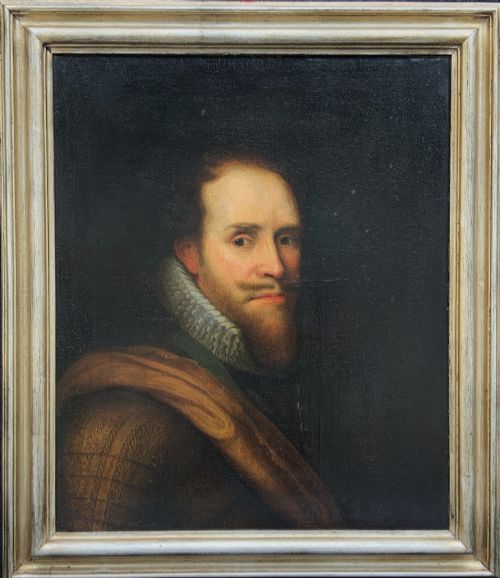
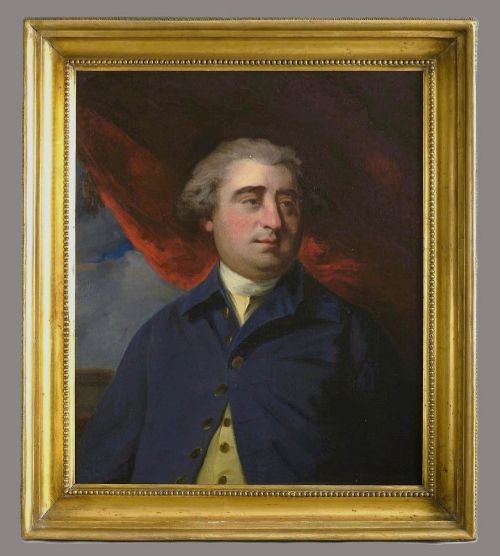
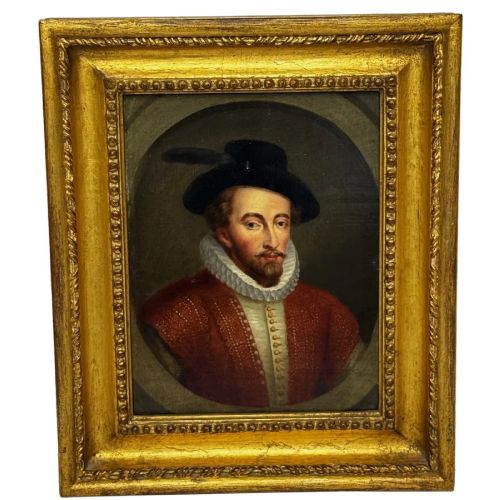
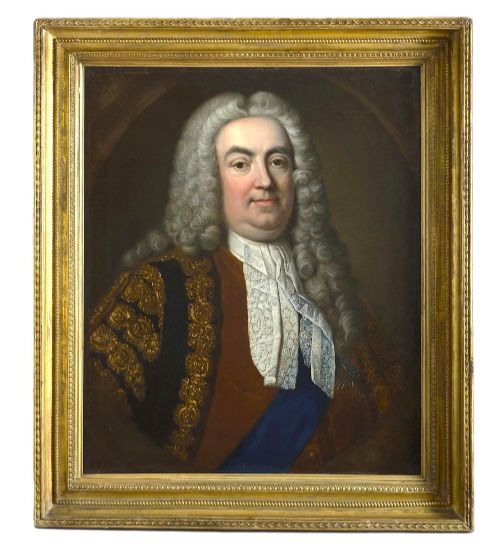
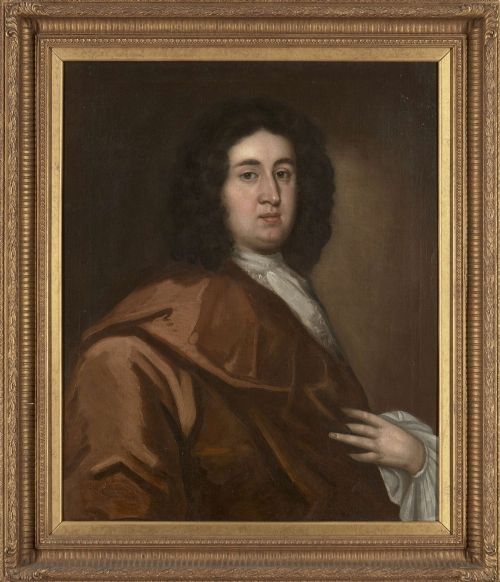
A historical male oil painting captures the likenesses of monarchs, scientists, and statesmen across centuries of European portraiture.
Historical Male Oil Painting
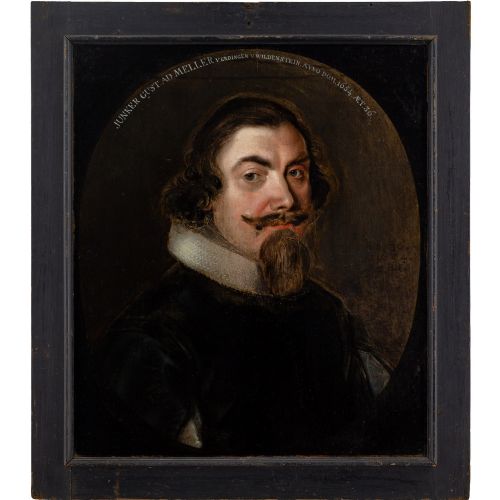
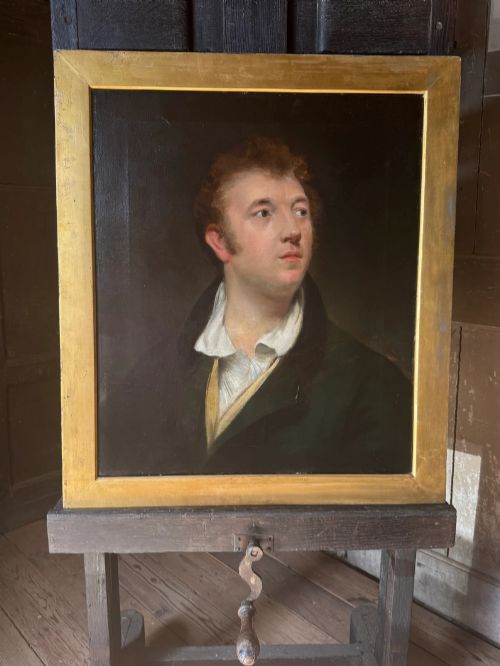
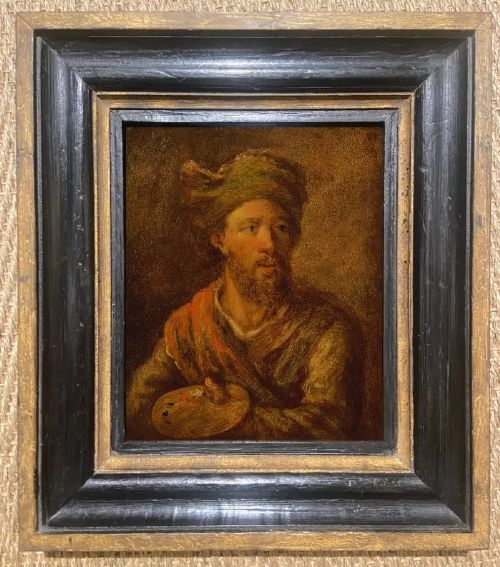
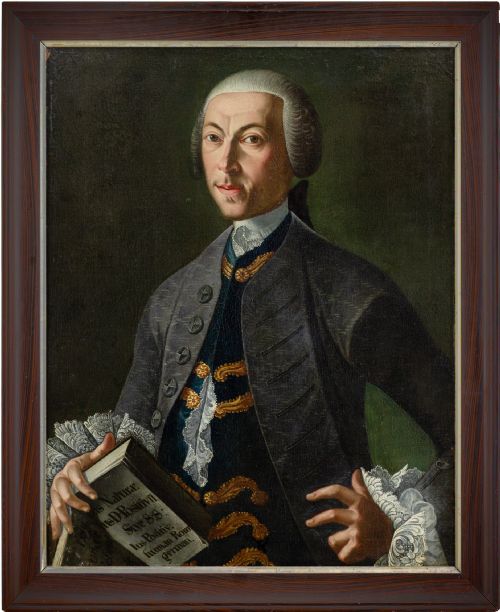
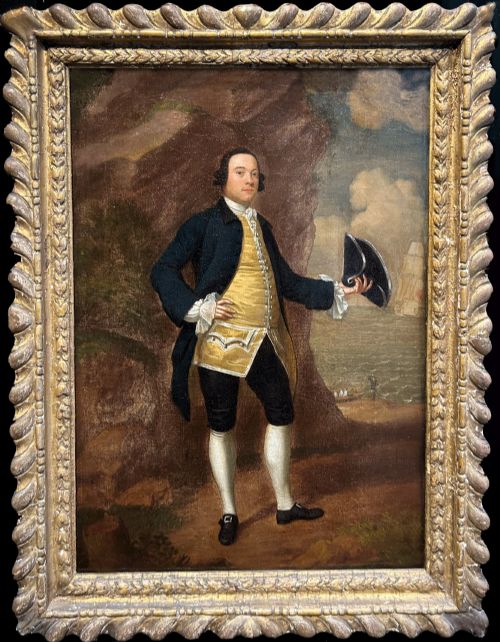
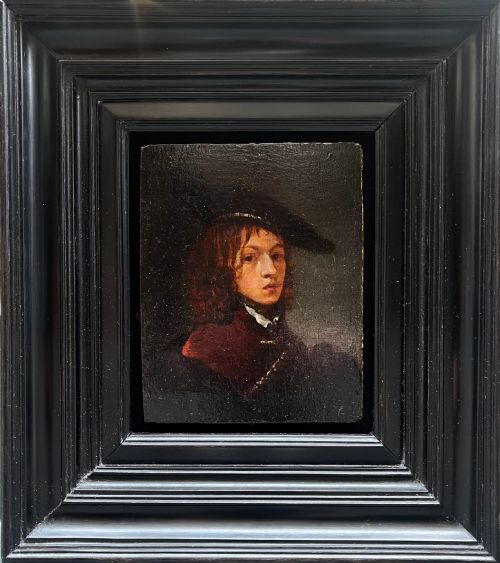
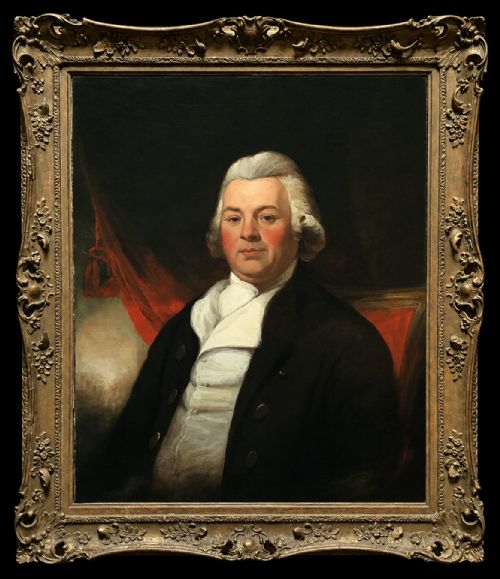
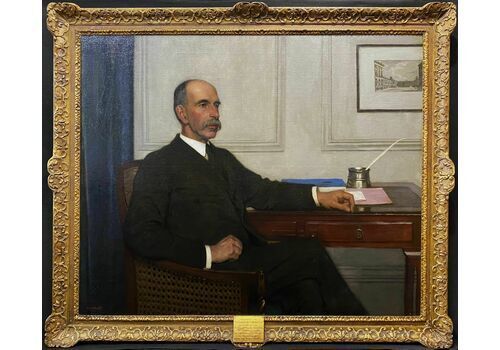
A historical male oil painting depicts notable figures, aristocrats, and gentlemen, ranging from seventeenth-century Dutch merchants and British monarchs to nineteenth-century engineers and physicians.
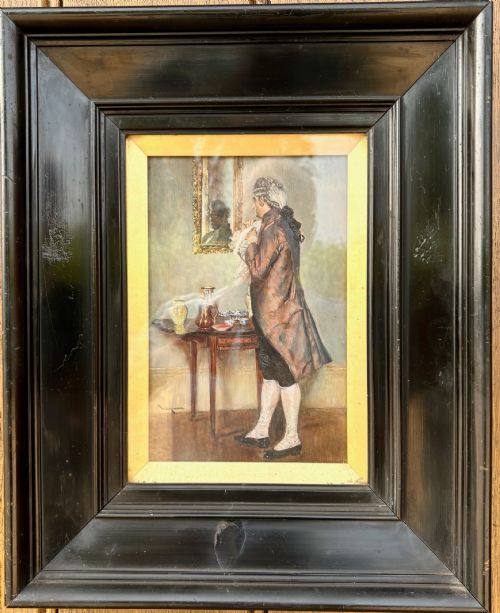
The selections span the seventeenth, eighteenth, and nineteenth centuries, alongside later twentieth-century interpretations, reflecting styles from the Baroque and Dutch Golden Age to the Georgian and Regency periods.
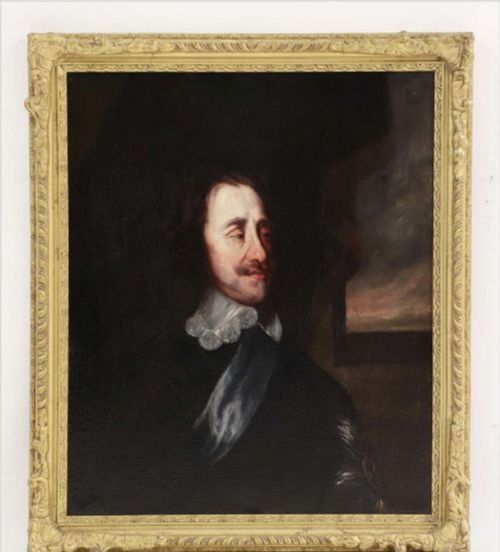
Collectors encounter works attributed to major schools, studio circles, and named artists, preserving the likeness of subjects wearing armour, academic robes, or period cloaks.
Materials and Technique
The physical works rely principally upon oil paint applied to canvas, wood panels, or oil boards, utilising the rich pigment depth typical of historical portraiture.
Many historical examples retain their original heavy mounts, constructed from giltwood and gold leaf to complement the dark tones of the subjects.
The inventory records depictions of scientists, physicians, and aristocrats adorned in Garter robes, suits of armour, and academic dress.
Judging Quality
Quality rests upon the subtlety of brushwork in facial modelling, where master studios capture skin texture, light, and fabric folds with greater psychological depth.
The provenance and direct association with a recognised seventeenth or eighteenth-century studio or named artist elevate the historical significance of the piece.
Anthony Van Dyck·Sir Joshua Reynolds·Jean Baptiste Van Loo·Sir Peter Lely·John Closterman·Francis Hayman·John Hamilton Mortimer·Nicolas De Largilliere·David Scougall·Hans Temple·George Hayter·Sir Godfrey Kneller·William Aikman
The Historical Male Oil Painting Glossary
- Studio of
- A term indicating the work was produced in the workshop of a master artist, often under their direct supervision.
- Oil on Canvas
- A traditional painting medium consisting of pigments suspended in drying oils spread across a stretched fabric support.
- Giltwood
- Wood that has been treated with a thin layer of gold leaf or gilt powder for decorative framing.
- Dutch Golden Age
- A period in seventeenth-century painting noted for dramatic realism, rich tonal contrast, and psychological depth.
- Regency
- An early nineteenth-century British period associated with neoclassical portraiture and refined dress.
Historical Male Oil Painting: Frequently Asked Questions
How do I identify a seventeenth-century portrait?
Seventeenth-century portraits typically feature stiff lace collars, dark backgrounds, and heavy wooden or gilt frames that reflect Baroque sensibilities.
Subjects from this era often wear armour, clerical robes, or rich doublets, painted with deep chiaroscuro lighting.
What is the difference between circle of and studio of?
Studio of implies production within the actual workspace of the master, frequently overseen or directly influenced by them.
Circle of denotes an artist working closely in the distinct style and period of a master without necessarily training in their direct workshop.
Where should I hang a historical oil painting?
These works suit traditional studies, libraries, or living rooms with controlled lighting away from direct sunlight.
Pairing them with period furniture or dark wall colours enhances the rich tones of the oil pigments and original gilt frames.
How are subjects usually identified?
Identification relies upon contemporary inscriptions, heraldic crests, the sitter's specific attire, or accompanying archival records documenting the commission.
Many figures represent named monarchs, scientists, and statesmen whose likenesses were recorded by court painters.