



Antique German Fine Art
These pieces of antique german fine art bring centuries of portraiture, landscapes and carved wood into rooms with distinct character.
Antique German Fine Art
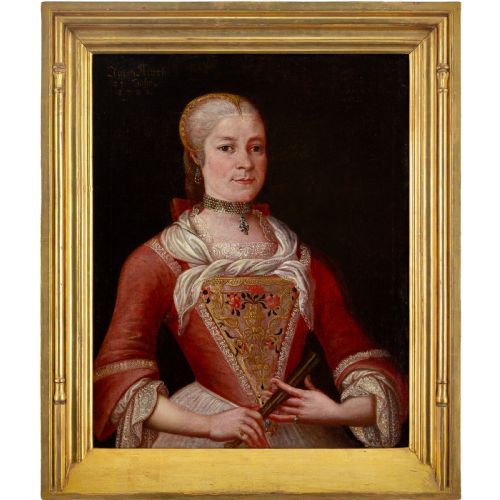
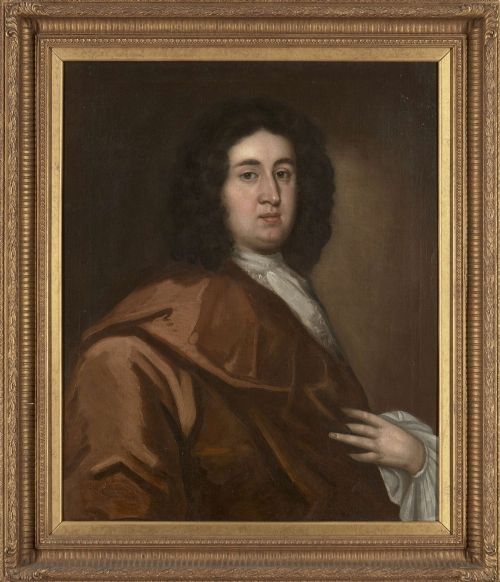
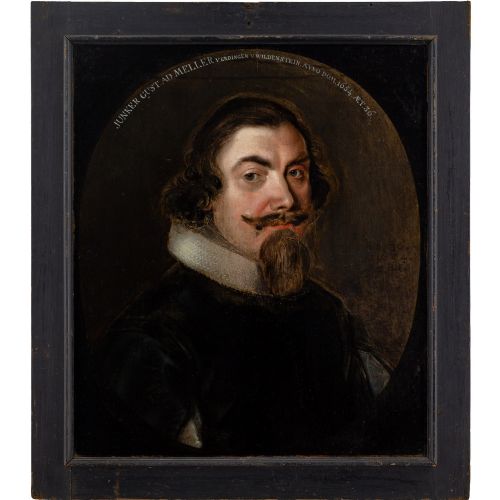
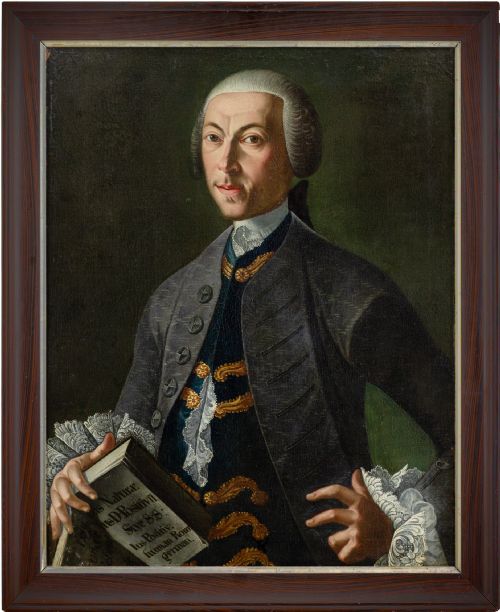
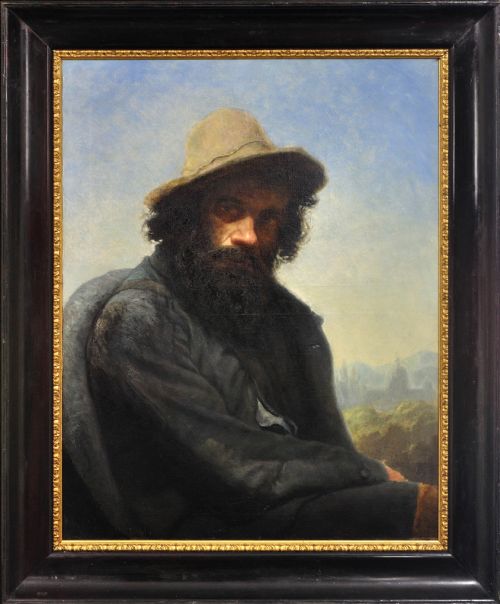
When you search for antique german fine art, you encounter oil paintings, prints, porcelain plaques and carved wood objects spanning from the seventeenth century through to the opening of the twentieth. Portraits dominate the selection, showing subjects ranging from eighteenth-century Bavarian figures and seventeenth-century gentlemen to family groups and merchants.
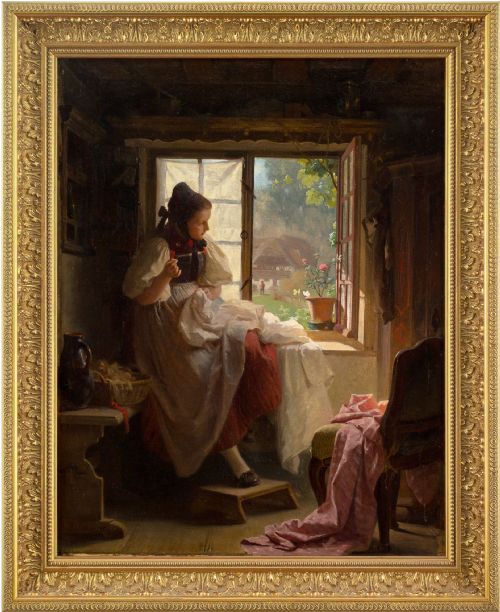
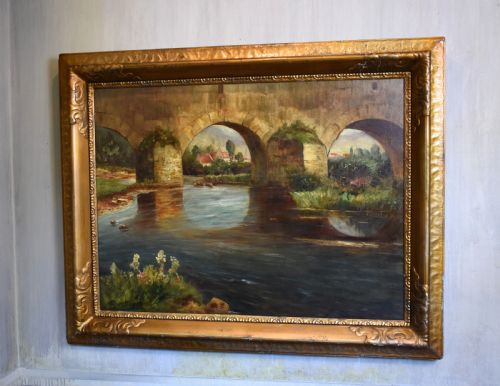
Beyond portraiture, the selection includes rural landscapes, winter townscapes, genre scenes and allegorical wall reliefs. These works originate from regional schools and named artists, offering a view into historical German artistic output.
How they were made
Painters applied oil paint to canvas or wood supports, often finishing the works with giltwood frames or gold leaf accents. Carvers worked in oak to produce decorative wall panels and figurative sculptures.
Engravers produced copper engravings on paper, while porcelain manufacturers created painted plaques. These traditional methods ensure the durability and tactile quality visible in the surviving objects.
Materials recorded across the inventory include canvas, wood, oil paint, gold leaf, giltwood frames and paper.
What varies in quality
The standard of execution in brushwork, carving depth and composition separates master works from provincial student pieces. Finer paintings show confident handling of facial expressions, textiles and light.
The preservation of the original surface, including the condition of the oil paint and the integrity of the period frame, determines the overall standing of an individual piece.
John Closterman·Max Kaltenmoser·Albin Mattenheimer·Carl Adolf Mende·Heinrich Harder·Christian Lindner·Karl Herrle·Franz Reder-Broili·Ludwig Hermann·Joseph Emmanuel Weiser·Wilhelm Alexander Meyerheim·Arthur Heinrich Wilhelm Fitger·K. Schubert
The Antique German Fine Art Glossary
- Oil on Canvas
- A painting medium where pigments are suspended in a drying oil, applied to a stretched woven fabric support. This combination allowed artists to achieve subtle tonal gradations and rich colour depths.
- Giltwood Frame
- A wooden moulding coated with gold leaf or gilt preparation, designed to surround and protect a painting. These frames provide period context and structural boundary for the artwork.
- Wall Relief
- A sculptural artwork where figures or designs project from a flat background plane. This technique is frequently seen in carved oak panels from the baroque period.
- Biedermeier
- A style period spanning the nineteenth century characterised by utilitarian comfort and clean lines. In visual arts, it reflected domestic realism and bourgeois life.
- Porcelain Plaque
- A flat tablet of fired ceramic material painted with mineral colours and glazed. These delicate surfaces hold fine portrait miniatures with permanent vibrancy.
Antique German Fine Art: Frequently Asked Questions
What periods do these artworks cover?
The pieces span from the seventeenth century through the eighteenth and nineteenth centuries up to nineteen hundred. This timeline captures the baroque, rococo, romantic and realist movements.
Earlier works lean towards formal portraiture and religious or allegorical panels, while later centuries embrace townscapes, genre scenes and rural landscapes.
How should I care for oil paintings?
Keep oil paintings out of direct sunlight and away from rapid temperature fluctuations that can cause canvas tension to shift. Stable indoor humidity protects both the paint layer and the wooden stretcher.
Dust the surface gently with a soft dry brush and avoid chemical cleaners. If restoration is necessary, consult a professional conservator.
What subjects are most common?
Human portraits form the largest group, depicting merchants, nobility, children and family groups. These range from stiff seventeenth-century poses to nineteenth-century narrative scenes.
Townscapes, winter river quays, cattle landscapes and allegorical wood carvings provide alternative subjects for collectors seeking different interior atmospheres.
Are the frames original?
Many pieces retain period frames such as giltwood surrounds that complement the age of the artwork. These frames often show historical wear consistent with their age.
Examining the construction of the frame helps confirm its period relationship to the painting it holds.