


Antique Merchant Portrait
These antique merchant portrait works capture traders and captains in oil and canvas across several centuries.
Antique Merchant Portrait
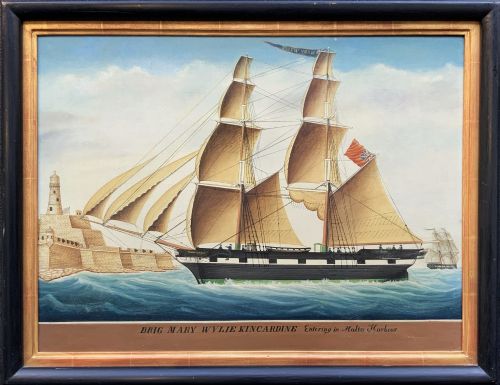
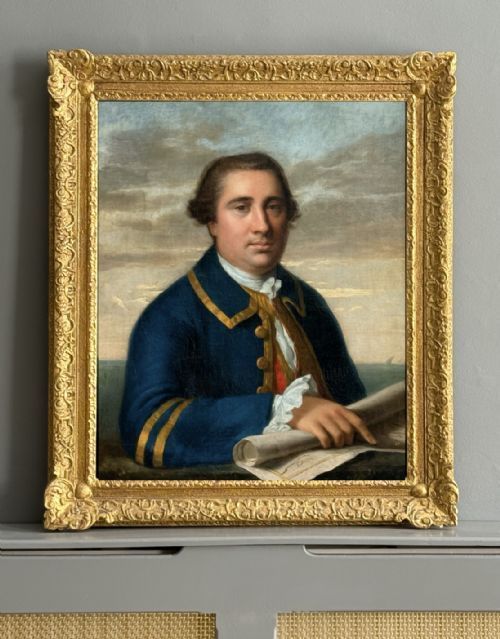
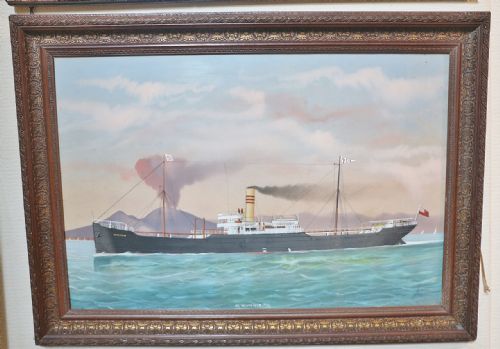
When you search for an antique merchant portrait, you are looking at oil paintings on canvas depicting historical traders, sea captains, and mercantile figures. The examples found here span from the seventeenth century through the Edwardian era, encompassing Dutch Golden Age canvases and British school works.
You are most likely to meet eighteenth-century and nineteenth-century oils on this page, often framed in giltwood. These pieces record the likenesses of iron and steel merchants, ship captains, and aldermen associated with maritime and commercial life.
Materials and construction methods
These works rely principally on oil paint applied to woven canvas supports. Artists built up subjects using traditional pigments, sometimes incorporating gouache or mounting the work within ornate gilt frames.
Wood serves as a structural element for the stretchers and heavy decorative frames that accompany these canvases. The physical construction reflects the studio practices of British, Dutch, and Chinese export schools across different centuries.
One seventeenth-century merchant holds an ornate ivory staff, proving that early traders knew how to accessorise for a sitting.
Assessing quality in historical portraiture
The distinction between ordinary and superior works lies in the handling of facial expression, fabric textures, and sitter character. Master painters achieved lifelike depth in clothing and staff accessories, whereas lesser works remain stiff and formulaic.
Condition of the canvas and the preservation of the original paint layer heavily influence the standing of a piece. Retouched surfaces and heavy varnish discoloration diminish the visual fidelity intended by the original hand.
Lemuel Francis Abbott·John McGhie·Thomas Hudson·Samuel John Stump·Joseph Clover·Bartholomeus Van der Helst
The Antique Merchant Portrait Glossary
- Canvas
- A heavy woven fabric used as a surface for oil painting. It is stretched tightly over a wooden frame before the artist applies ground and pigment.
- Giltwood
- Wood that has been coated with a thin layer of gold leaf or gold paint. This finish is commonly found on the decorative frames enclosing historical portraits.
- Dutch Golden Age
- A period in Dutch history spanning the seventeenth century marked by immense output in trade and fine art. Portraits from this milieu often depict wealthy merchants and civic leaders.
- Gouache
- An opaque water-based paint medium sometimes utilised in works alongside or instead of standard oil paints. It dries to a flat, matte finish.
Antique Merchant Portrait: Frequently Asked Questions
How do I identify a merchant portrait?
These paintings usually depict individuals accompanied by mercantile symbols, shipping ledgers, or coastal backdrops. Subjects often wear the formal attire of their respective trading eras.
Look for inscriptions on the canvas or frame that name the sitter, such as specific iron and steel merchants or navy captains. The inclusion of commercial attributes helps separate them from standard military or aristocratic commissions.
What periods do these paintings cover?
The available works primarily stretch from the seventeenth century through the Edwardian period. Seventeenth-century examples often follow Dutch Golden Age conventions.
Later nineteenth-century and Edwardian pieces shift toward British school styles and ship portraits. Each era employs distinct framing and canvas preparation techniques.
Where were these portraits painted?
The origins span various European and Asian workshops, including British, German, and Chinese export schools. Dutch studios produced many of the earliest seventeenth-century examples.
Later works reflect regional British centres such as Norwich and Glasgow. Maritime portraits often record vessels off specific coasts like Italy or Hartlepool.