


Historical Figure Portrait
A historical figure portrait captures the likeness of a notable person in oil, bronze, earthenware or ink, preserving the presence of kings, writers and soldiers.
Historical Figure Portrait
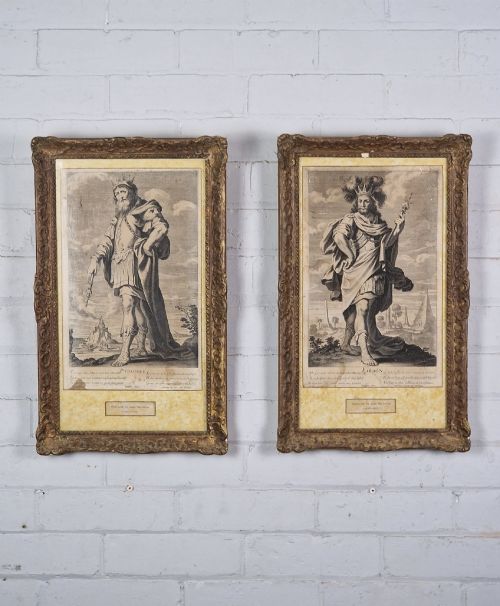
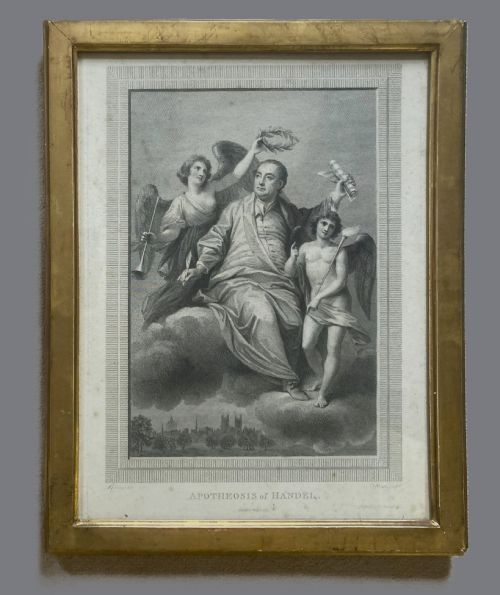
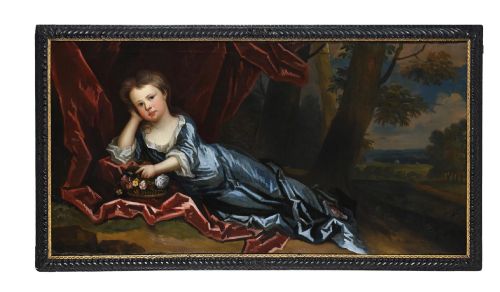
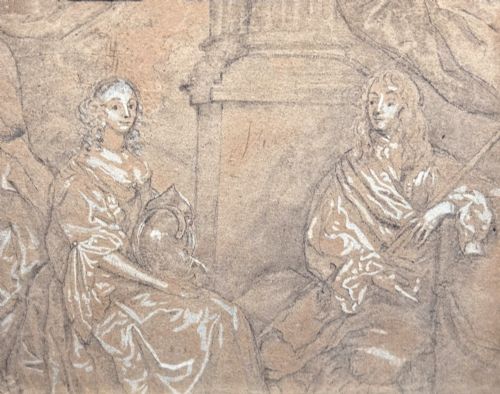
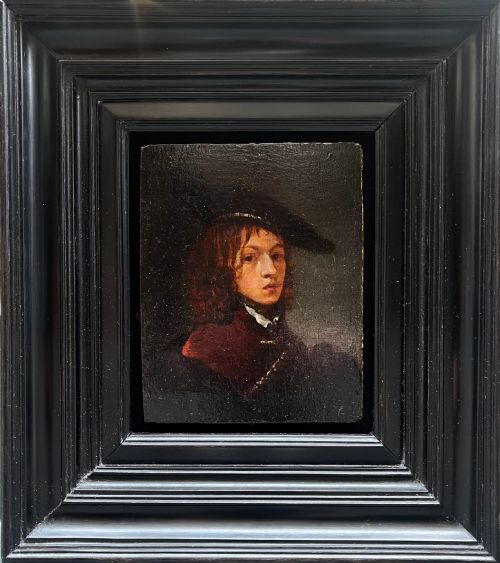
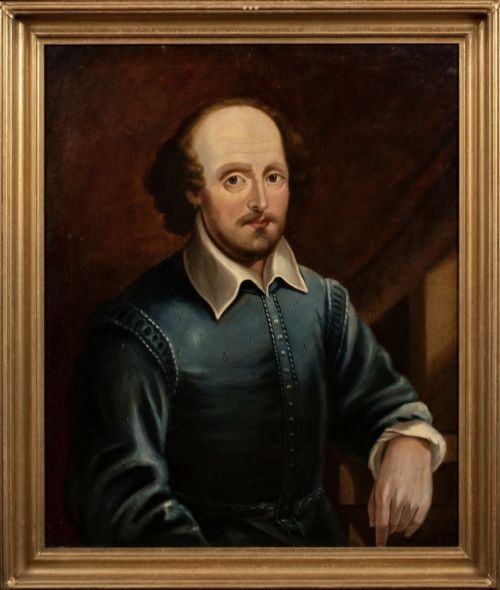
A historical figure portrait depicts known individuals from past centuries, ranging from monarchs and military commanders to poets and statesmen. When searching for a historical figure portrait, buyers encounter oil paintings on canvas or board, framed engravings, watercolours, pencil sketches and earthenware figurines.
The selections span multiple eras, including the seventeenth, eighteenth and nineteenth centuries, alongside Regency and Victorian pieces. Alongside flat works, the category includes cast bronze busts and ceramic Staffordshire portrait figures of historical personages.
Materials and Construction
Sculptors cast portrait busts in bronze or modelled earthenware and porcelain, often hand-painting ceramic figures with enamels and gilt highlights.
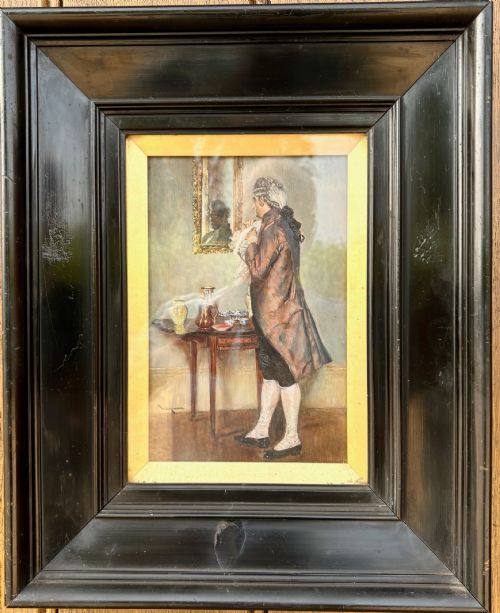
A domestic interior captures a gentleman's shaving ritual interrupted by his wife.
Judging Quality and Execution
The skill of the artist dictates the vitality of the portrayal, visible in the natural rendering of hands, facial expression and textiles. Stronger examples display confident brushwork or precise engraving lines that capture the likeness with conviction rather than stiff repetition.
Materials and preservation also shape the standing of a piece. Original surfaces, clean canvas grounds, crisp casting detail on bronzes and well-preserved ceramic glazes separate finer works from those with heavy restoration or wear.
Jean Mariette·James Heath·Charles D Agar·Thomas Spinks·Thomas Hicks·Jean Jules Salmson·Peter Paul Rubens·Rolinda Sharples·Ramsay Richard Reinagle·Abraham Cooper
The Historical Figure Portrait Glossary
- Engraving
- A printmaking technique where an artist cuts lines into a metal plate to hold ink. Impressions are then transferred onto paper.
- Staffordshire figure
- An earthenware ceramic sculpture produced in English potteries, frequently depicting royalty, politicians or military heroes.
- Bronze bust
- A three-dimensional portrait sculpture cast in copper alloy, capturing the head and shoulders of a subject.
- Oil on board
- A painting executed with pigment suspended in drying oil upon a rigid wooden or composition panel rather than stretched fabric.
Historical Figure Portrait: Frequently Asked Questions
What periods do these portraits cover?
The available works span several centuries, with a strong representation of seventeenth, eighteenth and nineteenth-century pieces. Makers produced these depictions across the Georgian, Regency and Victorian eras.
Buyers find both contemporary records of past figures and later tributes created in historical styles.
Are all the pieces painted?
Painting forms a major part of the selection, including oils on canvas and board alongside watercolours and pencil sketches. Prints, engravings, ceramic figures and bronze busts also appear frequently.
This variety means collectors can choose between flat wall art and three-dimensional portrait sculptures.
How do I display a bronze bust?
Bronze busts require a stable surface such as a wooden sideboard, console table or sturdy desk where their weight is fully supported. Positioning them away from direct heat sources protects the metal and any underlying patina.
Good ambient lighting helps reveal the modelling of the face and the texture of the casting.
What subjects are most common?
Subjects include monarchs, military commanders, poets, mathematicians and prominent public figures of their day. Some pieces depict named individuals such as writers and rulers, while others show anonymous sitters in historical attire.
Ceramic figures often celebrate political leaders and royals popular during the Victorian period.