

British Portraiture Painting
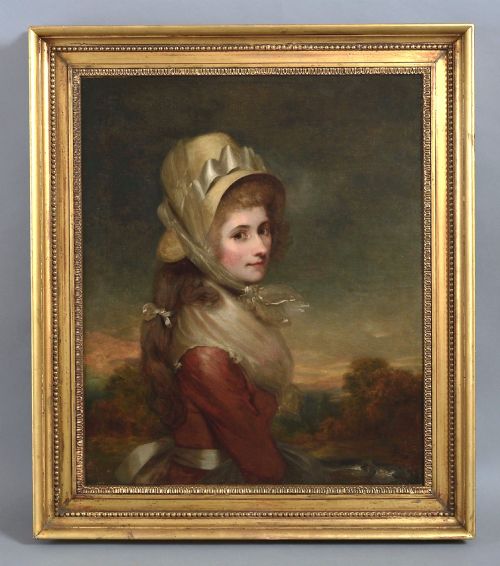
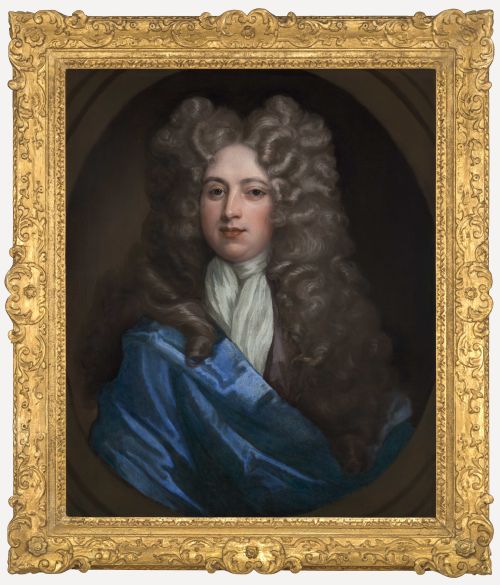
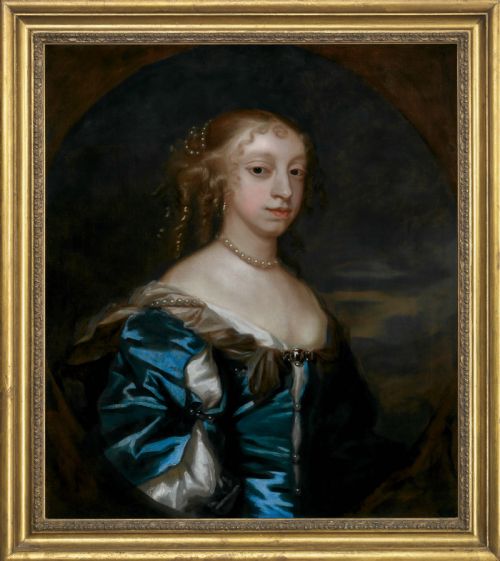
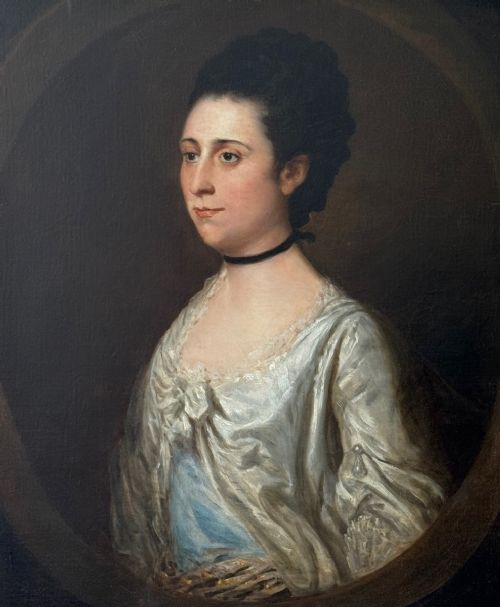
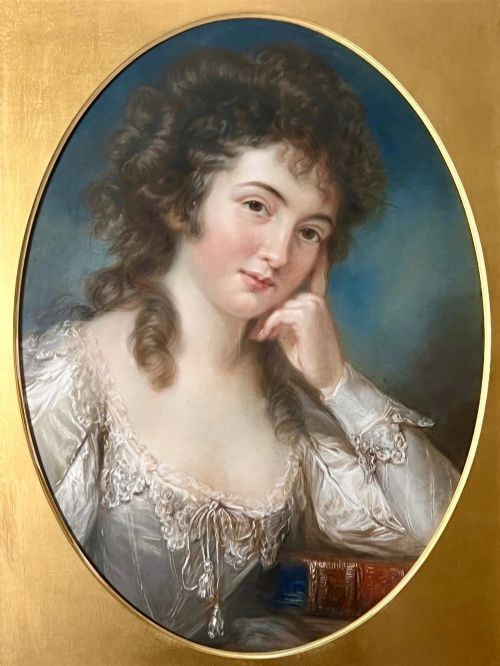
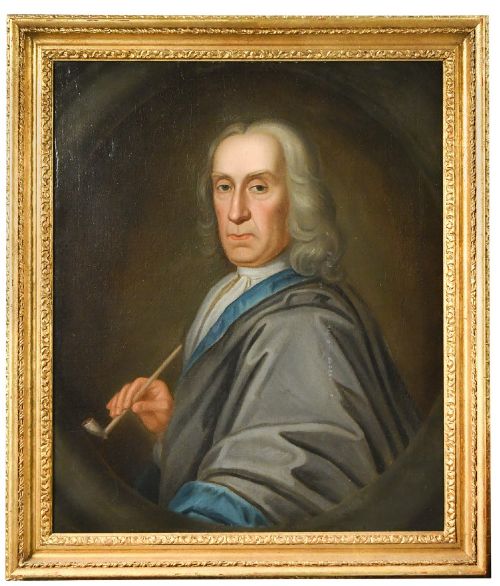
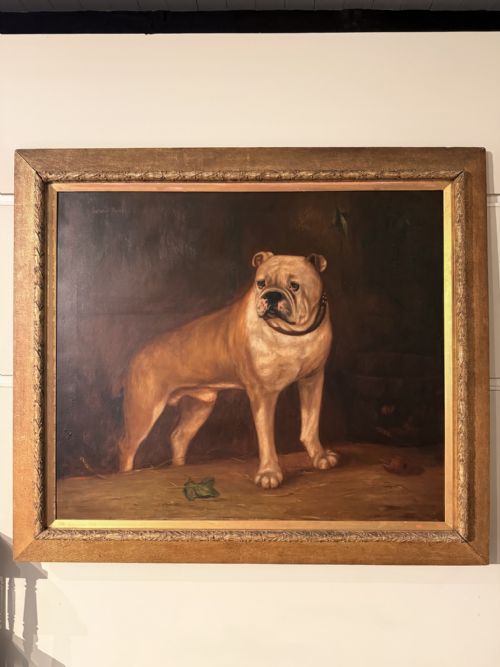
British portraiture painting preserves centuries of character through oil on canvas, wood panels, and pastel works.
British Portraiture Painting
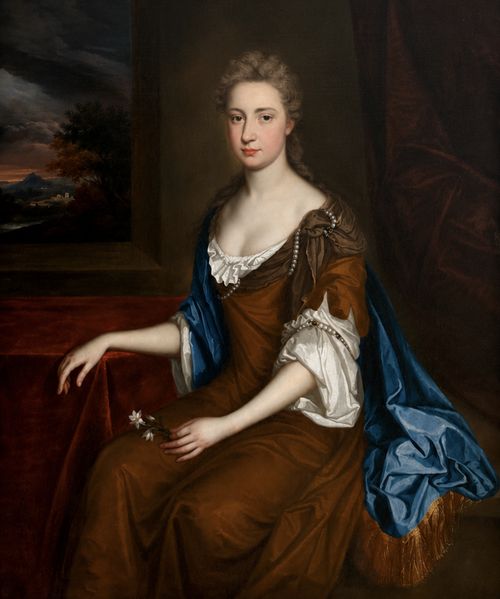
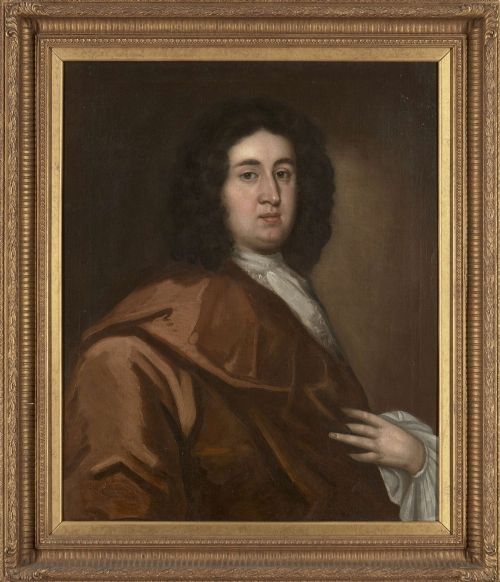
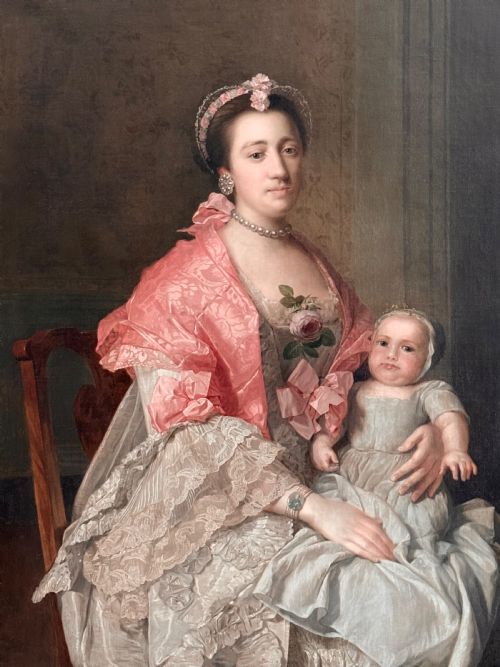
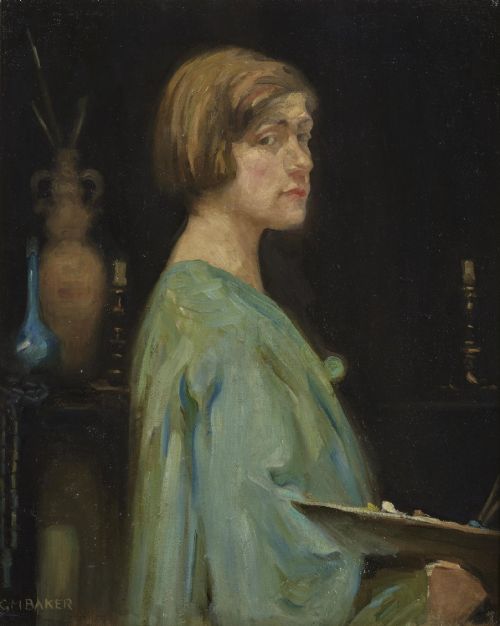
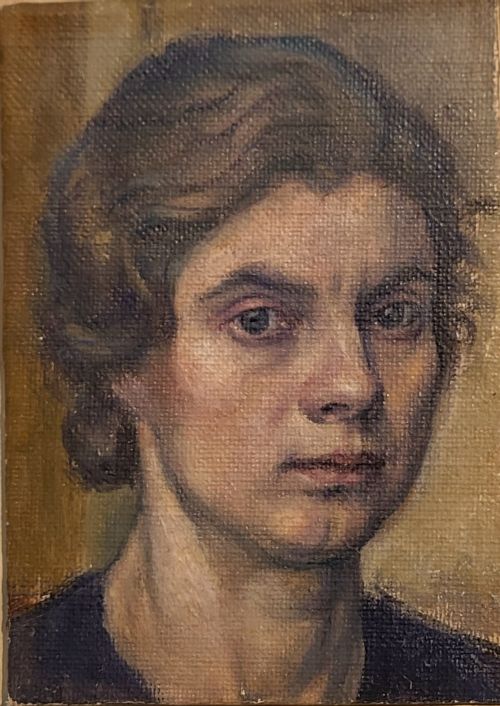
When searching for british portraiture painting, collectors examine fine art oil paintings and pastels depicting historical figures, nobility, and everyday sitters. The selection spans the seventeenth, eighteenth, and nineteenth centuries, extending into mid-century modern and twentieth-century realism.
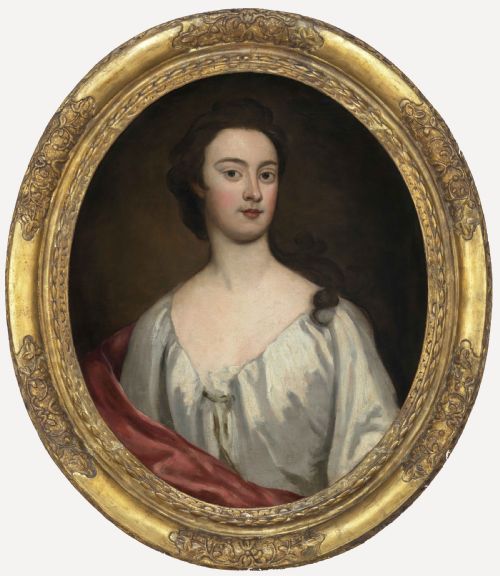
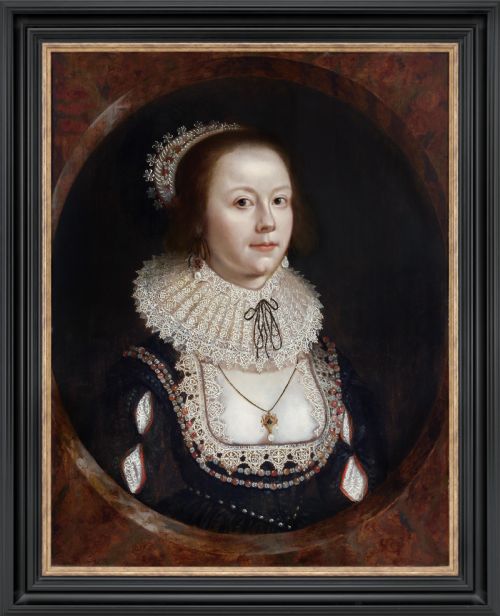
The most common pieces on this page are oil on canvas works housed in giltwood frames, ranging from formal aristocratic commissions to intimate self-portraits. These items capture changing fashions in attire, lace, periwigs, and military uniforms across successive generations.
Materials and technique
Artists primarily utilised oil paint applied to stretched canvas or prepared wooden panels, occasionally working in pastel on paper for softer expressions. Canvases received layers of pigment to build depth in drapery, flesh tones, and background shadows.
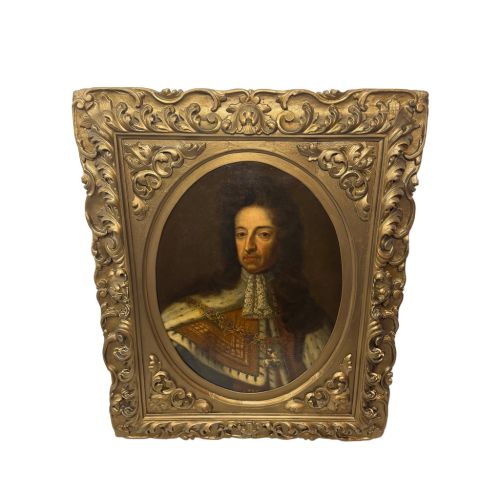
Framing forms an integral part of the physical object, with heavy gilt wood and ornate giltwood surrounds complementing the status of the sitter and the artistic style of the period.
The listings span multiple centuries, ranging from seventeenth-century Baroque works to mid-century modern pieces utilising oil and pastel.
Assessing quality
Quality reveals itself in the handling of facial anatomy, the rendering of light upon fabrics such as silk and lace, and the psychological presence conveyed by the sitter. Finer examples display confident brushwork and precise draughtsmanship, whereas lesser works rely on formulaic repetition and stiff posture.
The attribution to a known hand or studio significantly elevates a piece, as does the survival of original framing and documented provenance connecting the subject to a specific historical context.
Sir Martin Archer Shee·Thomas Murray·John Closterman·Sir Allan Ramsay·John Russell·Jeremiah Davison·Cornelius Johnson·Florence Small·Philip Naviasky·John Greenhill·Frank Moss Bennett·Sir Godfrey Kneller·Robert More·Charles Sillem Lidderdale·Aubrey Sykes·Frank Owen Salisbury
The British Portraiture Painting Glossary
- Oil on Canvas
- A traditional painting medium where pigmented oil is applied to woven canvas fabric. This surface became the standard medium for durable and detailed portraiture from the seventeenth century onward.
- Baroque
- An artistic style prevalent in the seventeenth and early eighteenth centuries characterised by drama, rich colour, and dynamic movement. Portraits from this era often feature theatrical drapery and intense lighting.
- Georgian
- A style period spanning the reigns of the four King Georges, encompassing refined classical proportions and elegant realism in portraiture.
- Pastel
- A dry medium consisting of powdered pigment and a binder, pressed into stick form. Artists used pastels on paper to achieve soft textures and immediate likenesses.
British Portraiture Painting: Frequently Asked Questions
How do I date an old portrait?
Dating relies heavily on the clothing, hairstyles, and accessories worn by the sitter, which followed strict fashion trends of their decade. Framing styles and inscriptions on the reverse of the canvas also offer reliable clues to the period of creation.
Examining the canvas preparation and stretcher construction helps confirm whether the piece belongs to the seventeenth, eighteenth, or nineteenth century.
What is a studio or follower attribution?
An attribution to a studio indicates the work was produced by assistants or pupils under the direct supervision of a master artist. A follower designation means the painter worked closely in the style of a prominent master without direct training.
Both categories represent authentic period pieces while reflecting a different commercial and artistic relationship to the primary master.
How were these paintings displayed originally?
Historically, large oil portraits hung in the panelled galleries and reception rooms of country houses to display lineage, wealth, and political allegiance. Smaller pastels and cabinet portraits were kept in private chambers and intimate drawing rooms.
Owners matched the weight of the giltwood frame to the architectural scale of the room and the social standing of the family.
Can I clean an antique oil painting?
Surface dust can be removed gently with a soft, dry brush, but deeper cleaning requires professional conservation. Accumulated varnish darkens over decades and obscures the original pigment colours.
Interventions involving solvents or moisture should be left to trained conservators to prevent permanent damage to the delicate oil layers.