
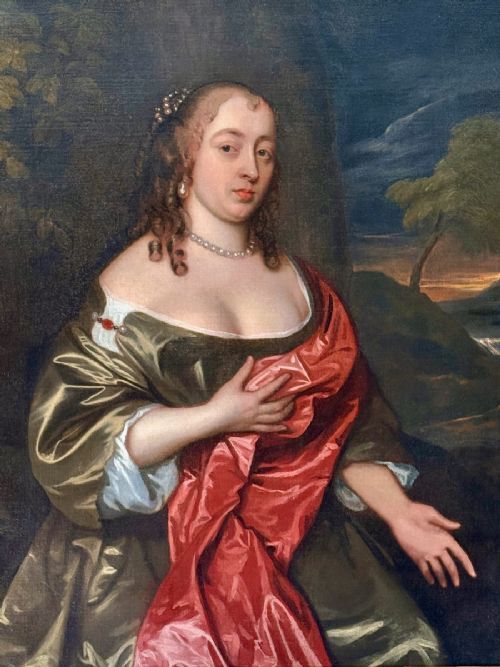
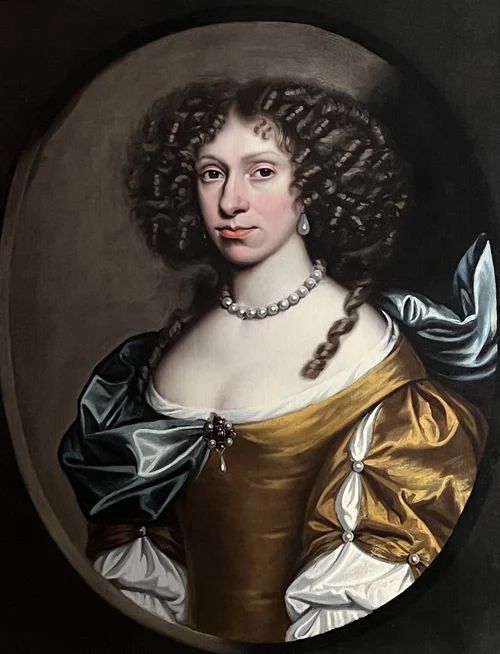
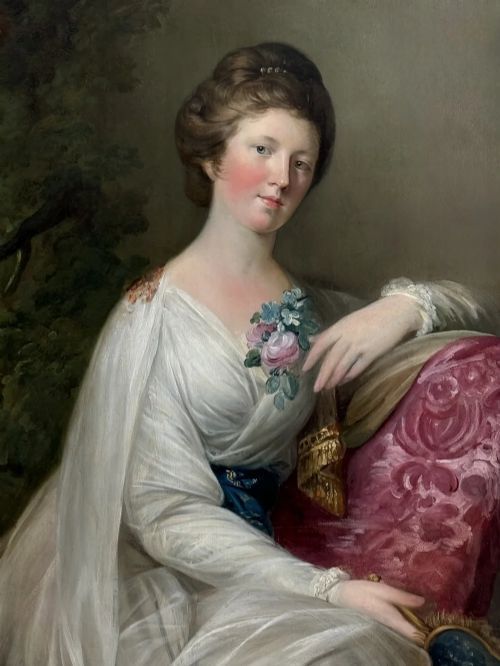
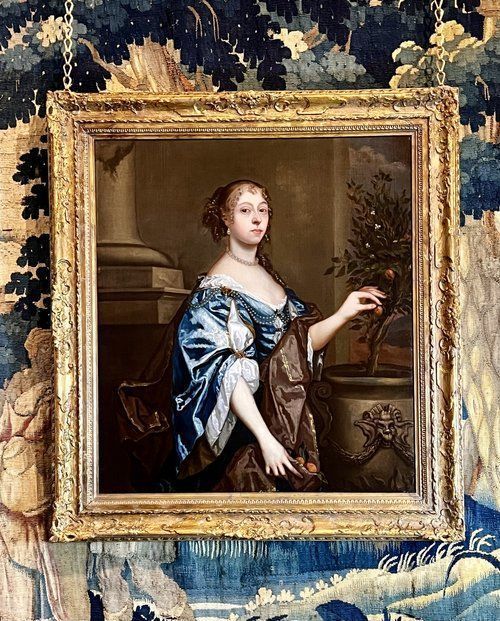


Historical Female Oil Portrait
A historical female oil portrait brings centuries of character into a room through oil paint on canvas or panel.
Historical Female Oil Portrait
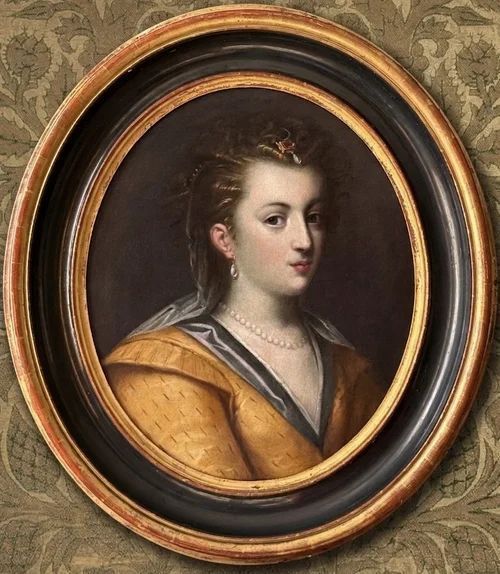
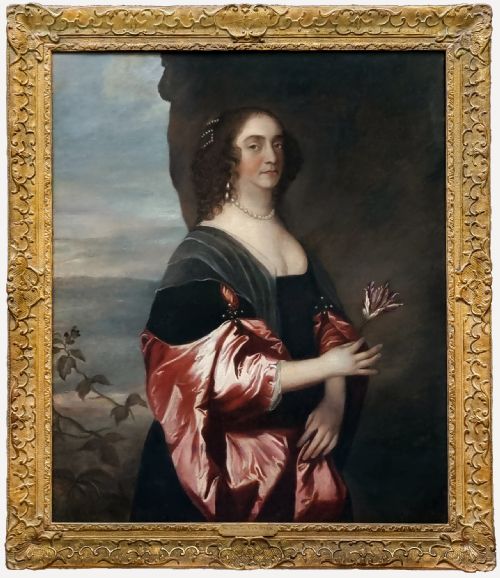
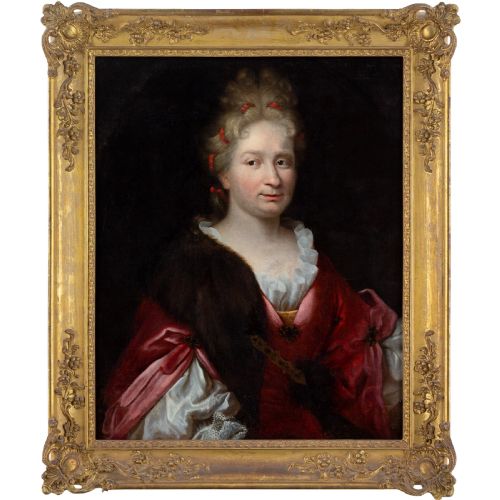
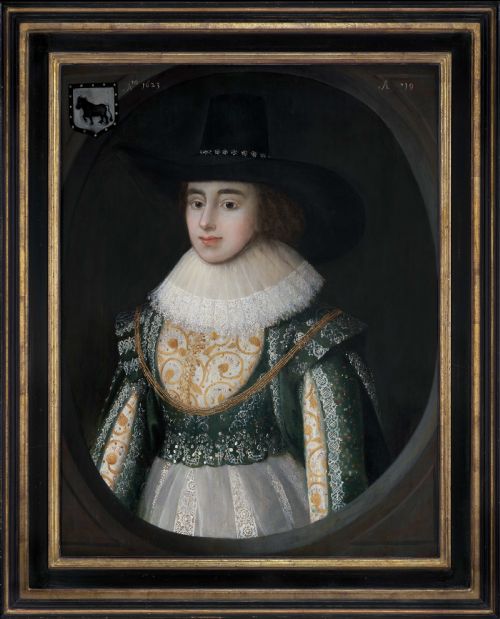
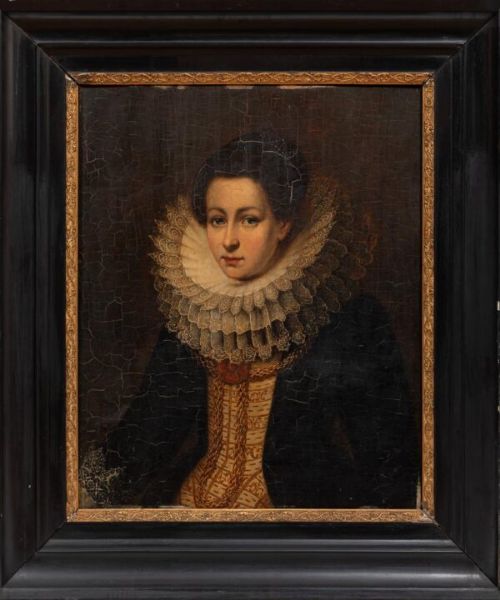
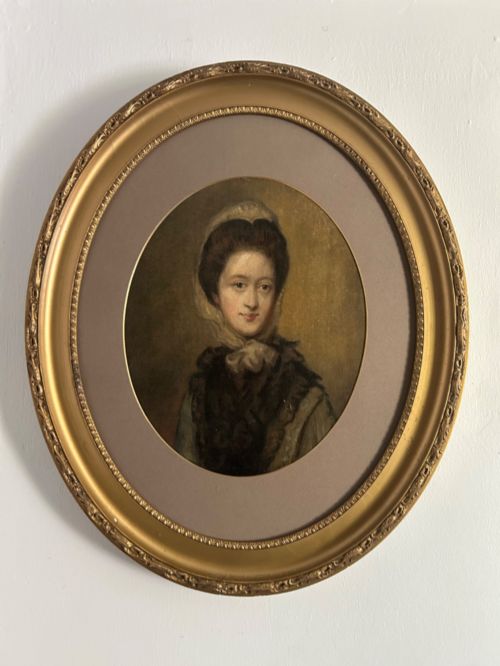
A historical female oil portrait captures the likeness and status of women from past centuries, rendered in oil paint on canvas or wood panel. These works range from intimate depictions of family members to grand representations of nobility executed during periods such as the 17th Century, 18th Century, and Victorian era.
The versions most frequently met on this page are oil paintings originating from the English, French, and Dutch schools, often framed in gilt wood or gesso. Subjects span from named sitters like literary figures and noblewomen to anonymous ladies captured in everyday attire or allegorical guises.
Collectors encounter these artworks through specific regional lenses, including Italian Renaissance depictions and Regency full-length studies. Each piece offers a direct visual record of historical dress, from intricate ruff collars to satin sleeves and elaborate bonnets.
Materials and Technique
Painters of these works built their compositions using oil paint applied to stretched canvas or wooden panels, sometimes utilising gesso grounds to prepare the surface. This medium allowed artists to achieve subtle gradations in skin tones and rich textures in garments like red satin and black velvet.
Common framing materials recorded across these artworks include gilt wood, gilded wood, and standard wood.
Evaluating Quality
Quality in these portraits rests upon the anatomical precision of the hands and face, the handling of drapery folds, and the psychological depth conveyed by the artist. Master practitioners captured lifelike expressions and subtle light play on skin and fabric, whereas lesser hands produced stiff, formulaic representations.
The preservation of the original paint surface and the authenticity of the associated period frame significantly influence the standing of an individual work. Pieces retaining their early or original gilt wood frames without extensive overpainting command greater appreciation among collectors.
Sir Peter Lely·Cornelius Johnson·John Hayls·David Scougall·George Willison·Pieter Borsseler·Thomas Beach·Nicolas Fouché·John Robert Dicksee·Paul Schier·Cornelis Van Der Voort·Charles Jervas·Balthasar Denner·Arthur Pond·Sir Godfrey Kneller·Hans Hysing·George Knapton·Thomas Murray·Michael Dahl·William Wissing
The Historical Female Oil Portrait Glossary
- Oil on canvas
- A painting technique where pigmented oil is applied to a woven fabric support stretched across a wooden frame. This method became standard practice for portraits across the 17th, 18th, and 19th centuries.
- Gilt wood
- Wood carved and coated with a thin layer of gold leaf or gold powder, commonly used for ornate frames. These frames often reflect the decorative style of the portrait's specific period.
- Circle of
- A term used when a painting shows the distinct style and hand of a master's workshop or close associates. It indicates the work was produced in the immediate milieu of a known artist.
- Panel painting
- An artwork executed on a flat piece of wood rather than canvas. This substrate was especially common in earlier periods before canvas became dominant.
- School
- A classification grouping artists who worked in a similar geographic region and time period, sharing techniques and stylistic traits. Examples include the Dutch School and the French School.
Historical Female Oil Portrait: Frequently Asked Questions
How can I identify the period of a portrait?
Dating relies heavily on the sitter's costume, hairstyle, and collar design, which changed rapidly across the 17th, 18th, and 19th centuries.
Examining the canvas preparation, stretcher bars, and the construction of the accompanying gilt wood frame also provides reliable clues to the age of the piece.
What is the difference between attributed works and circle pieces?
An attributed work is one that an expert judges with reasonable confidence to be by a specific named artist, though absolute proof may be lacking.
Paintings designated as from the circle of an artist indicate a close professional follower working in the exact manner of that master during the same period.
How should I hang an oil portrait at home?
These works require placement away from direct sunlight, heating vents, and damp walls to protect the delicate oil paint and canvas.
Securing the heavy gilt frames with appropriate wall fixings ensures the safe display of these substantial historical paintings.
Why do some portraits feature named sitters while others do not?
Many affluent patrons commissioned likenesses to record their family lineage, leaving written records, family crests, or inscriptions on the canvas or stretcher.
Over the centuries, provenance documentation is occasionally lost, turning named nobility into anonymous historical subjects often catalogued simply as a lady or gentleman.