



16th Century Portrait Art
16th century portrait art brings Tudor monarchs, Italian nobles and devotional figures into the room through oil on canvas, wood panels and later revivals.
16th Century Portrait Art
When you search for 16th century portrait art, you encounter actual works from the 16th century alongside later revival pieces produced in the twentieth century.
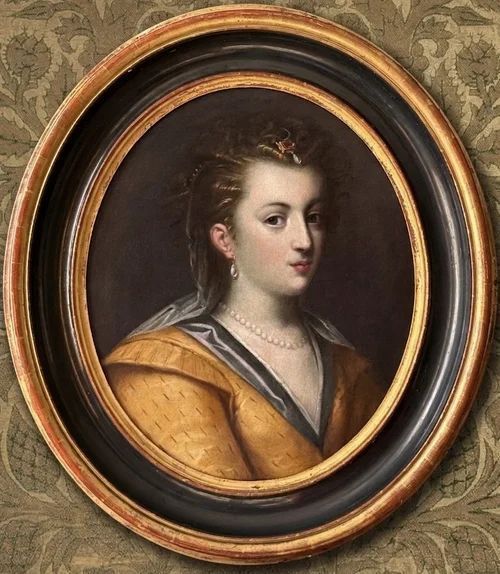
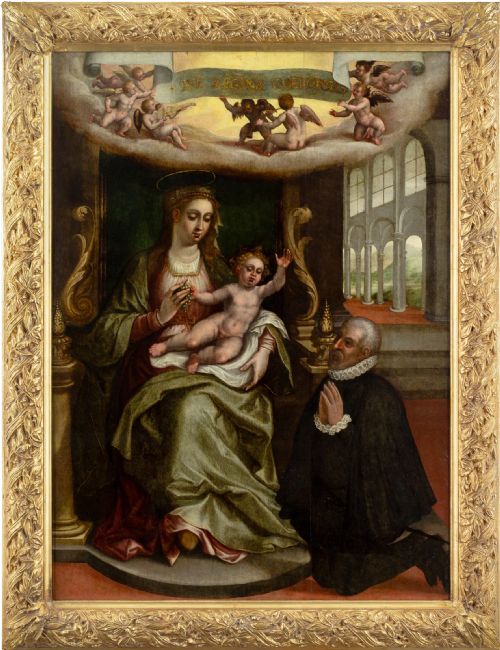
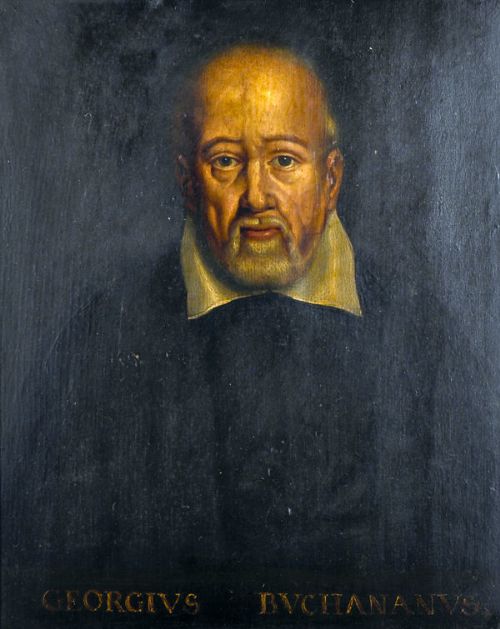
The selections comprise oil paintings, framed art, and works on paper depicting noblemen, noblewomen, and religious subjects like the Virgin and Child.
Italian Renaissance, Northern Renaissance, and Tudor styles dominate the selection, spanning original works and later interpretations from the nineteen-thirties and fifties.
Materials and construction
Many historical examples utilise oil paint on canvas or wood supports, capturing fine details of costume and expression.
Later nineteenth and twentieth-century works employ watercolour, paper, and canvas to recreate historical likenesses.
Frames often incorporate gold leaf and giltwood, complementing the rich palettes of the Renaissance and revival periods.
Subjects range from stern Tudor monarchs to poets and noblemen in full armour, watching the room from beneath heavy giltwood frames.
Assessing quality and execution
Condition of the canvas, wood panel, or paper support influences the visual integrity of the composition.
Original period execution differs fundamentally from later twentieth-century revivals in pigment depth and material ageing.
Bernardino Luini·Miguel Barroso·Benvenuto Tisi·Hans Holbein·John Bettes the Elder·Frans Pourbus the Elder
The 16th Century Portrait Art Glossary
- Oil on Canvas
- Pigment bound in drying oil applied to a woven fabric support. This technique allows for rich colour blending and durability over centuries.
- Giltwood
- Wood carved and covered with a thin layer of gold leaf or metal powder. It provides ornamental framing for significant portraits.
- Northern Renaissance
- The Renaissance movement in Europe north of the Alps. It is characterised by meticulous detail and naturalistic observation.
- Tudor Revival
- An architectural and artistic style popular in the nineteenth and twentieth centuries. It imitates the aesthetic of sixteenth-century England.
16th Century Portrait Art: Frequently Asked Questions
Are these paintings from the sixteenth century?
The selection includes both authentic sixteenth-century works and later revival pieces created during the twentieth century.
Examining the materials and style helps distinguish original period pieces from later homages.
What subjects appear in these portraits?
Subjects include English kings, noblemen, noblewomen, poets, and religious figures such as the Virgin and Child.
Compositions often reflect Italian Renaissance and Tudor artistic traditions.
How should I hang these framed works?
Display them away from direct sunlight and dramatic temperature shifts to protect the oil paint and wood supports.
Ensure the wall fixings can safely bear the weight of heavy giltwood frames.
What is a revival piece?
Revival works are created in later eras, such as the nineteen-thirties or nineteen-fifties, adopting sixteenth-century artistic styles.
These pieces pay homage to earlier aesthetics using the materials of their own time.