
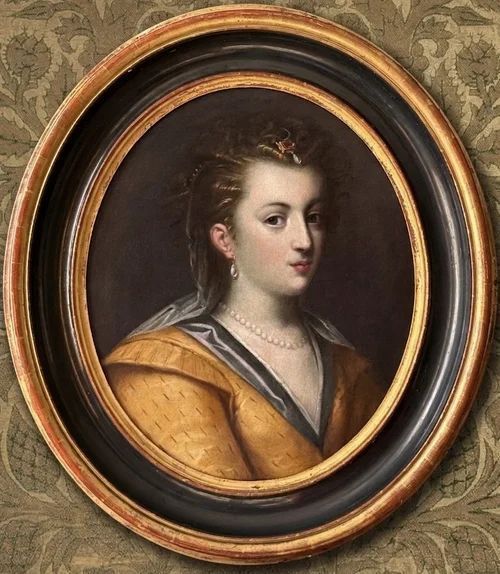
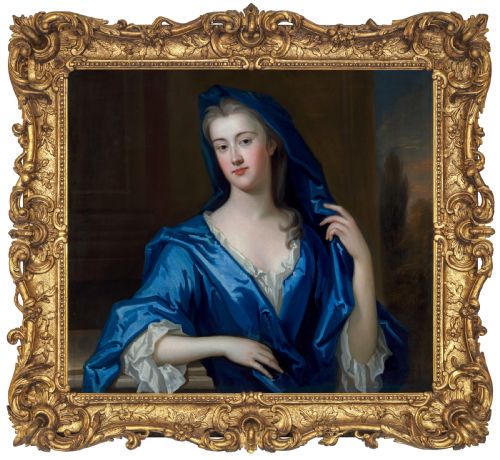
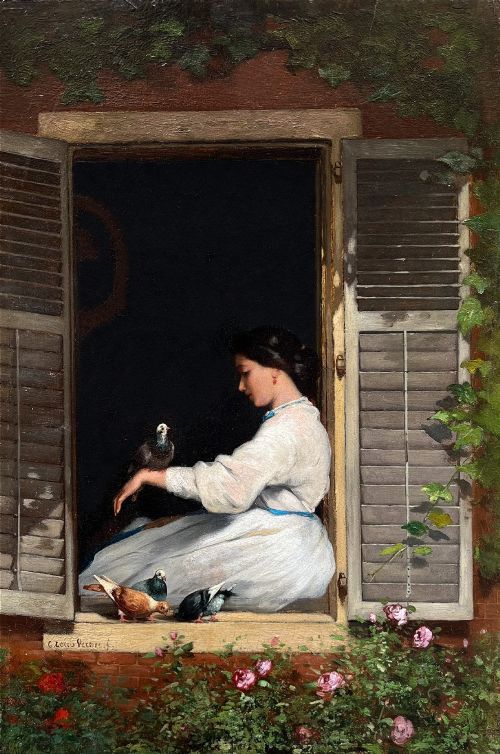


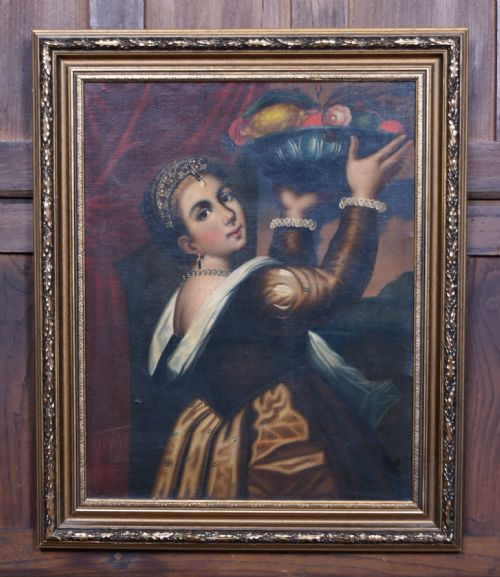
Classic Portrait of a Woman
A classic portrait of a woman captures the likeness and presence of female sitters through oil, pastel, and sculptural forms spanning several centuries.
Classic Portrait of a Woman
The pieces on this page draw from diverse periods including the Italian Renaissance, Georgian era, Regency period, and Victorian times. Buyers frequently encounter nineteenth-century canvas works alongside eighteenth-century depictions and early twentieth-century interpretations.
Subjects vary widely in character, showing noblewomen, artists' daughters, literary figures, and anonymous female models in settings that span outdoor park scenes and quiet interior moments.
Materials and technique
Oil paint applied to canvas forms the primary medium for these portraits, allowing artists to build rich layers of colour, texture, and shadow. Supporting frames often utilise giltwood or gilt wood to complement the painted surface.
Works on paper employ pastel, gouache, pencil, and watercolour to capture softer lines and immediate facial expressions. Sculptural pieces utilise materials like alabaster to render three-dimensional forms of young girls and women.
One elderly sitter proudly recorded her exact eighty-fourth year directly onto the canvas for posterity.
Distinctions in quality
Quality rests upon the artist's ability to render facial anatomy, expression, and texture with convincing realism and depth. Superior handling of light on fabrics, skin, and hair distinguishes accomplished studio works from standard provincial output.
The preservation of the original paint layer, canvas integrity, and the quality of the surrounding period frame significantly influence the standing of each piece.
Lavinia Fontana·Charles Jervas·Attilio Toro·John Robert Dicksee·Frank Moss Bennett·William Joseph Carroll·Balthasar Denner·Tilly Kettle·Alfred Seifert·William Jacob Baer·John Singer Sargent
The Classic Portrait of a Woman Glossary
- Sanguine
- A chalk of a reddish-brown colour used for drawing sketches and preparatory portraits. It allows artists to achieve warm, naturalistic skin tones on paper.
- Giltwood
- Wood carved and covered with a thin layer of gold leaf. This material is commonly found on traditional frames enclosing historical oil paintings.
- Circle of
- A term used when a work is by an unidentified artist working during the same period within the general style of a master. It indicates close artistic proximity without direct attribution.
- Gouache
- An opaque water-based paint that dries to a matte finish. It provides strong, solid areas of colour in works on paper.
Classic Portrait of a Woman: Frequently Asked Questions
How do I date a portrait?
Dating relies primarily on the sitter's costume, hair style, and the framing techniques visible in the piece. Evidence from recorded signatures, period materials, and canvas preparation also helps narrow the active years of the artist.
Comparative analysis with known dated works by the same school or circle provides further chronological context for unrecorded sitters.
Where should I hang these portraits?
These works suit traditional living spaces, studies, and hallways where stable wall conditions protect them from direct sunlight and excessive humidity. Pairing them with period furniture enhances the historical character of the room.
Ensure the hanging height allows comfortable viewing at eye level, particularly for detailed facial expressions and finer brushwork.
What is the difference between oil and pastel?
Oil paintings utilise pigments suspended in drying oils on canvas, offering rich colour depth and long-term durability. Pastels use powdered pigments pressed into sticks, creating a velvety texture on paper that requires protective glazing.
Sketches and drawings on paper often capture spontaneous preparatory moments, whereas oil portraits represent more formal finished commissions.
Who are the sitters in these works?
Sitters include identified historical figures, literary writers, noblewomen, and family members of the artists. Other portraits depict anonymous female models chosen for genre scenes or academic studies.
Inscriptions on the reverse or within the composition occasionally reveal names, ages, and social titles of the women portrayed.