

Historical Copperplate Engraving
Historical copperplate engraving works bring centuries of printed artistry and cartography directly into modern rooms.
Historical Copperplate Engraving
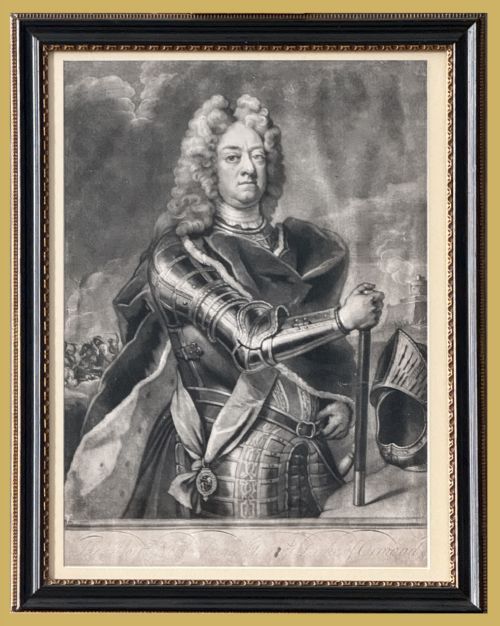
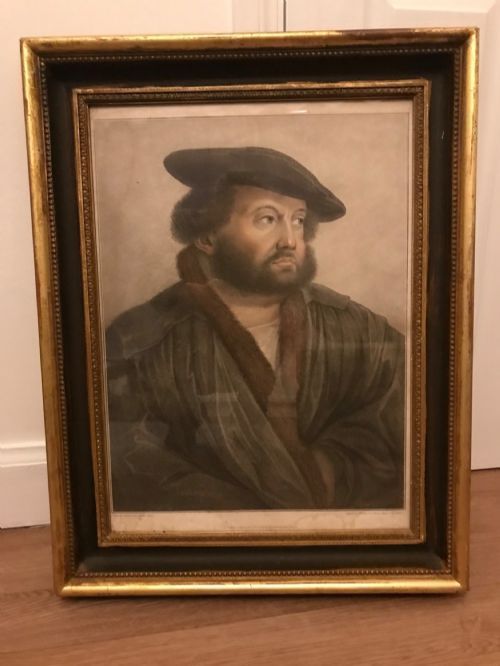
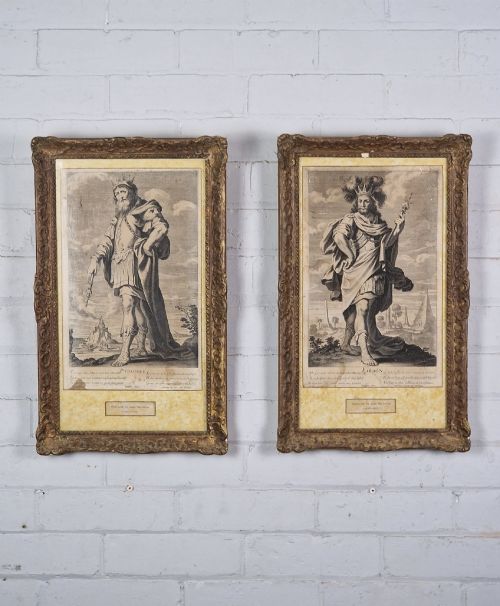
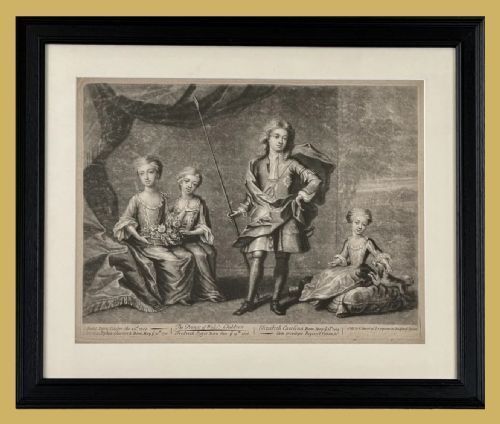
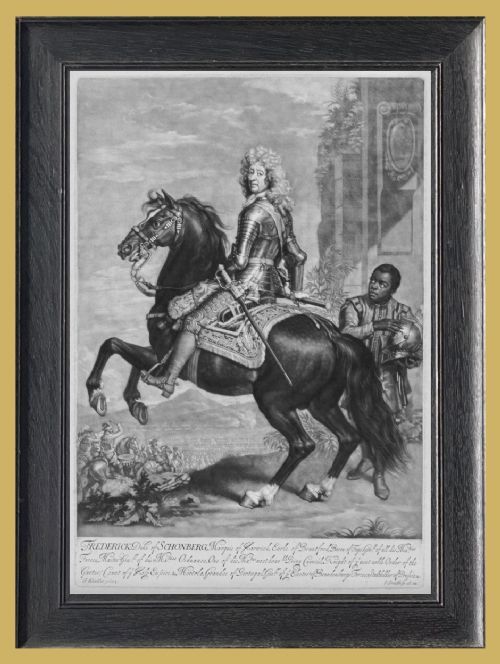
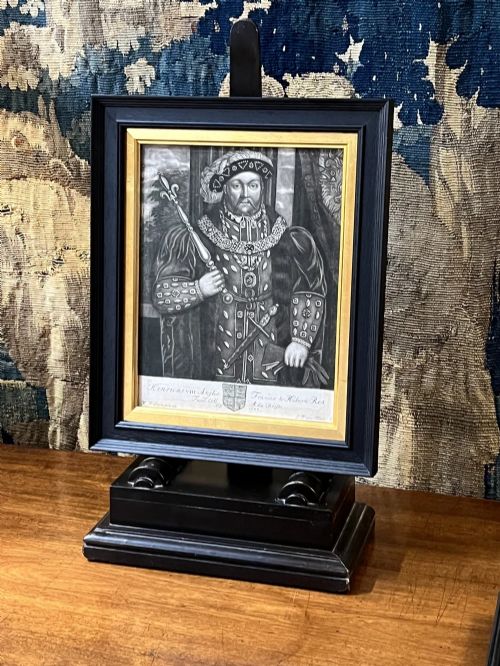
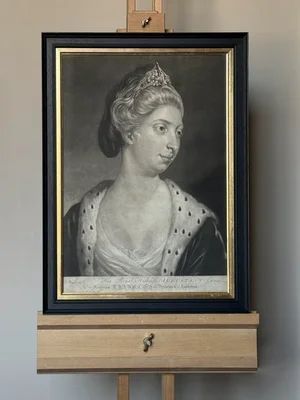
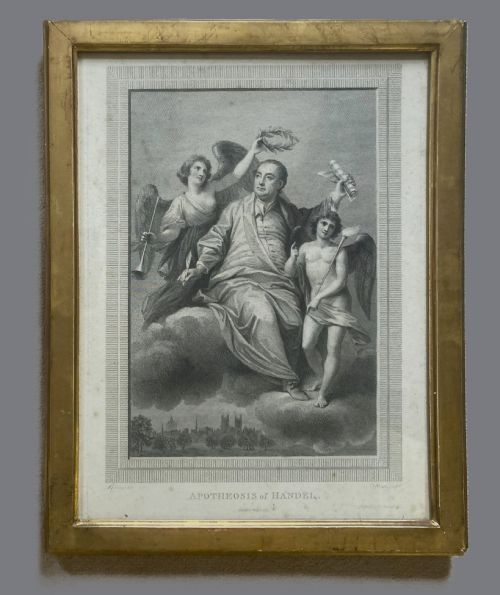
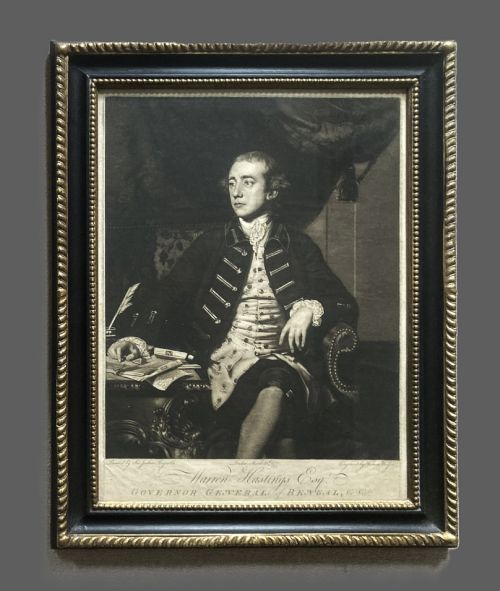
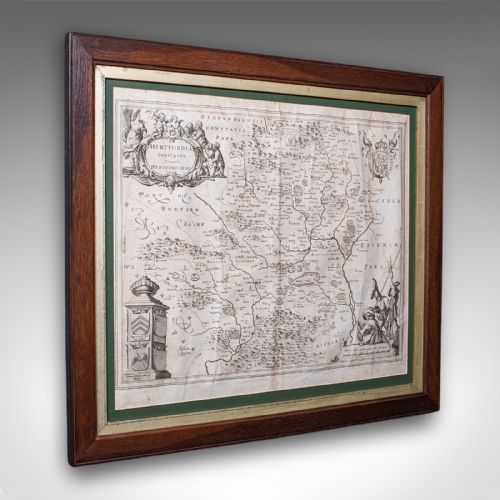
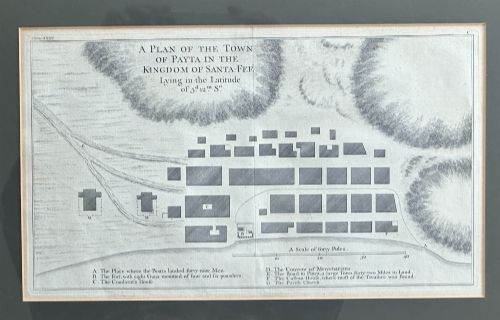
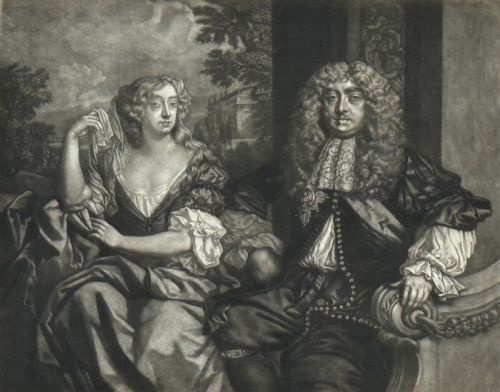
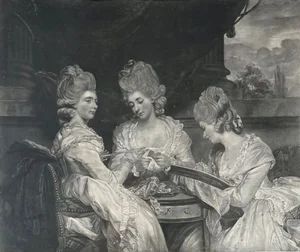
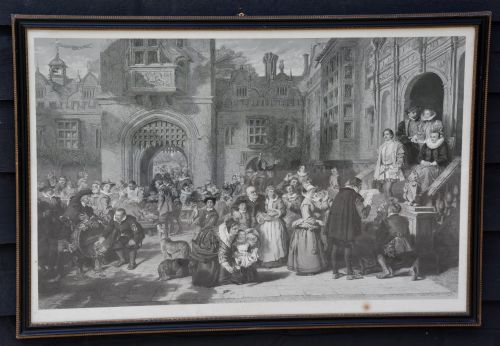
When you search for historical copperplate engraving, you encounter detailed printed works spanning multiple centuries, from seventeenth-century cartography to eighteenth-century portraiture. The selection frequently includes framed maps, classical art, and mezzotint portraits produced by notable artists and publishers. These items function primarily as wall art, capturing historical subjects, architectural scenes, and regional geography.
Quality Variations
The survival of original framing and uncompromised paper margins distinguishes superior examples from trimmed or later-assembled pieces. Intact contemporary frames made of oak or gilt wood contribute physical integrity and historical continuity to the artwork.
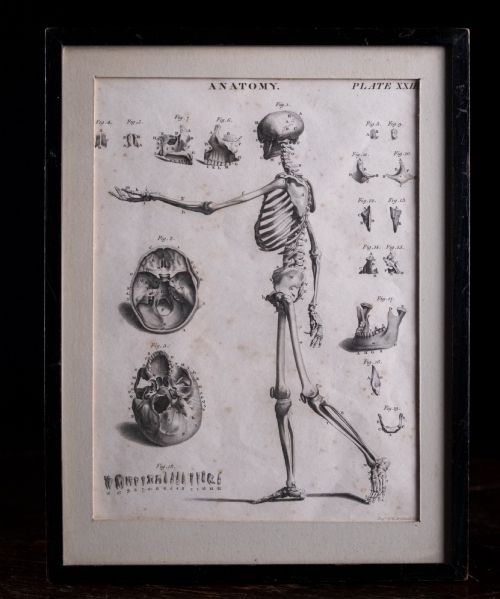
Several anatomical and social satire plates reveal that eighteenth-century viewers enjoyed studying skeletons and human eccentricities just as much as formal portraiture.
John Smith·Robert Morden·Jacobus Houbraken·William Hogarth
The Historical Copperplate Engraving Glossary
- Mezzotint
- A printmaking process where the copper plate is roughened evenly to produce dark areas, then scraped and burnished to create gradients of light and shade. This technique yields rich tonal portraits with subtle transitions.
- Platemark
- The indentation left on paper by the edges of a copper plate under the high pressure of a printing press. Its presence confirms traditional intaglio printing.
- Cartography
- The science and practice of drawing maps, represented here through historical county and regional charts engraved on copper plates. These maps often feature decorative cartouches and contemporary hand colouring.
- Stipple engraving
- A method of applying dots rather than continuous lines to build up an image, often used for soft-toned portraiture. The technique creates gentle contours resembling drawings.
- Line engraving
- A direct intaglio method where the artist cuts lines into the metal plate using a burin to produce sharp, precise imagery. It forms the basis of much early book illustration and mapmaking.
Historical Copperplate Engraving: Frequently Asked Questions
How should I hang historical copperplate engravings?
Protect the paper and framing by avoiding direct sunlight and areas subject to high humidity or temperature fluctuations. Use picture hooks rated for the combined weight of the frame and glass.
Keep the centre of the artwork at eye level to maintain traditional display proportions within the room.
Can I clean the glass on a framed print?
Apply a mild glass cleaner to a soft cloth rather than spraying the liquid directly onto the frame or print surface. This prevents moisture from seeping past the rebate and damaging the antique paper.
Take care near gilt wood or antique wooden frames to avoid stripping the original finish.
What does a platemark indicate on a print?
The indented border surrounding the printed image proves the sheet passed through a rolling press under heavy pressure. It acts as an indicator of traditional intaglio printing methods.
Absence of a platemark often suggests the paper margins were trimmed during earlier framing or mounting.
How do I identify the date of an antique map?
Examine the cartouche, dedication text, and publisher details usually located in the corner of the sheet. Stylistic shifts in typography and regional place names offer clues to the printing era.
Reference works cataloguing cartographers such as Blaeu or Morden help narrow down the exact publication decade.