


Black and White Classical Print
A black and white classical print brings architectural gravitas and mythological detail into a room through ink on paper.
Black and White Classical Print
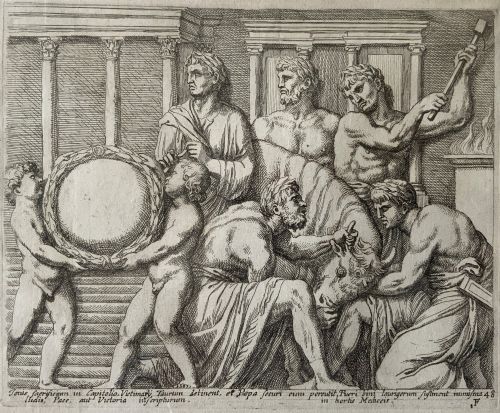
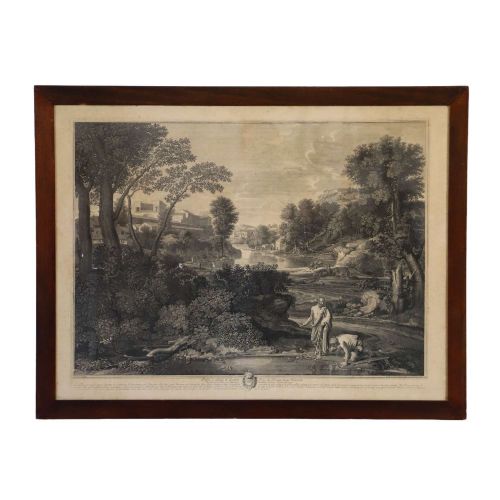
When searching for a black and white classical print, collectors encounter works on paper originating predominantly from the eighteenth and nineteenth centuries. These pieces record architectural monuments, antique sculpture, and portraiture derived from Greek and Roman sources.
The most common examples on this page are eighteenth-century architectural engravings and depictions of antiquities from Athens and Rome. These works often translate monumental stone carvings and mural paintings into finely lined graphic sheets.
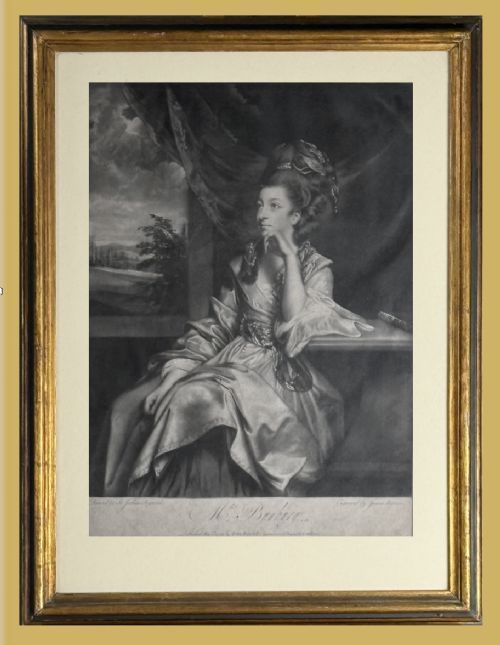
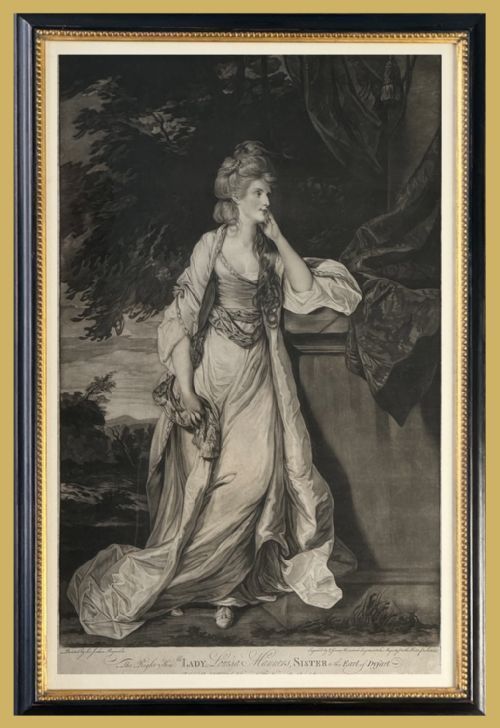
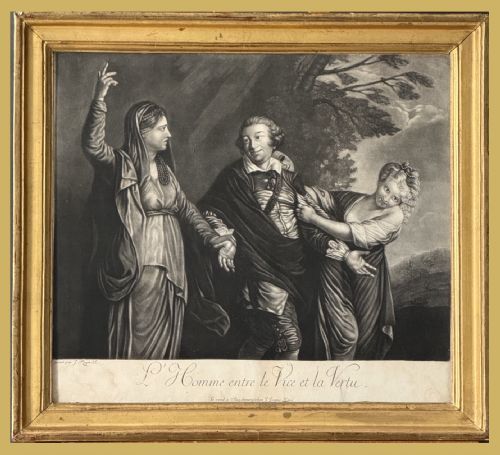
Beyond architectural plates, the category encompasses mezzotint portraits after painters such as Sir Joshua Reynolds and etchings depicting mythical subjects. Such prints served to disseminate academic taste and classical learning across domestic interiors.
Materials and technique
The foundational material is handmade paper, upon which printers applied dark ink using intaglio techniques such as engraving and etching. Master craftsmen incised lines into copper plates to hold the pigment before passing the damp sheet through a rolling press.
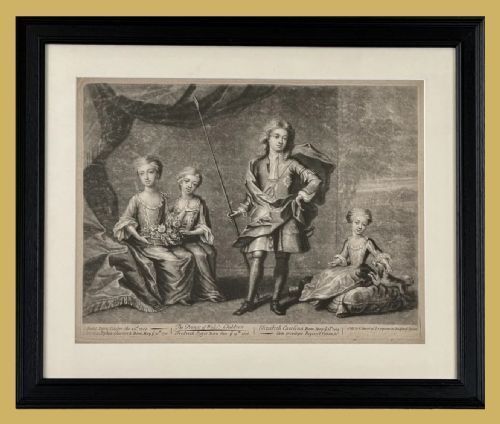
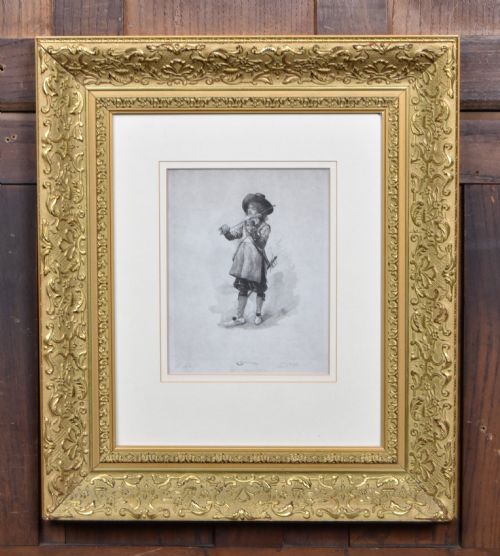
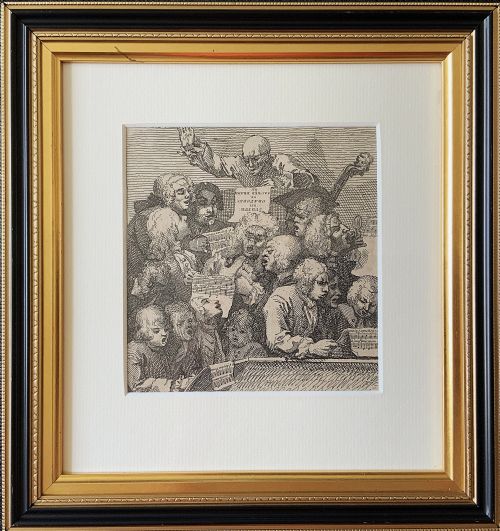
Many surviving examples retain their period frames constructed from wood, often finished with gold leaf or gilt. These traditional housings protect the delicate paper margins while framing the monochrome composition for display on panelled or plastered walls.
Listings feature eighteenth-century architectural engravings alongside nineteenth-century portraits, utilising paper, ink, and gilt wood frames.
Distinctions in quality
Quality in these works rests upon the crispness of the plate impression and the depth of the ink within the paper fibres. Early impressions pulled from a freshly engraved copper plate display sharp architectural lines and subtle tonal gradations that worn plates lose.
The significance of the engraver and the draughtsman also determines the standing of a sheet. Plates executed by prominent printmakers like James Basire or Giovanni Ottaviani demonstrate superior draughtsmanship and fidelity to the original classical source.
James Watson·Valentine Green·François Perrier·Étienne Baudet·Francesco Piranesi·Antonio Capellan·James Basire·Giovanni Ottaviani·Edward Rooker
The Black and White Classical Print Glossary
- Engraving
- A printmaking technique where lines are cut directly into a metal plate with a sharp steel tool called a burin. This method produces clean, precise lines capable of rendering fine architectural details.
- Etching
- A process in which acid bites lines into a metal plate through a protective wax ground. The artist draws through the wax with a needle before the acid creates the grooves that hold the ink.
- Mezzotint
- A tonal printmaking method where the copper plate is roughened uniformly to produce rich dark areas. Highlights are scraped and burnished into the surface to create smooth gradients of tone.
- Neoclassical
- A style spanning the eighteenth and nineteenth centuries that revives the classical aesthetics of ancient Greece and Rome. It emphasises symmetry, proportion, and themes drawn from mythology and archaeology.
- Intaglio
- A category of printmaking where the ink sits below the surface of the plate within incised or etched grooves. Pressure from a press forces damp paper into these recesses to pick up the ink.
Black and White Classical Print: Frequently Asked Questions
How should I frame an antique engraving?
These works require conservation-grade mounting materials to prevent the paper from touching the glass directly. Acid-free backings preserve the integrity of the paper over time.
Traditional wood mouldings, particularly those with gilt finishes matching historical examples, complement the monochrome palette of the print.
What is the difference between an etching and an engraving?
An engraving is made by physically cutting lines into metal using a sharp tool, resulting in crisp and uniform strokes. An etching relies on acid to bite the design into the plate, which creates freer, more varied lines.
Both techniques produce the durable black and white imagery characteristic of classical prints.
Where were these architectural plates originally published?
Many architectural and archaeological plates first appeared in large folio volumes documenting Mediterranean ruins. Publications recording the antiquities of Athens and Rome provided wealthy travellers and scholars with visual records of classical sites.
Individual plates were frequently removed from these bound volumes for framing and display.
How do I care for works on paper at home?
Paper prints are sensitive to direct sunlight and high humidity, which can cause fading and foxing spots. Hang them on interior walls away from direct heat sources and strong light.
Glazing with UV-filtering glass provides additional protection against environmental damage while keeping the paper stable.