




Paper Architectural Engraving
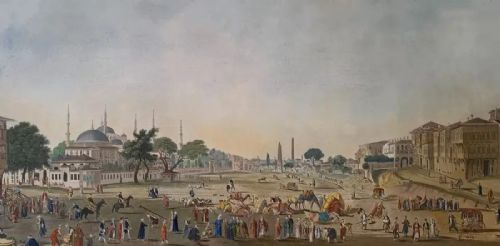
These paper architectural engraving examples map classical facades, grand temples, and ancient monuments across centuries of printmaking.
Paper Architectural Engraving
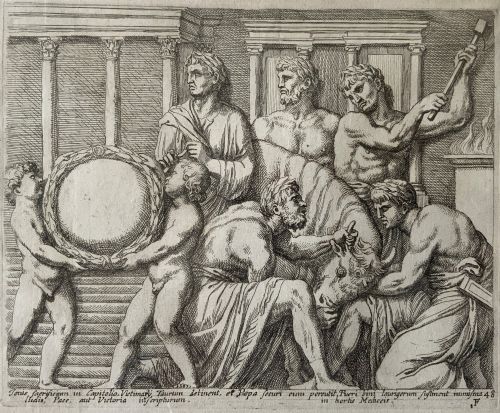
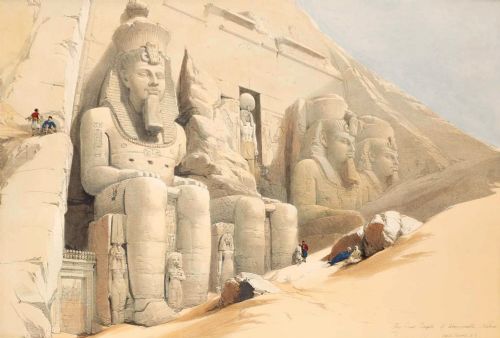
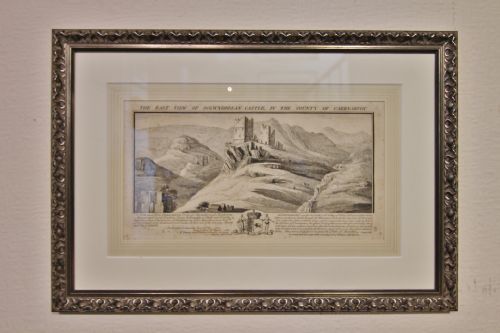
Paper architectural engraving pieces capture classical facades, ancient ruins, and grand interiors through detailed line work on paper. Buyers seeking paper architectural engraving items encounter works ranging from large eighteenth-century plates depicting the antiquities of Athens to smaller nineteenth-century city views and cathedral studies.
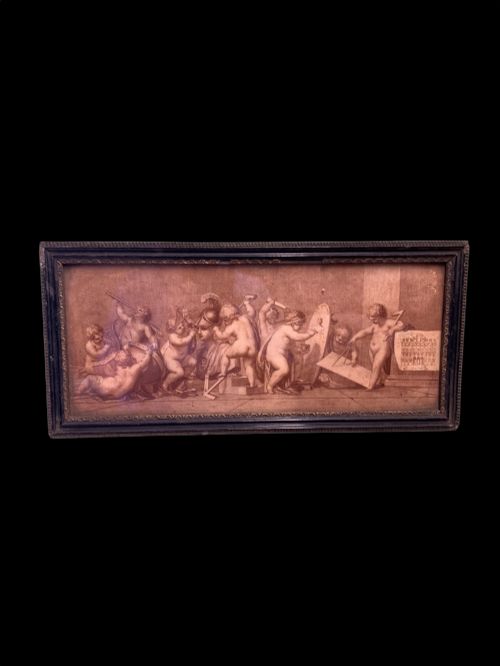
The selections span multiple centuries, showing subjects from Roman and Greek mythology alongside detailed architectural elevations and perspective views. Eighteenth-century productions dominate the field, frequently recording Italian classical ruins, Vatican loggie plates, and British topographical subjects.
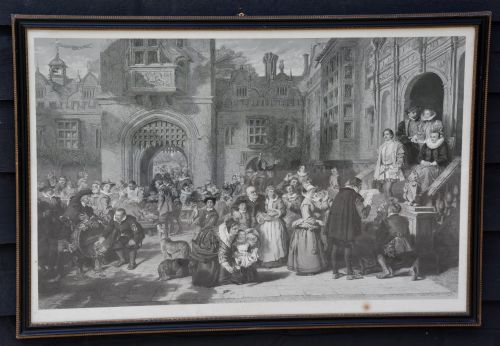
Most items appear mounted or framed, often housed in period timber mouldings such as original Hogarth frames. Subjects stretch from the Doric portico of Athens and the Tower of the Winds to continental cityscapes and Welsh castles.
Materials and production methods
These works rely on ink applied to laid or wove paper through intaglio printing techniques, where lines cut into metal plates hold the pigment. Many examples incorporate hand-colouring with watercolour washes applied over the black ink lines to highlight architectural details and figures.
Framing materials include wood, gilt wood, and glass, protecting the delicate paper supports from atmospheric damage. Some nineteenth-century examples utilise drypoint etching or lithography alongside traditional engraving, reflecting evolving print technology.
Architectural subjects recorded on this page include the antiquities of Athens, the Vatican loggie, Roman gods, and British cathedrals.
Assessing quality in historical prints
Quality rests upon the crispness of the plate impression and the clarity of the fine architectural lines. Sharp impressions retain minute details in distant cornices, inscriptions, and sculptural reliefs, whereas worn plates yield softened, blurred edges.
The presence of contemporary or period hand-colouring influences desirability, particularly when applied with botanical or architectural precision. Margins remaining around the plate mark, alongside the overall condition of the paper free from heavy foxing, distinguish superior examples.
François Perrier·Anton Ignaz Melling·Claes Jansz Visscher·Edgar J. Maybery·James Basire·Giovanni Ottaviani·Francesco Piranesi·Edward Rooker
The Paper Architectural Engraving Glossary
- Engraving
- A printmaking process where an artist cuts lines directly into a metal plate with a sharp tool called a burin. The inked plate transfers the design under pressure to paper.
- Etching
- A technique where acid bites lines into a metal plate protected by an acid-resistant ground. This method produces free, flowing lines compared to direct engraving.
- Plate mark
- The indentation left on the paper by the edge of the metal printing plate during the press run. Its presence confirms an authentic intaglio print.
- Drypoint
- A printmaking method where a sharp needle scratches lines directly into the metal plate, raising a small burr of metal that gives the printed line a soft, velvety appearance.
- Lithography
- A planographic printing process based on the chemical repulsion of oil and water. The image is drawn on a flat stone or metal plate and transferred to paper.
Paper Architectural Engraving: Frequently Asked Questions
How should I hang historical prints?
Keep paper works away from direct sunlight to prevent fading of the ink and paper support. Maintaining stable indoor humidity prevents cockling and deterioration of the sheet.
Use UV-filtering glass when framing to protect the pigments. Ensure the backing materials are acid-free to preserve the paper over time.
What is a Grand Tour print?
Grand Tour prints were purchased by affluent travellers touring the classical sites of Italy and Greece during the eighteenth and nineteenth centuries. These works served as visual records of ancient architecture and sculpture.
Publishers gathered these detailed plates into large bound volumes or sold them individually as souvenirs. They document archaeological discoveries of the period with high precision.
How do I identify an etching from an engraving?
Engraved lines display crisp, tapered ends where the burin leaves the metal plate. Etched lines show more rounded, even widths because acid bites the metal uniformly.
Examining the plate under magnification reveals the characteristic ridges of ink left by intaglio methods compared to flat modern printing. Close inspection of the line quality clarifies the technique used.
Are these prints original period pieces?
The listings feature works printed in the centuries stated, such as seventeenth and eighteenth-century impressions pulled from original plates. Dates reflect the period of publication rather than modern reproductions.
Paper characteristics, plate marks, and typography assist in confirming the age of each sheet. Archival records often link specific plates to known architectural folios.