




Historic Royal Portrait
A historic royal portrait brings monarchs and court figures directly into your rooms through centuries of oil paint, glass, and print.
Historic Royal Portrait
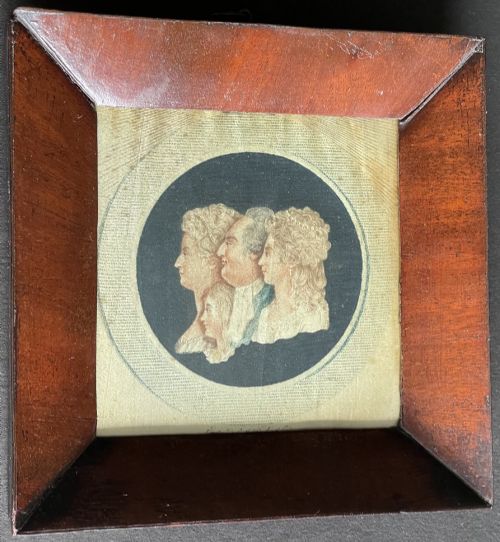
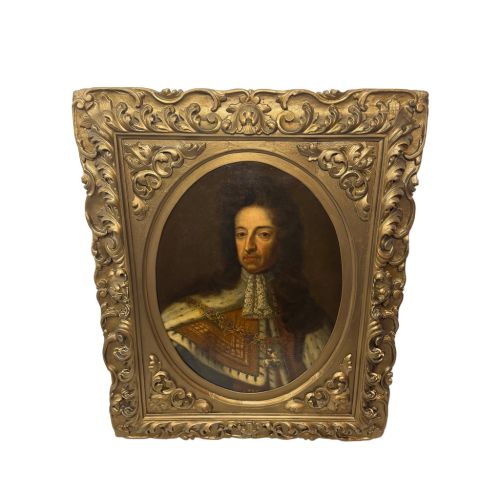
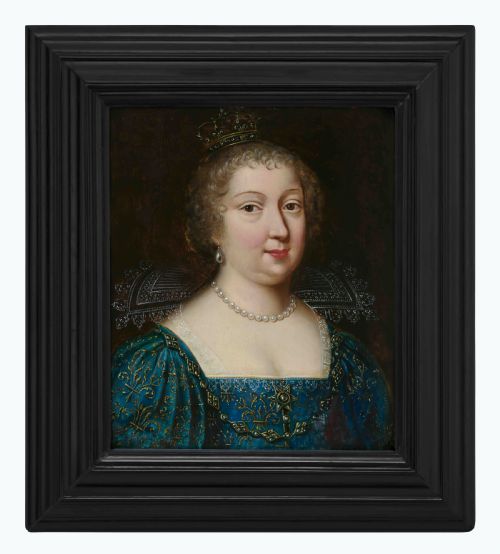
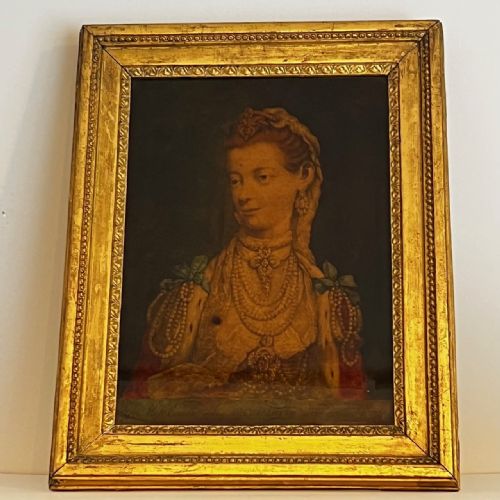
When you search for a historic royal portrait, you encounter likenesses of kings, queens, and court figures rendered across various centuries. The selection ranges from grand oil paintings on canvas to delicate prints and reverse glass pieces.
The versions most frequently met on this page span the seventeenth, eighteenth, and nineteenth centuries, including depictions of figures like King William III and Louis XVI. These works capture dynastic history through formal portraiture, maritime royal association, and miniature court painting.
Makers and schools vary widely, from Northern European traditions to Mughal courts, presenting distinct regional interpretations of sovereignty. Each object carries the aesthetic markers of its period, whether Georgian elegance or Baroque formality.
Determining quality
Quality rests in the precision of the rendering and the handling of light across the subject's face and garments. Finer works display confident brushwork and anatomical accuracy that lesser studio copies lack.
The integrity of the original surface, alongside the harmony of period framing such as giltwood, elevates the piece. Superior examples preserve their initial pigment saturation and structural support without heavy modern restoration.
Listings feature works spanning the seventeenth, eighteenth, and nineteenth centuries, executed in oil, watercolour, and print.
SIR WILLIAM BEECHEY R.A·Henri and Charles Beaubrun·WF Mitchell
The Historic Royal Portrait Glossary
- Oil on canvas
- Pigments bound in drying oil applied to a woven fabric support. This method allowed artists to achieve subtle tonal gradations and lasting durability.
- Reverse glass print
- An image applied directly to the back of a glass panel to be viewed from the front. This technique produces a glossy surface finish unique to certain decorative periods.
- Giltwood
- Wood carved and covered with a thin layer of gold leaf. It is commonly found on frames designed to enhance royal and formal artwork.
- Baroque
- An artistic style prevalent in the seventeenth century characterised by drama, rich detail, and grand scale. Portraits from this movement emphasise theatrical lighting and presence.
- Miniature
- A small-scale portrait executed with extreme fine detail. These works were often intended for private viewing or court exchange.
Historic Royal Portrait: Frequently Asked Questions
What is the difference between an oil painting and a reverse glass print?
An oil painting consists of hand-applied pigments on a prepared canvas or panel surface, offering visible brush texture. A reverse glass print transfers or paints the image behind a protective glass sheet for a smooth finish.
Both formats were used to commemorate important figures but require different handling and conservation approaches.
How should I care for an antique portrait on paper or silk?
Works on paper and silk demand protection from direct sunlight and high humidity to prevent fading and fibre degradation. Framing with acid-free materials and UV-filtering glass ensures long-term preservation.
Stable indoor temperatures prevent the warping and foxing common in older organic materials.
How do I date a framed portrait without documentation?
Dating relies on stylistic clues in the sitter's costume, the framing materials, and the preparation of the canvas or backing board. Georgian and Victorian framing techniques often feature distinct moulding profiles and construction methods.
Examining the reverse of the work frequently reveals historical labels, stamps, or canvas maker marks.