



19th Century Portrait Panel
A 19th century portrait panel captures individual likenesses and character on solid wood, glass, metal, or zinc supports.
19th Century Portrait Panel
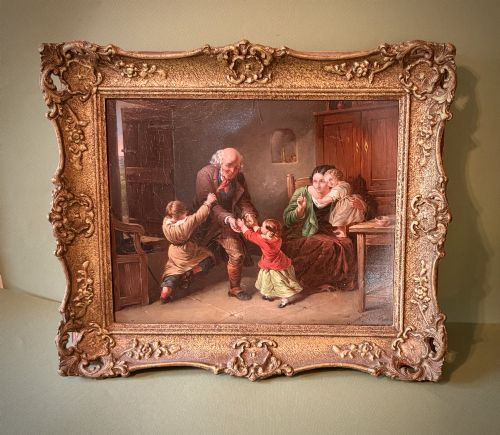
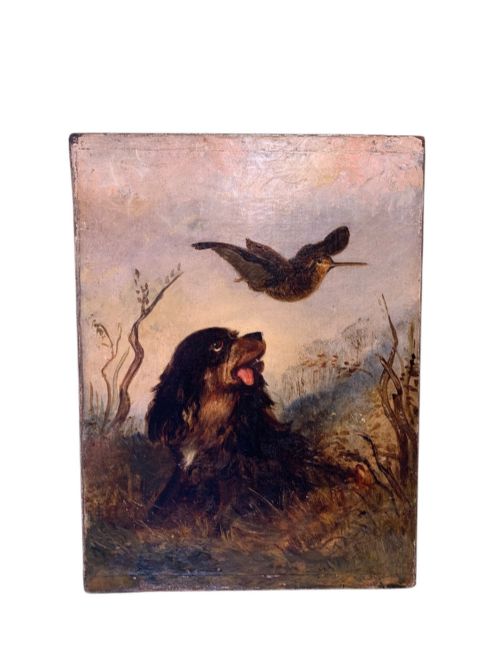
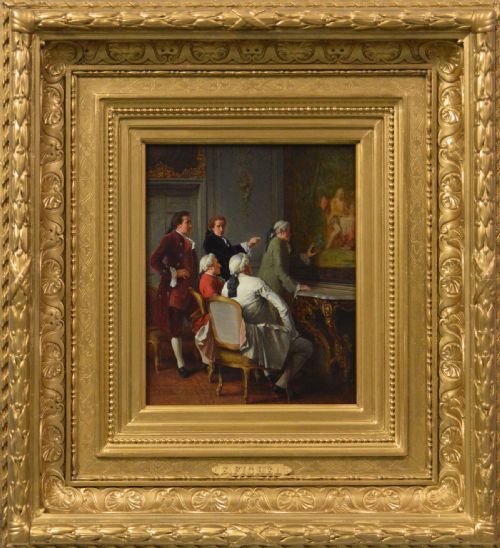
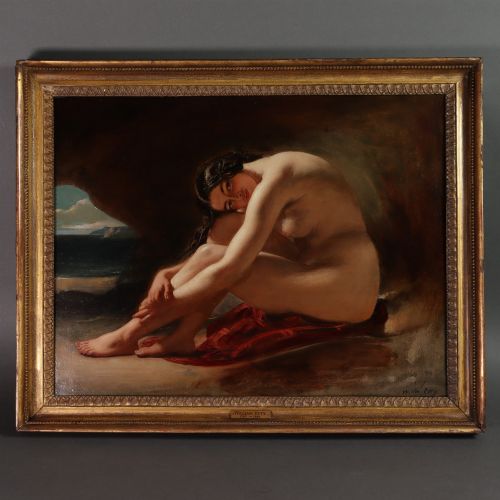
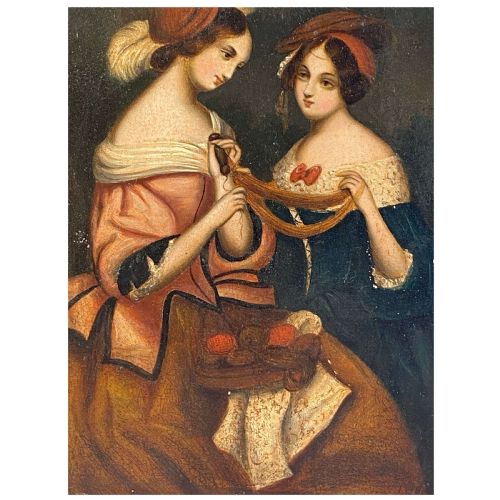
A 19th century portrait panel represents an intimate artistic tradition where painters applied oils directly onto rigid supports like wood, metal, or zinc rather than flexible canvas. These works range from small, portable miniatures intended for personal remembrance to larger domestic paintings capturing family members, historical figures, or genre subjects.
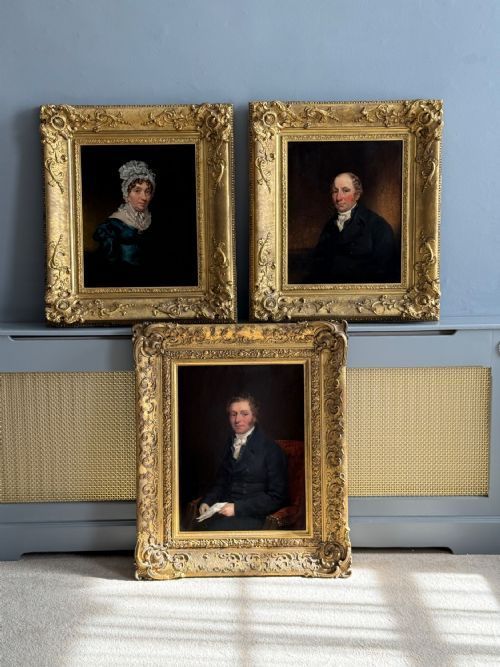
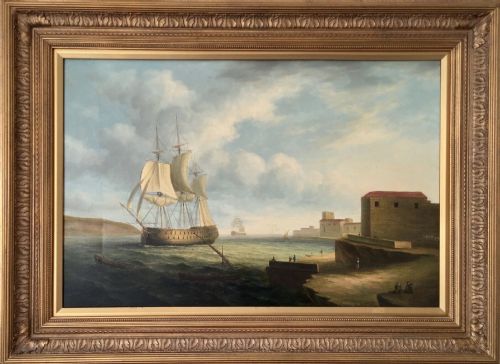
The pieces appearing in these collections reflect diverse European and British schools spanning the Victorian and Regency eras. Subjects include seated gentlemen, young ladies in lace-trimmed gowns, historical personages, and children, often housed within original giltwood or burr maple frames.
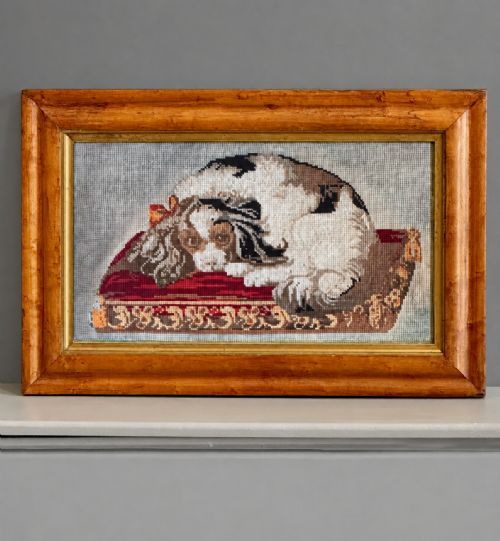
Alongside traditional oil paintings on wood panel, related decorative forms emerge, such as porcelain portrait plaques, ceramic inserts on clocks, and intricate needlework or silkwork pictures. Each item demonstrates the period preference for durable, compact portraiture that suited domestic interiors.
How They Were Made
Artists painted primarily with oil on prepared wooden panels, occasionally utilising zinc, metal, or canvas attached to board to ensure a stable drawing surface. Wood offered a smooth grain that allowed fine brushwork and detailed rendering of facial expressions and textiles.
Framing played an integral role in construction, with makers enclosing panels in decorative giltwood, burr maple, or ebonised surrounds that protected the edges and enhanced the visual depth of the portrait.
Several panels capture Victorian gentlemen smoking cigars and dogs wearing historic Tudor dress.
What Varies in Quality
The integrity of the original materials also determines distinction, particularly the preservation of the panel surface without warping and the survival of contemporary or period-appropriate frames that complement the artwork.
Joseph Clover RA·Benjamin Eugene Fichel·Alfred John Bouchette·Quirijn Van Brekelenkamp·Hans Temple·Paul Leon Jazet·Kasper Hendrik Roskam·Sir Thomas Lawrence PRA·Sir John Everett Millais·Bessie Bamber·George Clint·Walter Emsley·Robert W Wright·F Winterhalter
The 19th Century Portrait Panel Glossary
- Oil on panel
- A painting technique where oil pigments are applied to a rigid wooden support rather than stretched canvas. This method provides a smooth, durable ground favored by portraitists for capturing fine detail.
- Miniature painting
- A small-scale portrait executed with precise, delicate brushstrokes. These portable pieces were often designed to be carried or displayed in intimate settings.
- Trumeau mirror
- An antique wall mirror featuring a painted or carved panel set above the glass plate. The upper panel frequently depicts classical figures or pastoral scenes.
- Burr maple
- A wood veneer characterised by swirling, knotted grain patterns. It was highly prized during the nineteenth century for decorative furniture and picture frames.
- Porcelain plaque
- A flat ceramic tablet fired with a glazed image or portrait. These plaques were frequently mounted into decorative items like clocks or framed as standalone artworks.
19th Century Portrait Panel: Frequently Asked Questions
How should I display a panel painting?
These works look best hung at eye level on walls with stable humidity and away from direct sunlight to protect the oil pigments and wooden supports.
Keeping them in their period frames, whether burr maple or giltwood, maintains their historical context and protects the delicate edges of the panel.
Are all panels made of wood?
While wood is the most common support found in these collections, nineteenth-century artists also utilised zinc, copper, metal, and ceramic porcelain plaques.
Each material influenced how the artist applied paint and contributed to the overall weight and preservation of the finished artwork.
How do I identify the period?
Period identification relies on clothing styles, hairstyles, framing materials, and the handwriting or signatures found on the reverse of the panel.
Comparing the painting technique to known academic styles of the Victorian or Regency eras also helps narrow down the decade of creation.