


Hindley and Sons
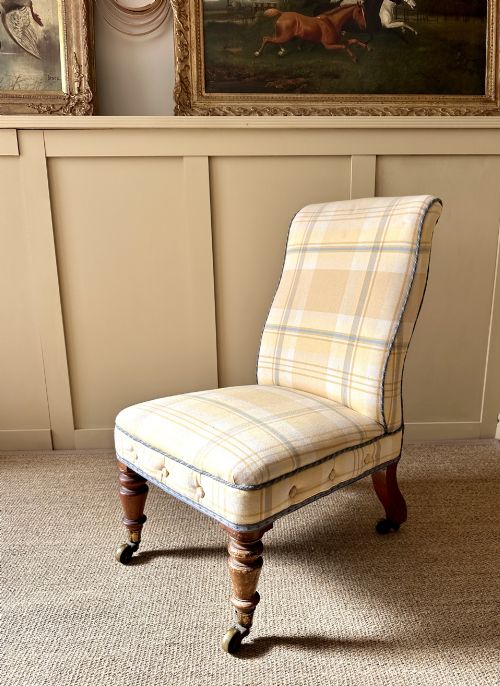
These hindley and sons pieces are substantial Victorian seating and tables carrying London workshop provenance that anchor a traditional interior.
Hindley and Sons
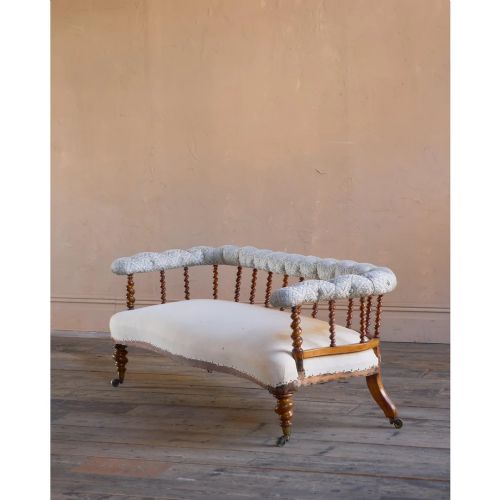
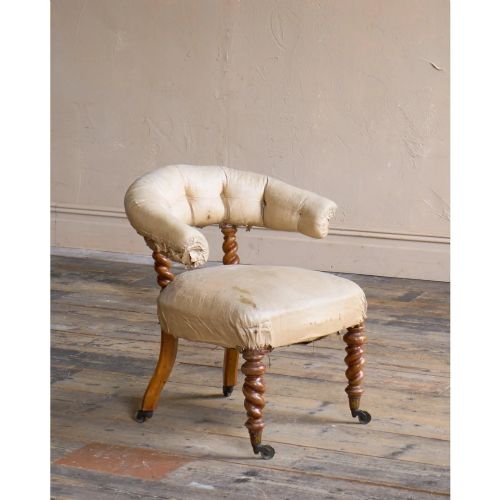
When you search for hindley and sons, you encounter nineteenth century furniture originating from a prominent London Oxford Street firm. The pieces appearing most frequently on this page comprise upholstered armchairs, spacious country house sofas, and occasional tables.
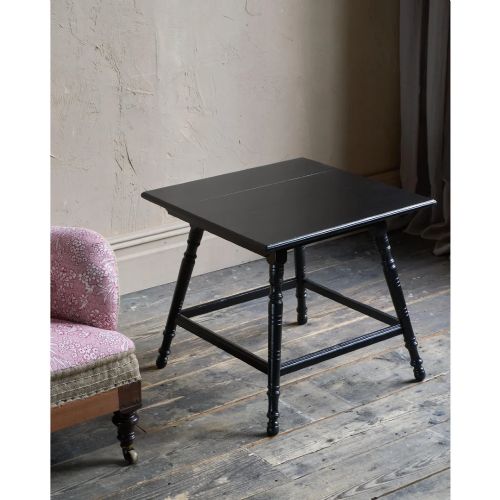
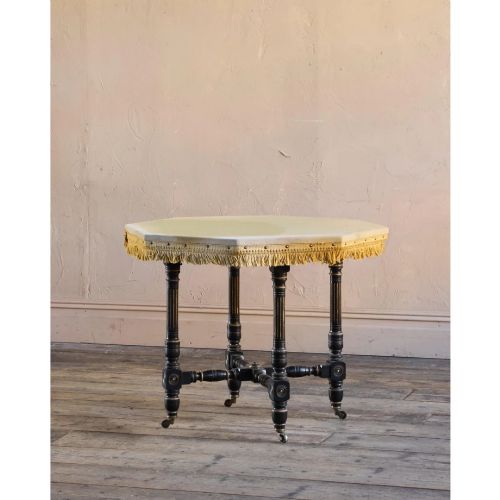
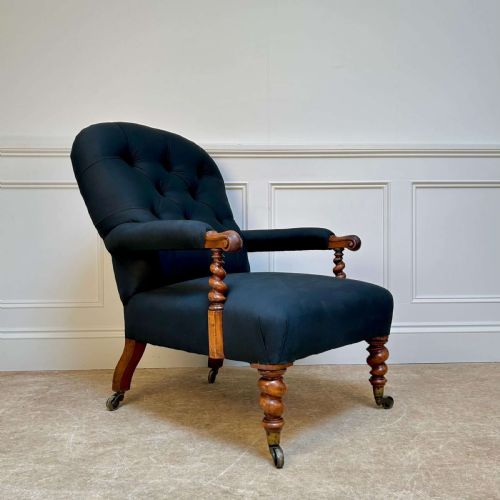
The seating forms range from compact salon chairs and spoonback armchairs to deep club loungers and buttoned chesterfields. Tables span walnut wine stands, ebonised side tables, and larger circular centre tables suited to principal reception rooms.
How they were made
Cabinet makers utilised dense hardwoods including mahogany, walnut, oak, and satinwood alongside ebonised wood for structural frames and cabinet work. Timber selection prioritised stability and distinct grain patterns, supporting intricate carved details such as lion motifs.
Upholstered items relied on traditional stuffing and supportive springing enclosed in textiles like velvet, leather, and woven fabric. Brass components provided functional mounts and castors on movable furniture.
Listings demonstrate diverse timber usage, spanning mahogany, walnut, oak, satinwood, and ebonised wood across nineteenth century forms.
What varies in quality
The distinction between standard commercial output and superior workshop production rests on the depth of carving and the refinement of timber turning. Pieces destined for prominent London addresses display crisper hand-carved ornamentation and more ambitious architectural proportions.
The integrity of the underlying frame construction and the preservation of original secondary timbers dictate the long term standing of individual items. Surviving upholstery schemes executed in period textiles retain higher historic interest than later replacements.
C Hindley and Sons·Charles Hindley and Sons
The Hindley and Sons Glossary
- Chesterfield
- A deep buttoned upholstered sofa characterised by equal height back and rolled arms. This form provides formal seating associated with nineteenth century libraries and drawing rooms.
- Ebonised
- Wood treated with a chemical stain or pigment to imitate ebony. This finish gained popularity during the Victorian era for decorative side tables and occasional furniture.
- Spoonback
- An armchair design featuring an oval upholstered backrest shaped to resemble the bowl of a spoon. It offers ergonomic support for the spine.
- Davenport
- A small compact writing desk featuring a sloping lifting top and side drawers. Makers constructed these from figured hardwoods such as mahogany and walnut.
- Aesthetic Movement
- A late nineteenth century design style emphasising visual beauty over narrative subject matter. Furniture from this movement often employs simplified geometric lines and exposed structural elements.
Hindley and Sons: Frequently Asked Questions
How do I identify Hindley and Sons furniture?
Pieces often bear stamped signatures or paper labels identifying the firm's Oxford Street address in London. Construction methods align with high grade nineteenth century London workshop practices.
stylistic indicators include robust timber frames, specific carved details like lion motifs, and refined upholstery profiles seen across sofas and armchairs.
What period do these items date from?
The recorded pieces date predominantly from the nineteenth century, spanning the Victorian era and the Aesthetic Movement around eighteen eighty.
Dating relies on timber characteristics, construction techniques, and stylistic evolution from mid century walnut tables to later oak and ebonised designs.
How were chesterfield sofas used?
Chesterfields served as principal seating in Victorian drawing rooms, libraries, and gentlemen's clubs. Their deep buttoning provided firm support for formal sitting.
The substantial proportions accommodated multiple occupants during social gatherings and daily domestic life.
Where should I place a centre table?
Centre tables function as freestanding pieces positioned in the middle of a room rather than against a wall. Victorian interiors utilised them for displaying decorative objects and lamps.
They require adequate surrounding floor space to allow movement and to showcase the turned pedestals or carved legs.