
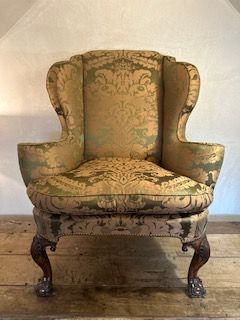
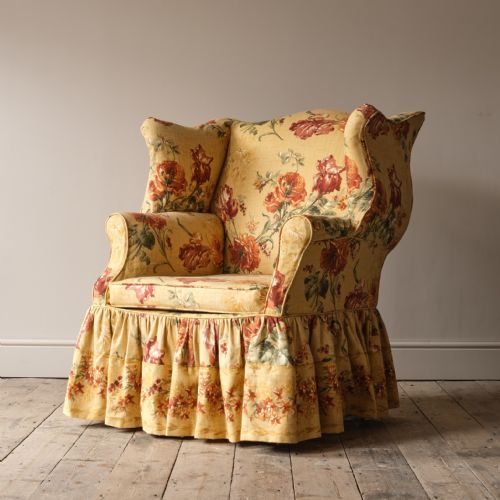
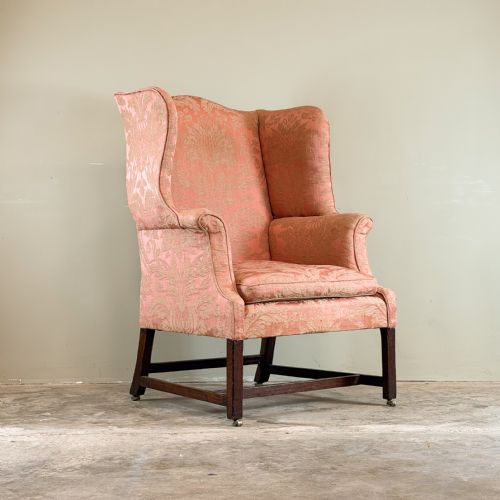
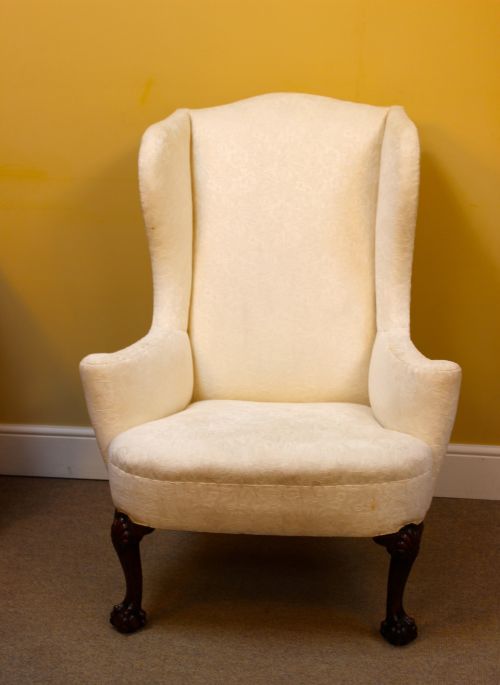
High Back Wing Armchair
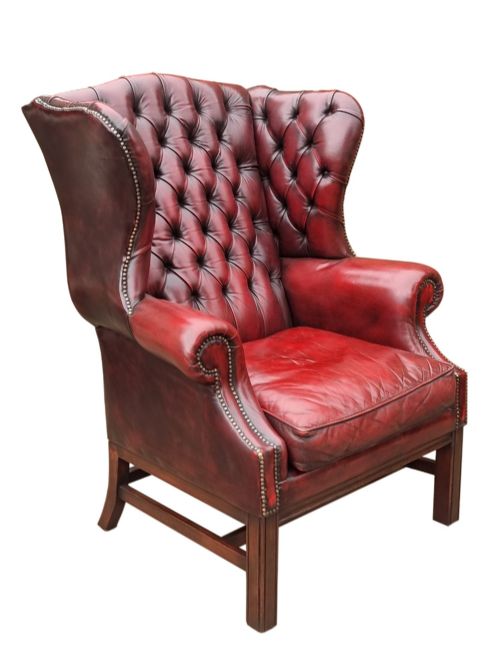
A high back wing armchair offers draught-excluding comfort and proper head support, making it the anchor of a traditional library or fireside.

High Back Wing Armchair
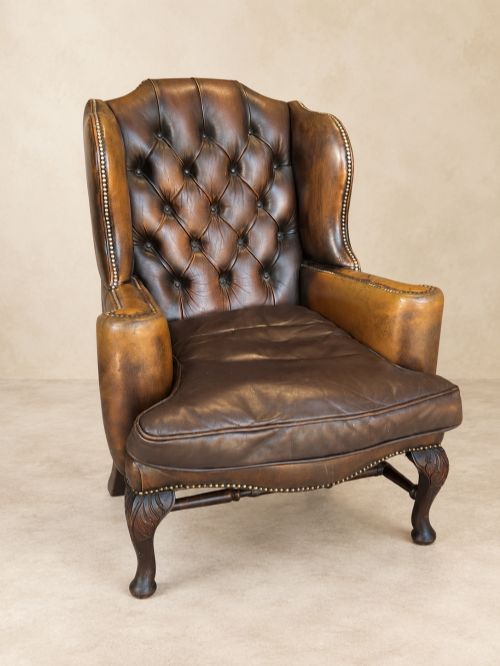
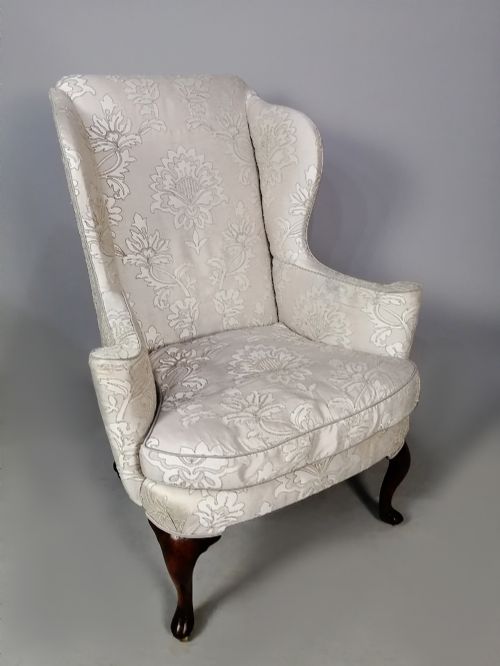
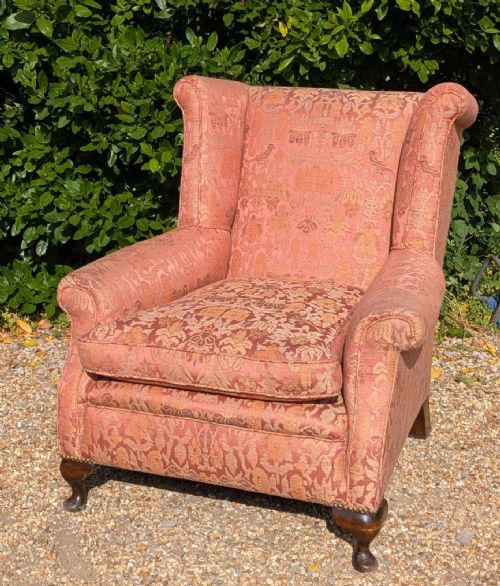
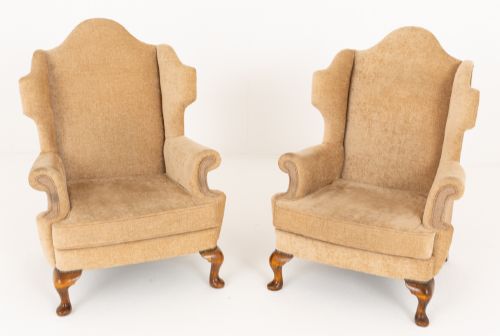
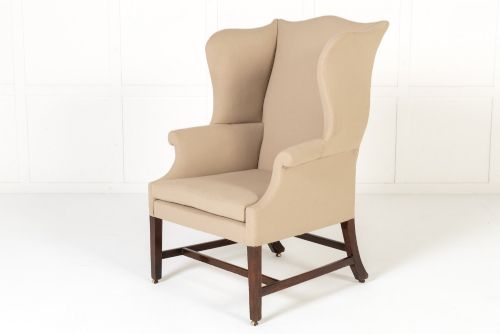
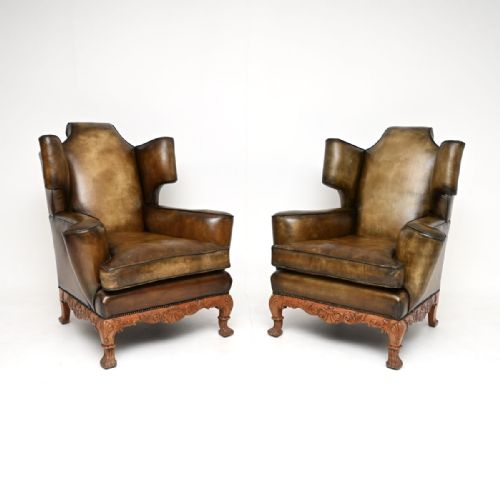
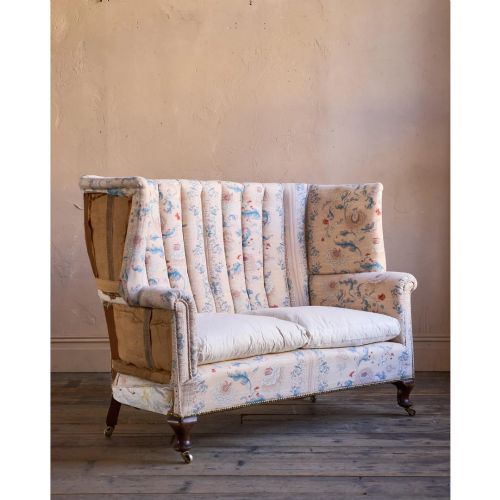
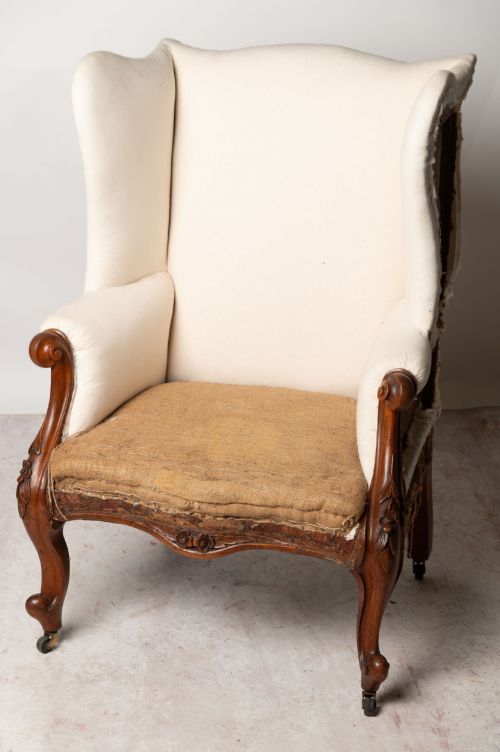
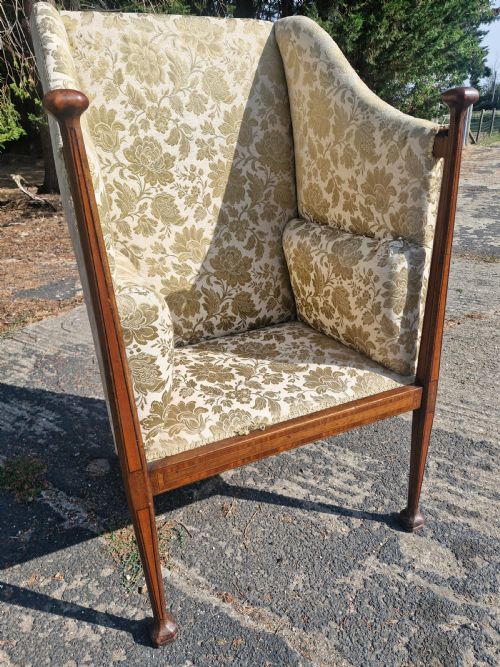
A high back wing armchair provides deep seating with protective side panels designed to shield the occupant from draughts. The pieces matching this high back wing armchair search span the eighteenth, nineteenth, and early twentieth centuries.
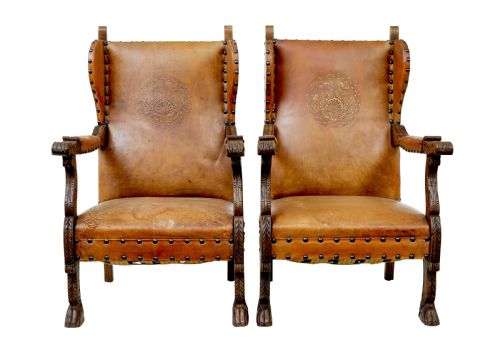
The inventory includes walnut and mahogany frames from the Georgian period alongside later Victorian, Edwardian, and nineteen-thirties revivals. Examples range from simple oak frames in leather to generous upholstered library chairs.
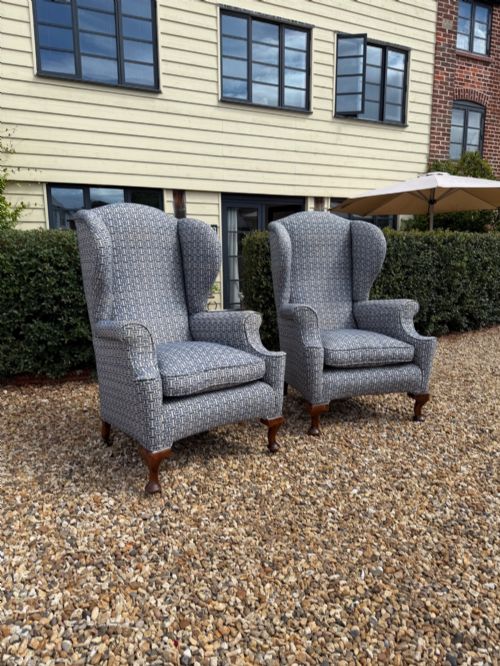
Buyers frequently encounter nineteenth-century interpretations of Queen Anne and George III styles. Pairs and individual seating options appear across both wood and upholstered finishes.
How they were made
Frames are constructed from timbers such as mahogany, walnut, oak, and general wood, providing structural integrity for the heavy upholstery. Joinery techniques connect the wings and high backs securely to the seat rails.
Upholstery materials comprise leather, velvet, chenille twill, plaid fabric, and calico over traditional stuffing methods. Brass elements sometimes appear in castors or detailing on leather-covered pieces.
High Back Wing Armchair Retail Price Guide 2026
Typical asking prices for high back wing armchair among the pieces listed under this phrase on Sellingantiques today, from the lower quarter to the upper quarter. They describe what is for sale here now, not the wider market.
Nineteenth-century makers occasionally hid old newspapers inside the upholstery stuffing, providing future restorers with a precise date of the armchair's refurbishment.
What varies in quality
The distinction between standard examples and superior pieces rests upon the proportions of the wings and the crispness of the timber carving on the legs. Original frames retain their structural lines without alterations to the rake of the back.
The choice of covering material, whether aged leather or specific period weaves, alters the character of the chair significantly. Expert reupholstery using traditional fillings preserves the intended comfort and profile.
Howard And Sons·Whytock And Reid
The High Back Wing Armchair Glossary
- Wing
- A protruding side panel attached to the back of the chair designed to trap heat and block draughts. These panels vary in shape from scroll-shaped to flat.
- Cabriole leg
- A furniture leg that curves outward and then tapers inward with an arched profile. This form frequently terminates in pad or claw-and-ball feet.
- Barrel back
- A seating form where the upholstered back curves continuously around to form enclosed arms. This shape offers cocoon-like support.
- Fireside armchair
- A low-seated chair designed for placement near a hearth. These pieces often feature high backs to protect against room chills.
- George III style
- A revival aesthetic mimicking the furniture designs of the later eighteenth century. It employs classical proportions and mahogany timber.
High Back Wing Armchair: Frequently Asked Questions
How do I spot a Georgian chair?
Examine the timber quality and the joinery methods visible underneath the seat frame. Georgian pieces utilise dense mahogany or walnut with hand-cut construction details.
Look at the leg profile and stretcher arrangement for period-appropriate wear and proportion. Eighteenth-century versions display specific vernacular touches absent in later revival pieces.
Are these chairs comfortable for daily use?
The high back and enclosed wings provide substantial support for the head and shoulders. Many surviving examples retain deep cushioning suitable for reading or relaxing.
Some period pieces require updated internal webbing or feather filling to meet modern sitting preferences. Upholstery can be adapted without altering the structural wooden frame.
What is the purpose of the wings?
The side panels were originally engineered to trap heat from an open fire around the user. They also served to block cold draughts in large historic rooms.
Over time, this functional feature evolved into a defining stylistic element of traditional English seating. Different eras favoured broader or more tapered wing profiles.
How do I care for leather upholstery?
Maintain antique leather by applying appropriate conservation waxes to prevent the surface from drying out. Keep the chairs away from direct heat sources and strong sunlight.
Allow a natural patina to develop over the years rather than attempting aggressive cleaning. Professional treatment preserves the original dye and texture of nineteenth-century hides.