

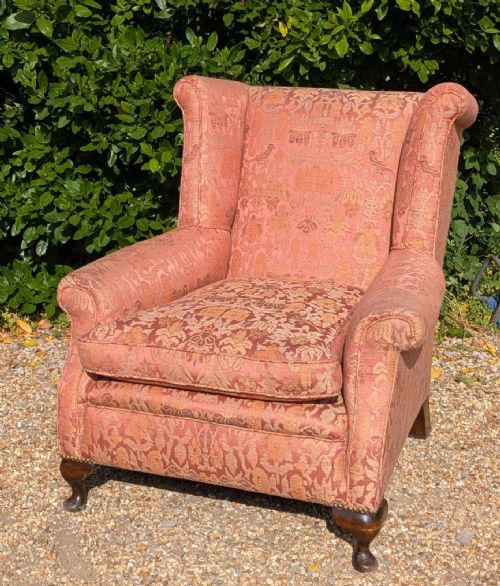
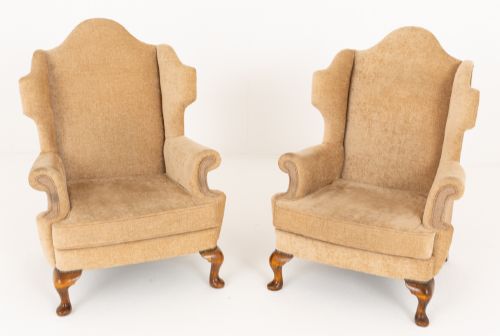
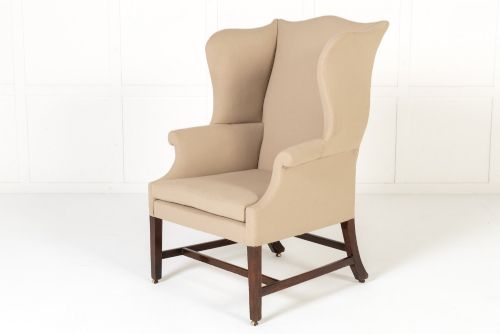
High Back Upholstered Armchairs
High back upholstered armchairs offer deep support and formal presence, spanning centuries of craftsmanship from the seventeenth century onward.
High Back Upholstered Armchairs
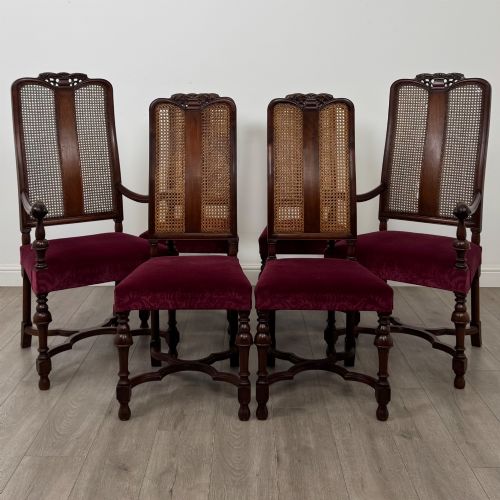
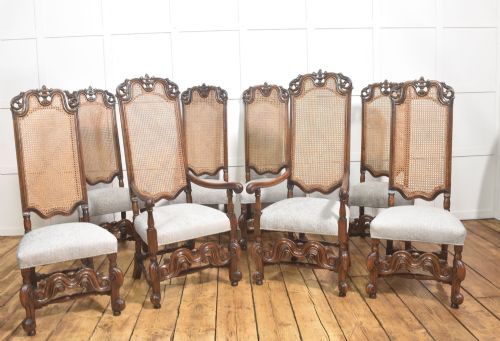
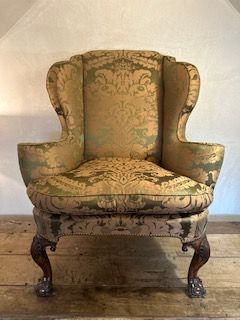
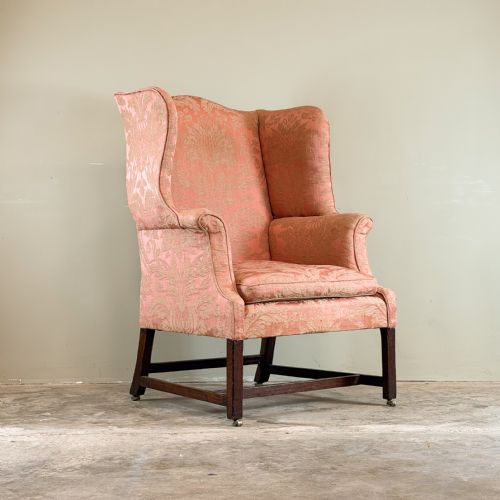
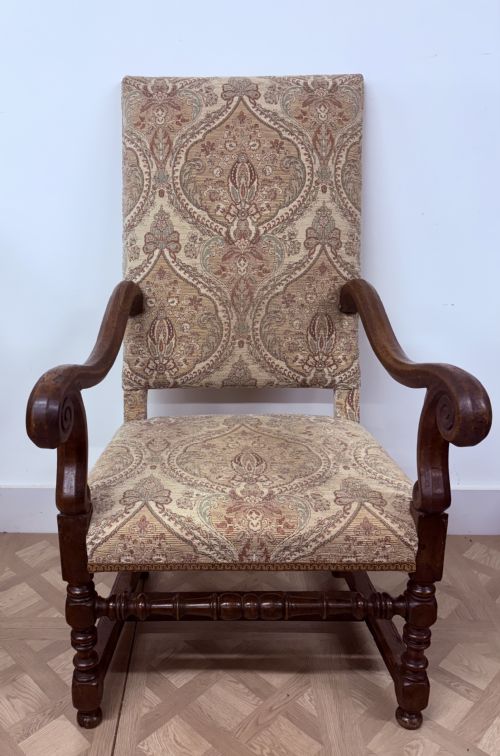
High back upholstered armchairs comprise a diverse group of seating furniture designed to support the head and shoulders, featuring prominently in period interiors. When searching for high back upholstered armchairs, a buyer encounters forms ranging from seventeenth-century walnut frames to eighteenth-century Georgian wingchairs and later nineteenth-century interpretations.
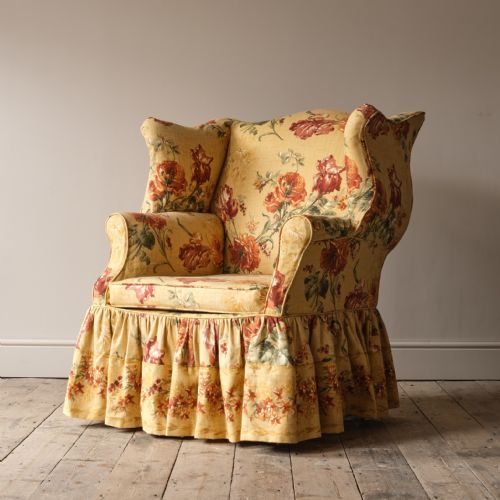
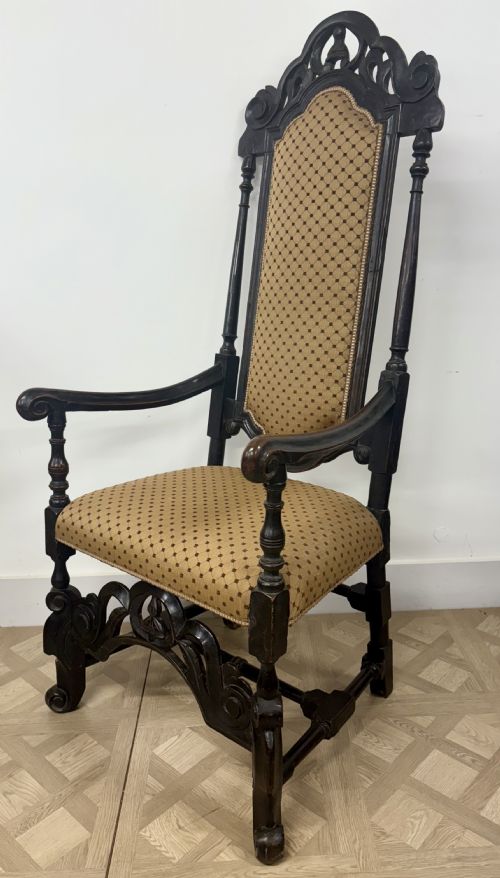
The selections span distinct historical styles including Queen Anne, Carolean, Victorian, and Edwardian revivals alongside country house aesthetics. Pieces appear in various wood timbers paired with textiles such as velvet, leather, needlework, and plaid, reflecting the prevailing tastes of their respective eras.
Craftsmanship and Proportion
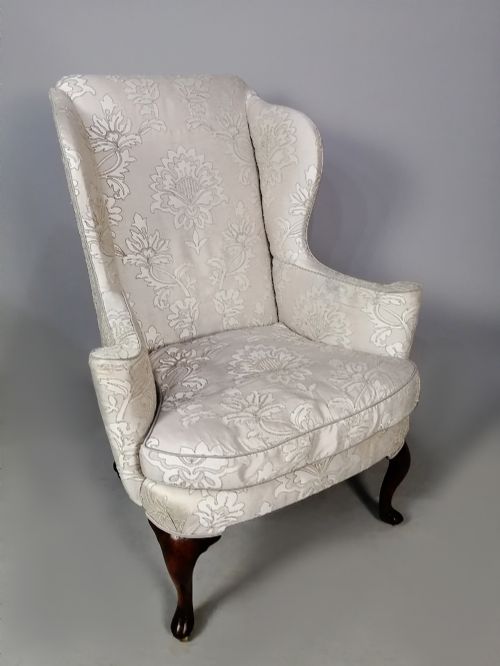
Quality rests in the sculptural confidence of the woodwork, particularly where frames feature carved details, shaped wings, or cabriole legs. Better examples maintain harmonious proportions across the high back and arms, avoiding heavy or awkward lines.
The integrity of the frame construction and the fidelity of revival styles dictate the standing of an individual piece. Finer examples exhibit crisp execution in both the timber frame and the chosen upholstery finish.
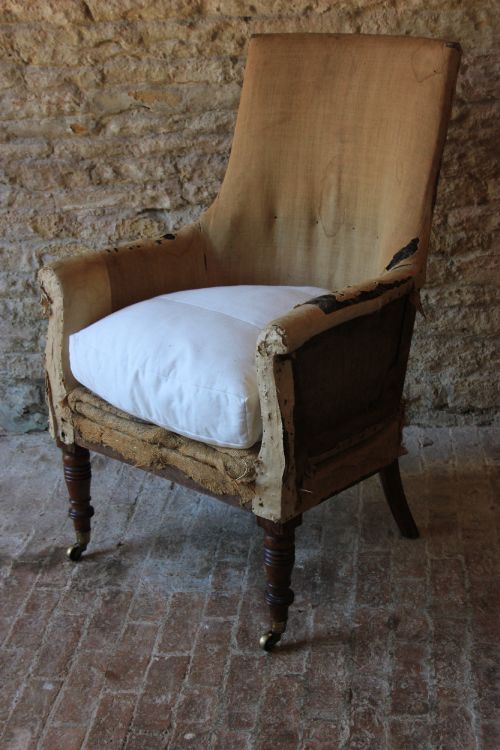
Listings feature walnut and mahogany timbers alongside textiles like velvet, leather, and hessian across multiple centuries.
Howard And Sons
The High Back Upholstered Armchairs Glossary
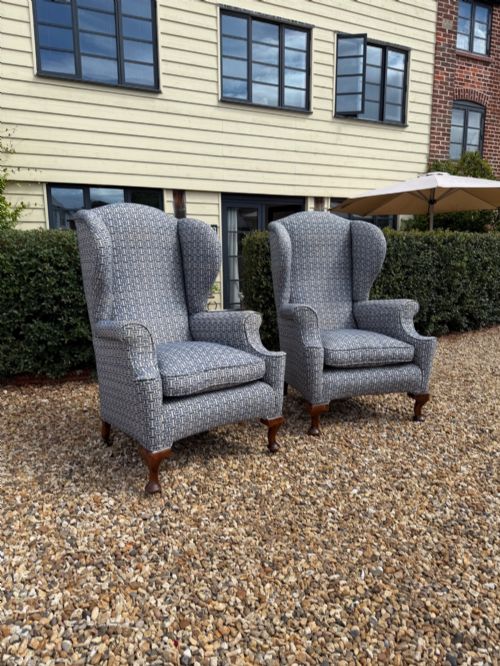
- Wingback
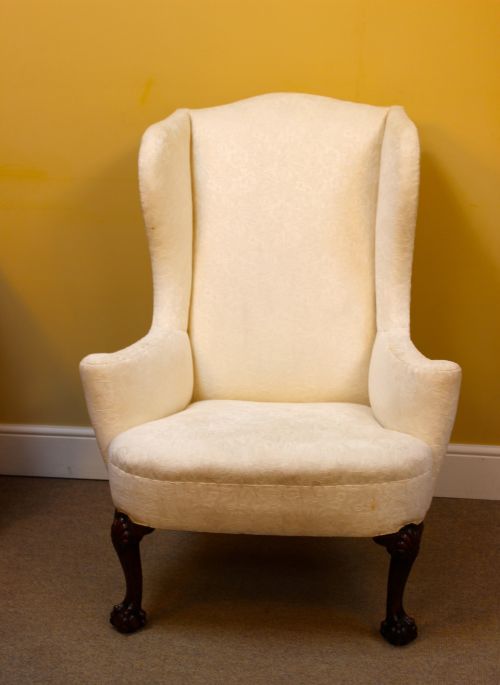
- An armchair featuring protective side panels attached to the arms and high back. These extensions historically blocked drafts and retained warmth from firesides.
- Gainsborough chair
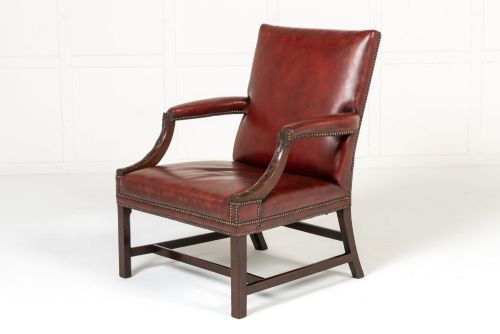
- A type of wide armchair with an upholstered back and seat, open padded arms, and short mahogany legs. This form originated in the mid-eighteenth century.
- Carolean
- A style dating from the reign of Charles II characterised by rich carving and scrolling woodwork. Pieces from this era often utilise walnut.
- Fauteuil
- A French open-arm armchair with exposed wooden framing around the upholstered elements. These seats emerged prominently during seventeenth and eighteenth-century periods.
- Cane
- Woven plant material utilised for seats and backs in certain historical chair designs. This technique provides a light, decorative texture to wooden frames.
High Back Upholstered Armchairs: Frequently Asked Questions
What defines a wingback armchair?
A wingback armchair incorporates extended panels flanking the upper backrest, originally designed to shield the sitter from draughts.
These chairs combine substantial wooden frames with deep upholstery to create an enclosed, supportive seating experience.
How do I identify a Georgian chair?
Georgian chairs typically feature sturdy mahogany or walnut frames, often displaying classical proportions and restrained carved ornamentation.
Details such as cabriole legs or claw-and-ball feet frequently accompany these eighteenth-century seating forms.
Are these chairs suitable for daily use?
High back upholstered armchairs provide robust structural support suitable for regular seating in living spaces or libraries.
Their generous proportions and padded backs offer ergonomic comfort tailored for extended periods of relaxation.
What timbers were used historically?
Cabinetmakers primarily relied on hardwoods like walnut, mahogany, and oak for structural frames.
These dense timbers ensured the longevity required to support large upholstered forms over successive centuries.