

Handwoven Wool Wall Hanging
When you want a handwoven wool wall hanging, you are searching for tribal bags, storage containers, and tent trappings brought off the nomadic loom.
Handwoven Wool Wall Hanging
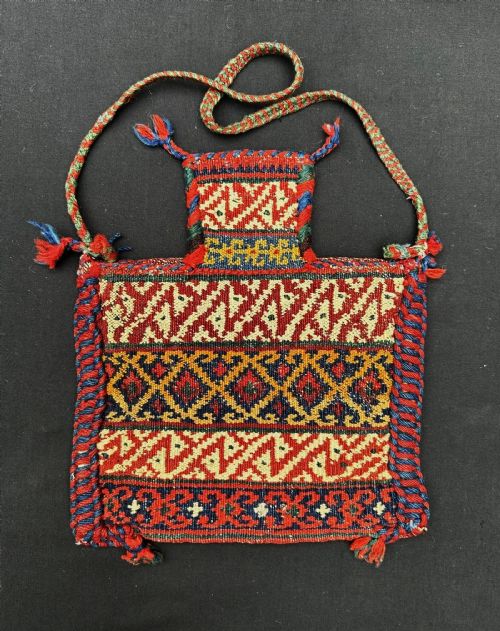
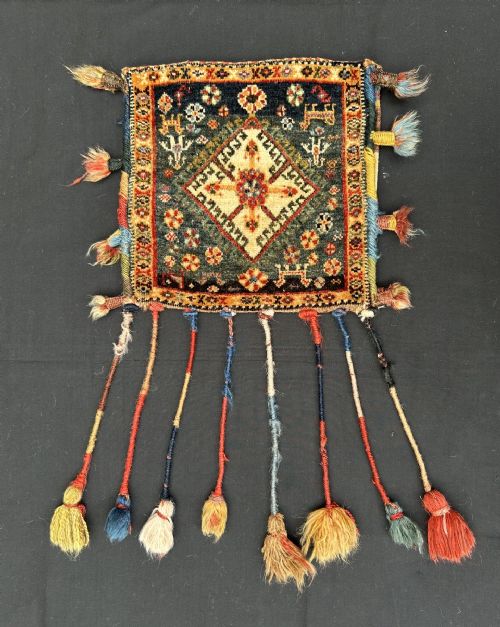
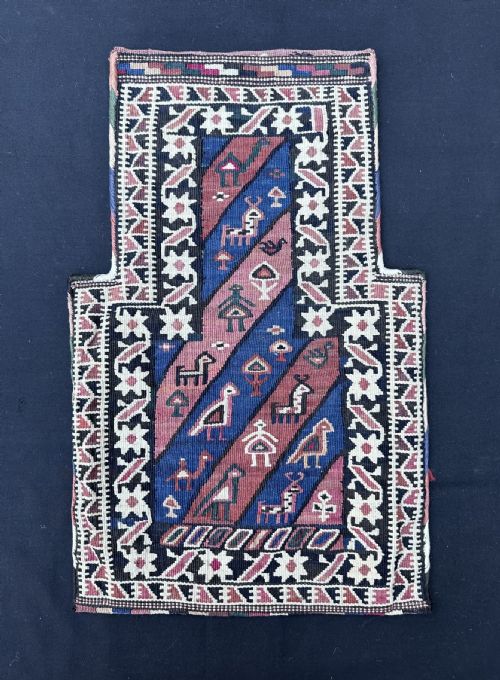
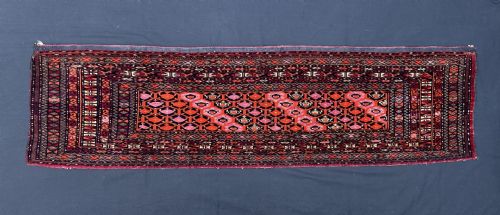
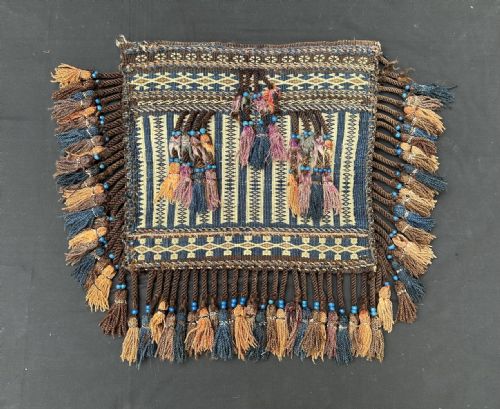
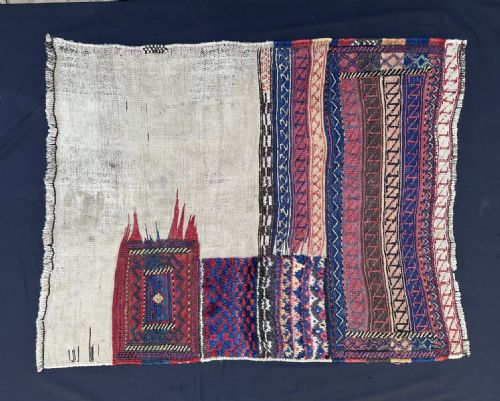
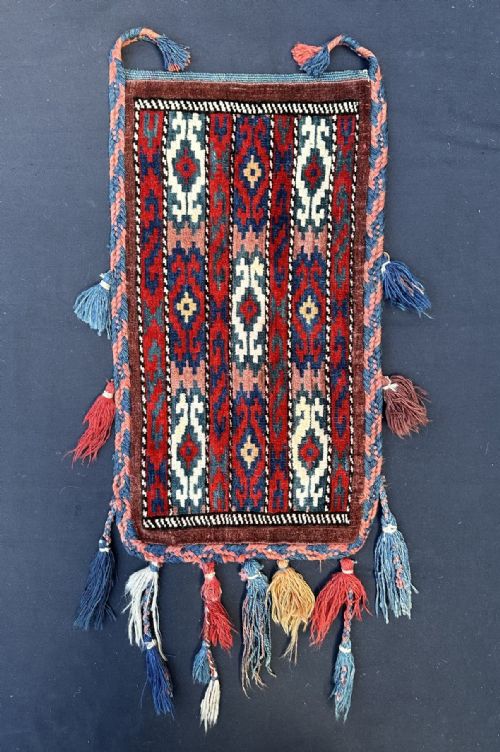
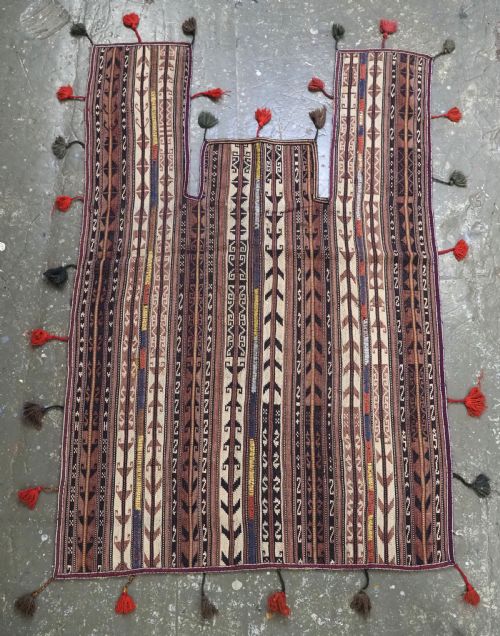
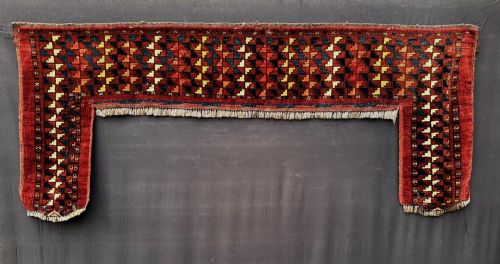
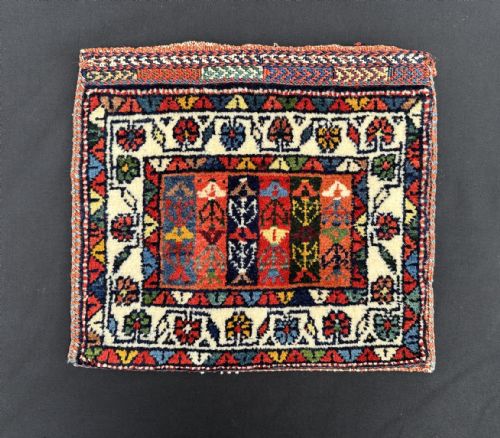
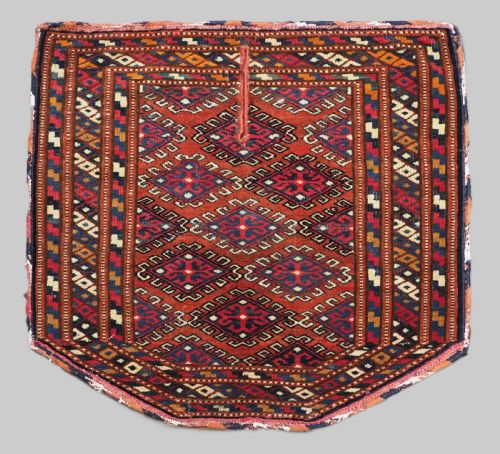
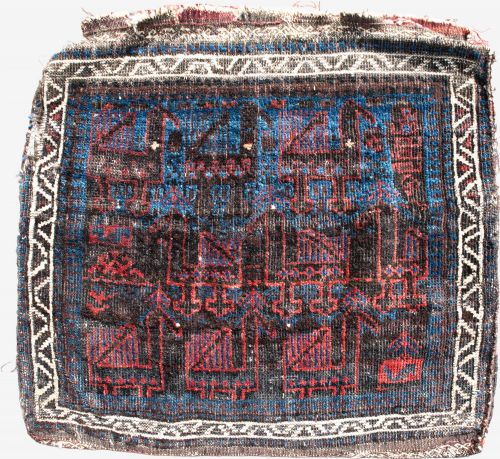
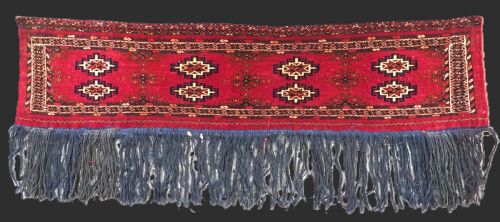
A handwoven wool wall hanging on this page typically originates from nomadic and tribal traditions, spanning Persian, Turkmen, and Central Asian regions from the nineteenth and early twentieth centuries. Rather than being made initially for display, these items served practical nomadic functions as storage bags, salt bags, bread sophres, and horse decorations before finding a second life mounted on interior walls.
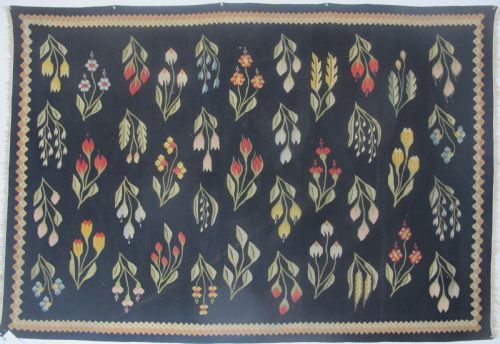
The selection includes specific regional forms such as Turkmen torbas and asmalyks, Afshar vanity bags, and Baluch storage pieces. European tapestries from earlier centuries also appear, offering alternative woven formats for vertical display.
The physical structure of these pieces combines utilitarian durability with complex tribal iconography, representing distinct confederacies and weaving groups across Persia, Anatolia, and the steppes of Central Asia.
How they were made
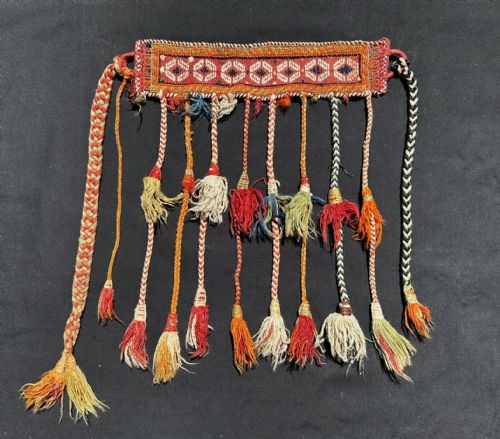
Weavers relied on hand-spun wool, cotton foundations, and natural dyes derived from plants and minerals to build dense pile or flatweave structures. Artisans occasionally integrated supplementary materials such as silk, glass beads, and cowrie shells into the textile ground.
Nomadic workshops employed warp-faced and weft-faced techniques, utilising knotting and flatweaving methods suited to portable vertical looms. The resulting fabric balanced structural resilience with intricate geometric and floral patterns specific to the maker's tribe.
Nomadic weavers occasionally stitched cowrie shells and glass beads directly into storage bags to ward off the evil eye.
What varies in quality
The integrity of the hand-spun wool and the saturation of the natural dyes determine the visual depth of the textile. Pieces utilising botanical colourants yield nuanced variations across the field that chemically dyed alternatives lack.
Knot density and structural tightness dictate the precision of the tribal motifs. A finely woven face demonstrates greater control over complex secondary patterns, whereas coarser examples reflect rapid utilitarian production.
The Handwoven Wool Wall Hanging Glossary
- Torba
- A small Turkmen storage bag traditionally hung inside a yurt. These pieces usually feature geometric gull motifs.
- Sofreh
- A flatwoven textile used for kneading bread or sharing meals. They display minimalist tribal layouts.
- Asmalyk
- A ceremonial camel trapping shaped as a pentagon. These were used during Turkmen wedding processions.
- Gul
- A repeating medallion or floral stamp found across Central Asian rugs and bag faces. Each tribal group utilised distinct gul variations.
- Flatweave
- A textile constructed without pile by interlocking warp and weft threads. Examples include sumakh and kilim structures.
Handwoven Wool Wall Hanging: Frequently Asked Questions
How do I hang a tribal textile?
Mounting a textile requires distributing the weight evenly across the upper edge rather than piercing the fabric with nails. A conservation-grade velcro strip or a sleeve stitched to the plain weave back allows the piece to hang flat against the wall.
Heavier pile bags benefit from a padded wooden batten that supports the lower foundation without stressing the wool fibres.
What is the difference between a torba and a mafrash?
A torba is a smaller wall-hanging bag used for tent storage, typically wider than it is tall and finished with a prominent gul design. A mafrash refers to a larger storage sack or panel used for transporting household goods during nomadic migrations.
Both forms utilise durable wool construction, but torbas are generally proportioned for domestic display inside the dwelling.
How do I identify nomadic tribal weaving?
Nomadic pieces display distinct structural irregularities and asymmetrical motifs dictated by portable ground looms. Materials are typically heavy hand-spun wool dyed with natural pigments, reflecting the readily available resources of specific regions like the Fars province or the Central Asian steppes.
Tribal attributions rely on specific structural markers, such as the weave of the plain-weave back and the specific drawing of the border patterns.
Are these textiles fragile?
The dense wool and cotton foundations of nineteenth-century nomadic pieces make them surprisingly resilient for daily interior use. While individual bags served harsh utilitarian roles in pastoral camps, centuries of survival indicate robust primary materials.
Protecting the wool from sustained direct sunlight and insect damage preserves the natural dye colours and fibre strength over decades of display.