
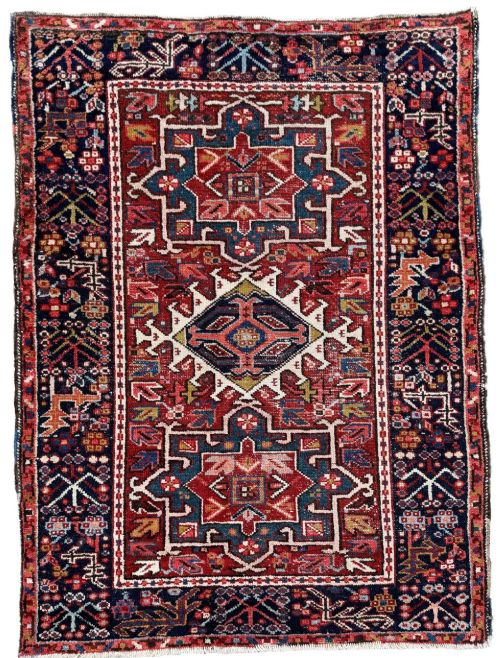
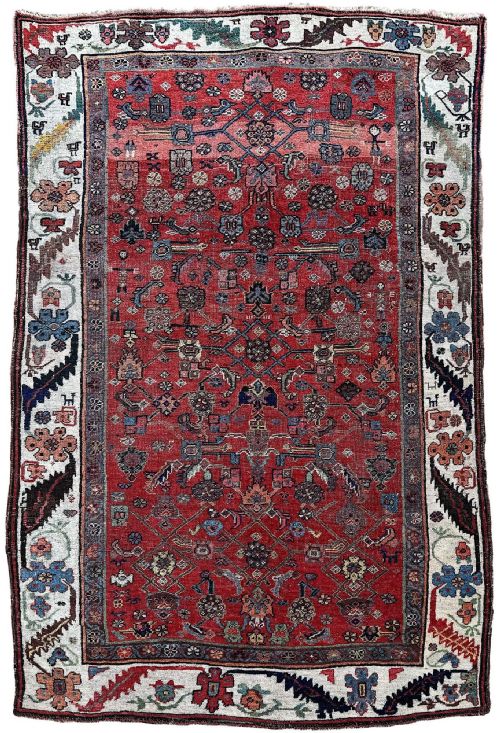
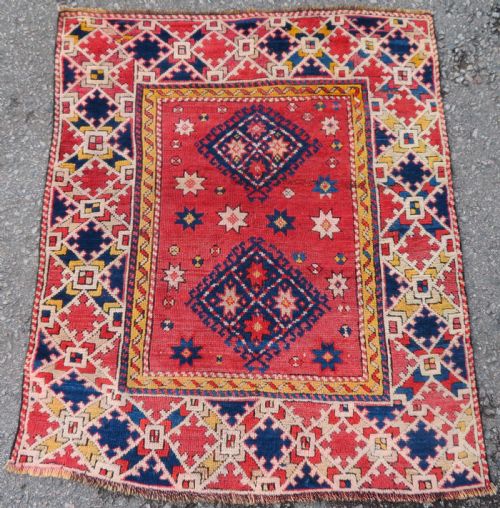
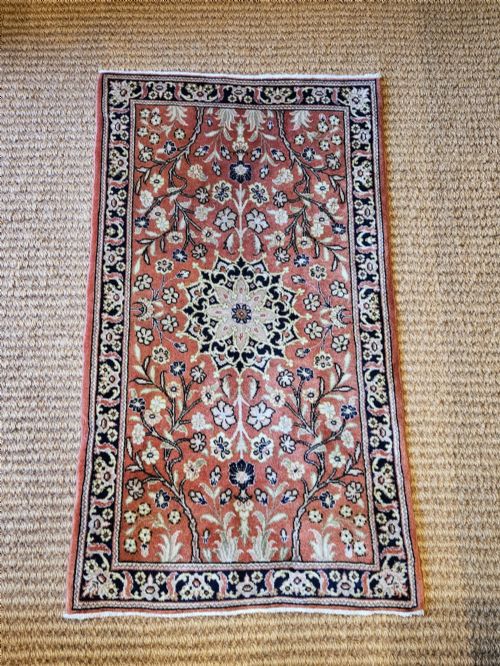
Small Oriental Area Rug
A small oriental area rug brings character and warmth to a room through traditional patterns and rich natural dyes.
Small Oriental Area Rug
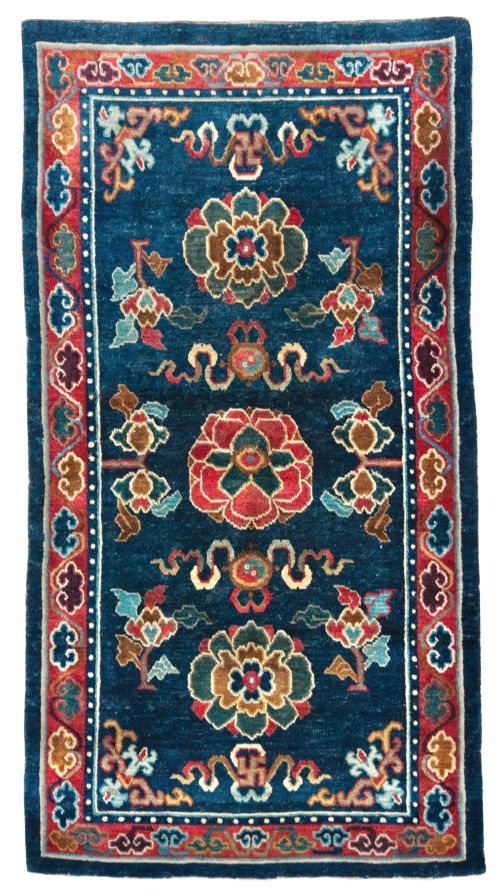
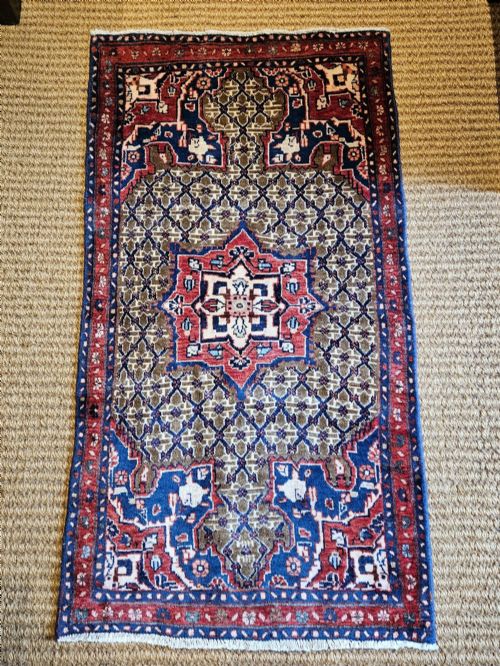
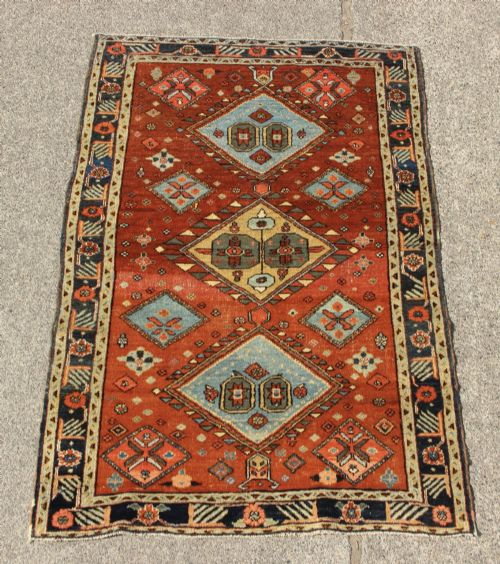
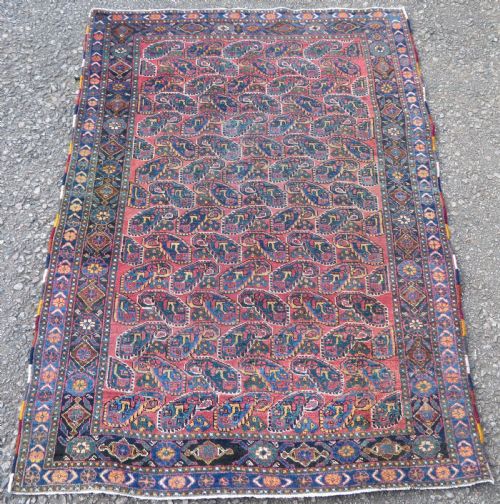
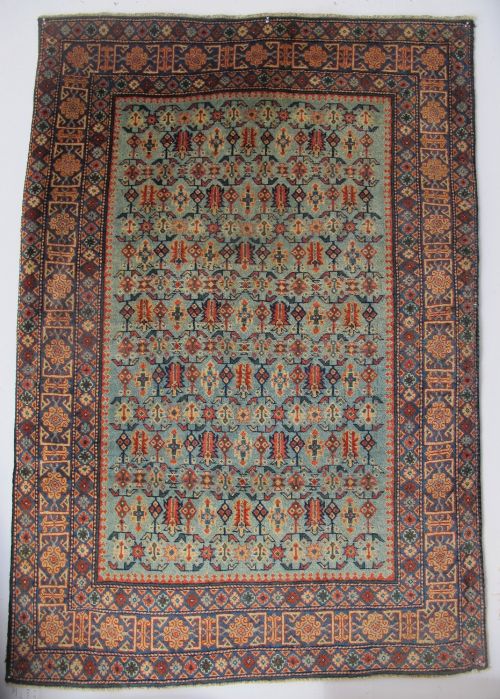
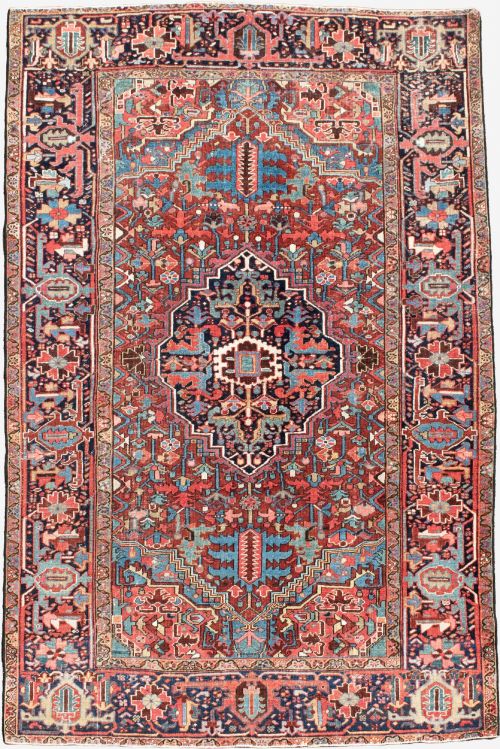
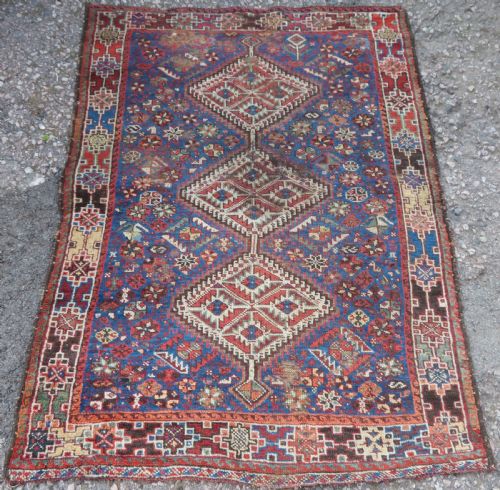
When searching for a small oriental area rug, collectors look at authentic woven pieces originating from Persia, the Caucasus, Anatolia, Tibet, China, and India. These compact floor coverings range from village and tribal pieces to city-woven examples produced during the nineteenth and early twentieth centuries.
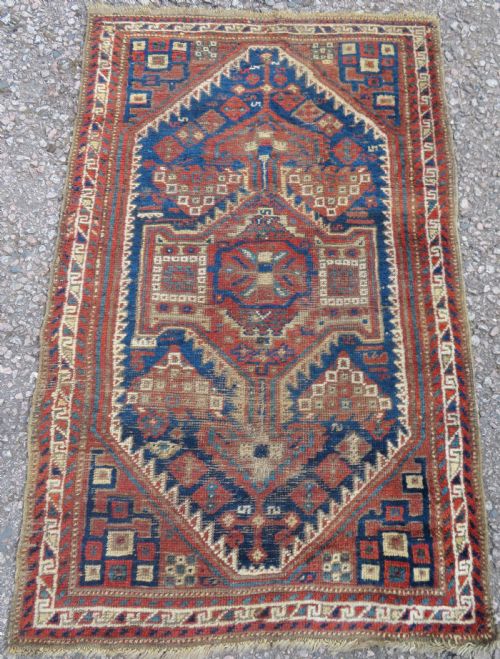
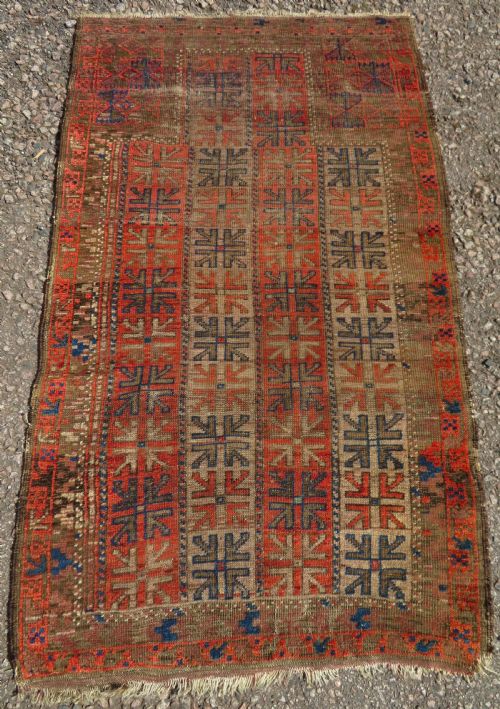
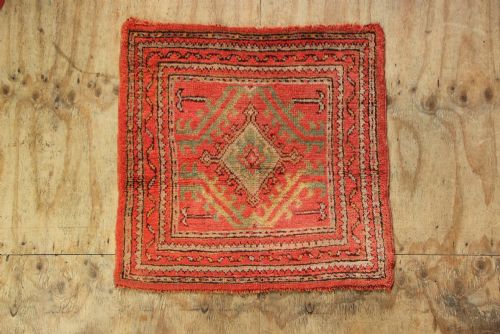
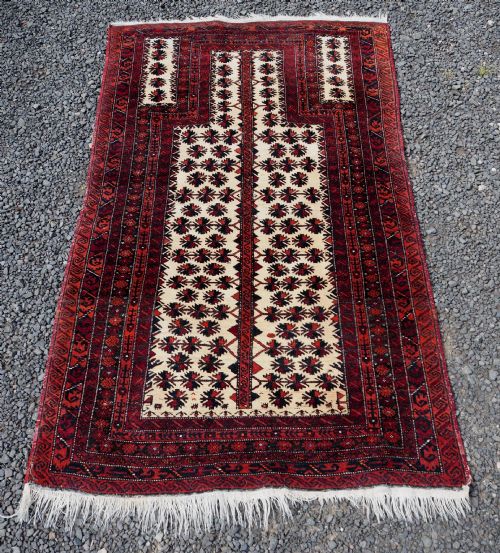
The selections available here lean heavily towards Persian tribal and village workshops, alongside Caucasian, Afghan, and Anatolian pieces. Common regional forms include hearth-sized rugs, prayer rugs, seating mats, and smaller carpets dating from the eighteen-eighties to nineteen-thirty.
These floor coverings served practical purposes in nomadic and settled households alike, providing insulation and decoration. Their manageable scale allows them to fit modern entryways, studies, and smaller living spaces without overwhelming the room.
How they were made
Traditional weavers constructed these textiles using hand-spun wool for the pile, paired with cotton warps and foundations. The quality of the wool and the twist of the yarn dictate how well the surface withstands daily foot traffic.
Makers utilised natural dyes derived from plants, roots, and insects to achieve enduring depth of colour across the field and borders. These botanical colourants age gracefully, developing a mellow patina over decades of use.
Small Oriental Area Rug Retail Price Guide 2026
Typical asking prices for small oriental area rug among the pieces listed under this phrase on Sellingantiques today, from the lower quarter to the upper quarter. They describe what is for sale here now, not the wider market.
Regional styles include Persian Heriz, Caucasian, Anatolian Tribal, and Afghan village weaving traditions.
What varies in quality
The refinement of the design work and the tightness of the knotting separate basic utilitarian weaving from finer workshop production. Denser knots allow for crisper geometric or curvilinear motifs and greater structural integrity over time.
The harmony and complexity of the natural palette distinguish superior examples from simpler ones. Subtle tonal variations within the wool indicate skilful dyeing and add visual depth to the finished piece.
The Small Oriental Area Rug Glossary
- Warp
- The vertical foundation threads stretched tightly on the loom before weaving begins. The weft and pile are subsequently tied around these stationary strands.
- Weft
- The horizontal threads passed across the warp strands to secure the rows of knots in place. They contribute to the structural firmness of the rug.
- Prayer rug
- A devotional textile featuring a mihrab or niche design pointing toward Mecca. Weavers typically oriented these compact rugs for daily personal worship.
- Natural dyes
- Colourants extracted from organic sources such as madder root, indigo, and walnut shells. These traditional dyes yield nuanced shades that chemical alternatives cannot replicate.
- Pile
- The upright woolen surface formed by the ends of individual knots. The height and density of this layer determine the texture and durability of the textile.
Small Oriental Area Rug: Frequently Asked Questions
How do I clean a vintage rug?
Surface dust should be removed gently using a suction-only vacuum without a rotating beater bar. Professional cleaning by a specialist in antique textiles is recommended for deep washing to protect the natural wool and dyes.
Water saturation and harsh chemical detergents must be avoided to prevent dye bleeding and fibre degradation. Regular gentle care preserves the structural integrity of the foundation over time.
Where should I place a small rug?
These compact dimensions suit low-traffic areas such as bedside positions, reading corners, and small entryways. Their scale allows them to accent hardwood floors without dominating the spatial layout of the room.
Placing a breathable rug underlay underneath prevents slipping and reduces friction between the wool foundation and the floorboards. This simple precaution extends the lifespan of older textiles significantly.
Are these pieces genuinely old?
The inventory spans the late nineteenth century through to the nineteen-thirties, encompassing distinct periods of traditional village and tribal production. Structural characteristics, wear patterns, and dye types confirm the historical origins of each piece.
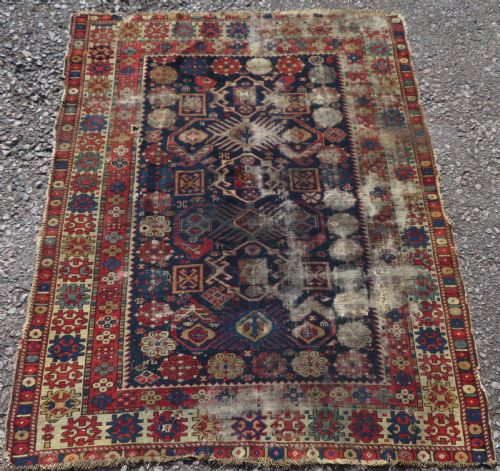
Distressed examples show authentic ageing from decades of use rather than artificial manufacturing shortcuts. Evaluating the foundation and fringe construction helps confirm the production era.
What is a tribal rug?
Tribal rugs are woven by nomadic or semi-nomadic groups using memory-based geometric designs rather than pre-planned cartoon templates. These patterns often reflect the cultural heritage and local symbolism of specific weaving communities.
The wool in these pieces tends to be robust, reflecting the practical needs of nomadic life. Irregularities in symmetry and line work highlight the hand-knotted nature of these traditional items.